
Navigating the landscape of federal taxes is one of the most critical aspects of personal and business finance. For many, the prospect of “tax season” brings about a sense of dread, but understanding how to pay federal taxes is more than just a seasonal chore—it is a fundamental component of cash flow management and long-term financial health. Whether you are a W-2 employee, a freelance professional, or a small business owner, the Internal Revenue Service (IRS) offers a variety of channels to settle your liabilities.
Efficiently managing your tax payments ensures that you avoid unnecessary penalties, maintain a high credit-worthiness, and keep your financial house in order. This guide will explore the various methods available for paying federal taxes, the strategies for managing estimated payments, and the financial tools that can help streamline the process.
1. Primary Methods for Settling Your Federal Tax Liability
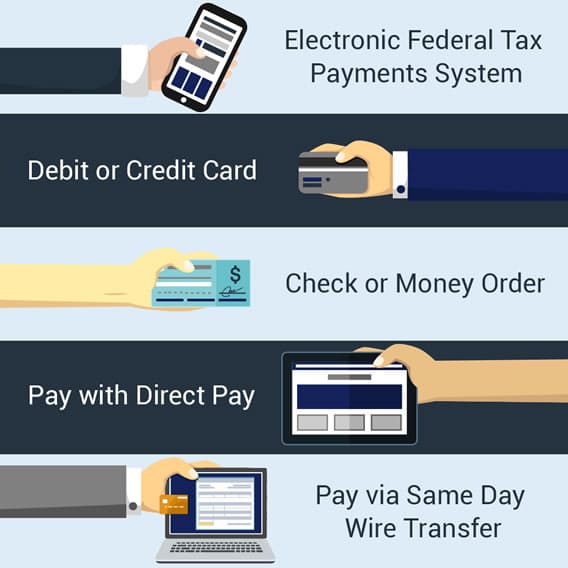
The IRS has modernized its systems significantly over the last decade, offering taxpayers several digital and physical avenues to pay what they owe. Choosing the right method depends on your liquidity, your preference for digital security, and whether you are paying as an individual or a business entity.
IRS Direct Pay and the EFTPS
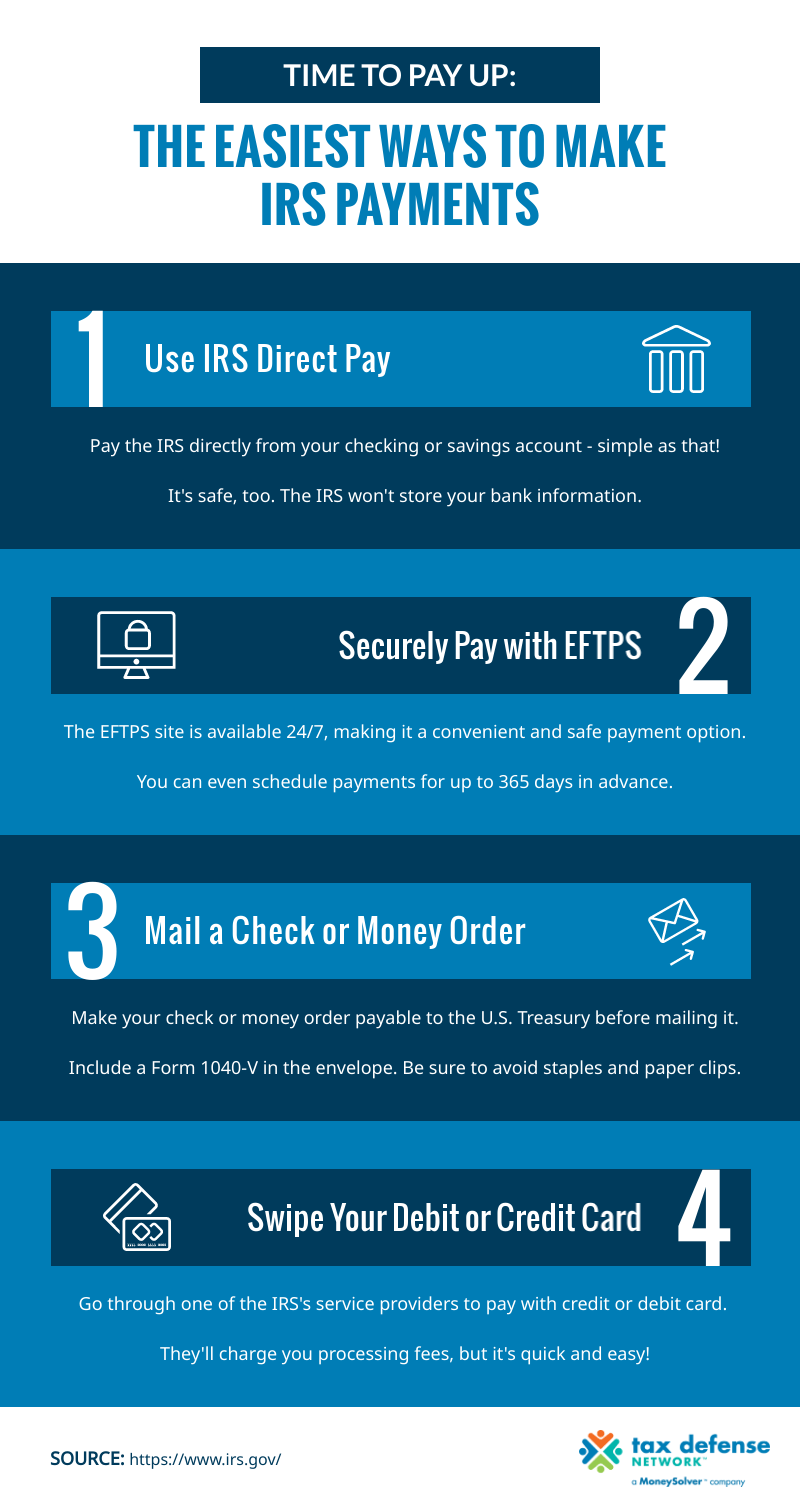
For individual taxpayers, IRS Direct Pay is often the most efficient route. This free service allows you to pay your income tax directly from your checking or savings account without any prior registration. It is ideal for one-time payments related to Form 1040, estimated taxes, or extensions.
For business owners or individuals with complex tax needs, the Electronic Federal Tax Payment System (EFTPS) is the gold standard. While it requires an initial registration process (including a mailed PIN for security), it allows for scheduled payments up to 365 days in advance. This is an essential tool for “Money” management, as it allows you to automate your tax outflows and ensure you never miss a deadline.
Credit, Debit Cards, and Digital Wallets
While the IRS does not collect credit card fees directly, it utilizes third-party payment processors to handle card transactions. This method is convenient but comes with a financial trade-off: processing fees. Usually, these fees range from 1.87% to nearly 2% for credit cards.
From a personal finance perspective, paying by credit card should only be considered if the “rewards” or “cash back” from the card outweigh the processing fee, or if you are facing a temporary liquidity crunch and need to float the payment for a month to avoid IRS late penalties, which are often much higher than credit card interest for a single billing cycle.
Traditional Methods: Checks, Money Orders, and Cash
Despite the digital shift, the IRS still accepts traditional payment forms. If you choose to mail a check or money order, it must be made payable to the “United States Treasury” and include your Social Security Number (SSN) or Employer Identification Number (EIN), the tax year, and the related tax form.
For those who operate in cash-heavy industries, the IRS partners with retail locations (like 7-Eleven or CVS) to accept cash payments. However, this method has strict limits on the amount per day and requires a multi-step verification process online before you head to the store.
2. Navigating Estimated Quarterly Payments for Entrepreneurs and Freelancers
In the “Money” niche, one of the most common pitfalls for the self-employed is the failure to account for estimated taxes. Unlike traditional employees who have taxes withheld from every paycheck, entrepreneurs are responsible for paying their own taxes four times a year.
Who Needs to Pay Estimated Taxes?
Generally, if you expect to owe $1,000 or more when you file your return, the IRS requires you to make estimated payments. This includes freelancers, independent contractors, and S-Corporation shareholders. Failure to make these payments can result in an “underpayment penalty,” even if you pay the full amount by April 15th. This is because the US tax system is a “pay-as-you-go” system; the government expects its share as you earn the income.
Calculating Your Quarterly Installments
The most accurate way to calculate these payments is using Form 1040-ES. You must estimate your expected adjusted gross income, taxable income, taxes, deductions, and credits for the year. A common rule of thumb in personal finance is to set aside 25% to 30% of your gross business income in a separate “Tax Savings” account to ensure the funds are available when the quarterly deadlines (April, June, September, and January) arrive.
Safe Harbor Rules to Avoid Penalties
To protect yourself from unexpected tax hikes or income surges, you can utilize the “Safe Harbor” rule. Generally, the IRS will not penalize you if you pay at least 90% of the tax for the current year or 100% of the tax shown on the return for the prior year (whichever is smaller). For high-income earners (those with an AGI over $150,000), the prior-year threshold increases to 110%. Following this strategy is a sophisticated way to manage your business finance, as it provides a predictable payment schedule regardless of how much your income fluctuates in the current year.
3. Leveraging Financial Tools and Systems for Tax Management
Modern finance is built on automation and data. To manage federal tax payments effectively, one should look beyond the IRS website and integrate tax planning into their broader financial ecosystem.
Utilizing High-Yield Savings Accounts (HYSA) for Tax Reserves
One of the smartest “Money” moves a taxpayer can make is using a dedicated High-Yield Savings Account for tax reserves. If you are a freelancer or business owner, every time a client pays an invoice, you should immediately transfer a percentage to this account. Because tax money often sits for three to six months before it is paid to the IRS, a HYSA allows you to earn 4% to 5% interest on money that isn’t technically yours. Over a year, this can amount to hundreds or thousands of dollars in “passive income” generated from your tax liabilities.
The Role of Accounting Software and Fintech
Platforms like QuickBooks, FreshBooks, or specialized tax-tech apps offer direct integrations for calculating real-time tax liability. These tools can track your expenses and income, providing a “live” look at what you will likely owe the federal government. Some fintech banks even allow for “Automatic Tax Tagging,” where a portion of every incoming deposit is automatically moved into a protected vault. This removes the “human error” element of tax management, ensuring that when it comes time to pay the federal government, the capital is already secured.
Professional Consultation vs. DIY Platforms
While software is powerful, the complexity of the federal tax code often justifies the cost of a Certified Public Accountant (CPA) or a Tax Strategist. From a wealth-building perspective, a professional doesn’t just help you “pay” taxes; they help you legally “minimize” them through strategic deductions, retirement account contributions, and entity structuring. The fee paid to a tax professional is often a fraction of the savings they generate through optimized filing.
4. Strategies for Managing Financial Hardship and Tax Debt
Sometimes, despite the best financial planning, a taxpayer may find themselves unable to pay their federal taxes in full. In the world of finance, the worst thing you can do is ignore the debt. The IRS is arguably the most powerful creditor in the country, but they also offer several structured “exit ramps” for those in financial distress.
Short-Term and Long-Term Installment Agreements
If you can’t pay immediately, you can apply for an online payment agreement. A short-term extension gives you up to 180 days to pay your liability in full (including interest). If you need more time, a long-term installment agreement (payment plan) allows you to make monthly payments for up to 72 months. While interest and late-payment penalties still accrue, setting up a formal plan stops the IRS from initiating more aggressive collection actions like wage garnishments or bank levies.
The Importance of Filing Even if You Can’t Pay
A critical financial lesson is the distinction between the “Failure to File” penalty and the “Failure to Pay” penalty. The penalty for not filing your return is generally 5% of the unpaid taxes for each month it is late. The penalty for not paying is much lower—usually 0.5% per month. Therefore, even if your bank account is empty, you should always file your tax return on time. This one simple action can reduce your total financial liability significantly by avoiding the more expensive non-filing penalties.
Offer in Compromise (OIC)
For those in extreme financial hardship, the Offer in Compromise is a program that allows you to settle your tax debt for less than the full amount you owe. This is a rigorous process where the IRS examines your income, expenses, and asset equity to determine your “reasonable collection potential.” While difficult to qualify for, it represents a “fresh start” for individuals whose tax debt has become an insurmountable barrier to financial recovery.
Conclusion: Tax Literacy as a Wealth-Building Tool
Understanding how to pay federal taxes is not merely about compliance; it is about taking control of your financial narrative. By mastering the various payment platforms, anticipating quarterly requirements, and utilizing modern financial tools, you transform a potentially stressful obligation into a routine part of your wealth management strategy.
In the realm of personal and business finance, those who manage their taxes proactively are the ones who have the most capital available for investing, expansion, and long-term security. Whether you are automating your payments through EFTPS or leveraging a high-yield account to earn interest on your tax reserves, the goal remains the same: to handle your federal obligations with professional precision and strategic foresight.
aViewFromTheCave is a participant in the Amazon Services LLC Associates Program, an affiliate advertising program designed to provide a means for sites to earn advertising fees by advertising and linking to Amazon.com. Amazon, the Amazon logo, AmazonSupply, and the AmazonSupply logo are trademarks of Amazon.com, Inc. or its affiliates. As an Amazon Associate we earn affiliate commissions from qualifying purchases.