
In the fiercely competitive arenas of skincare and cosmetics, a deep understanding of epidermal biology is not merely a scientific pursuit; it’s a strategic imperative for brand differentiation and consumer engagement. Among the skin’s many intricate layers and functions, the hydrolipidic film stands out as a critical, yet often unseen, component that savvy brands leverage to build trust, formulate compelling product lines, and craft resonant marketing narratives. More than just a superficial layer, this delicate emulsion serves as the skin’s primary defense, and its integrity is increasingly central to both consumer education and sophisticated product positioning within the modern beauty landscape. For brands aiming to communicate efficacy and foster long-term customer loyalty, comprehending and articulating the significance of the hydrolipidic film is paramount.
The Foundation of Skin Health: A Brand’s Core Message
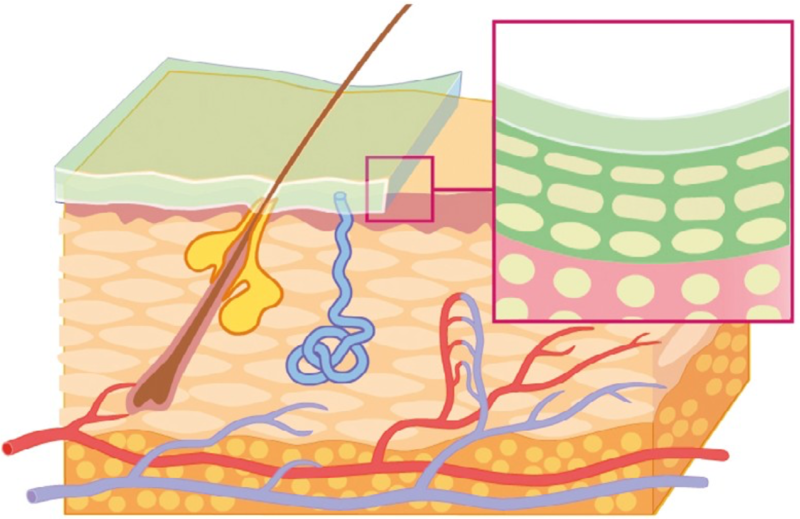
At its essence, the hydrolipidic film is a natural protective barrier formed by a complex emulsion of water (hydro) and lipids (lipidic) on the outermost surface of the stratum corneum. This thin, slightly acidic layer, also known as the acid mantle, is crucial for maintaining the skin’s overall health, hydration, and defense mechanisms. For brands, this biological reality translates into a powerful narrative: your products are designed not just to treat symptoms, but to support the very foundation of healthy skin.
Biological Basis Meets Brand Narrative
Composed primarily of sweat, sebum, and corneocytes (dead skin cells), along with various other natural moisturizing factors (NMFs) like amino acids, lactic acid, and urea, the hydrolipidic film provides a unique opportunity for brands to connect scientific principles with consumer benefits. When a brand explains that its cleansers are pH-balanced to respect the acid mantle, or that its moisturizers contain ceramides and fatty acids to replenish the lipidic component, it elevates its messaging beyond superficial claims. This approach positions the brand as an authority, educating consumers on the intrinsic link between product ingredients and physiological function, thereby fostering a deeper level of trust and perceived efficacy. Brands that delve into this scientific detail demonstrate a commitment to formulating products that genuinely work in harmony with the skin, rather than merely masking issues.
Beyond Hydration: A Protective Shield for Brand Promises
The primary functions of the hydrolipidic film are twofold: hydration and protection. It minimizes transepidermal water loss (TEWL), locking in moisture and preventing dryness. Simultaneously, its slightly acidic pH (typically between 4.5 and 5.5) creates an inhospitable environment for pathogenic bacteria and fungi, acting as the skin’s first line of immunological defense. For skincare brands, these functions are goldmines for product development and marketing. Brands can promise not just moisturization, but “barrier repair,” “skin resilience,” and “defense against environmental aggressors.” Products that claim to “strengthen the skin barrier” or “restore the acid mantle” resonate deeply with consumers seeking long-term solutions for sensitivity, redness, and general skin vulnerability. This focus shifts the narrative from reactive problem-solving to proactive skin maintenance, a more sophisticated and enduring value proposition.
Crafting Brand Narratives Around Barrier Integrity
Successful brands understand that explaining “what” the hydrolipidic film is merely the first step. The true art lies in weaving this scientific concept into a compelling brand narrative that resonates with consumer aspirations for healthy, resilient skin. This involves meticulous messaging, strategic product positioning, and consistent brand identity reinforcement across all touchpoints.
Educating the Consumer: Building Trust and Authority
For many consumers, the concept of a “hydrolipidic film” or “acid mantle” might be new. Brands that invest in clear, concise, and engaging educational content not only empower their customers but also cement their own position as thought leaders. This can be achieved through blog posts, social media infographics, explainer videos, and even detailed product descriptions that demystify complex dermatological terms. By explaining why the film is important (e.g., “A compromised barrier leads to dryness and sensitivity”) and how their products support it (e.g., “Our serum replenishes essential lipids to fortify your skin’s natural shield”), brands build an informed consumer base. This transparency fosters a sense of authenticity and trustworthiness, crucial currencies in today’s crowded beauty market. Brands that prioritize consumer education are not just selling products; they are selling understanding and empowerment.
Product Development and Positioning: Solutions for a Healthy Barrier
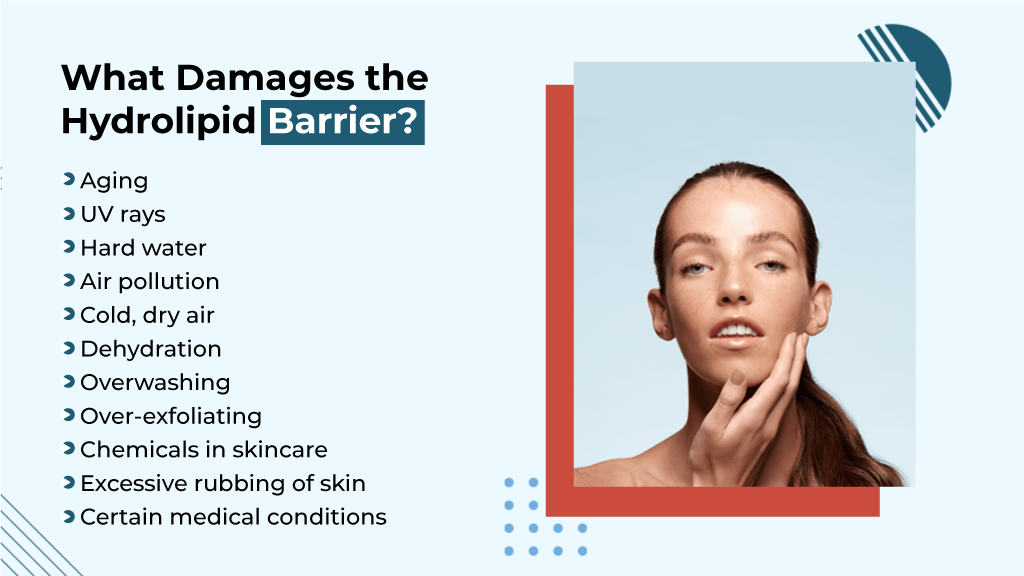
The hydrolipidic film directly influences product development strategies. Brands formulate cleansers with gentle surfactants that don’t strip the skin, toners that rebalance pH, and moisturizers rich in ingredients like ceramides, cholesterol, hyaluronic acid, glycerin, and fatty acids that mimic or support the film’s natural composition. The positioning of these products then centers on “barrier-strengthening,” “skin-identical ingredients,” or “pH-balancing formulas.” A brand might launch an entire “Barrier Repair Collection” or highlight a “Dermatologist-Recommended Acid Mantle Support” line. This targeted approach allows brands to cater to specific skin concerns—such as sensitive, dry, or compromised skin—by offering solutions rooted in biological function. This strategic alignment between product formulation and the scientific understanding of the hydrolipidic film provides a robust foundation for marketing claims and competitive differentiation.
Marketing the Invisible: Visuals and Messaging for the Hydrolipidic Film
Communicating the benefits of an invisible protective layer requires creative marketing strategies that evoke feelings of safety, strength, and balance. Brands must translate the scientific abstract into relatable, desirable outcomes for the consumer.
The Language of Science and Wellness
Effective marketing copy leverages specific terminology that both educates and reassures. Words like “fortify,” “restore,” “protect,” “balance,” “resilience,” and “integrity” become central to the brand’s lexicon. Visuals, though not directly depicting the microscopic film, can convey its essence. Imagery might feature calm, balanced skin, serene natural landscapes suggesting protection, or abstract scientific representations that symbolize strength and harmony. Infographics showcasing “layers of protection” or “the skin’s natural shield” help visualize the invisible. Moreover, testimonials from individuals who have experienced relief from dryness or sensitivity after using barrier-supporting products provide compelling social proof, translating scientific claims into tangible, emotional benefits. The convergence of scientific language with a wellness-oriented aesthetic helps brands effectively market this foundational skin concept.
Packaging and Design: Reflecting Purity and Protection
Packaging design also plays a critical role in conveying a brand’s commitment to the hydrolipidic film. Brands often opt for minimalist, clinical, or apothecary-style packaging that evokes a sense of purity, scientific precision, and gentle efficacy. Colors tend towards calming blues, greens, whites, or earthy tones. Material choices might emphasize sustainability or hygiene, reinforcing the idea of a product that cares for both the skin and the environment. Labels prominently feature key barrier-supporting ingredients and call out benefits such as “pH balanced” or “fragrance-free,” appealing to consumers seeking gentle, effective care. The overall aesthetic communicates that the product is a trustworthy, thoughtful solution designed to work in harmony with the skin’s natural defenses, directly reflecting the protective and balancing role of the hydrolipidic film.
Case Studies in Brand Success: Leveraging the Hydrolipidic Film
Several types of brands have successfully integrated the concept of the hydrolipidic film into their corporate identity and marketing strategies, demonstrating its versatile appeal across different market segments.

From Niche to Mainstream: The Barrier Movement
-
Dermatologist-Recommended Brands: Brands positioned as “dermatologist-developed” or “clinical skincare” often place the hydrolipidic film at the absolute core of their identity. Their marketing materials are rich in scientific explanations, often featuring expert endorsements and clinical study results. They champion simple, effective formulations designed to support barrier function, appealing to consumers with sensitive or compromised skin who prioritize efficacy and gentleness above all else. Their product lines are often organized around “repair” and “restore” functions.
-
Clean Beauty Brands: The clean beauty movement, emphasizing natural and non-toxic ingredients, also frequently highlights the importance of the hydrolipidic film. These brands often stress that harsh chemicals or synthetic fragrances can disrupt the natural barrier, advocating for “skin-friendly” formulations that “respect the skin’s natural ecosystem.” Their brand story often intertwines environmental consciousness with internal skin health, positioning their products as a holistic choice for both personal well-being and planetary health.
-
Luxury Skincare Brands: Even luxury brands, while often focusing on sensory experience and exclusive ingredients, integrate barrier protection into their high-end offerings. They frame it as “cellular resilience” or “advanced skin immunity,” elevating the concept to a sophisticated level of preventative aging and optimal skin function. Their communication blends scientific rigor with aspirational benefits, appealing to consumers who expect both cutting-edge science and an indulgent experience.
By strategically incorporating the hydrolipidic film into their messaging, product development, and overall brand identity, these diverse brands have successfully navigated the competitive landscape, transforming a fundamental biological concept into a powerful differentiator and a cornerstone of lasting consumer appeal. Understanding and effectively communicating the significance of this invisible shield is no longer an option but a necessity for brands aiming for sustained success in the modern beauty industry.
aViewFromTheCave is a participant in the Amazon Services LLC Associates Program, an affiliate advertising program designed to provide a means for sites to earn advertising fees by advertising and linking to Amazon.com. Amazon, the Amazon logo, AmazonSupply, and the AmazonSupply logo are trademarks of Amazon.com, Inc. or its affiliates. As an Amazon Associate we earn affiliate commissions from qualifying purchases.