
The term “huffing paint” refers to a dangerous and often clandestine practice involving the inhalation of fumes from volatile solvents, commonly found in household products like paint, glue, aerosol sprays, and cleaning agents. While the act itself is rooted in substance abuse, the broader context of understanding its prevalence, identifying its risks, and exploring potential deterrents can, in a highly indirect way, intersect with technological advancements aimed at safety and security. This article will delve into the understanding of this harmful practice, not to condone or explain the act itself, but to explore how technological insights and applications can be leveraged in its prevention, detection, and the safeguarding of vulnerable individuals and communities.

The Pervasive Risks of Inhalant Abuse
Inhalant abuse, encompassing the practice of huffing paint and similar substances, poses severe and immediate dangers to the user. These risks are multifaceted, impacting physical health, cognitive function, and even leading to fatal outcomes. Understanding these inherent dangers is the first step in developing effective prevention strategies, some of which may involve technological interventions.
Immediate and Acute Health Consequences
The volatile organic compounds (VOCs) present in products used for huffing are rapidly absorbed into the bloodstream through the lungs. This rapid absorption triggers a cascade of negative physiological responses. Central nervous system depression is one of the most immediate and pronounced effects. Users may experience dizziness, disorientation, slurred speech, and a loss of coordination. Hallucinations, paranoia, and aggressive behavior can also manifest, making the user a danger to themselves and others.
A particularly terrifying risk associated with inhalant abuse is “sudden sniffing death.” This can occur even during the first instance of use. The inhalation of concentrated fumes can lead to irregular heart rhythms, a condition known as cardiac arrhythmia, which can result in sudden cardiac arrest and death. This underscores the unpredictable and highly dangerous nature of huffing. Furthermore, the depletion of oxygen to the brain during inhalation can cause immediate brain damage, leading to long-term cognitive deficits, memory problems, and impaired learning abilities. Other acute effects include nausea, vomiting, chemical burns to the mouth and airways, and respiratory distress.
Long-Term Neurological and Organ Damage
Beyond the immediate dangers, repeated or prolonged inhalant abuse can inflict irreversible damage on various bodily systems. The brain is particularly vulnerable. Chronic use can lead to significant neurological impairments, including persistent memory loss, difficulty with concentration, impaired judgment, and motor skill deficits. In severe cases, users may develop a form of dementia, exhibiting profound changes in personality and cognitive function.
The damage extends beyond the brain. The liver and kidneys, responsible for filtering toxins from the body, can be severely compromised. Liver damage can lead to conditions like cirrhosis, while kidney damage can impair their ability to regulate bodily fluids and remove waste products. Hearing loss is another common long-term consequence, as the delicate structures of the inner ear are susceptible to the toxic effects of the solvents. Muscle weakness, tremors, and a general decline in physical health are also frequently observed in chronic inhalant abusers. The cumulative damage to these vital organs can significantly shorten a user’s lifespan and severely diminish their quality of life.
Technological Approaches to Prevention and Early Detection
While the act of huffing paint is a behavioral issue, technology can play a supportive role in its prevention and early detection, particularly in environments where it might occur. This involves leveraging existing technologies for monitoring, awareness, and rapid response, rather than direct intervention in the act itself.
Environmental Monitoring and Anomaly Detection
In institutional settings, such as schools, rehabilitation centers, or even public spaces where vulnerable individuals might be present, environmental monitoring technologies can be adapted. Gas sensors, originally designed for industrial safety or environmental monitoring, could potentially be calibrated to detect the presence of specific volatile organic compounds commonly associated with inhalant abuse. These sensors, integrated into a network, could trigger alerts to security or supervisory personnel if unusual concentrations of these chemicals are detected in a specific area, especially when coupled with other indicators.
Furthermore, advancements in AI-powered anomaly detection can analyze patterns in sensor data, motion detection, or even audio cues to identify behaviors that deviate from the norm. For instance, unusual activity in secluded areas, prolonged periods of silence combined with specific environmental readings, or even patterns in device usage (if applicable to the context) could be flagged for human investigation. This is not about mass surveillance of individuals, but about creating safer environments by identifying potential risks through passive technological observation. The ethical implications and privacy concerns of such systems would need to be rigorously addressed.
Digital Awareness Campaigns and Resource Dissemination
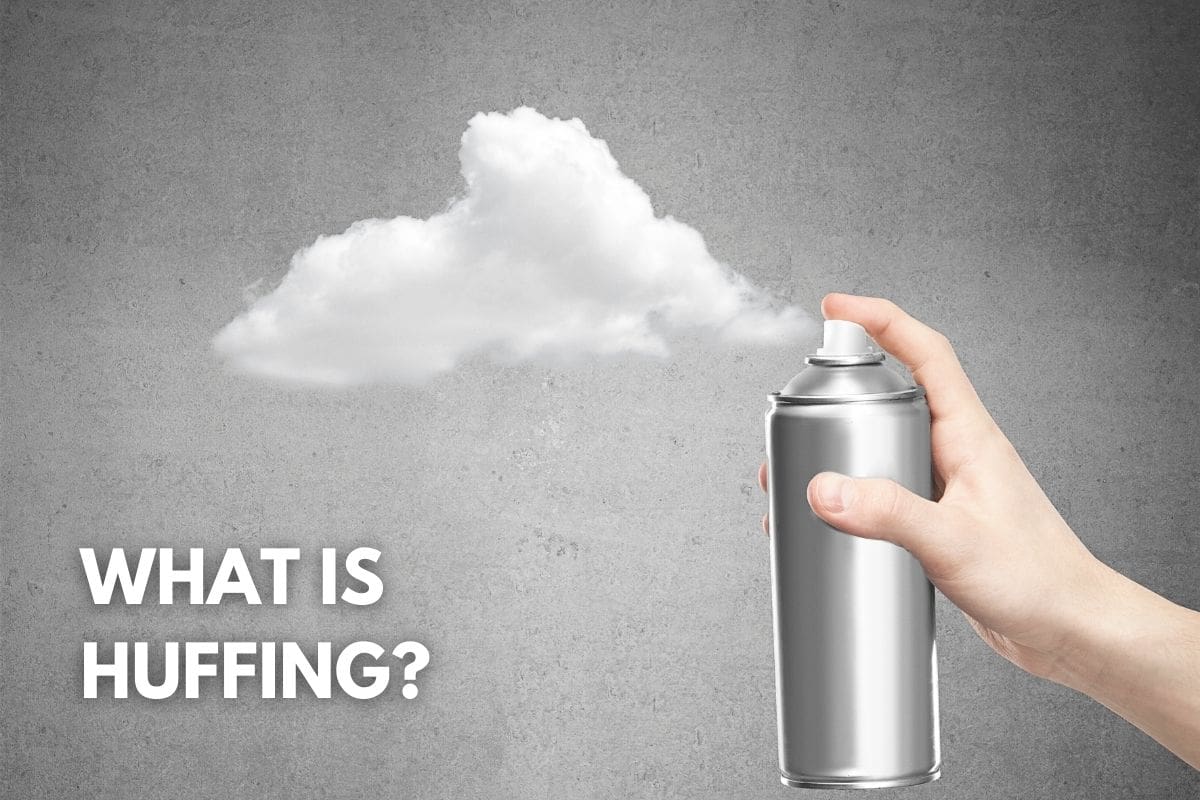
The most impactful technological application in this context lies in digital outreach and education. Online platforms, social media, and dedicated websites can serve as powerful tools for raising awareness about the dangers of huffing paint and inhalant abuse. Targeted digital campaigns can reach at-risk populations, providing them with critical information about the health risks, signs of abuse, and available resources for help.
Developing and promoting accessible digital resources, such as online helplines, chat support systems, and interactive educational modules, can offer a discreet and immediate avenue for individuals seeking information or assistance. Mobile applications can be designed to provide crisis support, connect users with local services, and offer educational content in an engaging and easily digestible format. The anonymity offered by digital platforms can encourage individuals who are hesitant to seek help through traditional channels to reach out, taking the crucial first step towards recovery.
The Role of Data Analytics in Understanding Prevalence and Impact
While the direct measurement of “huffing paint” incidents through technology is challenging, data analytics can be instrumental in understanding the broader landscape of inhalant abuse, its prevalence, and its impact on communities. This involves aggregating and analyzing data from various sources to identify trends and inform prevention strategies.
Epidemiological Data Analysis and Predictive Modeling
Public health organizations and researchers can leverage anonymized epidemiological data to track reported cases of inhalant abuse, including geographical hotspots and demographic trends. By analyzing this data, coupled with socio-economic factors and the availability of specific products, predictive models can be developed to anticipate potential areas of increased risk. These models can help allocate resources for prevention and intervention programs more effectively.
Furthermore, analyzing data from search engine queries, social media sentiment, and online forums can provide real-time indicators of interest and concern surrounding inhalant abuse. While this data must be interpreted with extreme caution to avoid stigmatizing individuals, it can offer insights into emerging trends, the language used by those struggling, and the types of information they are seeking. This can inform the content and delivery of awareness campaigns and educational materials.
Impact Assessment Through Health Records and Social Services Data
By analyzing anonymized health records and data from social services, the long-term health consequences and societal impact of inhalant abuse can be better understood. This includes tracking the prevalence of related health issues, hospitalization rates, and the burden on healthcare systems and social support networks. Such data is crucial for advocating for increased funding for prevention and treatment programs and for demonstrating the return on investment for such initiatives. Understanding the economic and social costs associated with inhalant abuse, informed by data analytics, is vital for developing comprehensive public health strategies.
Ethical Considerations and Future Directions
As technology increasingly intersects with sensitive public health issues like inhalant abuse, a strong emphasis on ethical considerations and responsible implementation is paramount. The goal of any technological intervention should be to support, protect, and empower individuals and communities, not to intrude upon privacy or perpetuate stigma.
Privacy and Data Security in Monitoring and Analysis
Any use of environmental sensors or data analytics must be implemented with the highest regard for individual privacy. Data collection should be anonymized and aggregated wherever possible, and robust security measures must be in place to protect sensitive information from breaches. Clear policies regarding data ownership, access, and retention are essential. The deployment of any monitoring technology should be transparent and subject to independent ethical review. The focus must always remain on public safety and harm reduction, without compromising fundamental rights.

The Future of Tech-Enabled Harm Reduction and Support
The future holds significant potential for technology to contribute to the fight against inhalant abuse. This includes the development of more sophisticated and accessible diagnostic tools that can aid in early detection of neurological damage, although direct use in the context of active abuse is ethically complex. More promisingly, the continued evolution of AI and machine learning can enhance predictive analytics for identifying at-risk populations and tailoring intervention strategies.
Furthermore, the integration of virtual reality (VR) and augmented reality (AR) could offer innovative approaches to addiction treatment and relapse prevention, providing immersive therapeutic environments and simulated real-world challenges. The development of user-friendly, secure, and stigma-free digital platforms for peer support and access to professional help will continue to be a crucial area of technological development. Ultimately, technology serves as a tool, and its effectiveness in addressing complex issues like huffing paint will depend on its thoughtful and ethical integration into broader public health and social support frameworks.
aViewFromTheCave is a participant in the Amazon Services LLC Associates Program, an affiliate advertising program designed to provide a means for sites to earn advertising fees by advertising and linking to Amazon.com. Amazon, the Amazon logo, AmazonSupply, and the AmazonSupply logo are trademarks of Amazon.com, Inc. or its affiliates. As an Amazon Associate we earn affiliate commissions from qualifying purchases.