
In the world of high-performance computing, data centers, and consumer electronics, the appearance of smoke is the ultimate red flag. While firefighters use smoke color to determine the fuel source of a structural fire, a systems engineer or IT professional looks at smoke as the final “error message” of a failing component. Among the various signals of hardware distress, white smoke is particularly distinct. It is often the precursor to total system failure or, conversely, a misleading sign of environmental factors.
Understanding what white smoke means in a technological context is essential for anyone managing high-value assets. Whether it is a single workstation or a massive server farm, the “smoke test” remains a visceral part of hardware diagnostics. This article explores the technical causes of white smoke, the chemical processes behind hardware combustion, and the advanced monitoring systems designed to prevent the “magic smoke” from escaping.

The Physics of White Smoke in Electronic Components
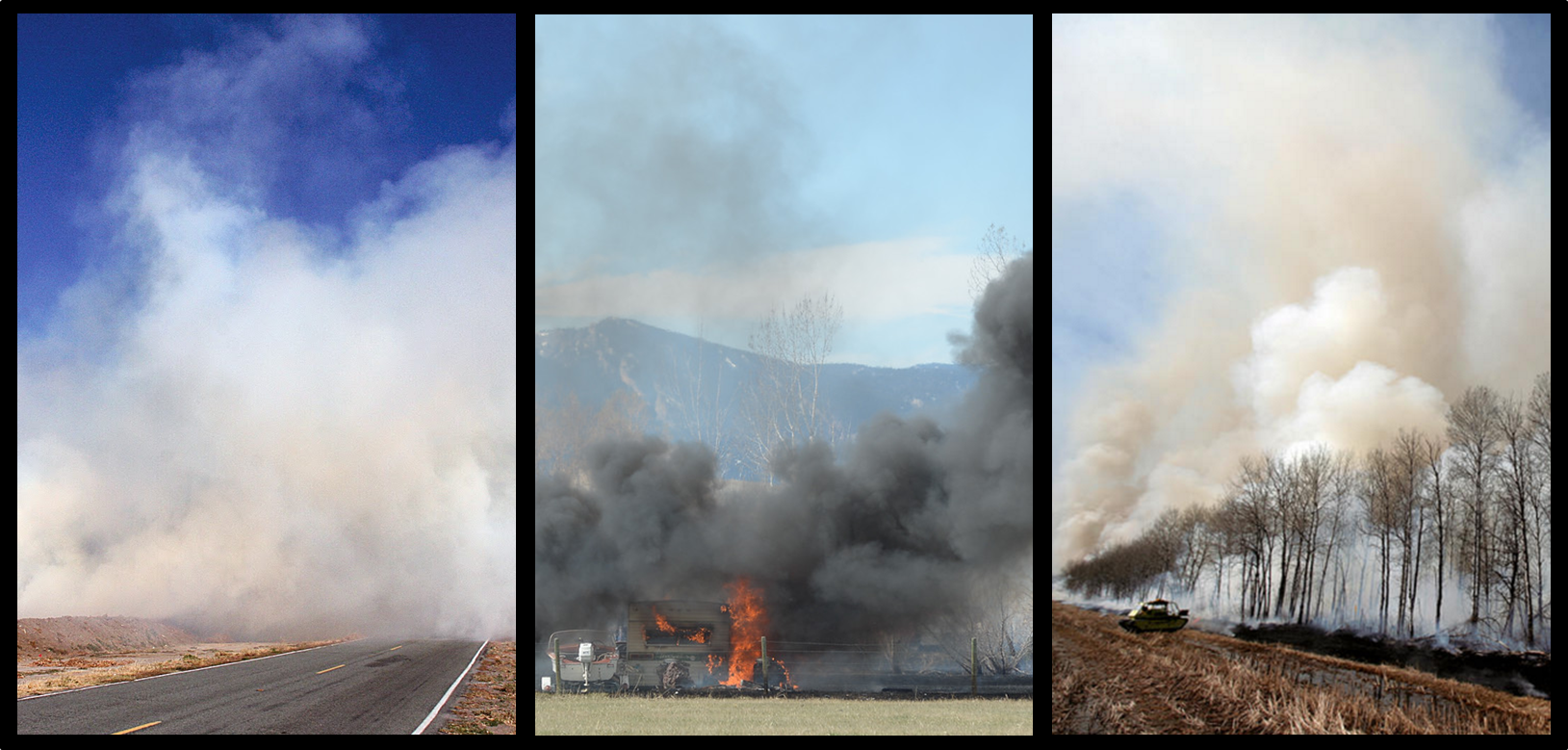
In traditional fire science, white smoke often indicates the presence of moisture or the pyrolysis of organic materials like wood or paper. However, in a controlled tech environment, white smoke usually points to specific chemical reactions within electronic components. Unlike the thick, acrid black smoke produced by burning plastic casings or rubber insulation, white smoke is often thinner and dissipates more quickly, though it is no less dangerous to the hardware.
Electrolytic Capacitor Failure and the “Magic Smoke”
One of the most common causes of white smoke in hardware is the failure of an electrolytic capacitor. These components contain a liquid or gel electrolyte that can vaporize if the capacitor is subjected to overvoltage, reverse polarity, or extreme heat. When the internal pressure exceeds the capacity of the safety vent, the electrolyte is released as a puff of white or light grey vapor.
Engineers often jokingly refer to this as “the magic smoke,” suggesting that electronic chips only work because the smoke is trapped inside; once it escapes, the device is dead. Technically, the white smoke is a pressurized aerosol of conductive fluid. If this vapor settles on other parts of a circuit board, it can cause secondary short circuits, making immediate power-down procedures critical.
Moisture Evaporation and Humidity Control
Not all white “smoke” is the result of combustion. In large-scale data centers or server rooms with high-grade HVAC systems, what appears to be white smoke may actually be water vapor or condensation. If a liquid cooling loop develops a pinhole leak and drips onto a hot heat sink or power distribution unit (PDU), the resulting steam can be mistaken for smoke.
Furthermore, in environments with ultrasonic humidifiers, a phenomenon known as “white dust” or “white mist” can occur. If the water used in these systems is not properly demineralized, it can emit a fine white vapor that looks like smoke. While not a fire, this mineral-rich vapor can be catastrophic for optical drives and high-density storage media, as it leaves a conductive residue on sensitive components.
Distinguishing Between White, Grey, and Black Smoke in Tech Infrastructure
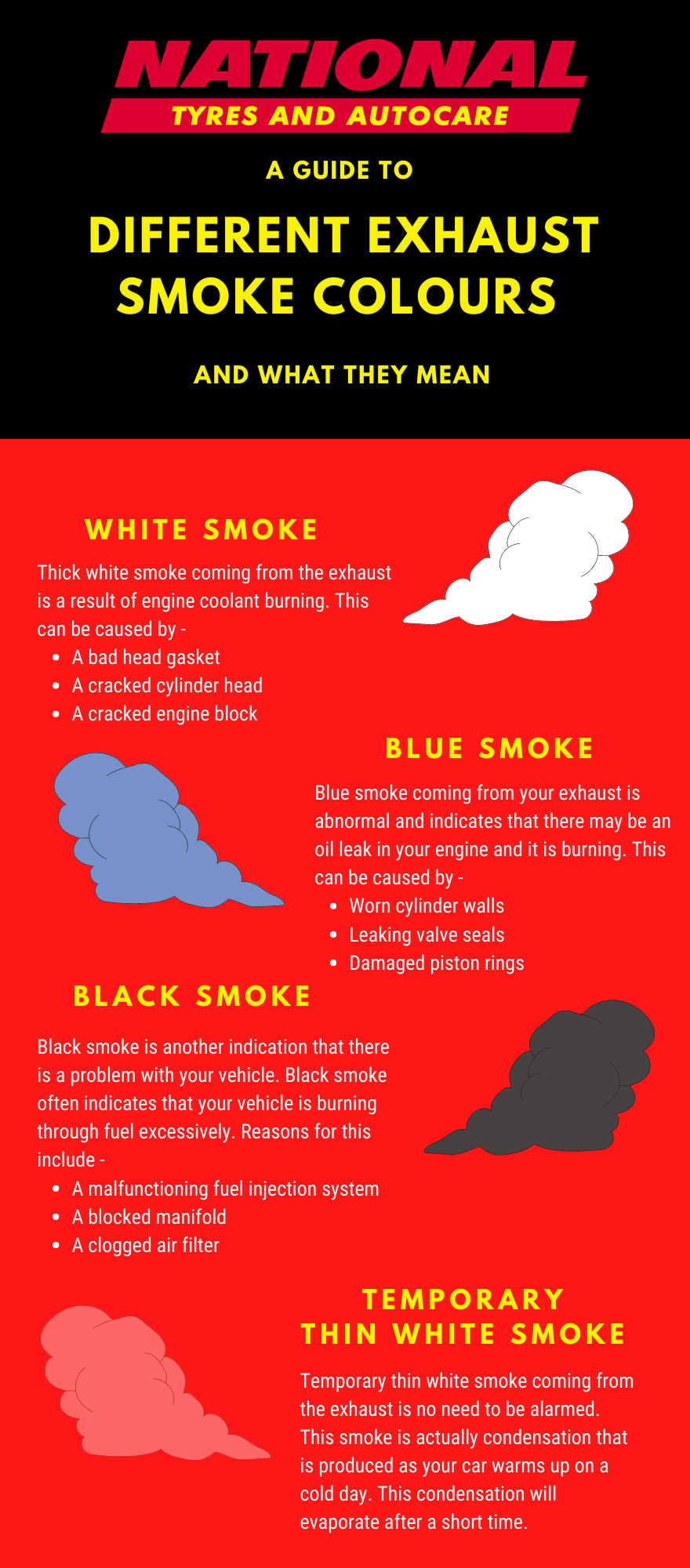
In the event of an equipment failure, identifying the color and density of the smoke is the first step in a rapid diagnostic triage. For IT managers and site reliability engineers, the smoke profile provides immediate clues about which part of the power chain has failed.
The Chemical Composition of Circuit Board Combustion
When a Printed Circuit Board (PCB) itself begins to burn, the smoke is rarely pure white. PCBs are typically made of FR-4, a flame-retardant epoxy resin reinforced with glass cloth. When this material reaches its glass transition temperature and begins to decompose, it produces a pungent, greyish-white smoke.
This smoke is highly corrosive. The bromine used in flame retardants, while effective at preventing an open flame, releases acidic vapors when heated to the point of off-gassing. For a tech professional, the presence of this grey-white smoke means that even if the fire is extinguished, the surrounding components may suffer from long-term chemical degradation and “creeping” corrosion.
Identifying the Source: Power Supply Units vs. Silicon
The source of the smoke often dictates the color.
- White/Light Grey Smoke: Usually points to power delivery—capacitors, MOSFETs (Metal-Oxide-Semiconductor Field-Effect Transistors), or voltage regulator modules (VRMs). These components handle the “heavy lifting” of electricity and are the most likely to fail due to thermal runaway.
- Dark Grey/Black Smoke: Typically indicates the combustion of wire insulation, plastic connectors, or PVC cable jackets. This suggests a high-current short circuit where the wires themselves are melting.
- No Smoke, but “Ozone” Smell: This often precedes white smoke. It indicates high-voltage arcing or the ionization of air, a common sign that a power supply is about to undergo a catastrophic failure.
Digital “Smoke”: Telemetry and Early Warning Systems
In modern enterprise technology, we no longer wait to see physical smoke. The goal of “AIOps” (Artificial Intelligence for IT Operations) and advanced hardware monitoring is to detect “digital smoke”—data patterns that indicate a component is approaching a thermal or electrical breaking point.
Telemetry Data as the New Smoke Detector
Modern servers and networking gear are embedded with hundreds of sensors. These sensors provide a constant stream of telemetry data, including amperage draw, voltage stability, and localized temperatures. When a capacitor begins to leak or a MOSFET begins to fail, it rarely happens instantaneously. There is usually a “pre-smoke” phase characterized by increased electrical resistance and fluctuating power efficiency.
By using predictive analytics, data center managers can identify these anomalies. If a specific node in a cluster shows a 15% increase in power consumption without a corresponding increase in computational load, it is “smoking” in the digital sense. This allows the system to migrate workloads to healthy hardware and shut down the failing unit before physical white smoke ever appears.
AI-Driven Thermal Throttling
One of the primary defenses against hardware fires is thermal throttling. When a CPU or GPU detects that its internal temperature is approaching the TjMax (Thermal Junction Maximum), it automatically reduces its clock speed to lower heat output. However, if the cooling system (fans or pumps) has failed, the temperature may continue to rise.
Advanced AI tools now monitor the rate of temperature increase. A standard rise is expected during a heavy render or database query. However, a “vertical” temperature spike is a sign of a critical failure—such as a dry-out in a heat pipe or a cracked solder joint. In these cases, the system can trigger an emergency “Power-Off” state, effectively preventing the chemical reaction that produces white smoke.
Mitigation and Prevention Strategies for Modern Tech Environments
Preventing the appearance of white smoke requires a multi-layered approach involving physical infrastructure, hardware selection, and software-defined safety protocols.
Advanced Cooling Solutions
As chip density increases, traditional air cooling is becoming insufficient, leading to higher risks of thermal failure. Many tech firms are moving toward:
- Direct-to-Chip Liquid Cooling: Using non-conductive dielectric fluids to pull heat directly away from the silicon. This eliminates the risk of “steam” from water-based leaks.
- Immersion Cooling: Submerging the entire server in a specialized fluid. This not only provides superior cooling but also acts as a natural fire suppressant, as the fluid displaces the oxygen needed for combustion.
Fire Suppression: Moving Beyond Water
In a tech environment, water is often as damaging as fire. To handle white smoke and the fires that cause it, data centers utilize “Clean Agent” fire suppression systems like FM-200 or Novec 1230. These systems work by removing the heat energy from the fire at a molecular level or displacing oxygen without leaving a residue.
If a technician sees white smoke in a server rack, these gas-based systems allow for the fire to be extinguished without destroying the non-affected hardware in the vicinity. This is a critical distinction from traditional sprinklers, which would turn a localized hardware failure into a total facility loss.
The Role of Redundancy and Disaster Recovery
Finally, the best defense against the “white smoke” scenario is a robust disaster recovery (DR) plan. In a cloud-native world, the failure of a single physical unit should be an invisible event to the end-user. Load balancers and failover protocols ensure that when a power supply fails and emits smoke, the digital services it supports simply “hop” to another rack or a different geographic region.
Conclusion: The Evolving Signal of Tech Health
While the sight of white smoke will always be a cause for alarm in a server room, the technology used to interpret and prevent it has evolved. In the early days of computing, white smoke was an epitaph for a machine. Today, it is a data point—a sign that the physical limits of a material have been reached.
By understanding that white smoke usually signals a failure of power components or the presence of environmental moisture, tech professionals can react with precision rather than panic. Through the integration of IoT sensors, AI-driven telemetry, and advanced fire suppression, the tech industry is moving toward a future where “the magic smoke” stays exactly where it belongs: inside the circuits.
aViewFromTheCave is a participant in the Amazon Services LLC Associates Program, an affiliate advertising program designed to provide a means for sites to earn advertising fees by advertising and linking to Amazon.com. Amazon, the Amazon logo, AmazonSupply, and the AmazonSupply logo are trademarks of Amazon.com, Inc. or its affiliates. As an Amazon Associate we earn affiliate commissions from qualifying purchases.