
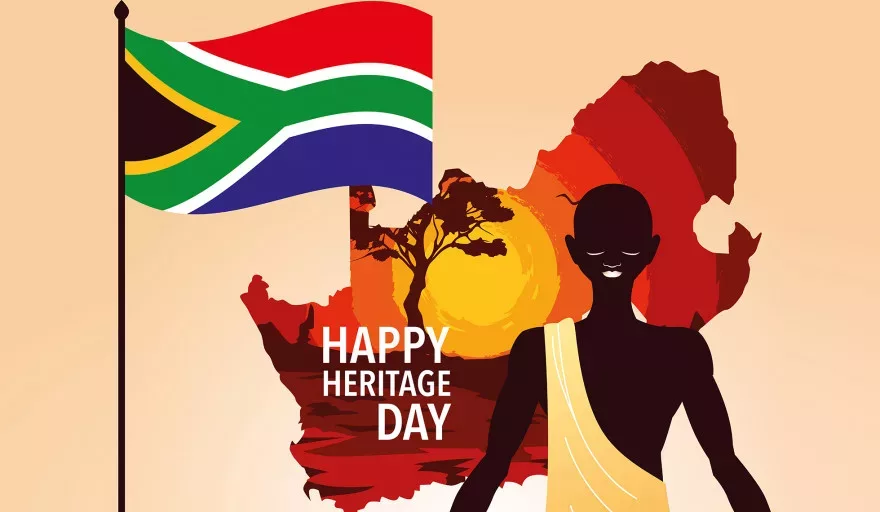
In the global marketplace, few dates offer as complex and rich a branding landscape as September 24th in South Africa. For the uninitiated, Heritage Day is a public holiday celebrated annually to recognize and celebrate the cultural wealth of the nation. However, from a brand strategy and corporate identity perspective, Heritage Day represents much more than a day of rest. It is a critical touchpoint where national identity, consumer behavior, and corporate storytelling converge. To understand what Heritage Day is in South Africa, one must look past the festivities and examine how it has been strategically positioned as a cornerstone of “The Rainbow Nation” brand architecture.
The Intersection of History and Brand Identity
At its core, Heritage Day was established to provide a platform for South Africans to celebrate their diverse cultural traditions, languages, and beliefs. In a post-apartheid era, the holiday served a functional role in the “New South Africa” brand rollout—a strategic effort to move from a narrative of division to one of unity in diversity. For brand managers, this shift provided a fertile ground for creating messaging that resonates with a deeply sentimental and identity-conscious consumer base.
The Narrative of the Rainbow Nation
The term “Rainbow Nation,” coined by Archbishop Desmond Tutu and championed by Nelson Mandela, is perhaps one of the most successful examples of nation-branding in the 20th century. Heritage Day serves as the annual “brand activation” for this concept. It allows businesses to align themselves with values of inclusivity, reconciliation, and progress. When a brand participates in Heritage Day celebrations, it is essentially signaling its adherence to the core values of the South African democratic project. This alignment is not merely social responsibility; it is a strategic move to build brand equity within a market that values cultural recognition.
Transitioning from Recognition to Celebration
In the early years of the holiday, the focus was primarily on historical recognition. However, as the South African economy evolved, the day underwent a metamorphosis into a lifestyle-oriented celebration. This transition allowed brands in the FMCG (Fast-Moving Consumer Goods), retail, and media sectors to move from passive observers to active participants. By shifting the focus toward shared experiences—such as food, music, and fashion—brands found a way to insert themselves into the domestic lives of their customers without appearing overly political.
The Commercialization of Heritage: A Dual-Edged Sword
For any brand strategist, Heritage Day presents a unique opportunity to drive engagement and sales. The month of September, often referred to as “Heritage Month,” sees a significant uptick in marketing spend as companies vie for the “cultural high ground.” However, this commercialization requires a delicate balance between profit-seeking and genuine cultural appreciation.
The Retail Surge and Consumer Behavior
From a personal finance and retail perspective, Heritage Day triggers a specific type of consumer behavior. There is a marked increase in the purchase of traditional attire, meat products (for the ubiquitous South African braai), and travel services. Strategic brands leverage this by tailoring their inventory and marketing collateral to reflect these needs. For example, major supermarket chains like Shoprite and Checkers do not just sell products during this time; they curate “Heritage Experiences” through in-store displays and localized promotions that speak to the specific demographics of the areas they serve. This localized branding is essential in a country with eleven official languages and dozens of distinct cultural groups.
Strategic Partnerships and Collaborations
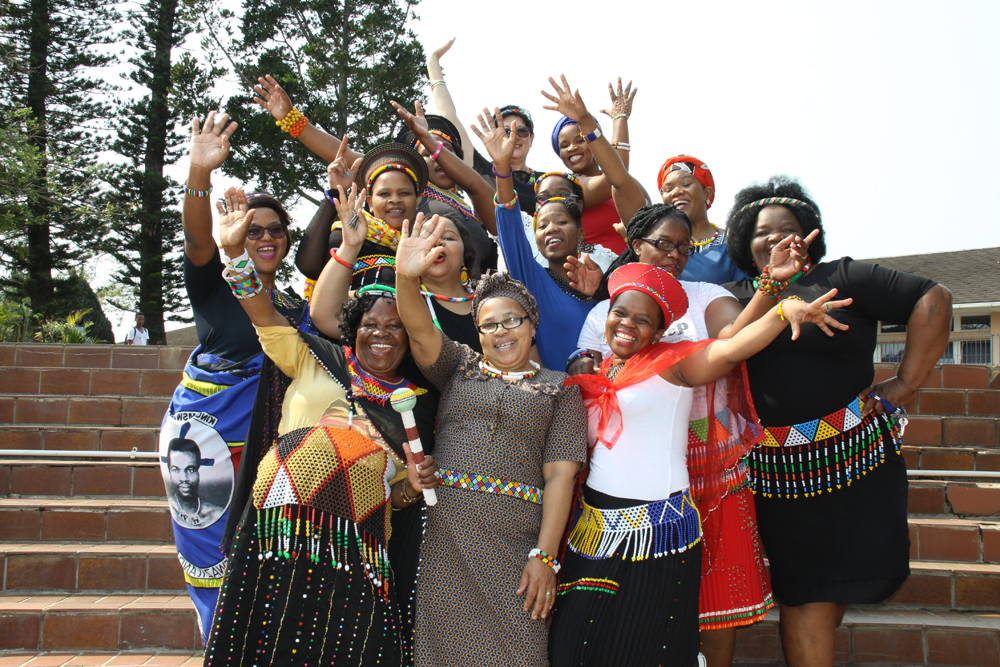
One of the most effective ways brands have navigated Heritage Day is through collaborations with local artists, designers, and cultural influencers. Instead of creating a generic “one-size-fits-all” campaign, savvy brands partner with individuals who have high “cultural capital” within specific communities. This approach allows a corporate entity to borrow the authenticity of the influencer, thereby strengthening its own identity as a brand that “gets” its audience. Whether it is a luxury fashion brand collaborating with a Ndebele beadwork artist or a tech company featuring a local musician in its digital ads, these partnerships are masterclasses in cultural marketing.
Case Study: The “Braai Day” Rebrand

No discussion of Heritage Day from a branding perspective would be complete without analyzing the “Braai Day” initiative. In 2005, a media campaign was launched to encourage South Africans to celebrate their common heritage by having a barbecue (braai). While the move was initially controversial, it has become one of the most successful examples of strategic rebranding in South African history.
Creating a Unified Marketing Platform
The genius of the “Braai Day” concept lies in its simplicity and universality. While “heritage” can be a complex and sometimes divisive topic, the act of cooking meat over an open fire is a practice shared by almost every cultural group in South Africa. By rebranding Heritage Day as National Braai Day, marketers created a unified platform that was easy to communicate, easy to participate in, and, most importantly, highly monetizable. It provided a clear “call to action” for consumers, which is the holy grail of any marketing campaign.
The Role of Brand Ambassadorship
The success of Braai Day was largely driven by Jan Scannell (known as Jan Braai), who acted as the face of the movement. His brand persona—one of accessibility, passion, and national pride—allowed the initiative to gain traction across diverse demographics. Major corporate sponsors, including National Heritage Council and various food and beverage brands, backed the movement, recognizing that a unified theme would yield a higher Return on Investment (ROI) than fragmented cultural messaging. This case study demonstrates how a brand can take a broad, abstract concept and distill it into a tangible, repeatable consumer activity.
Authenticity in the Digital Age: Avoiding Cultural Appropriation
As digital branding becomes the primary mode of engagement, the stakes for Heritage Day campaigns have never been higher. Social media provides a platform for instant feedback, and South African consumers are notoriously quick to call out brands that they perceive as being disingenuous or exploitative.
The Pitfalls of Tokenism in Advertising
Tokenism—the practice of making only a perfunctory or symbolic effort to be inclusive—is a significant risk during Heritage Month. Brands that only feature diverse faces in their ads during September, while ignoring them the rest of the year, often face “brand backlash.” In the realm of corporate identity, consistency is king. A brand’s Heritage Day campaign must be a continuation of its year-long commitment to its audience, not a sudden, opportunistic pivot. Strategic brand managers now focus on “long-form storytelling” that highlights the brand’s deep-rooted connection to South African culture throughout the calendar year.
Developing an Ethos of Cultural Appreciation
To avoid the charge of cultural appropriation, brands must move from “using” culture to “supporting” culture. This involves investing in the communities whose heritage they are celebrating. For instance, a brand that uses Zulu traditional patterns in its packaging should ideally be supporting Zulu artisans or community projects. This creates a “Value-Exchange” that strengthens the brand’s reputation and builds long-term loyalty. In the eyes of the modern consumer, a brand is defined not just by what it says, but by what it does.
Future-Proofing the Heritage Narrative for Global Brands
For multinational corporations operating in South Africa, Heritage Day presents a unique challenge: how to maintain a global corporate identity while still appearing locally relevant. The key lies in “Glocalization”—the practice of conducting business according to both local and global considerations.
Localizing International Corporate Identities
Global giants like Coca-Cola, KFC, and Volkswagen have mastered the art of Heritage Day branding by allowing their local South African offices significant creative freedom. These brands understand that a global template will often miss the nuance required to resonate with a local audience on such a significant day. By incorporating local languages, music, and social cues into their South African campaigns, these brands manage to feel “homegrown,” despite their international origins. This builds a powerful psychological connection with the consumer, who begins to view the brand as a part of their own heritage.
Sustaining the Momentum Beyond September 24th
The ultimate goal of any Heritage Day brand strategy should be to sustain the momentum beyond the holiday itself. The most successful brands use Heritage Day as a launchpad for long-term loyalty programs and community engagement initiatives. By positioning themselves as custodians of culture and champions of the South African identity, these brands ensure that they remain top-of-mind for consumers long after the braai fires have gone out.
In conclusion, Heritage Day in South Africa is far more than a public holiday; it is a vital laboratory for brand strategy and cultural marketing. It is a day that tests a brand’s authenticity, its ability to navigate complex social narratives, and its capacity to connect with the heart of the “Rainbow Nation.” For those who master the art of heritage branding, the rewards are not just seasonal sales spikes, but a permanent place in the cultural fabric of one of the world’s most vibrant markets.
aViewFromTheCave is a participant in the Amazon Services LLC Associates Program, an affiliate advertising program designed to provide a means for sites to earn advertising fees by advertising and linking to Amazon.com. Amazon, the Amazon logo, AmazonSupply, and the AmazonSupply logo are trademarks of Amazon.com, Inc. or its affiliates. As an Amazon Associate we earn affiliate commissions from qualifying purchases.