
To the casual observer, the Grand National is the world’s most famous steeplechase, a grueling four-mile test of endurance held annually at Aintree Racecourse. However, for those operating within the spheres of business finance, asset management, and the global betting economy, the event represents something much more complex. The Grand National is a premier financial engine that generates hundreds of millions of pounds in economic activity, serving as a masterclass in sports monetization, high-stakes investment, and market volatility.
Beyond the spectacle of the fences, the race is a sophisticated commercial ecosystem. It involves intricate revenue streams including global media rights, high-tier corporate sponsorships, regional tourism impacts, and a betting handle that rivals major international championships. Understanding the Grand National through the lens of finance reveals a landscape where risk management meets high-yield opportunity.

The Financial Infrastructure of the World’s Greatest Steeplechase
The sheer scale of the Grand National is best understood by looking at its bottom line. As a centerpiece of the British sporting calendar, the race sits at the intersection of traditional sports heritage and modern financial engineering. The event’s ability to maintain a £1 million prize fund—the richest in European jump racing—is a testament to its robust fiscal structure.
Prize Money and the Distribution of Wealth
The £1 million prize pot is the primary driver for entry, attracting the highest-valued equine assets from across the globe. From a business perspective, the distribution of these funds follows a strict hierarchical model. The winner typically secures over £500,000, which is then divided among a network of stakeholders: the owner (who acts as the primary investor), the trainer (the operational manager), and the jockey (the skilled labor).
For owners, the Grand National is not merely a quest for prestige but a high-risk, high-reward investment. Purchasing a horse capable of competing at this level often requires a capital outlay in the mid-six figures, with ongoing maintenance, training, and veterinary costs exceeding £30,000 annually. A victory or a podium finish provides the essential “Return on Investment” (ROI) that sustains the broader bloodstock industry.
The Asset Value of Elite Equines
In the niche market of bloodstock investment, a Grand National winner undergoes a massive valuation spike. While geldings (which make up the majority of the field) do not have the same post-career breeding value as stallions in flat racing, their market value as “proven winners” increases their collateral worth for their owners and trainers. The race serves as a primary valuation event for the industry, setting the benchmark for the price of staying chasers at elite bloodstock auctions like Goffs or Tattersalls.
The Betting Economy: A Multi-Billion Dollar Engine
While the race on the track lasts approximately nine minutes, the financial activity surrounding it spans weeks. The Grand National is arguably the single most important day of the year for the UK’s gambling and fintech sectors. It is the one event that bridges the gap between professional gamblers and the “once-a-year” retail punter, creating a massive liquidity surge in the betting markets.
Retail and Digital Wagering Volumes
Estimates consistently suggest that over £250 million is wagered on the Grand National in the United Kingdom alone, with global figures reaching much higher. For major bookmakers and digital betting platforms, the Grand National represents a significant portion of their annual turnover. The event acts as a primary “customer acquisition” tool; fintech-driven betting apps use the race to onboard millions of new users, banking on the long-term lifetime value (LTV) of these customers far beyond the race itself.
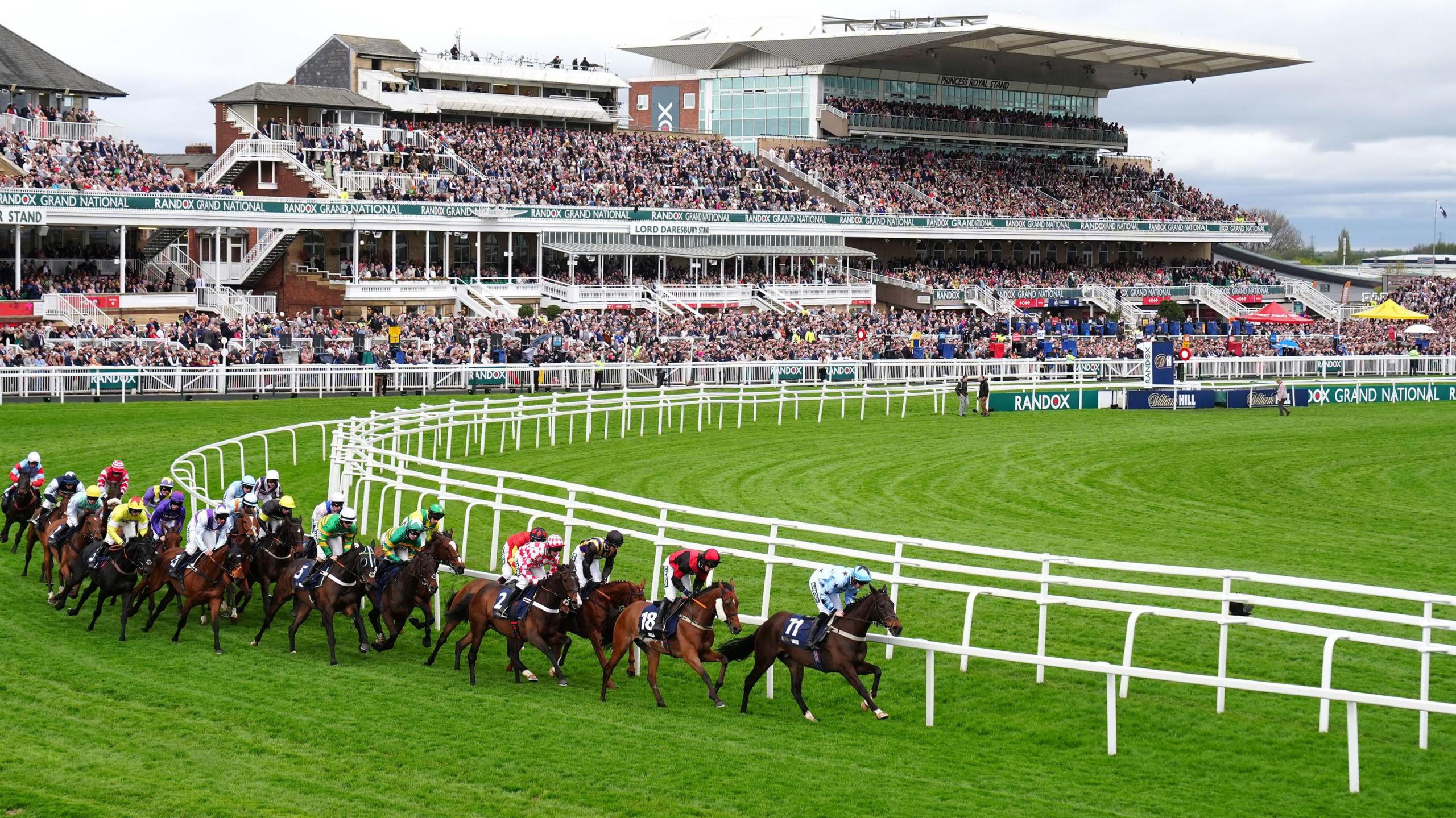
The shift from high-street betting shops to mobile-first platforms has transformed the race’s financial profile. Real-time data processing, “cash-out” features, and in-play betting have turned the event into a high-frequency trading environment. The technological infrastructure required to handle tens of thousands of transactions per second during the ten minutes leading up to the race is a feat of financial engineering.
Market Volatility and Risk Management
For the bookmaking industry, the Grand National is a high-volatility event. A victory for a heavily backed favorite can result in a massive payout that impacts quarterly earnings reports for publicly traded gambling firms. Conversely, a victory for an “outsider” (a horse with long odds) represents a significant profit margin for the house. Institutional risk managers within these firms spend months modeling probabilities to ensure that their “books” are balanced, attempting to mitigate the risk of a catastrophic financial loss should the market move against them.
Macro-Economic Impact: Tourism, Media, and Sponsorship
The financial footprint of the Grand National extends far beyond the gates of Aintree. It serves as a major catalyst for regional economic development and a flagship for UK media exports.
The Aintree Effect: Regional Economic Stimulation
The three-day Grand National Festival is a cornerstone of the Liverpool City Region’s economy. Analysis suggests the event contributes over £60 million to the local economy annually. This “Aintree Effect” manifests in several key sectors:
- Hospitality and Tourism: Hotels across the North West reach 100% occupancy, often at premium “surge” pricing.
- Retail and Fashion: The event is a significant driver for luxury retail, with millions spent on attire and accessories, particularly for the high-profile “Ladies Day.”
- Infrastructure and Employment: The festival supports thousands of temporary and permanent jobs, from catering and security to event management and logistics.
Media Rights and Global Brand Distribution
The Grand National is broadcast to over 140 countries, reaching an estimated 600 million viewers. The sale of these media rights is a sophisticated revenue stream managed by rights holders and racing authorities. For broadcasters, the race is “appointment viewing,” commanding high advertising premiums.
Sponsorship also plays a vital role. Title sponsors, such as Randox in recent years, pay millions for the association. This is not merely for brand awareness; it is a strategic B2B move. The Grand National provides a premier platform for corporate hospitality, where multi-million pound deals are often brokered in the luxury boxes overlooking the home straight. The “brand equity” of the Grand National allows it to command a premium that few other individual sporting events can match.
Risks, Sustainability, and the Future of Investment
As with any major financial asset, the Grand National must navigate evolving market sentiments and regulatory landscapes. The long-term sustainability of the race is now closely tied to ESG (Environmental, Social, and Governance) principles, which are increasingly influencing where corporate sponsors and institutional investors choose to put their money.
Navigating Corporate Social Responsibility (CSR)
In the modern financial world, the “social” element of ESG is critical. The Grand National has faced scrutiny regarding equine welfare, which presents a reputational risk to associated brands. In response, the Jockey Club (the owners of Aintree) has treated welfare as a capital investment project. Millions have been spent on modifying fences, improving irrigation systems, and enhancing veterinary facilities. From a business perspective, these are essential expenditures to protect the “license to operate” and ensure the event remains an attractive proposition for blue-chip sponsors.
The Shift Toward Syndication and Fractional Ownership
A significant trend in the financial structure of the Grand National is the rise of fractional ownership. Previously the domain of the ultra-wealthy, the “democratization” of horse ownership through syndicates allows smaller investors to own a “share” of a Grand National runner. This model has opened up a new stream of capital for the racing industry, diversifying the investor base and spreading the financial risk. It mirrors the trend in the broader investment world toward fractionalized assets, such as real estate or fine art, making the Grand National a more accessible financial participation sport.

Conclusion: A Masterclass in Sports Business
When asking “What is the Grand National?”, the answer varies depending on one’s perspective. To the fan, it is a spectacle of bravery and heritage. To the financier, it is a complex, multi-layered business entity that demonstrates the power of sports to drive economic value. Through its massive betting handle, its role in regional economic growth, and its status as a high-value asset class for owners, the Grand National remains one of the most significant financial events in the global sporting calendar. Its ability to adapt to modern financial pressures while maintaining its historical prestige ensures that it will continue to be a primary focus for investors, bookmakers, and corporate strategists for decades to come.
aViewFromTheCave is a participant in the Amazon Services LLC Associates Program, an affiliate advertising program designed to provide a means for sites to earn advertising fees by advertising and linking to Amazon.com. Amazon, the Amazon logo, AmazonSupply, and the AmazonSupply logo are trademarks of Amazon.com, Inc. or its affiliates. As an Amazon Associate we earn affiliate commissions from qualifying purchases.