
While the title “What is Heparin For?” might initially suggest a focus solely on medical applications, a deeper dive, considering the broader context of technology, branding, and finance, reveals intriguing connections. Heparin, a vital anticoagulant, doesn’t exist in a vacuum. Its development, production, dissemination, and the very understanding of its efficacy are intertwined with advancements in technology, the branding of pharmaceutical companies, and the economic realities of healthcare.
Heparin: The Body’s Natural Anticoagulant and Its Pharmaceutical Counterpart
At its core, heparin is a naturally occurring molecule in the human body. It’s a complex carbohydrate, specifically a glycosaminoglycan, that plays a crucial role in preventing blood clots. When blood flows smoothly, it rarely clots. However, in certain situations – be it injury, surgery, or medical conditions – the body’s clotting cascade can be triggered inappropriately, leading to potentially dangerous thrombi. Heparin acts as a potent accelerator for antithrombin III, a natural inhibitor of several clotting factors. This interaction effectively neutralizes the pro-clotting proteins, making the blood less likely to coagulate.
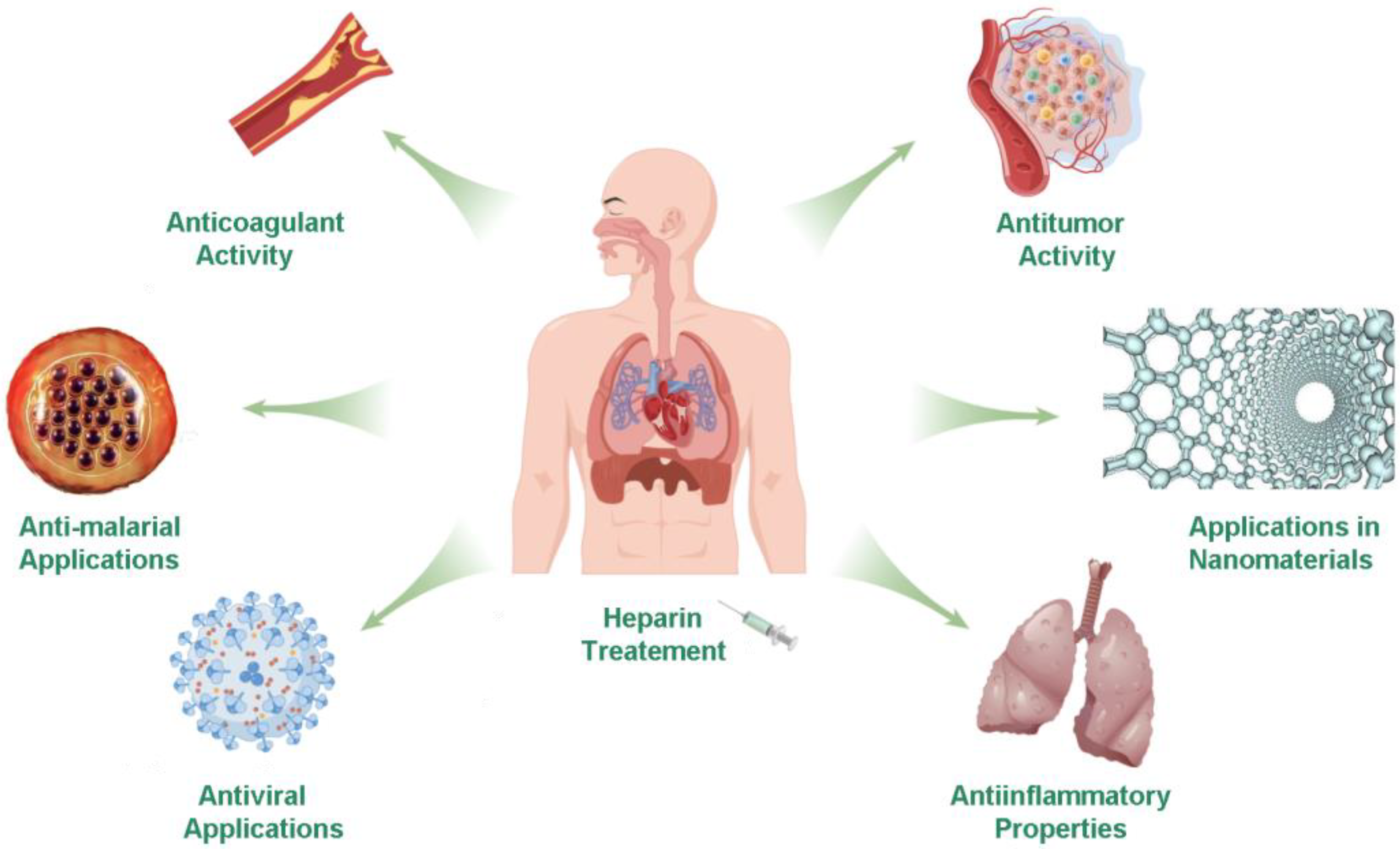
How Heparin Works: A Molecular Dance of Prevention
To understand “what is heparin for” in a medical context, we must appreciate its mechanism of action at a molecular level. Heparin binds to antithrombin III, causing a conformational change in the antithrombin molecule. This change significantly enhances antithrombin’s ability to bind to and inhibit key clotting factors, primarily thrombin and Factor Xa.
- Thrombin Inhibition: Thrombin is a critical enzyme in the coagulation cascade, responsible for converting fibrinogen into fibrin. Fibrin forms the meshwork of a blood clot. By inhibiting thrombin, heparin prevents the formation of this essential clot structure.
- Factor Xa Inhibition: Factor Xa is another pivotal enzyme in the coagulation cascade. Its inhibition by heparin-activated antithrombin III also effectively halts the cascade at an earlier stage, further preventing clot formation.
This potent anticoagulant effect is what makes heparin indispensable in a wide range of clinical scenarios.
Medical Applications: Where Heparin Becomes a Lifesaver
The primary “what is heparin for” question in medicine points to its critical role in preventing and treating thromboembolic diseases – conditions involving abnormal blood clots. These include:
- Deep Vein Thrombosis (DVT): Clots that form in deep veins, typically in the legs. If left untreated, DVTs can break off and travel to the lungs, causing a pulmonary embolism.
- Pulmonary Embolism (PE): A life-threatening condition where a blood clot travels to the lungs, blocking blood flow.
- Atrial Fibrillation (AFib): An irregular heartbeat that can lead to blood pooling in the heart’s upper chambers, increasing the risk of stroke.
- Heart Attack (Myocardial Infarction): Heparin is often administered during or immediately after a heart attack to prevent further clot formation and maintain blood flow to the heart muscle.
- Stroke (Ischemic): While some strokes are hemorrhagic, ischemic strokes are caused by blockages in blood vessels supplying the brain. Heparin can be used to prevent clot formation or expansion in certain types of ischemic stroke.
- During Surgery and Medical Procedures: Patients undergoing major surgery, especially orthopedic procedures like hip and knee replacements, are at increased risk of DVT. Heparin prophylaxis is commonly used to prevent these clots. It’s also used during procedures like angioplasty and dialysis to prevent clotting within the medical devices or blood vessels.
- Disseminated Intravascular Coagulation (DIC): A complex and severe condition where widespread clotting occurs throughout the body, paradoxically leading to bleeding due to the depletion of clotting factors. Heparin can be used in specific phases of DIC to control the abnormal clotting.
The versatility and efficacy of heparin in these diverse medical settings underscore its importance in modern medicine.
The Technological Landscape Behind Heparin
The journey of heparin from a biological molecule to a readily available pharmaceutical product is a testament to technological innovation across several domains.
From Animal Sources to Synthetic Advancements: The Evolution of Production
Historically, heparin was extracted from animal tissues, primarily the intestinal linings of pigs and cows. This process, while effective, presented challenges related to purity, batch consistency, and potential for contamination with infectious agents. The development of sophisticated purification and processing technologies was crucial to ensure the safety and efficacy of heparin derived from these natural sources.
Technological Innovations in Extraction and Purification:
- Chromatography Techniques: Advanced chromatographic methods, such as ion-exchange and size-exclusion chromatography, have been instrumental in isolating and purifying heparin from complex biological mixtures. These techniques allow for the separation of heparin based on its charge and molecular size, yielding a highly pure product.
- Quality Control and Analytics: The advent of sophisticated analytical tools, including High-Performance Liquid Chromatography (HPLC), mass spectrometry, and nuclear magnetic resonance (NMR) spectroscopy, has enabled stringent quality control measures. These technologies ensure the correct molecular structure, purity, and potency of each heparin batch, minimizing the risk of adverse reactions.
- Viral Inactivation Technologies: To mitigate the risk of viral transmission, pharmaceutical manufacturers have implemented robust viral inactivation and removal processes. These technologies, often involving heat treatment, filtration, or chemical inactivation, are critical for ensuring the safety of animal-derived heparin.
The Rise of Low Molecular Weight Heparins (LMWHs) and Synthetic Alternatives
While unfractionated heparin (UFH) remains vital, technological advancements have also led to the development of Low Molecular Weight Heparins (LMWHs). These are derived from UFH through controlled chemical or enzymatic depolymerization. LMWHs offer several advantages:
- More Predictable Pharmacokinetics: LMWHs have a more predictable anticoagulant response, allowing for less frequent dosing and often eliminating the need for routine laboratory monitoring.
- Lower Risk of Certain Side Effects: They tend to have a lower risk of heparin-induced thrombocytopenia (HIT), a serious immune-mediated complication.
The development of LMWHs involved significant technological leaps in controlled fragmentation and characterization of the resulting molecular species. Looking further, ongoing research in biotechnology and synthetic biology is exploring the possibility of producing heparin or heparin-like molecules through entirely synthetic or bioengineered pathways. This could offer even greater control over production, purity, and potentially reduce reliance on animal sources. AI tools are increasingly being employed in drug discovery and development, potentially accelerating the identification of novel anticoagulant mechanisms or improving the synthesis of existing ones.
Digitalization in Healthcare and Heparin Management

The digital transformation of healthcare also impacts heparin. Electronic health records (EHRs) and sophisticated medication management systems play a crucial role in ensuring the correct dosage and administration of heparin, reducing the risk of errors. Software solutions designed for drug management, dose calculation, and patient monitoring contribute to the safe and effective use of this potent medication. Data analytics and AI are also being used to identify patient populations at higher risk for thromboembolic events, allowing for more targeted and timely heparin prophylaxis.
Branding and Reputation: The Pharmaceutical Landscape of Heparin
The “what is heparin for” discussion extends to the realm of brand strategy and the pharmaceutical industry’s role. Heparin, whether unfractionated or in its LMWH forms, is a branded product. Pharmaceutical companies invest heavily in research, development, manufacturing, and marketing to bring these life-saving drugs to market.
The Brand Equity of Anticoagulants
For pharmaceutical companies, the brand of a heparin product is built on a foundation of scientific innovation, clinical trial data demonstrating efficacy and safety, and a reputation for reliability. This brand equity is crucial for physician trust and patient adherence.
- Building Trust Through Evidence: Rigorous clinical trials are the bedrock of any pharmaceutical brand. Demonstrating the effectiveness of a heparin product in preventing or treating serious conditions like DVT, PE, and stroke builds significant trust among healthcare professionals.
- The Role of Marketing and Education: Pharmaceutical companies engage in extensive marketing and educational initiatives to inform healthcare providers about the benefits and proper use of their heparin products. This includes medical conferences, publications, and direct engagement with physicians.
- Navigating Generics and Biosimilars: As patents expire, generic versions of unfractionated heparin and biosimilars of LMWHs emerge. This intensifies competition and often leads to a focus on brand differentiation through factors like formulation, delivery systems, or patient support programs. The branding of a generic often relies on perceived equivalence and competitive pricing, while biosimilar branding aims to establish a comparable level of trust to the reference product.
Corporate Identity and Ethical Considerations
The production and distribution of heparin also reflect on the corporate identity of pharmaceutical manufacturers. Companies are expected to adhere to stringent ethical standards, maintain transparency in their operations, and contribute to public health. Issues such as drug pricing, access to medication, and responsible marketing practices are under constant scrutiny and significantly shape a company’s reputation.
- Reputation Management in a High-Stakes Industry: A single adverse event or a perceived lapse in quality can severely damage a pharmaceutical brand’s reputation. Therefore, robust quality management systems and a commitment to patient safety are paramount for maintaining a positive brand image.
- Corporate Social Responsibility (CSR): Many pharmaceutical companies engage in CSR initiatives related to cardiovascular health and thrombosis awareness. These efforts, while potentially altruistic, also contribute to their brand image and reinforce their commitment to addressing significant health challenges.
The Financial Implications of Heparin
Finally, the question “what is heparin for” inevitably leads to discussions about money – the cost of development, production, distribution, and ultimately, the financial impact on patients and healthcare systems.
The Economics of Drug Development and Manufacturing
Developing and manufacturing heparin, particularly specialized LMWHs, is a costly endeavor. This involves:
- Research and Development (R&D): Significant investment is required for preclinical research, clinical trials, and regulatory submissions.
- Manufacturing Infrastructure: Setting up and maintaining sophisticated manufacturing facilities that meet strict regulatory standards (e.g., Good Manufacturing Practices or GMP) is expensive.
- Raw Material Sourcing: While heparin is derived from natural sources, securing a consistent and high-quality supply chain can also incur costs.
These expenses contribute to the price of heparin products. The economics of investing in pharmaceutical companies that produce essential medicines like heparin is a complex area, balancing the need for profitability with the societal imperative of access to healthcare.
Personal Finance and Healthcare Costs
For individuals, the cost of heparin can be a significant personal finance concern.
- Insurance Coverage and Co-pays: The extent to which health insurance covers heparin therapy and the associated co-pays can greatly influence its affordability for patients.
- Out-of-Pocket Expenses: For those without adequate insurance or facing chronic conditions requiring long-term heparin use, out-of-pocket expenses can be substantial. This is where understanding side hustles or exploring options for financial assistance programs might become relevant for some patients, highlighting the intersection of health and personal finance.
- The Cost of Complications: Conversely, the cost of not using heparin when indicated can be far greater. Treating extensive DVT, pulmonary embolism, or stroke carries immense financial burdens, both in terms of direct medical expenses and lost productivity. Therefore, investing in preventive measures like heparin, when medically appropriate, can be financially prudent in the long run for individuals and healthcare systems.
Business Finance and the Pharmaceutical Market
Within the business finance realm, heparin plays a significant role in the pharmaceutical market.
- Market Size and Competition: The global market for anticoagulants, including heparin and its derivatives, is substantial. Competition among manufacturers, both for branded and generic products, drives innovation and influences pricing strategies.
- Financial Tools and Strategies: Pharmaceutical companies employ various financial tools and strategies to manage their operations, pricing, and market share. This includes careful analysis of financial tools for cost management, revenue forecasting, and investment in future product development.
- The Impact of Healthcare Policy: Government policies related to drug pricing, patent protection, and healthcare reimbursement can significantly impact the financial landscape for heparin manufacturers and the accessibility of these medications for patients.

Conclusion: Heparin – A Nexus of Health, Technology, Brand, and Finance
In answering “what is heparin for,” we see a multifaceted story. It’s a life-saving anticoagulant crucial for preventing and treating a spectrum of serious medical conditions. Yet, its journey from a biological marvel to a therapeutic reality is deeply intertwined with advancements in technology, shaping its production and delivery. The branding of heparin products reflects the trust and reputation built by pharmaceutical innovators, navigating a competitive landscape. And the financial realities of its development, pricing, and accessibility underscore its impact on personal and global economies. Understanding heparin, therefore, requires a holistic view that acknowledges its profound medical importance alongside the technological, brand, and financial ecosystems that support its existence and application.
aViewFromTheCave is a participant in the Amazon Services LLC Associates Program, an affiliate advertising program designed to provide a means for sites to earn advertising fees by advertising and linking to Amazon.com. Amazon, the Amazon logo, AmazonSupply, and the AmazonSupply logo are trademarks of Amazon.com, Inc. or its affiliates. As an Amazon Associate we earn affiliate commissions from qualifying purchases.