
The burgeoning subgenre of technological horror has found a potent new champion in “Talk to Me,” a film that masterfully blends visceral scares with a chilling commentary on our increasingly digitized lives. While the supernatural elements are undeniable, the film’s true terror lies in its exploration of how technology, in its most insidious forms, can be weaponized to erode our sense of self and facilitate an invasion of our very being. This analysis will delve into the technological underpinnings of Riley’s tragic fate, examining how the film uses the concept of digital possession as a terrifying extension of our current anxieties surrounding connectivity, data, and the blurring lines between our online and offline realities.
The Ceramic Hand: A Gateway to Digital Possession
At the heart of “Talk to Me’s” horror is the enigmatic ceramic hand, a seemingly simple prop that acts as a conduit for something far more complex and dangerous: the ability to communicate with and, more disturbingly, be possessed by the spirits of the deceased. While presented as a supernatural artifact, the hand’s functionality can be interpreted through a technological lens, representing a crude but effective interface for transferring consciousness and information.
The Interface and the Uploaded Self
The ceramic hand functions as a physical interface, a tangible point of connection to an intangible realm. In a technological context, this mirrors the way we interact with digital systems – through keyboards, touchscreens, and voice commands. The act of saying “talk to me” and “I let you in” can be seen as a verbal command, a form of input that initiates a process. The spirits, eager to inhabit a physical form, are essentially seeking to “upload” themselves into a host, much like data being transferred to a new server or device. The hand, in this sense, acts as a highly primitive but effective modem or port, facilitating this transfer.
The Analogue vs. The Digital Echo
The film presents the spirits as echoes of their former selves, fragmented or altered by their disembodied existence. This can be likened to corrupted data or a degraded signal in a digital transmission. The experiences they recount, the emotions they express, are echoes of past lives, much like digital footprints left behind on the internet. When a spirit possesses a living host, it’s akin to a malicious program or a virus overwriting the existing operating system. The host’s memories, personality, and physical being become compromised, their digital identity, if you will, being overwritten by an external, corrupting force. The ceramic hand, by enabling this “upload,” bypasses all the natural firewalls and security protocols that protect our individual consciousness.
The Allure of the “Connected Experience”
The initial thrill of using the hand stems from a desire for connection, for experiencing something beyond the mundane. This mirrors our own contemporary obsession with staying connected, with the constant influx of information and social interaction that defines the digital age. The spirits offer a unique, albeit dangerous, form of “content” – raw, unfiltered glimpses into the afterlife. The characters, particularly Mia, are drawn to this curated experience, this escape from their own anxieties, much like individuals seeking solace or validation in the curated realities of social media or immersive gaming environments. The hand, therefore, becomes an extreme embodiment of the “always on” culture, offering an addictive, albeit destructive, form of engagement.
The Erosion of Digital Identity and the Fragility of Self
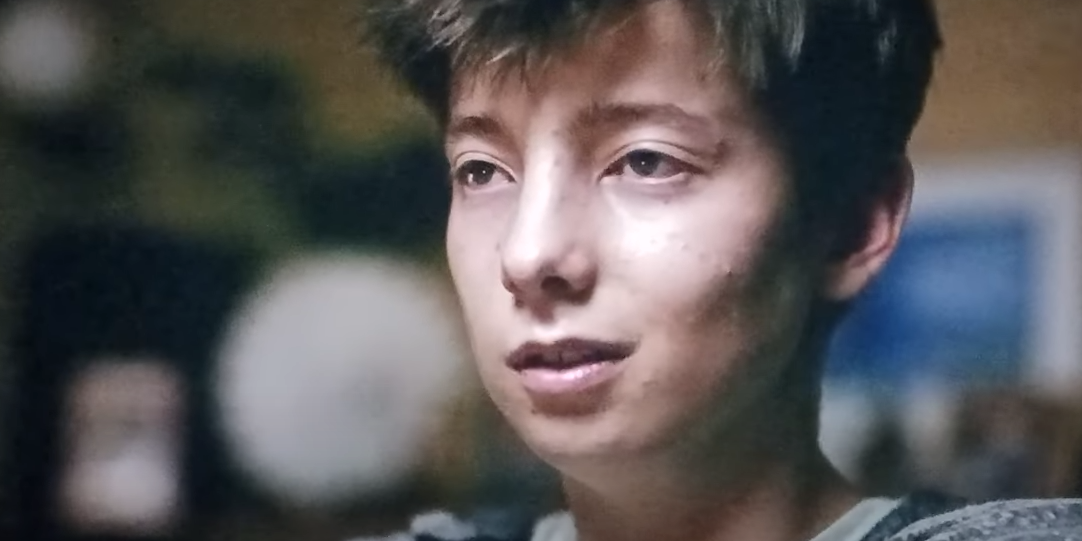
Riley’s descent into madness and eventual demise are a stark representation of the fragility of our digital identities and the ease with which they can be compromised. The film masterfully illustrates how the invasion of the self, facilitated by a technological conduit, can lead to the complete dissolution of who we are.
Ghosting and Digital Erasure

The term “ghosting” in the digital realm refers to the act of abruptly ending all communication with someone without explanation. In “Talk to Me,” this concept takes on a terrifying literalness. The spirits, once invited in, begin to “ghost” Riley’s own life. They subtly manipulate her thoughts, her actions, and her perception of reality. This mirrors how misinformation or intrusive advertising can subtly influence our decisions online, eroding our autonomy. The spirits are, in essence, performing a digital erasure of Riley, overwriting her true self with their own desires and anxieties. They are the ultimate hackers, not of bank accounts or personal data, but of the very essence of a person.
The Echo Chamber of the Mind
As Riley becomes increasingly possessed, her internal monologue becomes a cacophony of competing voices – her own, the spirits’, and the echoes of their past traumas. This can be understood as an extreme form of an echo chamber, where dissenting voices are silenced, and only the overwhelming noise of the intrusive entities remains. In the digital world, echo chambers are created by algorithms that feed us content that reinforces our existing beliefs, leading to a distorted perception of reality. Riley’s mind becomes a digital echo chamber of the supernatural, with the spirits dictating the narrative and drowning out her own thoughts and desires. The film suggests that when our internal dialogue is hijacked, our sense of self begins to unravel, just as a corrupted operating system can lead to system failure.
The Loss of Control and the Algorithmic Grip
The gradual loss of control Riley experiences is a chilling parallel to how users can become ensnared by addictive technologies. The more she uses the hand, the more reliant she becomes on the spirits for a sense of validation or escape. This mirrors how social media platforms can foster dependency, with users seeking likes and engagement to feel worthy. The spirits, like a sophisticated algorithm, learn Riley’s vulnerabilities and exploit them, offering temporary relief before demanding a higher price. The film warns that when we cede too much control to external forces, whether they be supernatural entities or algorithmic systems, we risk losing ourselves entirely, becoming mere puppets in a performance dictated by forces beyond our comprehension.
The Metaphorical Implications: Technology as a Portal to the Unseen
Beyond the literal interpretation of technological horror, “Talk to Me” serves as a profound metaphor for our increasingly complex relationship with technology and its potential to unlock both profound connection and unimaginable danger. The film taps into a collective anxiety about the unseen forces that shape our digital lives and the potential for these forces to exert undue influence.
The “Haunted” Internet and the Unforeseen Consequences
The internet, in its vastness and interconnectedness, can feel like a haunted space. We navigate through endless streams of data, interacting with entities – algorithms, bots, and anonymous users – whose true intentions are often opaque. The ceramic hand, in this regard, is a physical manifestation of this abstract digital realm. It’s a tool that allows us to peer into the unseen, but also to be consumed by it. The film suggests that our constant engagement with the digital world, our willingness to “let in” new information and connections, can have unforeseen and devastating consequences, just as Riley’s initial curiosity led to her destruction.
The Commodification of Experience and the Digital Soul
The spirits in “Talk to Me” are desperate for a physical experience, for a tangible existence. This can be seen as a reflection of how we, in the digital age, often commodify our experiences, reducing them to shareable moments and curated narratives. The film probes the idea of a “digital soul” – the sum of our online presence, our data, our digital interactions. What happens when this digital soul is invaded, manipulated, or even stolen? The film suggests that the lines between our physical and digital selves are becoming increasingly blurred, and the threats we face in one realm can have devastating repercussions in the other. The spirits’ desire to inhabit a living body is a terrifying extension of our own desire for a lasting digital legacy, a desire that could, in a twisted way, lead to our very undoing.

The Responsibility of the User and the Design of Digital Spaces
Ultimately, “Talk to Me” implores us to consider our role as users in the digital ecosystem. The film highlights the seductive nature of new technologies and the importance of critical engagement. Just as Riley and her friends made choices that led to their downfall, we too must be mindful of the platforms we engage with, the data we share, and the potential for manipulation. The film’s horror lies in its suggestion that the tools we create to connect and inform can also be used to isolate and destroy. It serves as a potent reminder that in our pursuit of the next technological frontier, we must not forget the fundamental human element and the profound responsibility that comes with wielding such powerful tools. The ceramic hand, a symbol of our fascination with the unknown and our insatiable desire for connection, becomes a chilling harbinger of the ultimate cost of unchecked technological engagement.
aViewFromTheCave is a participant in the Amazon Services LLC Associates Program, an affiliate advertising program designed to provide a means for sites to earn advertising fees by advertising and linking to Amazon.com. Amazon, the Amazon logo, AmazonSupply, and the AmazonSupply logo are trademarks of Amazon.com, Inc. or its affiliates. As an Amazon Associate we earn affiliate commissions from qualifying purchases.