
The global financial landscape is currently navigating a period of profound transformation, characterized by a complex interplay of shifting monetary policies, rapid technological disruption, and evolving macroeconomic indicators. For investors, the current state of the stock market can feel like a paradox: major indices frequently touch record highs even as underlying concerns about inflation, interest rate longevity, and geopolitical stability persist. Understanding what is happening to the stock market right now requires peeling back the layers of daily price fluctuations to examine the structural forces driving the capital markets.
The Macroeconomic Engine: Interest Rates and Inflation
At the heart of current market movements is the ongoing tug-of-war between inflationary pressures and the central bank policies designed to contain them. For the past several years, the Federal Reserve and its global counterparts have been the primary architects of market sentiment.
The “Higher for Longer” Narrative
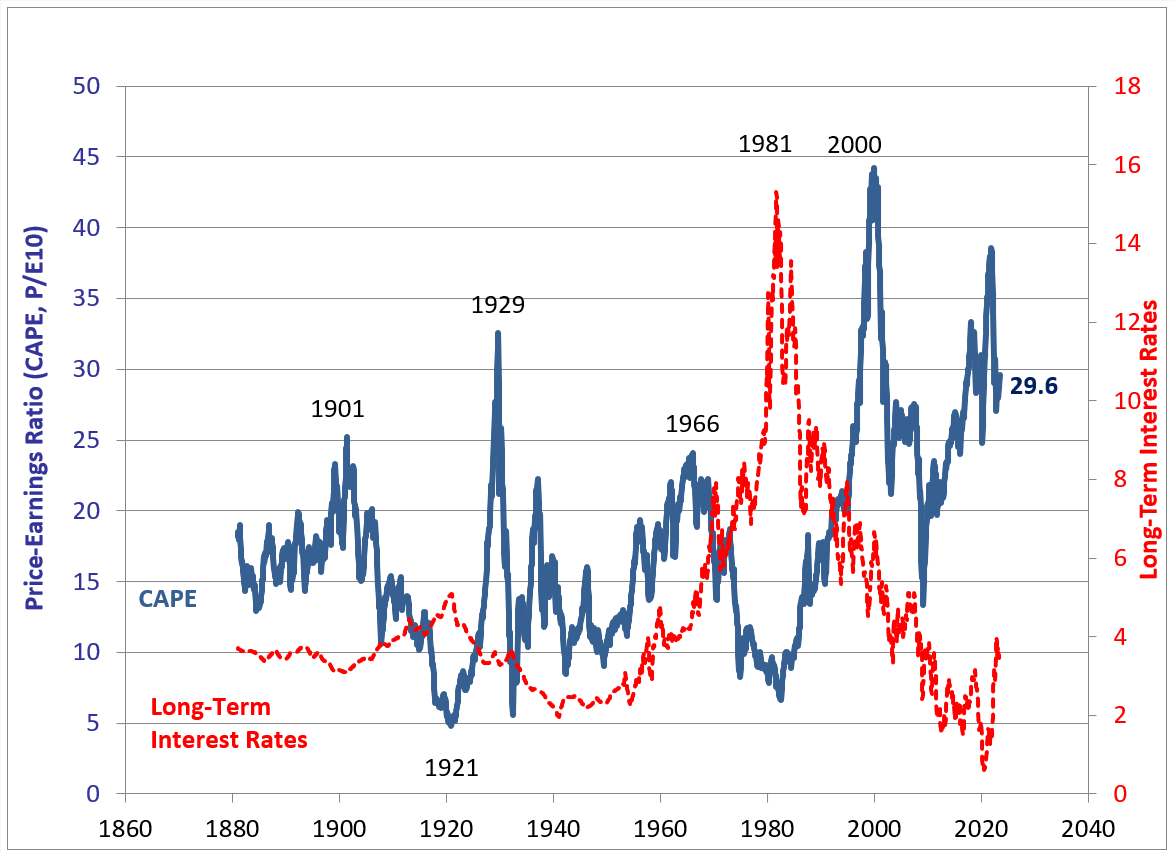
We have moved away from the era of “easy money” and zero-interest-rate policies (ZIRP). The current market is pricing in a reality where interest rates remain at elevated levels for a more extended period than previously anticipated. This shift has significant implications for equity valuations. When interest rates are high, the present value of future corporate earnings—the primary metric for valuing stocks—decreases. This is particularly impactful for growth-oriented sectors like technology, where much of the projected value lies in future years.
Inflationary Stickiness
While headline inflation has cooled significantly from its 2022 peaks, “core” inflation, which excludes volatile food and energy prices, remains stubborn in certain areas of the economy, particularly services and housing. The stock market reacts sensitively to every Consumer Price Index (CPI) report because these numbers dictate the Federal Reserve’s next move. Right now, the market is in a “wait and see” mode, looking for definitive evidence that inflation is returning to the 2% target before betting on aggressive rate cuts.
The Concentration of Gains: The AI Revolution and Big Tech
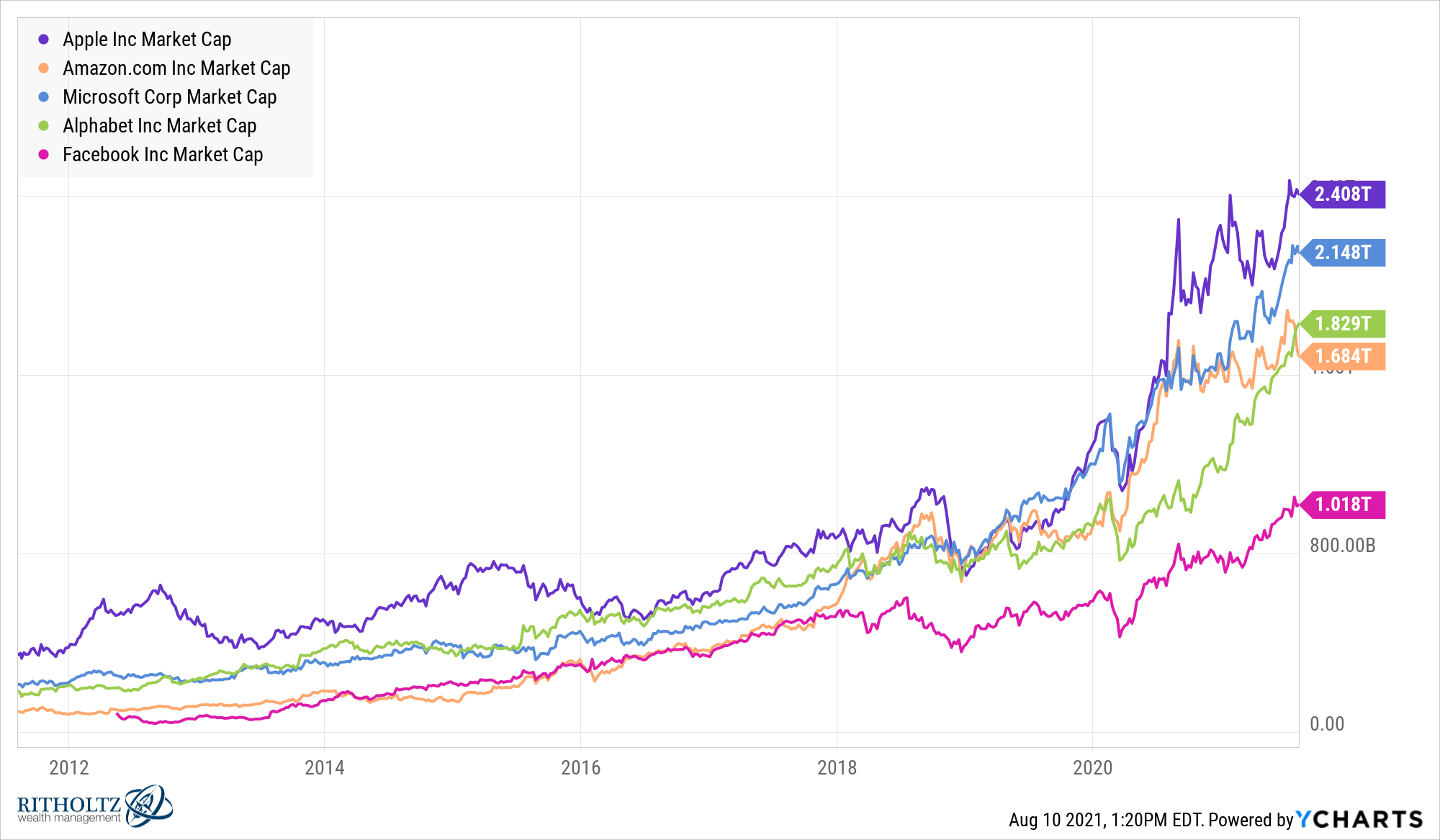
One of the most striking features of the current stock market is the extreme concentration of performance. A handful of mega-cap technology companies, often referred to as the “Magnificent Seven,” have historically accounted for a disproportionate share of the S&P 500’s gains.
The Artificial Intelligence Catalyst
The primary driver behind this concentration is the explosion of generative Artificial Intelligence (AI). Investors are pouring capital into companies that provide the infrastructure for AI, such as semiconductor manufacturers and cloud computing giants. This is not merely speculative hype; it is backed by significant capital expenditure from the world’s largest corporations. The market is currently rewarding companies that can demonstrate a clear path to monetizing AI, while penalizing those perceived to be falling behind in the technological arms race.
Valuation Gaps Between Tech and the Rest of the Market
This enthusiasm has created a notable divergence. While the tech-heavy indices have soared, many other sectors—such as small-cap stocks, regional banks, and traditional manufacturing—have seen more muted growth. This “K-shaped” recovery within the stock market highlights a transition where capital is being reallocated toward high-efficiency, high-margin digital businesses, often at the expense of traditional industry.
Sector Rotations and Defensive Posturing
Despite the dominance of technology, recent weeks have shown signs of a broadening market. Smart money is beginning to rotate into sectors that were previously overlooked, seeking value and safety as the economic cycle matures.
The Resurgence of Value and Dividends
As the broader market reaches high valuation multiples, some investors are pivoting toward “Value” stocks. These are companies with strong cash flows, low price-to-earnings ratios, and reliable dividend payouts. Sectors like energy, healthcare, and consumer staples are gaining traction as defensive plays. If the economy faces a slowdown, these sectors tend to be more resilient than high-growth tech stocks, providing a cushion for diversified portfolios.
Fixed Income as a Competitor to Equities
For over a decade, the “TINA” (There Is No Alternative) acronym governed investing; with interest rates at zero, investors were forced into stocks to find returns. That has changed. With Treasury yields and high-yield savings accounts offering 4% to 5% returns with minimal risk, the stock market now faces stiff competition for every dollar. This has created a “ceiling” on equity prices, as some institutional investors opt for the safety of bonds over the volatility of the stock market.
Investor Psychology: Navigating Volatility and Sentiment
The current market is as much a psychological phenomenon as it is a financial one. Investor sentiment has been swinging between extreme optimism regarding technological breakthroughs and deep-seated fears of a looming recession.
The Role of Retail Investors and Options Trading
The rise of zero-commission trading and the democratization of financial information have changed the market’s DNA. Retail participation remains at historic highs, and the explosive growth of short-dated options (0DTE – Zero Days to Expiration) has increased intraday volatility. These tools allow for massive leverage, which can turn minor news into significant market swings, creating a “noisy” environment for long-term investors.
Fear of Missing Out (FOMO) vs. Risk Mitigation
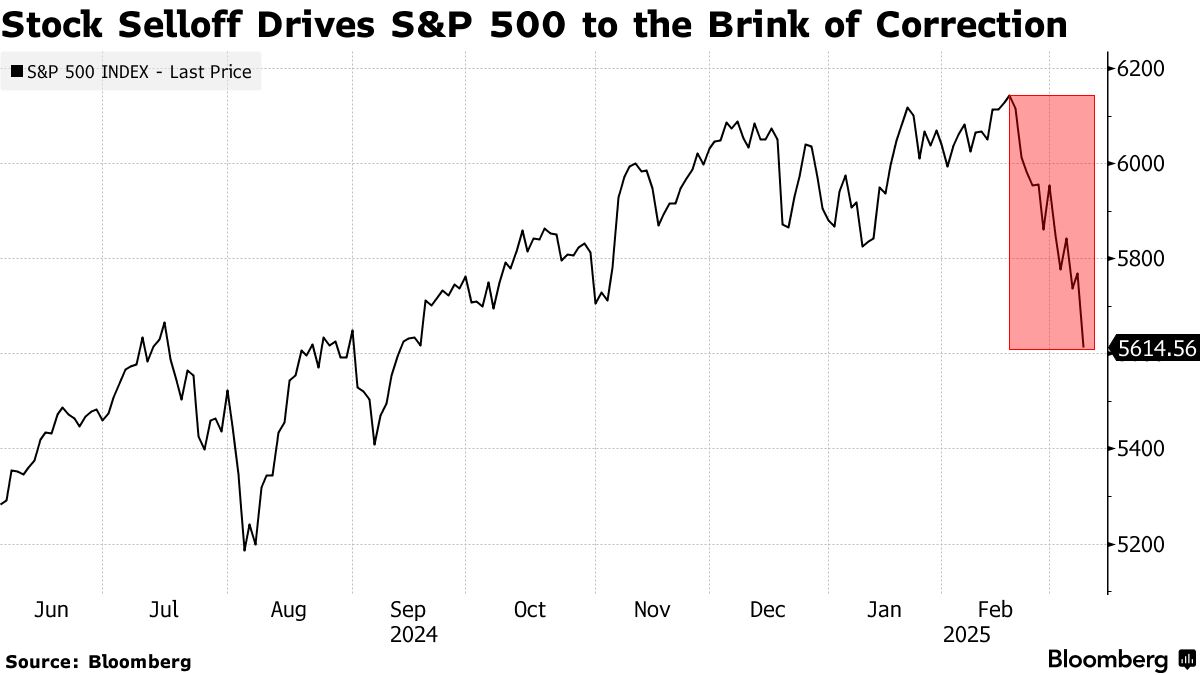
We are seeing a unique environment where many investors feel a sense of FOMO regarding the AI boom, leading them to buy at record highs, while simultaneously holding high levels of cash out of fear of a market correction. This internal conflict is reflected in the VIX (Volatility Index), which remains sensitive to geopolitical developments and shifts in labor market data.
Looking Ahead: What to Watch For
As we move through the current fiscal year, several key factors will determine whether the stock market continues its upward trajectory or enters a period of consolidation.
Corporate Earnings and Margins
The “hopium” phase of the market—where prices rise on expectations—is transition into the “show me” phase. Companies must now deliver earnings growth that justifies their current valuations. Investors will be closely watching corporate margins; in an environment of higher labor costs and interest expenses, the ability to maintain profitability is the ultimate sign of a company’s health.
Labor Market Signals
The Federal Reserve has made it clear that the labor market is a primary indicator for their policy decisions. A “soft landing”—where inflation reaches 2% without a spike in unemployment—is the ideal scenario for the stock market. Any signs of significant cracks in employment could trigger fears of a recession, while a labor market that remains too “hot” could force the Fed to keep rates high, pressuring equity prices.
Geopolitical and Election Cycles
Global stability remains a wildcard. Fluctuations in energy prices due to international conflicts can reignite inflation overnight. Furthermore, as we enter major election cycles in several of the world’s largest economies, the prospect of changes in fiscal policy, taxation, and trade regulations adds another layer of uncertainty to the market’s long-term outlook.
Strategic Takeaways for the Current Market
Navigating the stock market right now requires a departure from the “set it and forget it” mentality of the 2010s. The current environment favors a more nuanced approach to wealth management and personal finance.
-
Diversification Beyond the S&P 500: Given the high concentration in a few tech giants, investors are looking toward international markets, small-caps, and alternative assets to ensure their portfolios aren’t overly dependent on a single sector.
-
Emphasis on Quality: In a high-interest-rate world, companies with high debt loads are vulnerable. The market is currently rewarding “quality” companies—those with low debt, high cash reserves, and strong pricing power.
-
Long-Term Horizon: Despite the daily noise of financial news and the rapid shifts in AI technology, the fundamental principle of investing remains: time in the market beats timing the market. For those with a multi-year or multi-decade horizon, the current volatility often represents a collection of entry points rather than a reason to exit.
The stock market right now is a reflection of a world in transition. It is caught between the legacy of the post-pandemic recovery and the frontier of a new technological era. While the risks are real—ranging from persistent inflation to geopolitical tension—the underlying current of innovation and corporate resilience continues to provide a foundation for long-term growth. For the informed investor, the key is to stay disciplined, maintain a diversified stance, and focus on the fundamental economic drivers rather than the temporary fluctuations of the ticker tape.
aViewFromTheCave is a participant in the Amazon Services LLC Associates Program, an affiliate advertising program designed to provide a means for sites to earn advertising fees by advertising and linking to Amazon.com. Amazon, the Amazon logo, AmazonSupply, and the AmazonSupply logo are trademarks of Amazon.com, Inc. or its affiliates. As an Amazon Associate we earn affiliate commissions from qualifying purchases.