
In the intricate world of finance, where transactions traverse digital highways at lightning speed, certain identifiers are paramount to ensuring money reaches its intended destination. Among these, the routing number stands as a cornerstone of the American banking system. For individuals and businesses alike, understanding what a routing number is, when to use it, and how to find it is not just beneficial—it’s essential for seamless financial operations. This guide will demystify routing numbers, offering a clear, insightful, and practical roadmap to navigate their use confidently.
Understanding the Core: What is a Routing Number?
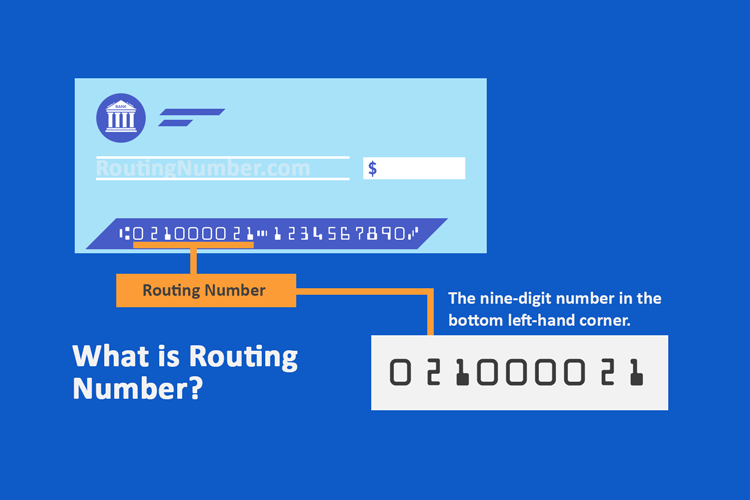
At its heart, a routing number, also known as an ABA (American Bankers Association) routing transit number, is a nine-digit code that identifies the financial institution originating or receiving a payment. It acts like an address for your bank, directing funds to the correct place within the vast network of U.S. financial institutions. Established in 1910 by the ABA, these numbers were initially designed to facilitate the sorting and delivery of paper checks. Today, their role has expanded dramatically, becoming indispensable for electronic fund transfers.

The Anatomy of a Routing Number: ABA Transit Numbers
Every nine-digit routing number is structured to convey specific information, though this is primarily for institutional use. The first four digits identify the Federal Reserve routing symbol, indicating which Federal Reserve Bank processing center the bank uses. The next four digits identify the financial institution itself. Finally, the ninth digit is a checksum digit, used to validate the entire number and prevent errors during processing. This systematic structure ensures accuracy and minimizes misdirection of funds.
Why They Matter: Key Functions in Financial Transactions
Routing numbers are not merely archaic banking relics; they are critical for almost all electronic financial transactions in the U.S. Their primary function is to direct funds between different banks, acting as the intermediary identifier that links your account number to your specific financial institution. Without an accurate routing number, electronic transfers would be impossible, leading to a breakdown in the modern financial system.
Differentiating from Other Identifiers: Account Numbers and SWIFT/BIC
It’s crucial not to confuse your routing number with other financial identifiers. Your account number is unique to your specific account within your bank (e.g., checking, savings). While your routing number identifies the bank, your account number identifies your specific bucket of money within that bank. Both are necessary for most transactions.
For international transfers, you’ll encounter SWIFT/BIC codes. A SWIFT (Society for Worldwide Interbank Financial Telecommunication) or BIC (Bank Identifier Code) is an international standard for identifying banks globally. While similar in purpose to routing numbers, they are used for cross-border transactions, whereas routing numbers are typically for domestic U.S. transfers. A single bank might have one routing number for domestic transfers and a different SWIFT code for international ones.
Navigating Common Scenarios: When and Where You Need Your Routing Number
Knowing what a routing number is just the first step; understanding when and where you’ll use it is equally important. From receiving your paycheck to paying bills, your routing number is a silent workhorse behind many of your daily financial activities.
Direct Deposit Setup: Ensuring Your Paycheck Arrives
One of the most common uses for a routing number is setting up direct deposit for your paycheck or government benefits. When you start a new job or want to switch how you receive payments, your employer will typically request your bank’s routing number along with your account number. This information allows them to electronically transfer your earnings directly into your chosen bank account, bypassing paper checks and ensuring timely access to your funds. The same applies to social security benefits, tax refunds, or other recurring payments.
Bill Pay and Automated Payments: Seamless Financial Management
Many people opt for automated bill payments for utilities, loan installments, or credit card bills. When setting up these payments, especially if they’re initiated directly from your bank account (rather than using a debit card), you’ll often need to provide your routing number and account number to the service provider. This enables them to “pull” funds from your bank account on scheduled dates, simplifying your financial management and reducing the risk of late payments.
Wire Transfers: Domestic vs. International Considerations
For sending or receiving funds quickly, particularly for large sums, wire transfers are a common method. For domestic wire transfers within the U.S., your bank’s routing number is essential. The sending bank uses this number to identify the receiving bank and ensure the funds are routed correctly. However, for international wire transfers, you will typically need the recipient’s bank’s SWIFT/BIC code, not their U.S. routing number. It’s crucial to distinguish between these two scenarios to avoid delays or misdirected funds.
Electronic Fund Transfers (EFTs) and ACH Transactions
The Automated Clearing House (ACH) network is the electronic funds transfer system that facilitates a vast array of common transactions, including direct deposits, direct debits (like bill payments), and person-to-person payments through services like Zelle (though Zelle primarily uses debit card information, some underlying transactions might leverage ACH). Any transaction processed through the ACH network relies heavily on accurate routing numbers to ensure funds are debited from and credited to the correct accounts at the correct financial institutions. This broad category covers most everyday electronic transfers within the U.S. banking system.
Finding Your Routing Number: Practical Steps
While routing numbers are vital, they aren’t always explicitly displayed in large print. Fortunately, there are several reliable and straightforward methods to locate the correct routing number for your bank account.
Checking Your Checks: The Bottom Line

For most checking accounts, your routing number is conveniently printed on the bottom of your checks. It’s almost always the first set of nine digits on the left, followed by your account number, and then the check number. It’s important to note that some banks might have different routing numbers for specific purposes (e.g., wires vs. ACH), but the one on your check is almost always the standard ACH routing number you’ll need for direct deposits and bill payments.
Online Banking and Mobile Apps: Digital Access
In today’s digital age, your online banking portal or mobile app is an excellent resource. After logging in, navigate to your account details or profile section. Most banks prominently display your routing number alongside your account number. Some apps even have a dedicated section for “Account Information” or “Direct Deposit Info” where you can find this detail readily. This is often the quickest and most convenient method.
Contacting Your Bank Directly: When All Else Fails
If you can’t find your routing number through checks or online banking, or if you want to confirm it for a specific transaction (like an incoming wire transfer), don’t hesitate to contact your bank directly. You can call their customer service line or visit a local branch. A representative will be able to provide you with the correct routing number for your specific account and transaction type. Be prepared to verify your identity for security reasons.
Special Cases: Multi-Branch Banks and Online-Only Institutions
It’s worth noting that some larger banks with a national presence might have different routing numbers for different regions or even specific types of transactions. While less common now, historically, a bank might have had a routing number tied to the state where the account was opened. Always verify the routing number specific to your account, not just a generic one for the bank. For online-only banks, they will also have routing numbers, which will be accessible through their online platform or by contacting their customer support. They function identically to traditional bank routing numbers for electronic transfers.
Ensuring Accuracy and Security: Best Practices
Using the correct routing number is paramount; a small error can lead to significant headaches. Furthermore, like all financial information, your routing number should be handled with care to protect your financial security.
Double-Checking for Errors: The Cost of Mistakes
An incorrect routing number can cause a transaction to be delayed, rejected, or, in the worst-case scenario, sent to the wrong recipient. If funds are sent to an invalid routing number, they will usually bounce back to the sender, though this can take several business days. If they are sent to a valid but incorrect routing number (i.e., another actual bank account), recovering the funds can be a complex and lengthy process involving your bank and the recipient bank. Always double-check the routing number before confirming any transaction, especially for significant sums or recurring payments.
Protecting Your Information: When and How to Share
While your routing number is less sensitive than your account number or Social Security number, it’s still part of your financial identity. You should only share it with trusted entities that legitimately require it for transactions, such as your employer for direct deposit, reputable billers for automated payments, or financial institutions for transfers. Be wary of unsolicited requests for your routing number, especially from unfamiliar sources, as this could be a phishing attempt. When sharing, use secure methods, such as encrypted online forms provided by your bank or employer, rather than unsecured email or text messages.
What to Do if You Use the Wrong Routing Number
If you discover you’ve used an incorrect routing number, act quickly.
-
Contact your bank immediately: Explain the situation and provide all transaction details.
-
Contact the sender/recipient (if applicable): If you initiated the transfer, inform the recipient that funds might be delayed. If you’re expecting funds, inform the sender.
-
Monitor your account: Keep an eye on your account statements for the transaction to either be rejected or, in rare cases, mistakenly processed.
While your bank will do its best to assist, recovering funds sent to an incorrect but valid account can sometimes be challenging, emphasizing the importance of accuracy from the outset.
Beyond the Basics: Advanced Routing Number Insights
While primarily practical, routing numbers also have a fascinating history and regulatory context that underpins their current function. A deeper dive reveals their significance within the broader financial ecosystem.
State-Specific Routing Numbers: A Relic of the Past?
Historically, it was common for banks to have different routing numbers based on the state or region where an account was opened. This was particularly true for large, multi-state banks. While this practice still exists for some institutions, the trend is towards consolidation, with many large banks now using a single, nationwide routing number for most common transactions, regardless of where the account originated. However, it’s always prudent to confirm the correct routing number specific to your account, as regional variations can still exist for certain services, like wire transfers.
The Role of the Federal Reserve in Routing Number Assignment
The American Bankers Association (ABA) is responsible for assigning routing numbers, but the Federal Reserve plays a crucial role in the processing of transactions that utilize these numbers. The routing number’s structure itself reflects its connection to the Federal Reserve’s twelve districts and processing centers. The Federal Reserve’s ACH network facilitates the electronic movement of money between banks, and routing numbers are the lynchpin that allows this system to function efficiently and accurately.
Future of Financial Identifiers: Are Routing Numbers Here to Stay?
In an era of rapid technological advancement, with concepts like blockchain and instant payment systems gaining traction, one might wonder about the longevity of the traditional routing number. While new payment methods and identifiers might emerge, the routing number remains deeply embedded in the U.S. banking infrastructure. For the foreseeable future, it will continue to be the standard identifier for domestic electronic fund transfers. Any systemic change would require massive overhauls and standardization across thousands of financial institutions, making its replacement a distant prospect. Instead, it’s more likely that routing numbers will continue to evolve alongside new technologies, perhaps becoming more seamlessly integrated into user-friendly interfaces, but retaining their fundamental role in directing financial flows.
Understanding your routing number isn’t just about avoiding errors; it’s about empowering yourself with knowledge of how your money moves within the financial system. By familiarizing yourself with these essential banking identifiers, you gain greater control and confidence in managing your personal and business finances.
aViewFromTheCave is a participant in the Amazon Services LLC Associates Program, an affiliate advertising program designed to provide a means for sites to earn advertising fees by advertising and linking to Amazon.com. Amazon, the Amazon logo, AmazonSupply, and the AmazonSupply logo are trademarks of Amazon.com, Inc. or its affiliates. As an Amazon Associate we earn affiliate commissions from qualifying purchases.