
The trajectory of a global brand is often defined by its physical assets. In the cruise industry, where the product is both the service and the vessel, the age of a ship is more than a chronological fact—it is a metric of brand relevance, market positioning, and capital strategy. When asking “how old is the Carnival Vista,” we are essentially inquiring into the current state of Carnival Cruise Line’s middle-market brand strategy.
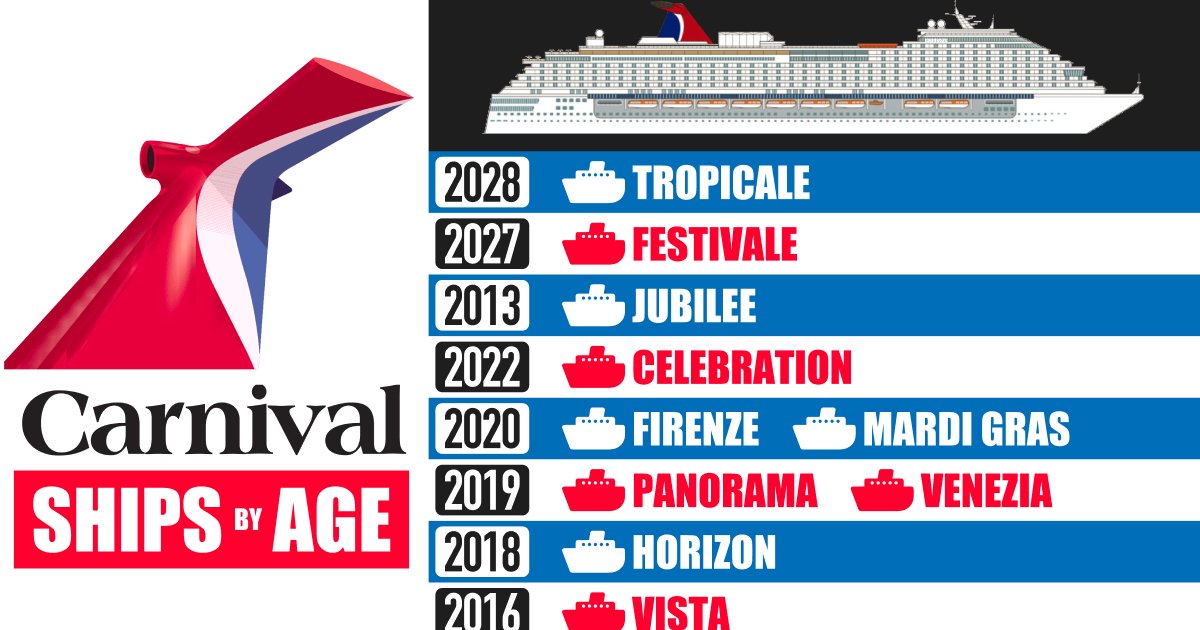
Launched in 2016, the Carnival Vista is currently eight years into its operational lifecycle. In the world of maritime branding, this is a pivotal age. It represents the transition from a “new flagship” to a “proven workhorse,” marking a period where the brand must balance its legacy identity with the rapidly evolving expectations of a modern, tech-savvy consumer base.
The Strategic Launch of 2016: A Brand Pivot
To understand the age of the Carnival Vista, one must first understand the market conditions of the mid-2010s. For decades, Carnival Cruise Line had built a brand identity around “The Fun Ships”—a vibrant, high-energy, and often neon-soaked aesthetic defined by architect Joe Farcus. However, as the 2010s progressed, consumer tastes shifted toward a more sophisticated, “resort-style” experience.
Defining the Vista-Class Identity
When the Carnival Vista debuted in May 2016, it was not merely the addition of a new hull to the fleet; it was a rebranding exercise. As the lead ship of the Vista-class, it introduced a significant departure from the brand’s traditional interior design language. The ship favored a more neutral palette, increased use of natural light, and a focus on outdoor-indoor integration. This shift was a calculated move to broaden the brand’s appeal, moving away from the “budget” perception and toward a “value-driven premium” identity.
Shifting Consumer Perceptions through Design
The Vista was the first ship in the fleet to feature the Havana Bar and Pool—a secluded, themed area that provided a boutique, “ship-within-a-ship” brand experience. By introducing exclusive zones, Carnival began segmenting its own audience, a classic brand strategy used to increase per-passenger spend while maintaining a mass-market entry point. At eight years old, the Vista’s design still serves as the bridge between the old-school “Fantasy-class” roots and the ultra-modern “Excel-class” (Mardi Gras and Celebration) future.
Managing Brand Relevance in a Competitive Market
The cruise industry is characterized by aggressive “new-build” cycles. With competitors like Royal Caribbean and Norwegian Cruise Line constantly launching larger, more amenity-heavy vessels, an eight-year-old ship faces the risk of brand fatigue. Carnival’s strategy for the Vista has been one of continuous reinvestment to ensure the vessel’s identity remains synonymous with the brand’s current standards.
The 2016 Milestone: A New Era for Carnival
At its launch, the Carnival Vista was the largest ship ever built for the line, weighing in at 133,500 gross tons. This size was a brand statement, signaling that Carnival was ready to compete on scale without sacrificing the intimacy of its mid-sized vessels. It introduced industry-firsts like the SkyRide and the first IMAX Theater at sea. These features were not just amenities; they were marketing “hooks” designed to dominate social media conversations and reposition Carnival as an innovator in family entertainment.
Maintaining the ‘Fun Ship’ Promise Across a Decade
The challenge of an aging brand asset is maintenance. As the Vista moves through its first decade, the brand has had to work diligently to prevent “wear and tear” from eroding the guest experience. In the cruise sector, a brand’s reputation is only as strong as its oldest active ship. By keeping the Vista’s offerings—such as Guy’s Burger Joint and the BlueIguana Cantina—consistent with its newer ships, Carnival ensures brand continuity across the entire fleet, regardless of the vessel’s age.
The Lifecycle of a Maritime Brand Asset: Refurbishment and Evolution
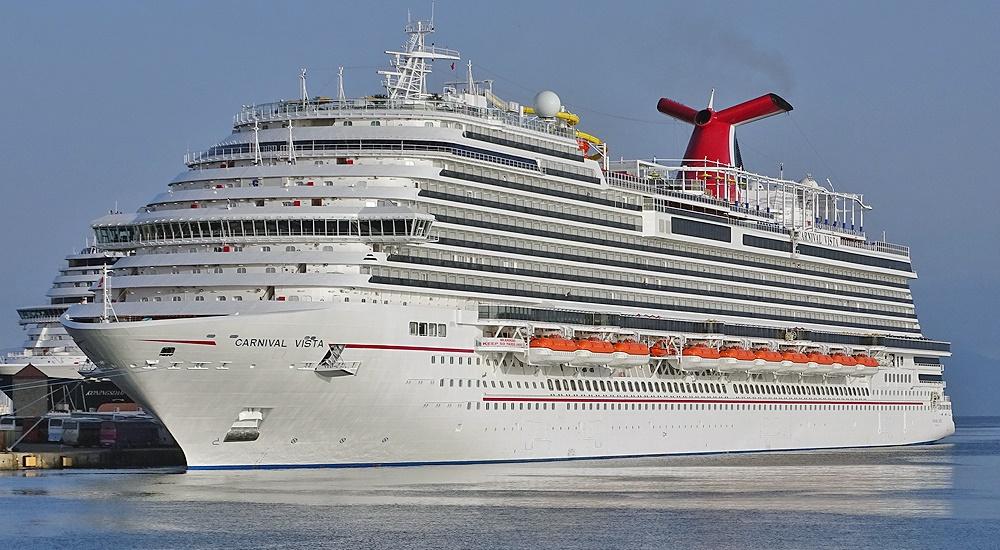
In 2024, the Carnival Vista underwent a significant dry dock refurbishment. This is a critical phase in the lifecycle of any brand asset. After eight years of constant operation, the physical environment requires more than just a fresh coat of paint; it requires a brand “refresh” to align with the company’s current visual identity.
Planned Obsolescence vs. Strategic Refurbishment
One of the most notable changes during the 2024 dry dock was the application of the new red, white, and blue hull livery. This visual update is a textbook example of brand alignment. First introduced on the Mardi Gras in 2021, this livery is now being rolled out across the fleet to create a unified corporate identity. Even though the Vista is nearly a decade old, its exterior now mirrors the newest ships in the fleet, effectively masking its age and reinforcing a sense of modern reliability.
Digital Integration and the Modern Guest Experience
The age of a ship is often felt most in its technology. A brand that prides itself on “seamless fun” cannot afford to have lagging Wi-Fi or outdated point-of-sale systems. During its recent updates, the Carnival Vista saw enhancements to its digital infrastructure to better support the Carnival HUB App. This integration is essential for modern branding; it moves the brand experience from a passive one (looking at a paper schedule) to an active, personalized journey. By updating the “tech stack” of an eight-year-old ship, Carnival extends the asset’s relevance in a digital-first economy.
Brand Scaling: From One Vessel to a Class Portfolio
The success of the Carnival Vista’s branding was so profound that it spawned a class of its own. The “Vista-class” now includes the Carnival Horizon (2018) and the Carnival Panorama (2019), as well as ships for sister brands like Costa Cruises and Adora Cruises.
The Halo Effect of the Vista Name
In brand management, a “halo effect” occurs when the success of one product boosts the perception of an entire line. The Vista proved that Carnival could successfully operate a larger, more complex vessel while maintaining high guest satisfaction scores. This allowed the brand to scale the design, reducing per-unit marketing costs because the “Vista” name had already established a positive reputation in the marketplace.
Market Segmentation and Geographic Branding
The age and features of the Vista have also allowed Carnival to use it as a tool for geographic brand expansion. By moving Vista-class ships between different homeports—from Miami to Galveston and beyond—the company can introduce “new” brand standards to different regional markets. The Vista’s current age makes it a perfect candidate for these high-volume “drive-to” markets, where it can offer a modern experience to repeat cruisers who may not have traveled to see the newest Excel-class ships.
Future-Proofing the Fleet: What the Vista’s Age Says About Modern Cruising
As the Carnival Vista approaches its tenth anniversary in 2026, it enters the “mature” phase of its brand lifecycle. This phase is less about making headlines with “first-at-sea” features and more about delivering a consistent, high-quality brand promise that drives loyalty and repeat business.
Sustainability as a Brand Pillar
In the current corporate climate, a brand’s age is also scrutinized through the lens of environmental impact. Older ships are often seen as less efficient. To combat this, Carnival has invested in technical upgrades for the Vista to improve fuel efficiency and waste management. From a brand perspective, being “green” is no longer optional. The ability of an eight-year-old ship to meet modern sustainability standards is a key component of Carnival’s “Planet C” corporate social responsibility strategy.

The Long-Term Value of Brand Heritage
Ultimately, the Carnival Vista at eight years old represents the “sweet spot” of maritime branding. It is modern enough to offer all the amenities the contemporary traveler demands, yet it has been in service long enough to have built a dedicated following. In the world of brand strategy, this is known as “heritage building.” The stories told by millions of guests who have sailed on the Vista since 2016 contribute to a collective brand narrative that no new ship can immediately replicate.
In conclusion, “how old is the Carnival Vista” is a question that reveals the sophisticated interplay between physical assets and corporate identity. At eight years of age, the Vista is a testament to Carnival’s ability to evolve its brand without alienating its core audience. Through strategic design shifts, continuous digital integration, and timely physical refurbishments, the Vista continues to serve as a flagship for a brand that understands that age is not a liability—it is an opportunity for reinvention. As it sails toward its second decade, the Carnival Vista remains a vital, modernized, and highly profitable component of the Carnival brand ecosystem.
aViewFromTheCave is a participant in the Amazon Services LLC Associates Program, an affiliate advertising program designed to provide a means for sites to earn advertising fees by advertising and linking to Amazon.com. Amazon, the Amazon logo, AmazonSupply, and the AmazonSupply logo are trademarks of Amazon.com, Inc. or its affiliates. As an Amazon Associate we earn affiliate commissions from qualifying purchases.