
The stock market is a dynamic, complex ecosystem, perpetually reacting to a myriad of forces ranging from global macroeconomic shifts to individual company performance and investor sentiment. For many, it represents both a perplexing enigma and an unparalleled opportunity for wealth creation. Understanding “what is happening in the stock market” requires a multifaceted perspective, delving into the underlying trends, key drivers, and the psychological currents that often dictate its unpredictable movements.
In recent times, market participants have navigated a landscape characterized by elevated volatility, evolving economic narratives, and transformative technological advancements. This period has seen traditional market wisdom challenged, while new paradigms emerge, forcing investors to adapt their strategies and redefine their understanding of risk and reward. From inflation scares to interest rate hikes, geopolitical tensions to technological breakthroughs, the threads woven into the fabric of today’s stock market are intricate and interconnected, demanding a thoughtful and informed approach from anyone seeking to understand or engage with it.
Understanding Current Market Dynamics
The stock market is rarely static. It exists in a constant state of flux, oscillating between periods of rapid growth and sharp contractions. These movements are not arbitrary; they are the cumulative result of millions of decisions made by investors, businesses, and policymakers worldwide. To grasp the current pulse of the market, it’s essential to look beyond daily headlines and identify the broader, more persistent forces at play.
Volatility and Uncertainty
Volatility has become a defining characteristic of modern markets. While sharp daily swings might capture media attention, true volatility reflects the inherent uncertainty about future economic conditions, corporate earnings, and geopolitical stability. Factors such as persistent inflation, ongoing supply chain disruptions, and the unpredictable nature of international relations contribute significantly to this unease. Investors are grappling with an environment where traditional economic indicators are often contradictory, making it harder to predict future trends. This uncertainty manifests as wider price fluctuations, increased trading volumes during periods of stress, and a heightened sensitivity to news cycles. For many, this has meant re-evaluating their risk tolerance and adjusting their portfolio allocations to withstand potential shocks. The VIX index, often called the “fear gauge,” frequently reflects this sentiment, spiking during periods of market stress and receding during calmer times.
Bull vs. Bear Tendencies
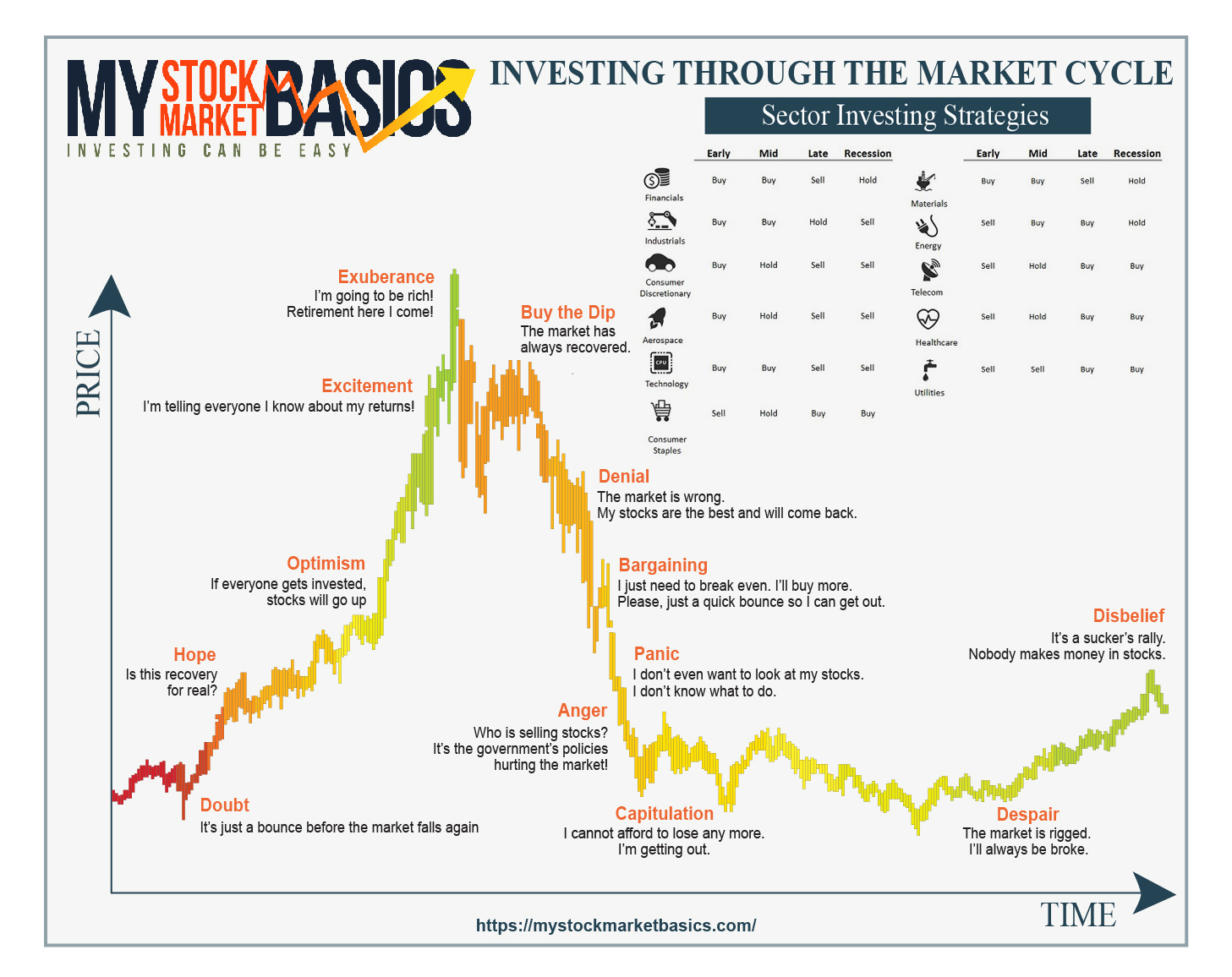
The stock market is broadly defined by two opposing forces: the bulls and the bears. A “bull market” is characterized by rising stock prices, investor optimism, and economic growth, often indicating confidence in future earnings and the overall economy. Conversely, a “bear market” is marked by falling stock prices, widespread pessimism, and often precedes or accompanies an economic recession. Currently, the market exhibits a fascinating interplay between these tendencies. While some sectors show robust growth and innovation (bullish signs), others struggle under economic pressures and rising costs (bearish indicators). This creates a bifurcated market where certain segments thrive while others lag, making a broad generalization challenging. Understanding whether the prevailing sentiment leans bullish or bearish within specific sectors or the market as a whole is crucial for strategic positioning. It’s not uncommon to see a “rolling bear market” where different sectors experience downturns at different times, masking the true underlying weakness or strength of the broader index.
The Role of Earnings Reports
Corporate earnings reports are the lifeblood of stock market performance. These quarterly disclosures provide a snapshot of a company’s financial health, detailing its revenues, profits, and future outlook. Strong earnings, particularly those that beat analyst expectations, can send a company’s stock soaring, signaling robust business operations and potential for future growth. Conversely, disappointing earnings or a pessimistic outlook can trigger significant sell-offs. In the current environment, earnings reports are scrutinized more than ever, especially for signs of inflationary pressures impacting profit margins, consumer demand shifts, or supply chain resilience. The aggregate performance of thousands of companies across various sectors ultimately dictates the trajectory of major market indices like the S&P 500 or NASDAQ. Investors often look not just at past performance, but more critically at forward guidance provided by management, as this offers insight into future profitability and growth prospects amidst changing economic conditions.
Key Macroeconomic Influencers
Beyond individual company performance, the stock market is profoundly influenced by overarching macroeconomic factors. These broad economic trends and policy decisions create the fundamental backdrop against which all companies operate, shaping their costs, revenues, and growth potential.
Inflation and Interest Rates
Perhaps no two factors have dominated financial headlines more than inflation and interest rates in recent times. Persistent, elevated inflation erodes purchasing power, increases the cost of doing business, and ultimately weighs on corporate profits. Central banks, in their bid to tame inflation, typically raise interest rates. Higher interest rates make borrowing more expensive for businesses, potentially curbing expansion plans, and can also reduce consumer spending as mortgages and other loans become pricier. Furthermore, higher interest rates make bonds more attractive relative to stocks, as they offer a “risk-free” return that competes with equity investments. This can lead to a rotation of capital out of stocks and into fixed-income securities, especially for growth stocks whose valuations are often predicated on future earnings discounted at a higher rate. The delicate balance between controlling inflation and avoiding a recession is a tightrope walk for policymakers, and every decision sends ripples through the stock market.
Geopolitical Tensions
The interconnectedness of the global economy means that geopolitical events, even those seemingly distant, can have immediate and far-reaching effects on stock markets. Conflicts, trade disputes, energy crises, and political instability in key regions can disrupt supply chains, impact commodity prices, shift investment flows, and introduce significant uncertainty. For example, conflicts can drive up oil prices, affecting transportation costs for virtually every industry. Trade disputes can lead to tariffs, making goods more expensive and impacting corporate profitability for import/export-reliant businesses. Geopolitical risks often prompt a “flight to safety,” where investors move capital into traditionally safer assets like government bonds or gold, temporarily pulling funds out of equities. These events complicate economic forecasts and necessitate a constant reassessment of risk exposures within portfolios.
Economic Growth and Recession Fears
The health of the broader economy is a fundamental driver of corporate earnings and, by extension, stock market performance. Robust economic growth generally translates to higher consumer spending, increased business investment, and greater employment, all of which contribute to stronger corporate profits. Conversely, fears of an economic recession—a significant decline in economic activity—can trigger widespread sell-offs. A recession means reduced consumer demand, potential job losses, and tighter credit, all of which severely dampen corporate outlooks. Indicators like GDP growth, unemployment rates, manufacturing data, and consumer confidence indices are closely watched by investors for clues about the economy’s trajectory. The ongoing debate about whether a “soft landing” (inflation receding without a recession) or a “hard landing” (recession required to control inflation) is more likely profoundly impacts investor confidence and market direction.
Sectoral Performance and Trends
While macroeconomic factors set the overall tone, the stock market is not a monolith. Different sectors respond uniquely to economic conditions, technological advancements, and consumer preferences. Understanding these sectoral nuances is key to grasping the full picture of what’s happening.
Tech Sector Resilience and Revaluation

The technology sector, often a market leader, has experienced a fascinating period of both boom and revaluation. During the pandemic, tech companies benefited immensely from increased digital adoption, remote work, and e-commerce. However, as interest rates rose, the high-growth, often unprofitable segments of tech became less attractive due to their future earnings being discounted more heavily. This led to a significant correction in many “growth stocks.” Despite this, established tech giants with strong cash flows and innovative products have shown remarkable resilience, continuing to drive market gains. Areas like artificial intelligence (AI), cloud computing, and cybersecurity remain significant growth engines, attracting substantial investment and promising future innovation. The sector is now more discerning, with investors prioritizing profitability and sustainable growth over speculative ventures.
Energy and Commodity Markets
The energy sector, often considered cyclical, has seen a resurgence due to geopolitical events and increased demand post-pandemic. High oil and gas prices have bolstered the profits of energy companies, making them attractive investments during periods of inflation. Similarly, broader commodity markets—including metals, agricultural products, and industrial materials—have experienced significant price swings driven by supply chain issues, global demand, and geopolitical factors. These markets are highly sensitive to global economic activity and can act as leading indicators for inflation or economic slowdowns. Investors often look to these sectors as hedges against inflation or as plays on global growth.
Consumer Staples and Discretionary
The consumer sectors provide a clear window into household economic health. Consumer staples companies, which produce essential goods like food, beverages, and household products, tend to be more resilient during economic downturns because demand remains relatively stable. In contrast, consumer discretionary companies, offering non-essential goods and services like luxury items, travel, and entertainment, are highly sensitive to economic cycles. When consumers feel confident about their financial future, discretionary spending rises, boosting these companies. When economic uncertainty looms, consumers tighten their belts, impacting discretionary sales. The current environment has seen consumers facing higher living costs, leading to shifts in spending patterns that significantly affect these two distinct yet intertwined sectors.
Investor Sentiment and Strategies
The “animal spirits” of investors, their collective mood and actions, play an undeniable role in market movements. Beyond fundamentals and economics, human psychology can amplify trends, create bubbles, and trigger panics.
Retail vs. Institutional Behavior
The stock market is powered by two main types of investors: institutional and retail. Institutional investors, such as pension funds, hedge funds, and mutual funds, manage vast sums of money and often employ sophisticated research and trading strategies. Their decisions can move large swaths of the market. Retail investors, individual traders, have seen their influence grow significantly, particularly with the advent of commission-free trading platforms and social media. Their collective actions, sometimes driven by speculative trends or “meme stock” phenomena, can create localized volatility and impact specific company valuations. Understanding the differing motivations and strategies of these groups is vital for dissecting market movements, as institutional money tends to be more long-term and value-driven, while retail often chases momentum.
The Rise of Passive Investing
Passive investing, primarily through exchange-traded funds (ETFs) and index funds that track broad market indices, has continued its meteoric rise. This strategy focuses on achieving market returns by mirroring the performance of an entire index rather than attempting to pick individual winning stocks. The continuous flow of capital into passive funds means that even poorly performing companies within an index can see their stock prices buoyed, and conversely, robust companies might not get the individual recognition they deserve. This trend has significant implications for market efficiency and how capital is allocated across the economy, potentially leading to less active price discovery for individual securities but offering diversification and lower costs for investors.
Diversification and Risk Management
In a volatile and uncertain market, the principles of diversification and robust risk management are more critical than ever. Diversification involves spreading investments across different asset classes (stocks, bonds, real estate), industries, and geographies to mitigate the impact of poor performance in any single area. Risk management entails understanding an investor’s tolerance for loss, setting clear investment goals, and employing strategies like dollar-cost averaging to smooth out market entry points. The recent market environment has underscored the importance of not putting “all eggs in one basket” and having a clear strategy to protect capital during downturns while still participating in growth opportunities.
Navigating the Future Stock Market
Predicting the stock market’s future with certainty is an impossible task. However, by understanding the forces at play and adopting a forward-looking perspective, investors can position themselves more effectively for the challenges and opportunities ahead. The market will undoubtedly continue to evolve, driven by innovation, shifts in global power, and changing economic paradigms.
Adapting to Change
The only constant in the stock market is change. Successful investors are those who can adapt their strategies to prevailing conditions without abandoning their core financial principles. This means staying informed about macroeconomic developments, understanding technological shifts, and critically evaluating company fundamentals. Flexibility in portfolio construction, a willingness to re-evaluate assumptions, and a proactive approach to risk management will be paramount. Whether it’s adjusting to new inflation regimes or integrating the implications of climate change into investment decisions, adaptability is the key to long-term success.
Long-Term vs. Short-Term Perspectives
Amidst daily market fluctuations and sensational headlines, it’s easy to lose sight of long-term investment goals. While short-term trading can offer excitement, compounding returns over decades remains the most reliable path to wealth accumulation for most investors. Focusing on the long-term involves investing in quality companies with strong fundamentals, a durable competitive advantage, and a clear growth trajectory, irrespective of short-term market noise. Historical data consistently shows that despite numerous recessions and crises, the stock market has trended upwards over extended periods, rewarding patience and a disciplined, long-term approach.

The Importance of Financial Literacy
In an increasingly complex financial world, financial literacy is no longer a luxury but a necessity. Understanding the basics of investing, personal finance, economic indicators, and risk management empowers individuals to make informed decisions, avoid costly mistakes, and take control of their financial future. Education about different investment vehicles, the impact of fees, and the power of compound interest can significantly enhance an investor’s ability to navigate the stock market effectively. As financial markets become more democratized, the onus is on individuals to equip themselves with the knowledge required to participate wisely and responsibly.
The stock market today is a reflection of global interconnectedness, rapid technological advancement, and persistent economic challenges. It is a powerful engine of wealth creation and economic growth, yet it demands respect, discipline, and continuous learning. By understanding its multifaceted dynamics, investors can approach it not as a casino, but as a complex system where informed decisions, strategic planning, and a long-term perspective can lead to significant financial success.
aViewFromTheCave is a participant in the Amazon Services LLC Associates Program, an affiliate advertising program designed to provide a means for sites to earn advertising fees by advertising and linking to Amazon.com. Amazon, the Amazon logo, AmazonSupply, and the AmazonSupply logo are trademarks of Amazon.com, Inc. or its affiliates. As an Amazon Associate we earn affiliate commissions from qualifying purchases.