
In the contemporary automotive landscape, the phrase “getting a car tuned” has shifted from the realm of mechanical adjustments—like turning screws on a carburetor—to a sophisticated world of software engineering, data analysis, and digital interface management. Today, a car is essentially a high-powered computer on wheels, governed by millions of lines of code that dictate everything from fuel injection timing to the responsiveness of the electronic throttle. When seeking a venue to enhance a vehicle’s performance, the modern enthusiast is no longer looking for a mechanic with a wrench; they are looking for a technician with a laptop, a high-speed data connection, and specialized calibration software.
Finding the right place to get a car tuned requires an understanding of the technology involved. Whether you are looking for a brick-and-mortar performance center, a remote cloud-based solution, or a DIY software suite, the process is centered on the Engine Control Unit (ECU). This article explores the various technological avenues available for automotive tuning and how to choose the right environment for your digital performance needs.
Professional Performance Centers: The Hub of High-Tech Calibration
For many, the first destination in the search for a car tune is a professional performance shop equipped with a chassis dynamometer (dyno). These facilities represent the “Silicon Valley” of the automotive world, combining high-end hardware with specialized software to extract maximum efficiency and power from a vehicle’s powertrain.
Dyno Tuning and Real-Time Data Acquisition
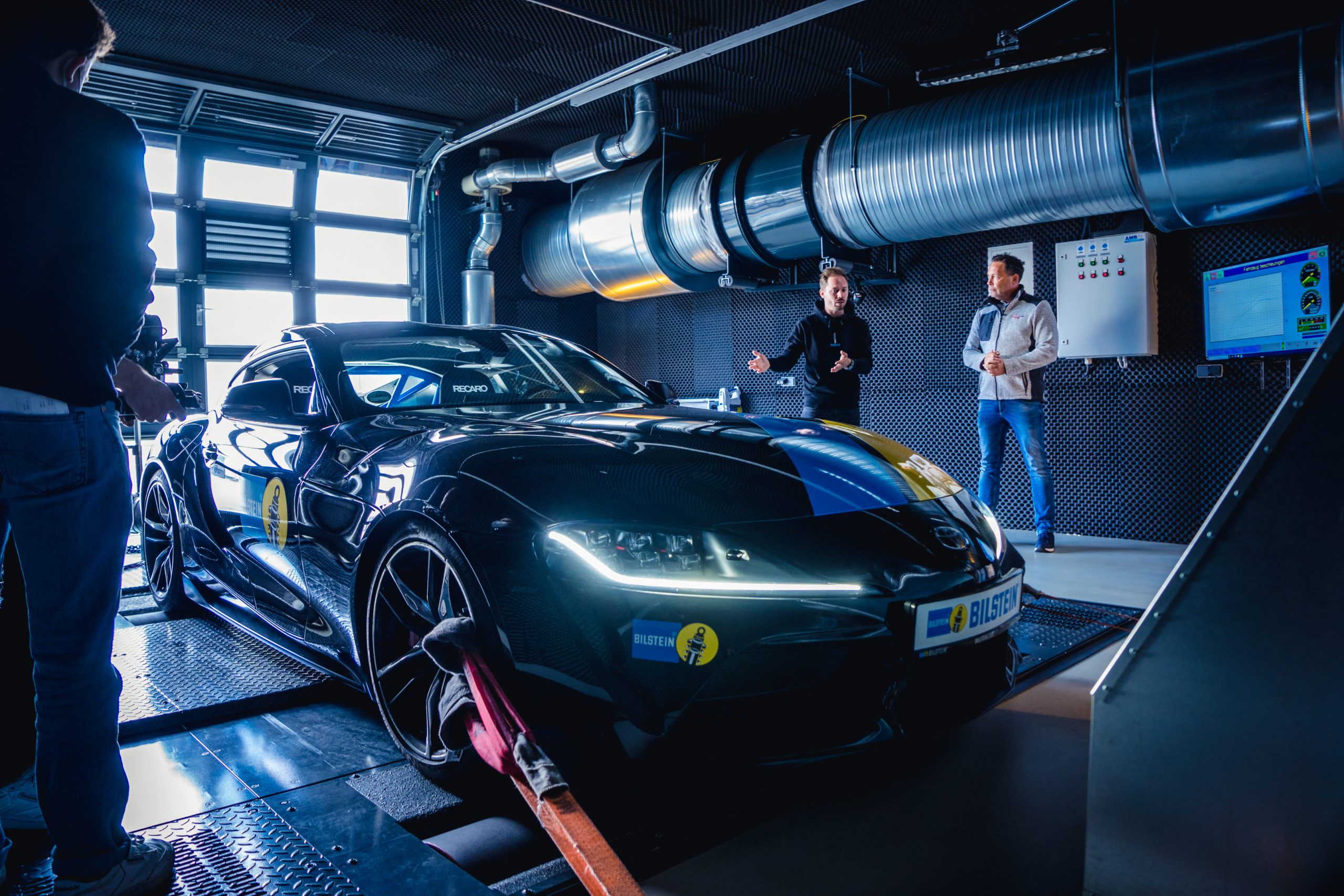
A professional tuning center offers the advantage of a controlled environment. The dynamometer acts as a treadmill for the car, allowing the technician to run the vehicle at various speeds and loads while remaining stationary. The true value here, however, lies in the data acquisition systems. High-speed sensors connect to the vehicle’s CAN bus (Controller Area Network) to monitor parameters such as Air-Fuel Ratio (AFR), knock sensor activity, boost pressure, and exhaust gas temperatures in real-time.
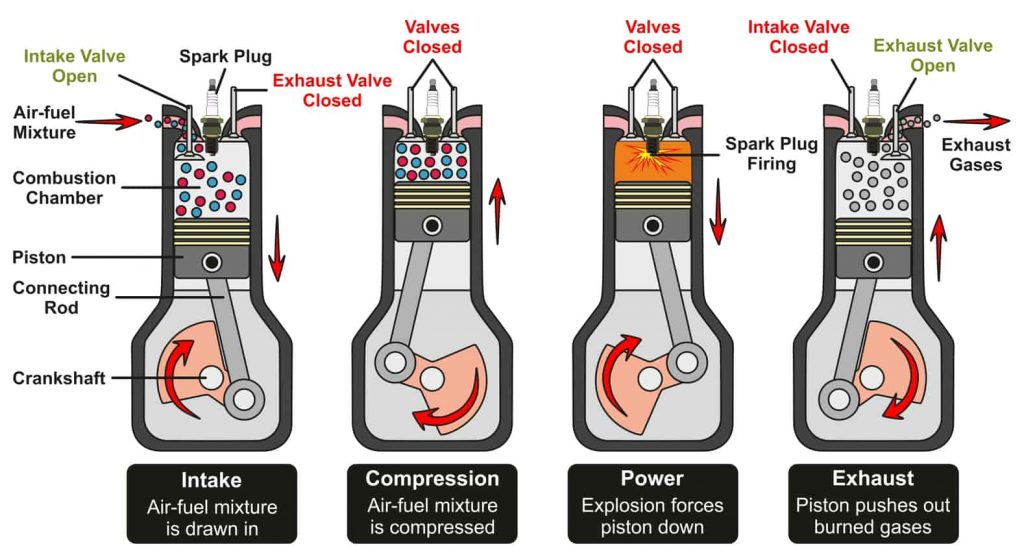
Professional tuners use software interfaces like MoTeC, Haltech, or HP Tuners to modify the “maps” or look-up tables within the ECU. These tables are essentially three-dimensional grids that tell the engine how much fuel to spray and when to fire the spark plug based on RPM and engine load. By observing the live data on a secondary monitor while the car is on the dyno, the tuner can make incremental adjustments to the code, ensuring that the software is perfectly optimized for the specific hardware configuration of that individual vehicle.
Custom Remapping vs. Off-the-Shelf Software
When you visit a high-end shop, you often have the choice between a “custom remap” and an “Off-the-Shelf” (OTS) tune. Custom remapping involves a software engineer writing a unique calibration script specifically for your car’s digital profile. This is the gold standard of tuning technology, as it accounts for minor variances in sensor calibration and local fuel quality. OTS tunes, conversely, are pre-packaged software updates developed by major tuning firms for specific makes and models. While less personalized, OTS tunes are rigorously tested “alpha” versions of software that provide a reliable performance boost with a simple “plug-and-play” installation process.
The Rise of Remote and Mobile Tuning Applications
As internet speeds have increased and cloud computing has become ubiquitous, the physical location of your “tuner” has become less relevant. Remote tuning, or “e-tuning,” has revolutionized the industry, allowing car owners to access world-class software engineers from their own driveways.
Handheld Flash Devices and Cloud-Based Maps
Companies like Cobb Tuning and Burger Motorsports have pioneered handheld hardware interfaces that connect directly to a car’s OBD-II port. These devices act as a bridge between the car’s internal computer and the manufacturer’s cloud servers. When you purchase a device like the Cobb Accessport, you are essentially buying a mobile software delivery system.
The process is remarkably tech-centric: the user connects the device to the car, “marries” the hardware to the ECU’s serial number, and downloads a new performance firmware directly from an online library. This eliminates the need for a physical shop entirely. If a custom adjustment is needed, the user can record a “data log”—a digital recording of the car’s sensor outputs—and email that file to a professional tuner anywhere in the world. The tuner then modifies the software file and sends it back, which the user flashes onto the ECU via the handheld device.
Phone-Based Apps and Bluetooth Interfaces
The latest evolution in remote tuning is the shift toward smartphone integration. Using a high-speed Bluetooth or Wi-Fi OBD-II dongle, drivers can now tune their cars using iOS or Android applications. Apps such as Bootmod3 or MHD Flasher have become incredibly popular in the European car community.
These apps offer a sophisticated user interface (UI) that allows owners to toggle performance features such as “exhaust burble,” speed limiter removal, and octane-specific maps with a few taps on a touchscreen. This transition to mobile app-based tuning reflects the broader tech trend of decentralization; the “shop” is no longer a building, but an application stored in the cloud and accessed via a smartphone.
DIY Tuning Software and the Open-Source Community
For those who view their vehicle as a complex computing project, the “where” of car tuning is often a personal laptop and a garage. The DIY tuning scene has grown significantly thanks to the availability of professional-grade software suites and open-source projects.
Professional-Grade Software Suites
Platforms like HP Tuners (VCM Suite) provide enthusiasts with the same tools used by professional calibration engineers. This software allows deep access to the ECU’s architecture, enabling the user to modify hundreds of parameters that are typically locked by the manufacturer. Using a Windows-based laptop and a proprietary interface cable, a user can rewrite the engine’s operating logic. This requires a steep learning curve in digital engine management, involving an understanding of volumetric efficiency (VE) modeling, spark advance curves, and closed-loop fuel control logic.
Navigating the Open-Source and Security Landscape
In some automotive communities, particularly those surrounding brands like Subaru or Mitsubishi, open-source software like EcuFlash and RomRaider is the standard. This represents a collaborative tech effort where developers reverse-engineer factory ECU code and share “definitions”—XML files that map out where specific tables are located in the binary code.
However, modern automotive technology has introduced significant hurdles in the form of digital security. Many newer vehicles (specifically those manufactured after 2020) feature “locked” ECUs with sophisticated encryption and digital signatures. Tuning these vehicles often requires “bench unlocking,” where the computer is physically removed from the car and connected to a specialized hardware interface to bypass the manufacturer’s security protocols. This intersection of cybersecurity and performance tuning is one of the most dynamic areas of the industry today.
The Future of Tuning: AI, Electric Vehicles, and Over-the-Air Updates
As the automotive industry pivots toward electrification and software-defined vehicles (SDVs), the concept of where and how to get a car tuned is undergoing another radical shift.
Predictive Tuning through Machine Learning
The next frontier of performance software involves Artificial Intelligence (AI) and Machine Learning (ML). Some emerging tuning platforms are beginning to use ML algorithms to analyze thousands of data logs from similar vehicle configurations. Instead of a human tuner guessing the optimal ignition timing, an AI can process the data to predict the most efficient “map” based on historical performance and atmospheric conditions. This “automated calibration” could eventually lead to self-tuning ECUs that optimize themselves in real-time as the driver moves through different environments.
Tuning in the Age of EVs and Firmware Security
Electric Vehicles (EVs) present a different challenge for the tuning world. In an EV, there are no fuel maps or ignition curves. Instead, tuning is focused on inverter frequency, battery thermal management, and torque vectoring algorithms.
Manufacturers like Tesla have already mainstreamed the concept of “Over-the-Air” (OTA) performance updates, where a customer can pay for a software “Acceleration Boost” that is delivered via the car’s cellular connection. This has shifted the “tuning shop” into the manufacturer’s own ecosystem. For independent tuners, the challenge is now one of software “jailbreaking”—finding ways to access the motor controller software to increase current draw and power output without triggering manufacturer-imposed software locks.
Conclusion: Choosing Your Digital Performance Path
When asking “where can I get my car tuned,” the answer depends entirely on your comfort level with technology and your performance goals. If you value a bespoke, data-driven optimization, a professional performance center with a chassis dyno is the premier choice. If you prefer the convenience of the digital age, remote cloud-based platforms and smartphone apps offer a level of accessibility that was unimaginable a decade ago. For the true tech enthusiast, the DIY route offers a deep dive into the code that governs modern locomotion.
Regardless of the path chosen, the modern car tune is a testament to the power of software. It is no longer about the sound of a wrench on a bolt, but the silent transfer of data packets that redefine the limits of what a machine can do. As vehicles continue to evolve into complex digital entities, the world of tuning will remain at the cutting edge of software development and performance engineering.
aViewFromTheCave is a participant in the Amazon Services LLC Associates Program, an affiliate advertising program designed to provide a means for sites to earn advertising fees by advertising and linking to Amazon.com. Amazon, the Amazon logo, AmazonSupply, and the AmazonSupply logo are trademarks of Amazon.com, Inc. or its affiliates. As an Amazon Associate we earn affiliate commissions from qualifying purchases.