
In the intricate world of commerce and finance, the total price a consumer pays for a product or service is rarely limited to the sticker price alone. Among the various surcharges, taxes, and service costs that appear at checkout, the “handling fee” is one of the most common yet frequently misunderstood line items. For business owners, it represents a critical mechanism for cost recovery and margin protection. For consumers and personal finance enthusiasts, it is a variable that can significantly impact the true cost of a purchase.
Understanding what a handling fee is, why it exists, and how it impacts the broader financial landscape is essential for anyone navigating modern markets. Whether you are managing a corporate supply chain or balancing a household budget, clarity on these fees is a prerequisite for financial literacy.
Defining the Handling Fee: Beyond the Surface Cost
At its core, a handling fee is an amount charged to a customer to cover the expenses associated with fulfillment and administrative processing. While it is most frequently associated with the shipping of physical goods, the concept extends into various sectors of business finance, including service-based industries and financial transactions.
The Mechanics of Logistics and Labor
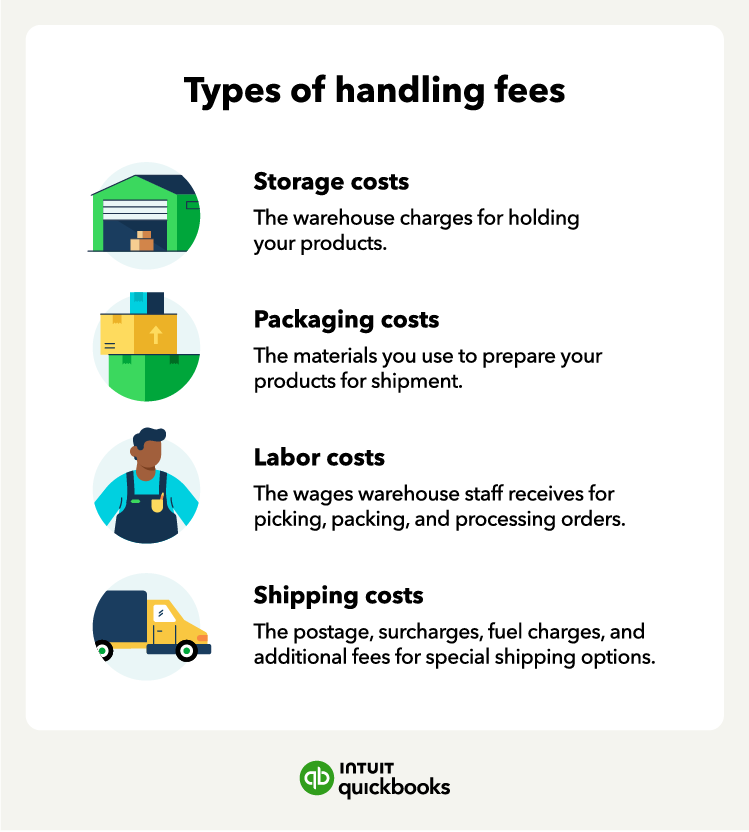
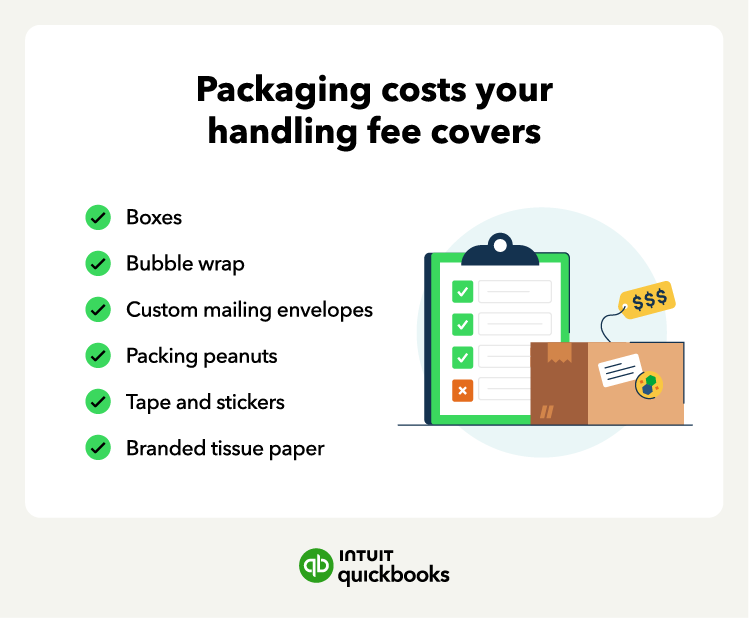
In a retail or e-commerce context, the handling fee covers the human and mechanical effort required to move an item from a warehouse shelf into a delivery vehicle. This includes the cost of the warehouse staff’s time, the physical packaging materials (boxes, tape, bubble wrap), and the administrative overhead of generating labels and processing the order through an inventory management system. Unlike the price of the product itself, which reflects the value of the item, the handling fee reflects the cost of the operations required to facilitate the transaction.
How Handling Fees Differ from Shipping Fees
One of the most common points of confusion in personal finance is the distinction between shipping fees and handling fees. While they are often grouped together as “Shipping & Handling” (S&H), they represent two distinct financial components:
- Shipping Fees: These are paid directly to the carrier (such as UPS, FedEx, or the postal service) to cover the cost of transporting the package from point A to point B. This is largely determined by weight, dimensions, and distance.
- Handling Fees: These are retained by the seller to cover internal fulfillment costs. A company might offer “Free Shipping” as a promotional tool but still apply a handling fee to ensure they are not losing money on the labor required to pack the order.
The Strategic Role of Handling Fees in Business Finance
For businesses, the handling fee is not merely a “bonus” charge; it is a strategic financial tool used to maintain profitability and manage operational cash flow. In an era where “free shipping” has become a consumer expectation driven by industry giants, smaller and mid-sized enterprises must find creative ways to balance competitive pricing with rising labor costs.
Operational Cost Recovery
Every minute a warehouse employee spends picking, packing, and verifying an order is a cost to the business. In high-volume environments, these labor costs can erode profit margins if not properly accounted for. By implementing a handling fee, a business can isolate these operational costs from the product price. This allows for more transparent accounting, as the company can track exactly how much it costs to fulfill an order versus how much profit is being generated by the product sales themselves.
Profit Margin Protection in E-commerce
In business finance, “margin” is everything. When a company sells a low-margin item, a slight increase in packaging costs or a surge in labor wages can turn a profitable sale into a net loss. Handling fees act as a buffer. They allow businesses to keep their base product prices low—making them more competitive in search engine results and price-comparison tools—while still ensuring that the “hidden” costs of doing business are covered.
Pricing Psychology and Transparency
From a marketing and financial strategy perspective, the handling fee plays a role in “partitioned pricing.” Research in behavioral finance suggests that consumers often perceive a lower base price as a better deal, even if the total cost (including fees) is identical to a higher-priced item with no fees. However, there is a fine line to tread. If handling fees are perceived as excessive or are only revealed at the very last stage of the checkout process, they can lead to cart abandonment and loss of brand trust. Therefore, savvy financial managers prioritize transparency in how these fees are communicated to the customer.
Common Industries and Use Cases
While e-commerce is the most visible arena for handling fees, the concept is pervasive across several sectors of the economy. Each industry utilizes these fees to address specific financial overheads.
Retail and Global E-commerce
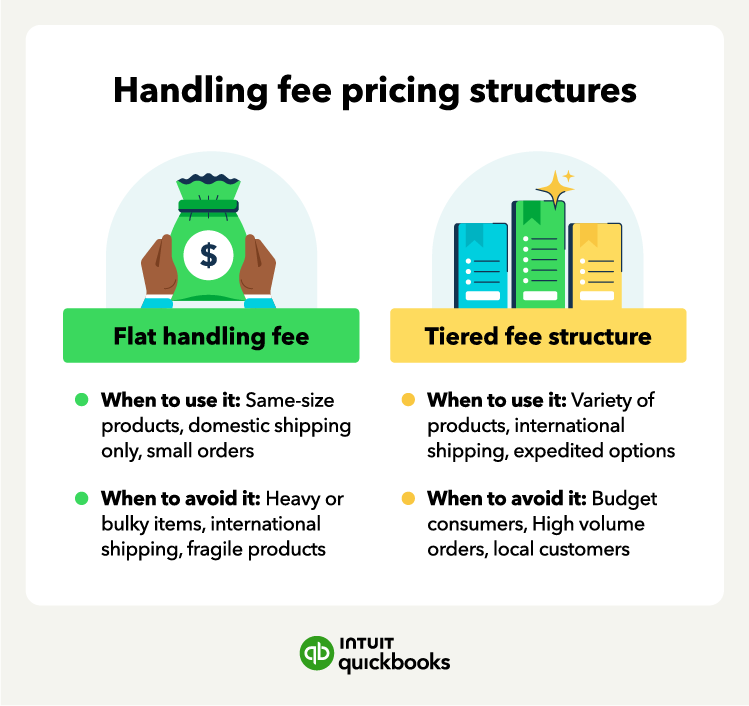
In the world of international trade, handling fees can become quite complex. They may include “terminal handling charges” at ports, fees for customs documentation, and specialized packing for fragile or hazardous materials. For the individual consumer, these fees are often seen when purchasing oversized items, such as furniture or large electronics, where the labor required to move the item exceeds standard shipping procedures.
Financial Services and Investment Platforms
In the realm of personal finance and investing, “handling fees” often take the form of processing or administrative fees. When you trade stocks, move money between accounts, or request a physical certificate of a security, the brokerage may charge a fee to cover the administrative work performed by their back-office team. Similarly, mortgage lenders often charge “origination” or “processing” fees, which are essentially handling fees for the massive amount of paperwork and verification required to issue a loan.
Event Ticketing and Service Sectors
The entertainment industry is notorious for handling fees, often labeled as “service charges” or “convenience fees.” In this context, the fee covers the digital infrastructure required to host the ticketing platform, the security measures to prevent fraud, and the labor required for venue management. While often criticized by consumers, these fees represent a significant portion of the revenue for ticket distribution companies, allowing them to offset the high costs of server maintenance and digital security.
The Legal and Ethical Landscape of Surcharges
As handling fees have become more prevalent, they have moved into the crosshairs of regulators and consumer advocacy groups. The financial ethics of how these fees are applied is a major topic of discussion in modern business law.
Disclosure Requirements and Consumer Protection
In many jurisdictions, there are strict laws regarding how fees must be disclosed. “Drip pricing”—the practice of showing a low price initially and adding mandatory fees throughout the checkout process—is increasingly being regulated. From a business finance perspective, failing to clearly disclose handling fees can lead to significant legal liabilities, including fines and class-action lawsuits. Financial transparency is not just good for customer relations; it is a regulatory necessity.
Avoiding “Junk Fees” Accusations
In recent years, the term “junk fees” has entered the political and economic lexicon. This refers to fees that provide no clear value to the consumer or are perceived as predatory. For a business to maintain financial integrity, it must be able to justify its handling fees. If a $20 handling fee is applied to a $5 item that fits in a standard envelope, the business risks damaging its reputation and inviting scrutiny. A “fair” handling fee is generally one that closely mirrors the actual labor and material costs incurred by the company.
Strategies for Managing and Minimizing Handling Fees
Both businesses and consumers have a vested interest in managing handling fees effectively. From a business perspective, the goal is to reduce fulfillment costs to stay competitive. From a personal finance perspective, the goal is to avoid unnecessary expenses.
For Businesses: Optimizing the Supply Chain
To lower the need for high handling fees, businesses often turn to automation and logistics optimization.
- Warehouse Automation: Investing in robotics and automated picking systems can drastically reduce the labor hours per order, allowing a company to lower or even eliminate handling fees.
- 3PL (Third-Party Logistics): Many businesses outsource fulfillment to specialized providers. Because these providers operate at a massive scale, their “per-order” handling cost is often much lower than what a small business could achieve in-house.
- Packaging Optimization: Using standardized box sizes and automated tape dispensers can shave cents off every order, which adds up to significant savings over thousands of transactions.
For Consumers: How to Spot and Avoid Unnecessary Costs
For the savvy individual looking to optimize their personal finances, handling fees are a variable that can be negotiated or avoided.
- Bulk Purchasing: Handling fees are often “per order” rather than “per item.” By consolidating multiple small purchases into one large order, the impact of a single handling fee is diluted.
- Store Pickups: Many retailers waive shipping and handling fees if the customer chooses to pick up the item at a physical location. This shifts the “handling” labor to the consumer but saves them the associated cost.
- Comparison Shopping: When comparing prices, always look at the “landed cost”—the total price including all taxes, shipping, and handling fees. A higher-priced item with “free shipping and handling” is often cheaper than a low-priced item with hidden surcharges.
Conclusion
The handling fee is a fundamental component of the modern financial ecosystem. It serves as a bridge between the cost of a product and the reality of the labor required to deliver it. For businesses, it is an essential tool for maintaining margins and recovering operational costs. For consumers, it is a critical detail that requires attention to ensure true value in every transaction.
By understanding the mechanics, strategies, and ethics behind handling fees, both companies and individuals can make more informed financial decisions. In an economy that is increasingly digital and logistics-heavy, the ability to dissect and manage these “hidden” costs is a hallmark of sophisticated financial management. Whether you are analyzing a corporate P&L statement or reviewing a monthly credit card bill, the handling fee is a small number that tells a much larger story about the cost of doing business in the 21st century.
aViewFromTheCave is a participant in the Amazon Services LLC Associates Program, an affiliate advertising program designed to provide a means for sites to earn advertising fees by advertising and linking to Amazon.com. Amazon, the Amazon logo, AmazonSupply, and the AmazonSupply logo are trademarks of Amazon.com, Inc. or its affiliates. As an Amazon Associate we earn affiliate commissions from qualifying purchases.