
In the landscape of modern social media, the act of “following” is the fundamental unit of digital connection. On Instagram, a platform that has evolved from a simple photo-sharing app into a complex ecosystem of short-form video, e-commerce, and real-time communication, the “follow” action serves as the primary mechanism for content curation. To follow someone on Instagram is to explicitly instruct the platform’s algorithm to prioritize that user’s data—photos, videos, stories, and live broadcasts—within your personal digital experience.
From a technical perspective, following is a one-way subscription model. Unlike “friending” on platforms like Facebook, which traditionally required a mutual agreement to establish a link, Instagram’s architecture allows for asymmetrical relationships. This structural choice has profound implications for how information flows across the network, how the underlying software ranks content, and how users manage their digital privacy.
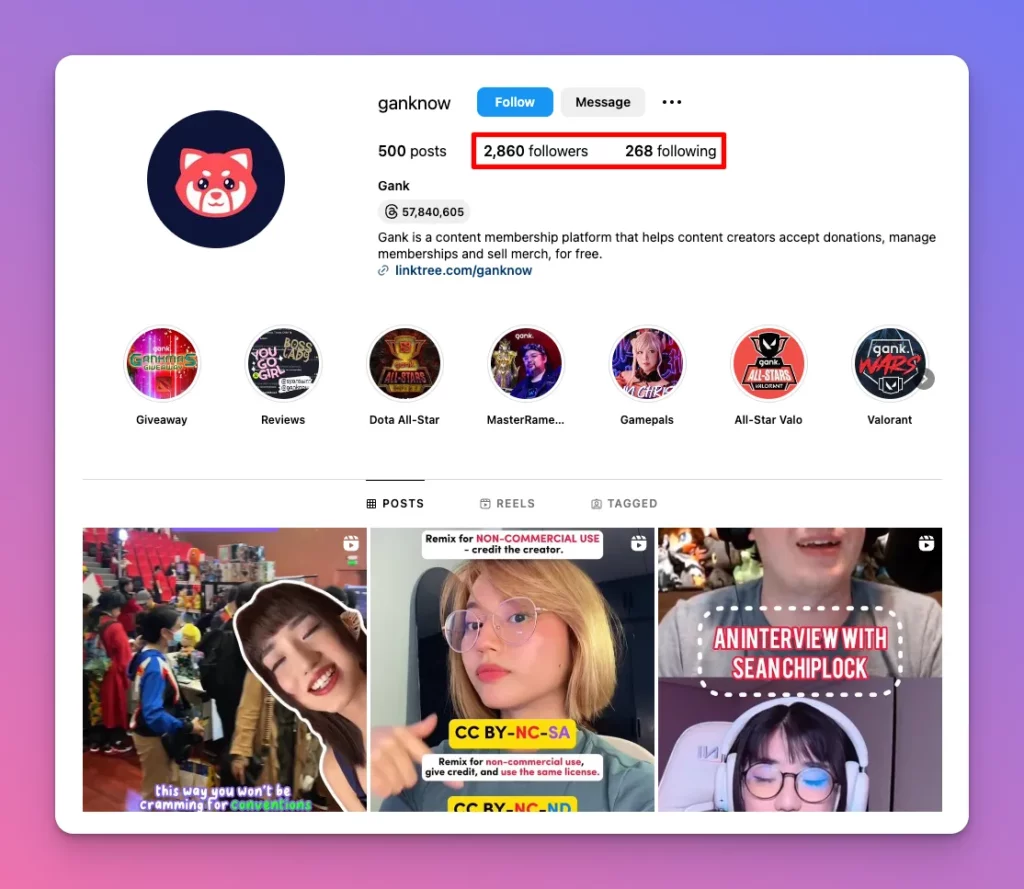
The Mechanics of Connectivity: How Following Works
At its core, following is a database operation. When you tap the blue “Follow” button on a profile, you are creating a link in Instagram’s relational database between your User ID and the target User ID. This link triggers a series of software-level changes to your account’s interface and data stream.
The Reciprocity Model vs. The Interest Graph
Instagram operates primarily on an “Interest Graph” rather than a “Social Graph.” While a social graph maps who you know in real life, an interest graph maps what you are interested in. By following an account—whether it is a friend, a celebrity, or a niche tech reviewer—you are providing a high-intent signal to the system.
If the account you follow is “Public,” the connection is instantaneous. You immediately gain access to their grid and start seeing their updates in your feed. If the account is “Private,” the follow action triggers a “Follow Request.” Technically, this places the connection in a pending state within the backend until the receiving user executes a command to accept or decline, highlighting the platform’s focus on user-controlled data access.
The Technical Infrastructure of the Following List
Your “Following” list is a searchable index of every account you have subscribed to. Within the app’s interface, Instagram provides tools to categorize these connections. The software automatically identifies “Least Interacted With” and “Most Shown in Feed” accounts. This categorization is powered by machine learning models that track your engagement metrics—likes, comments, shares, and even the “dwell time” (how long you stay on a post).
From a UI/UX standpoint, the “Following” list is not merely a directory; it is a management console. Users can navigate to this section to bulk-unfollow, manage notification settings for specific accounts, or sort their connections by the date they were added. This level of granularity is essential for maintaining a healthy “digital signal-to-noise ratio.”
The Algorithmic Impact of the Follow Action
The most significant consequence of following an account is its impact on the Instagram algorithm. The algorithm is not a single piece of code but a sophisticated suite of classifiers and processes designed to predict what content a user will find most engaging.
Signals and Ranking: How the Feed Responds
When you follow a user, the system marks that account as a “primary source” for your feed. However, following does not guarantee you will see every post from that user. The ranking engine considers thousands of signals, but three main technical factors dictate what appears at the top of your screen:
- Relationship Score: The system calculates the strength of the bond between you and the followed account. If you frequently like their photos or search for their profile, the “Relationship” signal strengthens, and their content is prioritized.
- Timeliness: Despite the shift toward algorithmic feeds, the timestamp of a post remains a critical metadata point. The system prioritizes recent content from followed accounts to ensure the feed feels current.
- Frequency of Use: If you open Instagram many times a day, the app will attempt to show you the best content since your last visit. If you follow thousands of accounts, the algorithm must work harder to filter the “best” posts from that vast pool.
Stories and DMs: The Hierarchy of Interaction
Following also dictates the population of the “Stories” tray at the top of the app. The order of the circular icons is determined by the intensity of your interaction with followed accounts. Furthermore, following is often a prerequisite for direct messaging. While many users allow “Message Requests” from non-followers, the software’s default setting often filters messages from followed accounts into the primary inbox, while others are relegated to a “Requests” folder, acting as a digital gatekeeper against spam.
Managing Your Digital Ecosystem
As users accumulate hundreds or thousands of followed accounts, the experience can become cluttered. Instagram has introduced several software features to help users regain control over their data consumption without necessarily “unfollowing” and severing the social link.
Following vs. Favorites: Prioritizing Content
In recent updates, Instagram introduced the “Favorites” and “Following” feed views. By adding an account to your “Favorites,” you are elevating its status within the database. The “Favorites” view shows you posts from a curated subset of followed accounts in strict chronological order. This is a significant technical pivot, as it allows users to bypass the primary algorithmic ranking and return to a more predictable, time-based consumption model.
Muting and Restricting: Fine-Tuning User Experience
The “Mute” function is a sophisticated software tool for managing social dynamics. When you mute a followed account, the technical link remains intact—you are still listed as a follower, and they can see your content—but the system suppresses their posts and stories from your view. This is achieved by adding a “suppress” flag to the content delivery API for that specific relationship.
Similarly, the “Restrict” feature is a digital security and anti-bullying tool. Restricting a followed user allows their comments to be visible only to them, and their direct messages are moved to “Requests” without a read receipt. This allows for a “soft disconnection” where the user remains in the “Following” count but is effectively removed from your interactive experience.
Privacy and Security in Following
Following is not just about content; it is also about data privacy and digital security. The act of following creates a trail of metadata that defines your digital identity.
Private Accounts and Follow Requests
For users concerned with digital security, the “Private Account” setting is the primary defense. When an account is private, the “Follow” button acts as a digital handshake. The software prevents any data (posts or stories) from being served to the requesting user’s device until the “Follow Request” is authenticated by the owner. This ensures that personal data is only shared with verified entities.
Data Tracking and Ad Personalization
From a back-end perspective, your “Following” list is one of the most valuable data sets for ad targeting. Instagram (owned by Meta) uses the categories of accounts you follow to build a “User Interest Profile.” If you follow numerous accounts related to “Cloud Computing” or “Cybersecurity,” the ad delivery system will tag your User ID with those interests. This data is then used to auction off ad space in your feed to relevant tech companies. Understanding that following is a form of data-sharing is crucial for users who prioritize digital privacy.
The Future of Following: AI and Personalized Feeds
The concept of following is currently undergoing a technical transformation. For over a decade, the “Follow” button was the sole architect of the user experience. However, influenced by the success of discovery-based engines like TikTok, Instagram is moving toward a hybrid model.
AI-Suggested Content vs. The Follow Graph
Today, the Instagram feed is a blend of content from followed accounts and “Suggested for You” content. The latter is generated by a “Discovery Engine” that looks at the accounts you follow to find similar content from accounts you don’t follow. For instance, if you follow five different software engineering influencers, the AI will analyze the “embeddings” (mathematical representations of content) of those accounts and inject similar posts into your feed.

The Evolution of the “Follow” Signal
In the future, the “Follow” signal may become less about subscribing to a specific person and more about training your personal AI agent. As generative AI becomes more integrated into the platform, following an account might mean subscribing to that user’s “AI persona” or receiving customized digests of their content synthesized by a Large Language Model (LLM).
Ultimately, “following” on Instagram is the technical bridge between user intent and algorithmic delivery. It is a powerful tool for information gathering, community building, and personal branding, underpinned by complex data structures and machine learning models that dictate our digital reality. Understanding the nuances of this action—from its impact on the feed to its implications for data privacy—is essential for anyone navigating the modern technological landscape.
aViewFromTheCave is a participant in the Amazon Services LLC Associates Program, an affiliate advertising program designed to provide a means for sites to earn advertising fees by advertising and linking to Amazon.com. Amazon, the Amazon logo, AmazonSupply, and the AmazonSupply logo are trademarks of Amazon.com, Inc. or its affiliates. As an Amazon Associate we earn affiliate commissions from qualifying purchases.