
The name “Springfield” evokes a myriad of images, from idyllic small towns to bustling industrial hubs, from the setting of beloved animated series to actual cities dotted across the globe. This very ubiquity, however, presents a profound challenge and a fascinating opportunity in the realm of branding. When we ask, “What is going on in Springfield?”, we’re not just inquiring about current events; we’re inadvertently probing into the intricate processes of place branding, community identity, and the strategic efforts undertaken by these diverse locales to define, differentiate, and promote themselves in an increasingly competitive world. This article will unpack the layers behind the seemingly simple question, exploring how a place — whether a city, region, or even a concept — crafts and evolves its brand to resonate with residents, attract investment, and draw visitors.
The Anatomy of a Place Brand: Defining “Springfield”
At its core, a place brand is the sum total of perceptions and associations that people hold about a particular geographical location. It’s far more complex than corporate branding because a place is not a single entity; it’s a living, breathing ecosystem of people, history, culture, economy, and environment. For any “Springfield” aiming to thrive, understanding and meticulously curating this brand is paramount.
Beyond Postcards: Elements of a Modern Place Brand
The brand of a place like “Springfield” is not merely a logo or a catchy slogan; it’s an intricate tapestry woven from countless threads. These include its economic landscape (what industries flourish, what jobs are available), its cultural vibrancy (arts, music, festivals), its natural environment (parks, rivers, climate), its historical narrative (founding stories, significant events), and most importantly, the lived experiences and collective identity of its residents. A modern place brand strategy delves deep into these elements, seeking to identify authentic differentiators. Is “Springfield” a tech hub, an agricultural heartland, a tourism hotspot, or a historical landmark? The answer shapes everything from urban planning to marketing campaigns. The emotional connection people feel to a place, the sense of belonging, and the pride of its inhabitants are powerful, intangible assets that form the bedrock of a strong place brand. For example, a “Springfield” that successfully positions itself as a family-friendly community will highlight its schools, safety, and recreational facilities, fostering a narrative that resonates deeply with its target demographic. Conversely, one aiming to attract young professionals might emphasize its nightlife, co-working spaces, and innovative industries.
The Challenge of Genericism: Standing Out in a Sea of Springfields
The greatest branding hurdle for a name as common as “Springfield” is its inherent genericism. How does one “Springfield” distinguish itself from the dozens of others across the United States alone, let alone internationally? This challenge forces an even greater reliance on authentic storytelling and unique proposition development. It’s not enough to simply say “Springfield is a great place to live”; every “Springfield” can claim that. The successful ones articulate why their Springfield is unique. Is it “Springfield, the birthplace of innovation,” or “Springfield, where history comes alive,” or “Springfield, the gateway to adventure”? The specificity of the differentiator becomes critical. This often involves leaning into local legends, niche cultural phenomena, distinctive architectural styles, or a particular economic specialization that is truly unique to that specific location. Overcoming genericism means finding the singular voice and character that only that Springfield possesses and amplifying it strategically.
Strategic Shifts: Marketing Springfield’s Future
Once the core identity of “Springfield” is understood, the next phase involves strategically marketing this evolving brand. This isn’t just about attracting tourists; it’s about drawing talent, fostering local pride, encouraging investment, and ensuring sustainable growth.
Digital Storytelling: Crafting Narratives for a Connected World
In the digital age, a place’s brand narrative is disseminated across myriad online platforms. Successful “Springfields” leverage digital storytelling to paint vivid pictures of what life, work, and leisure look like within their boundaries. This includes dynamic websites showcasing local businesses and events, engaging social media campaigns that highlight community members and unique experiences, high-quality video content (virtual tours, testimonials), and interactive maps. The goal is to move beyond static information and create an immersive digital experience that conveys the authentic personality of the place. User-generated content, where residents and visitors share their own “Springfield” stories, also plays a crucial role, lending authenticity and relatability that professional marketing campaigns sometimes struggle to achieve. A thriving digital presence is no longer optional; it is the primary window through which the world views “Springfield.”
Economic Development as Brand Building: Attracting Investment and Talent
The brand of “Springfield” is inextricably linked to its economic vitality. A strong economy not only provides jobs and opportunities for residents but also enhances the place’s reputation and attractiveness to external investors and skilled workers. Branding efforts are therefore often intertwined with economic development initiatives. This might involve promoting specific business incentives, highlighting a skilled workforce, showcasing world-class infrastructure, or emphasizing a supportive regulatory environment. For a “Springfield” aiming to become a biotech hub, its brand messaging will focus on its research institutions, incubator programs, and a skilled scientific workforce. If it’s striving to be a logistics center, it will promote its transportation networks and distribution capabilities. Attracting new businesses and retaining existing ones is a direct outcome of a well-defined and effectively communicated economic brand proposition. The talent war is real, and cities are competing as much for skilled individuals as they are for corporate headquarters.

Engaging Stakeholders: From City Hall to Local Businesses
A place brand cannot be dictated solely from city hall; it must be a collaborative effort involving a wide array of stakeholders. Local government plays a crucial role in setting the vision and providing resources, but the authenticity of the brand emanates from its residents, businesses, educational institutions, and cultural organizations. Engaging these groups in the branding process—through workshops, surveys, and public forums—ensures that the brand truly reflects the community’s aspirations and values. Local businesses are particularly vital, as they are often the frontline ambassadors of the “Springfield” experience. Supporting local entrepreneurship, fostering unique retail districts, and promoting farm-to-table initiatives can significantly bolster the place brand, creating a distinctive flavor that cannot be replicated elsewhere. Public-private partnerships are essential for pooling resources and expertise, ensuring that branding initiatives are comprehensive and sustainable.
Design and Identity: Visualizing Springfield’s Evolution
The visual and aesthetic elements of a place brand are incredibly powerful, often forming the first impression and serving as memorable touchstones for its identity.
Logos, Slogans, and Visual Language: The Aesthetics of Place
Just like a corporate entity, a place benefits from a cohesive visual identity. This includes a thoughtfully designed logo that captures the essence of “Springfield,” a memorable slogan that communicates its core promise, and a consistent visual language that extends across all marketing materials, signage, and public spaces. A successful logo might subtly incorporate local landmarks, natural features, or historical symbols, creating a visual shorthand for the place. Slogans, such as “Springfield: Where History Meets Innovation” or “Springfield: Your Future Takes Root,” distill the core message into an easily digestible phrase. Consistency in fonts, colors, imagery, and overall aesthetic is critical for reinforcing the brand and ensuring immediate recognition. A well-executed visual identity can evoke emotion, convey professionalism, and create a sense of unity and pride among residents. It’s about translating the intangible spirit of “Springfield” into a tangible, recognizable form.
Architectural Identity: Shaping the Urban Landscape
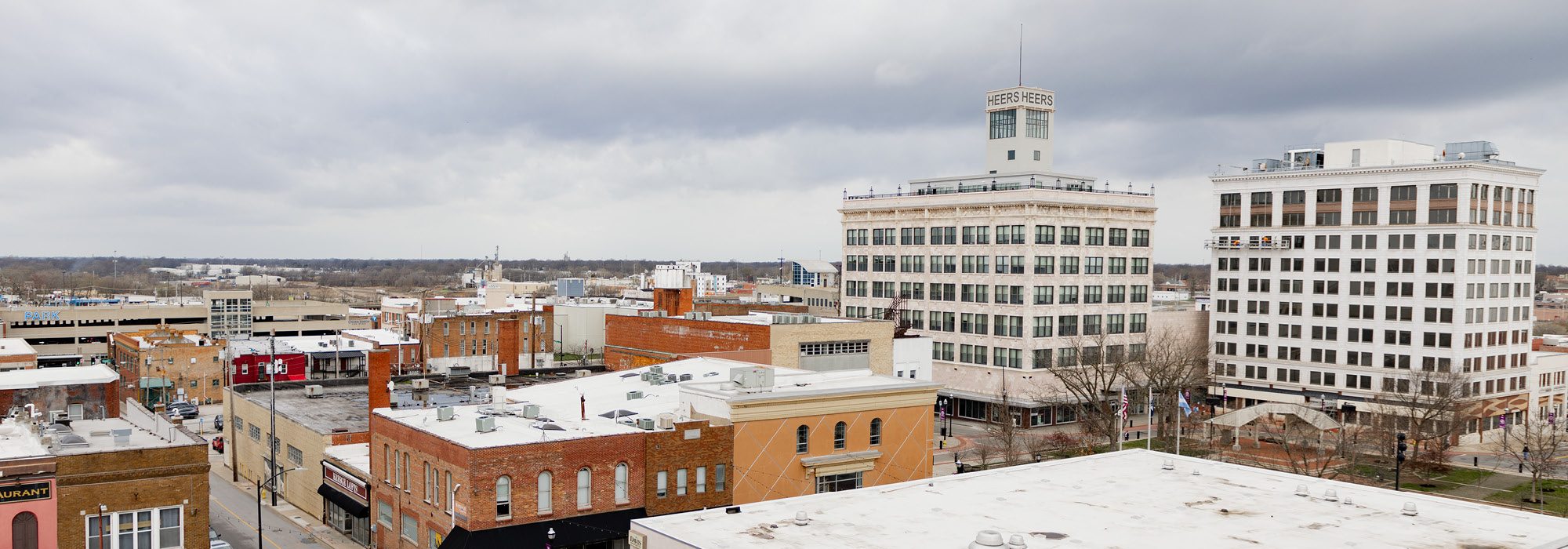
Beyond marketing collateral, the physical environment of “Springfield” itself is a profound expression of its brand. Architecture, urban planning, and public spaces contribute significantly to the perceived character and appeal of a place. A “Springfield” that invests in beautiful public parks, pedestrian-friendly streets, and distinctive architectural designs (whether historic preservation or modern innovation) communicates a commitment to quality of life and aesthetic appeal. The revitalization of a historic downtown, the development of a vibrant waterfront, or the creation of green infrastructure projects all contribute to shaping the architectural identity and enhancing the brand. These physical manifestations of the brand tell a story about “Springfield’s” values, its past, and its aspirations for the future, making the brand a living, breathing experience rather than just a concept.
Measuring Impact and Sustaining Momentum
The work of place branding is never truly finished. It requires continuous monitoring, adaptation, and a long-term vision to remain relevant and impactful.
Quantifying Perception: Surveys, Analytics, and Social Listening
To understand if branding efforts are succeeding, “Springfield” must employ robust measurement strategies. This includes regular resident satisfaction surveys to gauge community pride and quality of life, visitor surveys to assess tourism impact and perceptions, and business surveys to understand the investment climate. Digital analytics provide insights into website traffic, social media engagement, and the reach of online campaigns. Social listening tools monitor public sentiment and mentions of “Springfield” across the internet, offering real-time feedback on how the brand is perceived externally. These metrics provide invaluable data for evaluating the effectiveness of strategies, identifying areas for improvement, and making data-driven decisions for future branding initiatives.

Community Buy-In and Long-Term Vision: The Human Element of Branding
Ultimately, the success of “Springfield’s” brand hinges on community buy-in and a shared long-term vision. If residents don’t believe in the brand, or if the brand doesn’t genuinely reflect their experiences, it will fail to gain traction. Fostering a sense of collective ownership and pride among the people of “Springfield” is paramount. This requires transparent communication, ongoing engagement, and a consistent demonstration that the brand strategy is designed to benefit everyone. A long-term vision ensures that branding efforts are not fleeting campaigns but rather sustained commitments to evolving and enhancing the identity of “Springfield” for generations to come. It’s about building a legacy, not just running an advertisement.
In conclusion, when we ponder “What is going on in Springfield?”, we are peering into the dynamic world of place branding—a complex, multi-faceted discipline that marries marketing savvy with community development, historical understanding with future-forward vision. Each “Springfield,” in its unique quest for identity and prosperity, offers a compelling case study in how places strive to define their essence, communicate their value, and build lasting connections with the people they serve and the wider world they seek to engage. The ongoing narrative of “Springfield” is a testament to the power of deliberate branding in shaping perceptions, fostering pride, and driving progress.
aViewFromTheCave is a participant in the Amazon Services LLC Associates Program, an affiliate advertising program designed to provide a means for sites to earn advertising fees by advertising and linking to Amazon.com. Amazon, the Amazon logo, AmazonSupply, and the AmazonSupply logo are trademarks of Amazon.com, Inc. or its affiliates. As an Amazon Associate we earn affiliate commissions from qualifying purchases.