
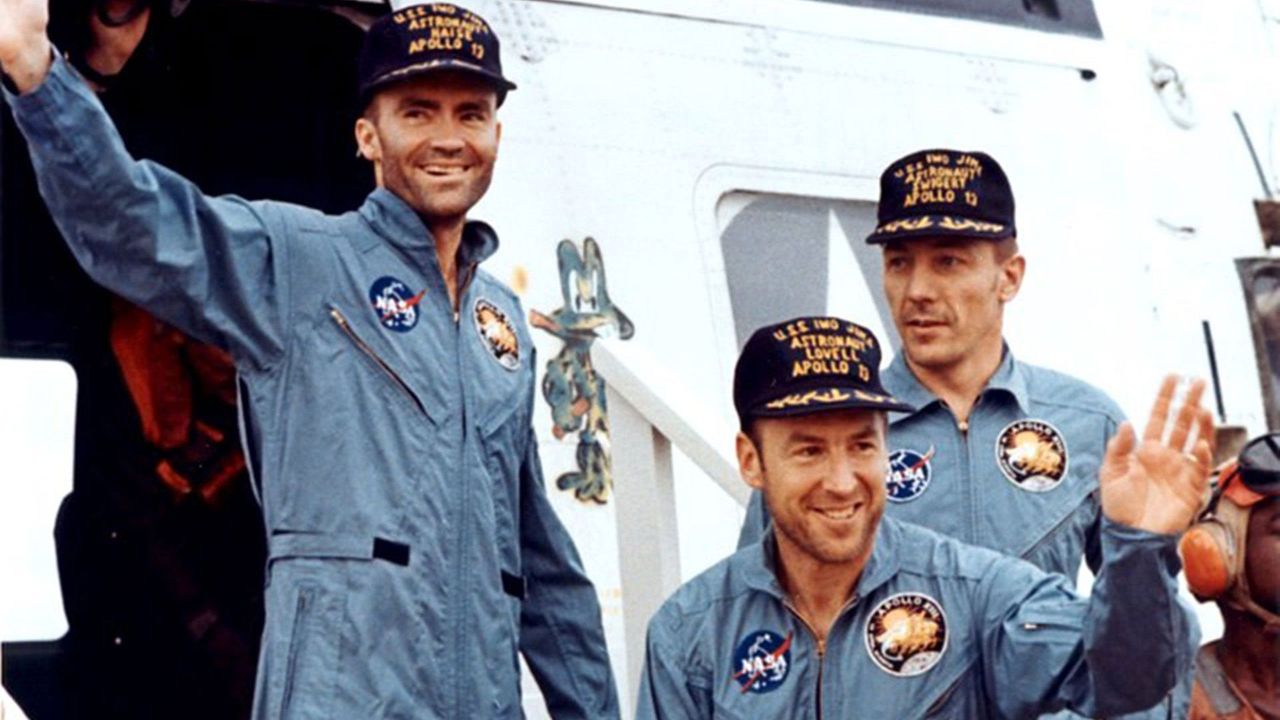
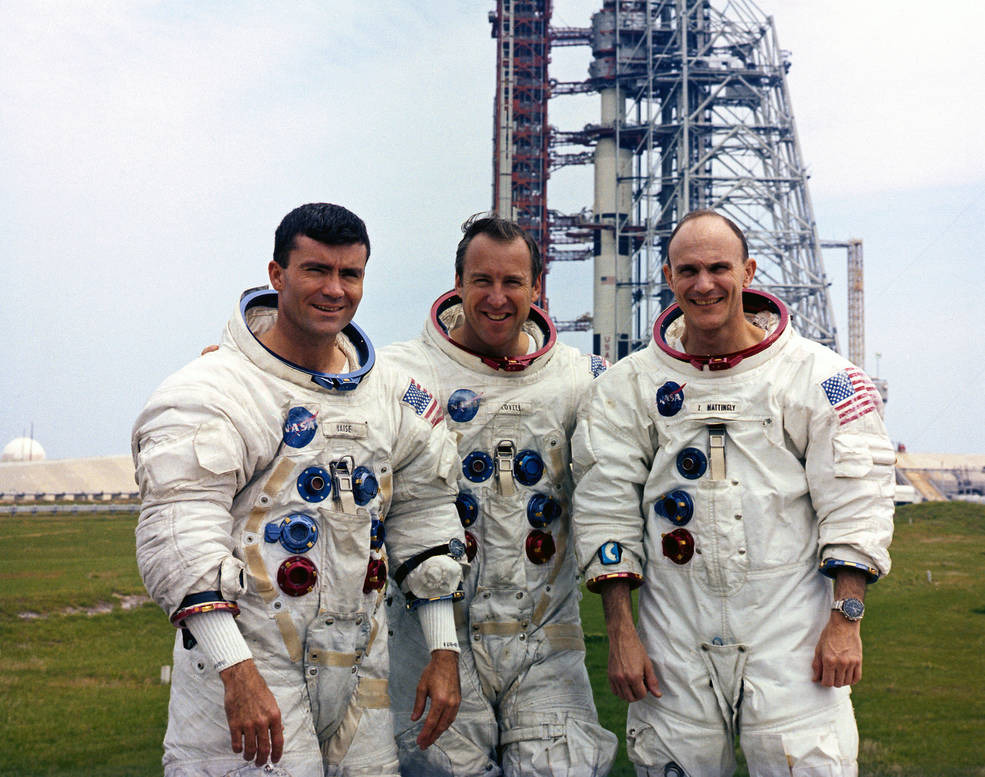
The Apollo 13 mission, launched on April 11, 1970, was destined for the moon, part of humanity’s audacious quest to explore the cosmos. Yet, in a dramatic turn of events, this routine lunar mission transformed into a harrowing struggle for survival, becoming one of the most compelling narratives of technological failure, human ingenuity, and collaborative triumph in space exploration history. The fate of astronauts Jim Lovell, Jack Swigert, and Fred Haise hung precariously in the balance after an onboard explosion crippled their spacecraft. This article delves into the technological dimensions of what happened, examining the failures, the innovative solutions, and the profound engineering lessons that secured the crew’s return and forever altered the trajectory of space technology development.
A Routine Mission Takes a Catastrophic Turn: The Technological Failure
Apollo 13 was designed to be the third lunar landing mission, following the historic Apollo 11 and 12 successes. The spacecraft was a pinnacle of engineering achievement, a complex amalgamation of propulsion systems, life support, navigation, and communication technologies. However, a latent flaw within one of its critical systems would soon unleash a cascade of failures, jeopardizing the lives of its crew thousands of miles from Earth.
The Premise: Lunar Exploration and the Saturn V System
The mission’s primary objective was to explore the Fra Mauro formation on the Moon. At its core, the mission relied on the colossal Saturn V rocket, an engineering marvel capable of launching the Command/Service Module (CSM) and Lunar Module (LM) into translunar injection. The CSM, named Odyssey, served as the crew’s living quarters and control center for most of the mission, equipped with advanced guidance systems, power generation, and life support. The LM, Aquarius, was the designated lunar lander, a stripped-down vehicle optimized for planetary descent and ascent. Both modules were masterpieces of their era, featuring cutting-edge propulsion, environmental control systems, and redundant subsystems designed for high reliability. The expectation was a precise, uneventful journey, a testament to humanity’s mastery over complex machinery.
The Infamous “Bang”: Oxygen Tank Anomaly and System Cascade
Approximately 56 hours into the mission, as the spacecraft cruised towards the moon, a routine stir of an oxygen tank in the Service Module (SM) led to an catastrophic explosion. This wasn’t merely a system malfunction; it was a fundamental breach of integrity. The root cause was later identified as a combination of design flaws and pre-flight handling errors. The oxygen tank, designated no. 2, had been inadvertently damaged during a pre-launch test, exposing its internal wiring to excessive temperatures. When an electrical heater inside the tank was activated to stir the cryogenic liquid oxygen, the damaged insulation around the fan motor wires failed, causing a short circuit. The resulting arc ignited the Teflon insulation within the tank, rapidly increasing pressure and causing the tank to rupture violently.
The explosion wasn’t an isolated event. It blew off an entire panel of the Service Module, exposing the spacecraft’s vital internal components to the vacuum of space. Crucially, it damaged the neighboring oxygen tank no. 1, which began to leak, and knocked out two of the three fuel cells responsible for generating electrical power and water. This chain reaction decimated the CSM’s power supply, extinguished its primary propulsion system (the Service Propulsion System or SPS), and crippled its ability to generate oxygen and water – essential components of life support. The spacecraft, once a self-sufficient technological marvel, was instantly transformed into a drifting hulk, severely compromised and unable to fulfill its primary mission.
Immediate Damage Assessment: Crippled Spacecraft and Lost Capabilities
The crew and Mission Control were immediately confronted with a dire situation. Alarms blared, warning lights flashed, and telemetry data streamed back to Earth painted a picture of rapid system degradation. The most pressing issues were the loss of almost all electrical power, the dwindling oxygen supply, and the absence of a reliable propulsion system. Without power, critical environmental control systems failed, temperatures began to drop, and the command module’s navigation and communication systems became unreliable. The SPS, which was vital for the crucial transearth injection burn to return home, was effectively inoperable due to the explosion and subsequent damage. The crew’s breathable air and potable water, fundamental to survival, were rapidly depleting. They were far from home, in a freezing, dark, and increasingly suffocating metal box, their advanced technology failing them in the most remote and hostile environment imaginable.
The Race Against Time: Engineering Ingenuity and Ground-Based Solutions
With the CSM rendered almost useless, the Lunar Module (LM), Aquarius, designed only for a short stay on the Moon’s surface, became the unexpected lifeboat. This pivot required unprecedented collaboration between the astronauts and thousands of engineers and specialists at Mission Control, who collectively embarked on an extraordinary exercise in rapid, adaptive engineering.
Conserving Power: A Masterclass in Resource Management
The LM was not built for extended spaceflight or for sustaining three astronauts. Its power systems, fueled by descent-stage batteries, were designed for only about 45 hours of operation for two people. To make it last for the estimated 90+ hours needed to return to Earth for three people, an extreme power conservation strategy was devised. This involved meticulously shutting down virtually all non-essential systems in both the CSM and LM. Engineers on the ground rapidly developed procedures to minimize power drain, often through trial and error using simulators. Every watt was precious. Heaters were turned off, guidance computers were put into standby, and non-critical instrumentation went dark. The crew lived in cold, dark conditions, relying on minimal power for communication and critical life support, a stark demonstration of technical resource management under extreme duress.
Fixing the Carbon Dioxide Problem: “Square Peg in a Round Hole” Innovation
As the LM sustained the three astronauts, carbon dioxide levels inside the cabin began to rise to dangerous levels. The LM’s CO2 scrubbers used square lithium hydroxide canisters, but the Command Module’s scrubbers, which were still functional but running out, used round canisters. There were no spare square canisters on Aquarius that could fit the LM’s system. This presented a unique, life-threatening engineering challenge: how to adapt the CM’s round canisters to fit the LM’s square openings.
In a remarkable display of improvisation, ground engineers quickly designed a makeshift adapter using only materials known to be available on board the spacecraft: plastic bags, duct tape, and cardboard from flight plan covers. They worked tirelessly in a simulator, transmitting step-by-step instructions to the crew. The astronauts, guided by these precise technical instructions, constructed the adapter, effectively creating a “mail slot” to fit the round canister into the square opening, saving their lives from CO2 poisoning. This “square peg in a round hole” solution remains an iconic example of rapid, collaborative engineering under pressure.
Navigating Home: Manual Control and Re-entry Calculations
With the CSM’s primary navigation system disabled, the crew and ground control faced the daunting task of guiding the crippled spacecraft back to Earth. This involved complex trajectory corrections and, crucially, a precise re-entry angle to avoid either skipping off the atmosphere or burning up upon descent. Initially, a crucial maneuver to shorten the trajectory home was performed using the LM’s descent engine – an engine never designed for such a prolonged burn or as a primary propulsion system for the entire stack.
For critical course corrections and re-entry alignment, the crew had to rely on manual control and celestial navigation. Astronaut Fred Haise had to visually align the spacecraft using the Earth’s terminator line and the sun, meticulously firing small thrusters based on calculations from the ground. This archaic but effective method of “eyeball navigation” was supported by precise calculations from Mission Control, who continuously refined the trajectory and re-entry parameters. The final re-entry required the crew to jettison the Service Module and then the Lunar Module, manually orienting the Command Module for atmospheric entry, a procedure that demanded flawless execution with minimal power and instrument feedback.
The Unsung Heroes: The Technology and the Minds Behind the Mission Control
While the crew were the visible heroes, the real-time problem-solving, data analysis, and communication technologies at Mission Control were the unsung heroes that orchestrated their rescue. The ground segment of the Apollo program was an equally sophisticated technological marvel.
Data Analysis and Simulation: The Digital Backbone of Crisis Management
The ability to monitor, analyze, and simulate the spacecraft’s performance was paramount. Telemetry data streamed constantly from Apollo 13 to Earth, providing engineers with critical real-time information on power levels, oxygen consumption, temperature, and system status. This torrent of data was processed by sophisticated computer systems, allowing ground controllers to diagnose problems, predict consequences, and develop solutions. Simultaneously, flight controllers used high-fidelity simulators – exact replicas of the spacecraft’s systems – to test proposed solutions under realistic conditions. Before any procedure was relayed to the crew, it was often tested repeatedly in these simulators, ensuring its viability and safety. This digital backbone, combining data acquisition, computational analysis, and simulation, was indispensable for guiding the crew through unprecedented technical challenges.
Communication Systems: Lifeline in the Void
The complex global network of communication stations (the Manned Space Flight Network) was the crew’s literal lifeline. Through this network, voice communication and telemetry data were continuously exchanged. The ability to speak directly to the crew, to explain complex procedures, and to reassure them was critical, especially when the spacecraft’s power limitations meant the primary high-gain antenna had to be powered down. During these periods, lower-power omnidirectional antennas were used, maintaining a tenuous but vital link. The unwavering flow of information and instruction through these robust communication systems enabled the ground team to effectively “remote control” the rescue operation, bridging the vast distance with essential technical guidance.
Redundancy and Resilience: Lessons Learned from Previous Missions
While Apollo 13 represented a catastrophic failure, it also highlighted the inherent redundancies and resilience built into the Apollo spacecraft architecture, albeit not always explicitly for such a comprehensive disaster. The LM, designed as a dedicated lunar lander, possessing its own independent power and life support systems, serendipitously served as an emergency lifeboat. This unforeseen utility underscored the value of independent, robust subsystems. Furthermore, the incident reinforced the critical importance of a highly trained, interdisciplinary team at Mission Control, capable of adapting existing technologies and procedures in real time. The experiences from previous missions, including minor malfunctions and simulations, contributed to a culture of problem-solving that was put to its ultimate test during Apollo 13.
The Legacy of Apollo 13: Advancing Space Technology and Safety Protocols
The successful return of the Apollo 13 crew was a triumph of human spirit and technological adaptation, but it also served as a stark, invaluable lesson. The subsequent investigation and the technical insights gleaned led to significant advancements in spacecraft design, operational procedures, and safety protocols, making future space missions safer and more robust.
Redesigning Critical Systems: Post-Mortem Engineering Improvements
The most immediate and impactful changes following Apollo 13 focused on redesigning the Service Module’s oxygen tanks. The flawed heaters and fan motors were eliminated, and a new thermostatic switch was introduced to prevent overheating. The internal wiring was encased in stainless steel sheaths, a more resilient material than Teflon, to prevent short circuits and fires. Furthermore, the number of oxygen tanks was increased, and their isolation was improved, creating greater redundancy and preventing a single failure from compromising multiple critical systems. Modifications were also made to the electrical bus systems, ensuring that a fault in one section wouldn’t cascade across the entire power grid. These engineering changes directly addressed the vulnerabilities exposed by the Apollo 13 incident, significantly enhancing the safety and reliability of subsequent Apollo missions.
Enhanced Safety and Emergency Procedures: Operationalizing Lessons
Beyond hardware modifications, Apollo 13 led to a comprehensive review and enhancement of safety and emergency procedures. Contingency planning became even more rigorous, with a greater emphasis on “what if” scenarios and detailed emergency checklists for almost every imaginable malfunction. Crew training was augmented to include more hands-on experience with emergency repair simulations and manual control techniques, preparing astronauts for operating spacecraft under degraded conditions. Communication protocols were refined to ensure clear and concise instructions could be relayed under extreme stress. The incident also underscored the importance of integrating mission specialists from various disciplines – engineers, flight surgeons, physicists – into the real-time problem-solving process, fostering a more dynamic and adaptive operational environment.
A Testament to Human-Technology Synergy: The Enduring Impact
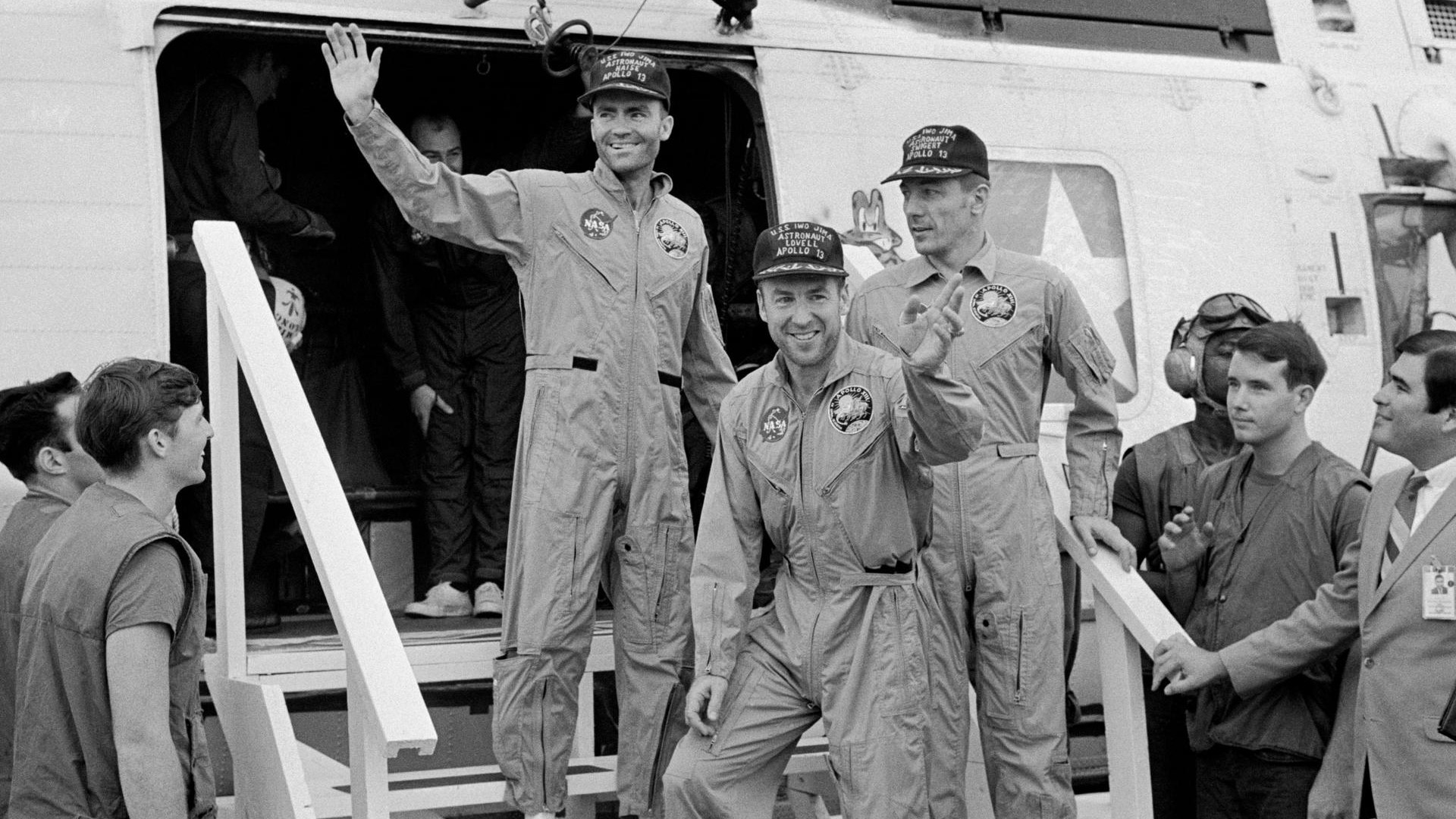
The story of Apollo 13 is a powerful testament to the synergy between human ingenuity and advanced technology. It showcased that even the most sophisticated systems can fail, but that precise engineering, meticulous data analysis, and the collaborative problem-solving capabilities of dedicated individuals can overcome seemingly insurmountable odds. This mission reinforced the understanding that technology is not just about the hardware, but also about the intelligent application of scientific principles, robust design, and adaptive human intervention. Its legacy continues to influence contemporary aerospace engineering, emphasizing redundancy, robust fault detection systems, and comprehensive emergency preparedness. Apollo 13 remains a cornerstone in the history of space exploration, not for what it achieved in space, but for what it taught us about surviving and innovating in the face of profound technological challenges. The crew returned home safely, not just as survivors, but as participants in one of history’s greatest feats of engineering and collaborative human endeavor.
aViewFromTheCave is a participant in the Amazon Services LLC Associates Program, an affiliate advertising program designed to provide a means for sites to earn advertising fees by advertising and linking to Amazon.com. Amazon, the Amazon logo, AmazonSupply, and the AmazonSupply logo are trademarks of Amazon.com, Inc. or its affiliates. As an Amazon Associate we earn affiliate commissions from qualifying purchases.