
In the dynamic and often cutthroat world of online multiplayer gaming, few terms evoke as much immediate recognition and strong reaction as “ganking.” While it might sound like a niche piece of gamer jargon, understanding ganking is crucial for anyone engaging with or interested in the strategic underpinnings, social dynamics, and developmental considerations of countless digital entertainment platforms. At its core, ganking refers to the act of one or more players ambushing and usually overwhelming an unsuspecting, often isolated, enemy player. This isn’t merely a random skirmish; it’s a deliberate, calculated maneuver designed to gain a strategic advantage, often through numerical superiority or surprise.
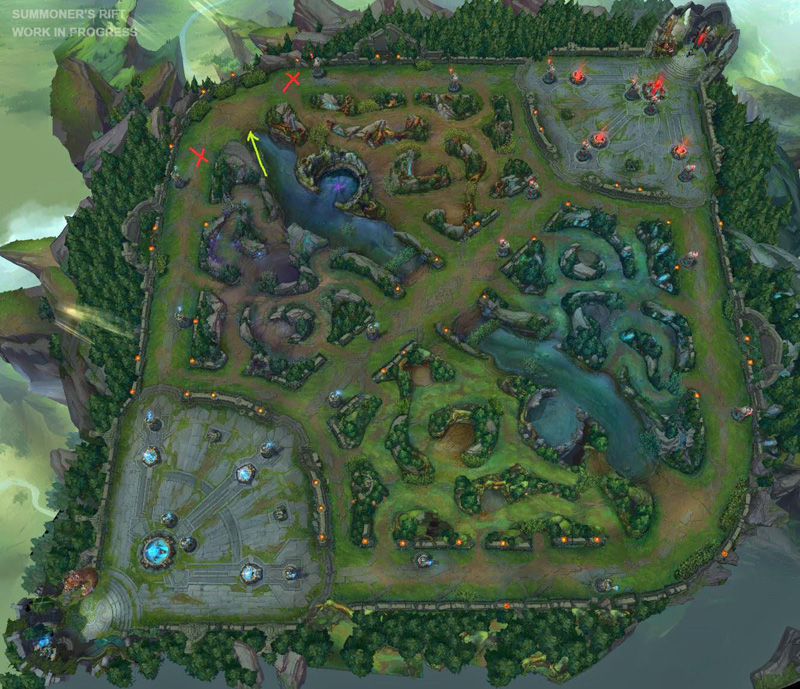
The phenomenon of ganking is not confined to a single game or genre but is a pervasive element across a vast spectrum of multiplayer titles, from the intense battlegrounds of Massively Multiplayer Online Role-Playing Games (MMORPGs) to the intricate lanes of Multiplayer Online Battle Arenas (MOBAs) and the fast-paced action of Battle Royales. Its presence profoundly influences gameplay strategies, player psychology, and even game design philosophy. Far from being a mere footnote, ganking represents a complex interplay of tactical foresight, resource management, and social interaction within the digital realm, making it a critical subject for analysis within the tech landscape of modern gaming.
Understanding the Core Concept of Ganking in Digital Landscapes
To fully grasp the implications of ganking, it’s essential to dissect its fundamental characteristics and distinguish it from other forms of player-versus-player (PvP) combat. Ganking is more than just fighting; it’s a specific type of engagement predicated on specific conditions and intended outcomes.
Origin and Etymology within Gaming
The term “gank” is widely believed to have originated in early online role-playing games, particularly those with open-world PvP elements. While its precise etymology is debated, popular theories suggest it’s either an acronym (e.g., “gang attack,” “group attack, no skill”) or a portmanteau related to gang violence. Regardless of its exact linguistic roots, it quickly became shorthand within gaming communities for a specific type of ambush: a situation where multiple players coordinate to eliminate a lone or disadvantaged opponent. This origin highlights its initial association with perceived unfairness or overwhelming odds, even if it has evolved into a legitimate, often admired, strategy in many competitive titles. The term’s widespread adoption underscores its significance as a distinct strategic concept.
Key Characteristics: Surprise, Numerical Advantage, and Vulnerability
The defining features of a gank are its reliance on surprise, numerical superiority, and the targeting of a vulnerable opponent.
-
Surprise: A successful gank nearly always hinges on the element of surprise. The victim is often unaware of the impending attack, caught off guard in a compromised position, or focused on another task (like farming resources, questing, or engaging a less threatening enemy). This surprise factor minimizes the target’s ability to react, escape, or mount an effective defense. It often involves utilizing terrain, vision blockers, or abilities that obscure presence.
-
Numerical Advantage: While a “solo gank” can occur if a player is significantly outmatched, the classic gank involves two or more attackers against a single target. This numerical superiority dramatically increases the odds of success, allowing attackers to overwhelm the target’s defenses, control their movement, and deal burst damage efficiently. Even a small numbers advantage (e.g., 2v1) can be decisive.
-
Target Vulnerability: Gankers meticulously select their targets. A vulnerable player might be low on health or resources, lacking escape abilities, positioned poorly, or playing a character archetype known for fragility. Understanding enemy weaknesses and exploiting them is a hallmark of effective ganking. This vulnerability can be temporary, making timing critical to capitalize on a window of opportunity.
Distinction from Other PvP Encounters
It’s important to differentiate ganking from standard PvP combat or fair fights. A typical PvP encounter, especially in competitive arenas or duels, often implies a more balanced confrontation, where both parties are aware of the impending conflict and engage on relatively even terms. Ganking, in contrast, actively seeks to subvert this balance by creating an overwhelming advantage for the aggressors. It’s not about an even fight; it’s about a decisive, one-sided engagement aimed at elimination or disruption with minimal risk to the attackers. While PvP is a broad category encompassing all player-versus-player interaction, ganking is a specific tactic within that category, characterized by its predatory, opportunistic nature.
The Mechanics and Manifestations of Ganking Across Game Genres
The concept of ganking, while universally defined by surprise and numerical advantage, manifests in distinct ways across different gaming genres, adapting to the unique mechanics and objectives of each title.
MOBA (Multiplayer Online Battle Arena) Ganking
MOBAs like League of Legends or Dota 2 are perhaps the most quintessential examples of games where ganking is a core strategic element. Here, ganking often refers to one or more players leaving their designated lanes or jungle areas to assist an ally in another lane, typically to surprise-attack an enemy laner.
-
Jungler Ganks: The “jungler” role is often the primary ganker. They spend the early game clearing monsters in the jungle, then strategically appear in a lane to create a 2v1 or 3v2 situation. Successful jungler ganks secure kills, deny the enemy experience and gold, and relieve pressure on allied laners.
-
Lane Ganks: Laners themselves can rotate to adjacent lanes for ganks, especially after pushing their own lane or when an enemy is significantly overextended. This requires careful map awareness and coordination to ensure their own lane isn’t subsequently punished.
-
Objective Control: Ganks are also crucial for securing map objectives like dragons, barons, or towers, as eliminating enemy champions beforehand reduces resistance and ensures safer objective takes.
MMORPG (Massively Multiplayer Online Role-Playing Game) Ganking
MMORPGs, especially those with open-world PvP servers or specific PvP zones, have a long and storied history of ganking. Unlike the structured lanes of MOBAs, MMORPG ganking often takes place in vast, open environments.
-
World PvP and Open-World Ganking: Players can be attacked by opposing factions or rival players almost anywhere. Ganking here involves ambushing players who are questing, gathering resources, or traveling between locations, often when they are focused on PvE (Player vs. Environment) activities or are low on health/mana after a mob fight. This can be particularly frustrating for victims as it often interrupts progress and can be difficult to avoid.
-
“Camp” Ganking: A more aggressive form involves repeatedly targeting and killing the same player(s) in a specific area, preventing them from progressing or enjoying the game. This sometimes crosses the line into “griefing” depending on community standards and game design.
-
Resource Node/Boss Ganking: High-value resource nodes, world bosses, or quest objectives frequently become hotspots for ganking, as players from opposing sides vie for control, using ambushes to clear out competition.
FPS/Battle Royale Ganking
While the term “ganking” might not be used as frequently in First-Person Shooters (FPS) or Battle Royale games, the underlying principle of surprise and numerical superiority is ever-present.
-
Team-Based Ambushes: In team-based FPS games (e.g., Overwatch, Valorant), coordinated pushes or flanking maneuvers that catch isolated enemies off guard function as ganks. A team might converge on a single opponent, using crowd control and burst damage to quickly eliminate them.
-
Battle Royale Flanking: In games like Fortnite or Apex Legends, players constantly seek to gain positional advantage. Spotting a lone enemy or a vulnerable squad allows a team to flank, converge, and overwhelm them before they can react effectively. The “third-partying” phenomenon (where a new team attacks two engaged teams) also shares gank-like characteristics, capitalizing on weakened or distracted opponents.
Other Genres and Contexts
The spirit of ganking extends to various other genres:
-
Survival Games: In titles like Rust or DayZ, ganking is a core component of player interaction. Ambushing players for their loot, often while they are unaware or crafting, is a common and brutal reality.
-
Real-Time Strategy (RTS) Games: While not directly player-on-player character ganking, the concept applies to unexpected maneuvers that catch an opponent off guard, like a sudden early game rush or an unexpected flanking force to take out a key economic target.
Across these diverse landscapes, ganking remains a powerful tool, showcasing how fundamental tactical principles adapt and thrive within the specific digital ecosystems designed by game developers.
The Strategic Implications and Player Psychology of Ganking
Ganking is not merely an action; it’s a strategic philosophy with profound implications for both the aggressors and the victims, shaping player behavior and the overall competitive landscape of a game.
Offensive Strategies: Coordination, Timing, and Map Awareness
For the ganker, successful execution demands a high degree of skill, foresight, and often, teamwork.
-
Coordination and Communication: In most team-based games, effective ganking relies heavily on seamless communication. Gankers must signal their intentions, call out target priorities, and coordinate ability usage to maximize damage and crowd control. Voice chat is often essential for this.
-
Impeccable Timing: Timing is paramount. A gank launched too early might fail to surprise, while one launched too late might find the target escaped or reinforced. Capitalizing on enemy mistakes—like overextending, using key abilities, or having low health—requires a keen understanding of game flow and opponent tendencies.
-
Superior Map Awareness: Knowledge of enemy positions, jungle timers, ward placements, and potential escape routes is critical. Gankers constantly monitor the minimap, anticipate enemy movements, and plan their approach to avoid detection and maximize impact. Vision control (e.g., clearing enemy wards, placing allied wards) is a direct contributor to successful ganks.
Defensive Strategies: Warding, Positioning, and Counter-Ganking
Players on the receiving end of ganks are not helpless. Robust defensive strategies can mitigate, deter, or even turn the tables on aggressors.
-
Effective Warding and Vision Control: Placing “wards” (vision-granting items) in strategic locations provides early warning of approaching gankers, allowing players to retreat to safety. Understanding common gank paths and placing wards accordingly is a fundamental defensive skill.
-
Safe Positioning and Minimized Overextension: Conscious positioning, staying near allies or under the protection of defensive structures (like towers), and avoiding pushing too far into enemy territory reduces vulnerability. A player who consistently maintains safe positioning is a much harder target.
-
Counter-Ganking: The most proactive defense is a counter-gank. If a ganker’s approach is detected, allies can rotate to ambush the gankers themselves, turning the tables and converting a potential loss into a kill advantage. This requires even greater coordination and timing than an offensive gank.
-
Escape Mechanics: Utilizing character-specific escape abilities (dashes, blinks, invisibility) effectively can allow a ganked player to survive, even if they can’t win the fight.
Psychological Impact on Victims: Frustration, Learning, and Adaptation
Being repeatedly ganked can be a deeply frustrating experience, especially for newer players or those who prefer a less aggressive playstyle.
-
Frustration and Tilt: Frequent deaths to ganks can lead to “tilt”—a state of emotional frustration that impairs decision-making. This can make players more prone to mistakes, leading to a negative feedback loop.
-
Learning and Adaptation: However, experiencing ganks also serves as a potent learning tool. Players learn to be more vigilant, improve their map awareness, adapt their positioning, and communicate more effectively with teammates. It fosters a growth mindset, pushing players to improve their defensive mechanics.
-
Sense of Unfairness vs. Skill Challenge: For some, ganking feels unfair and unsporting. For others, it’s an inherent challenge of the game, demanding sharper reflexes and strategic thinking. This dichotomy shapes community perception and individual enjoyment.
Psychological Impact on Gankers: Satisfaction, Power, and Risk vs. Reward
On the flip side, executing a successful gank provides a significant psychological boost to the aggressors.
-
Satisfaction and Reward: Successfully outsmarting and overwhelming an opponent is inherently satisfying. It provides tangible in-game rewards (gold, experience) and reinforces a sense of accomplishment and tactical prowess.
-
Sense of Power and Control: Ganking allows players to exert pressure across the map, dictate the pace of the game, and disrupt enemy plans, fostering a feeling of power and strategic control.
-
Risk vs. Reward Calculus: Ganking involves inherent risks. A failed gank can waste valuable time, allow opponents to gain an advantage elsewhere, or even result in the ganker’s death. This constant evaluation of risk versus potential reward adds another layer of strategic depth and excitement for the ganker.
The Evolving Role of Ganking in Game Design and Community Dynamics
Ganking isn’t static; its implementation and perception are continually shaped by game developers and player communities, reflecting an ongoing dialogue about fairness, skill, and fun.
Game Design Philosophy: Balancing, Fairness, and Skill Expression
Game designers walk a tightrope when it comes to ganking. They must consider its role in promoting dynamic gameplay without making the experience overly punishing or unfair.
-
Promoting Dynamic Gameplay: Ganking prevents games from becoming stagnant, forcing players to remain vigilant and adapt. It introduces uncertainty and encourages map movement, rather than passive farming.
-
Balancing Gank Potential: Designers carefully balance character abilities, map layouts, and vision mechanics to ensure ganking is a viable strategy but not an overwhelming one. Overpowered ganking can lead to one-sided matches and frustrated players.
-
Skill Expression: Ganking provides a high ceiling for skill expression, rewarding players for their game knowledge, mechanical prowess, and teamwork. Successful gankers are often lauded for their strategic acumen.
-
Protecting New Players: Many games incorporate features to protect new or low-level players from high-level gankers (e.g., specific safe zones, level disparity penalties in PvP zones, or matchmaking that attempts to create balanced teams).
Community Perception: Legitimate Strategy vs. “Griefing”
The community’s view of ganking often splits into two camps: those who see it as a legitimate and essential part of competitive play, and those who perceive it as a form of “griefing” or unfair play.
-
Legitimate Strategy: In competitive genres like MOBAs, ganking is unequivocally seen as a core strategic element. Its successful execution is praised, and its failure is often attributed to poor defensive play rather than the gank itself being unfair.
-
“Griefing” and Unsporting Conduct: In open-world PvP MMORPGs, especially when a player is repeatedly targeted (spawn camping), ganking can quickly cross the line into griefing. This is particularly true if the gank offers little strategic benefit to the aggressor beyond harassing a less powerful player. Community guidelines and reporting systems often address these more extreme forms of persistent targeting. The context of the game and its design intent heavily influence this perception.
The Rise of Anti-Ganking Mechanics and Features
Developers are increasingly incorporating mechanics specifically designed to counter or mitigate the impact of ganking, aiming to create a more balanced and enjoyable experience.
-
Vision Mechanics: Items like wards, vision plants, or radar-like abilities are universally present, allowing players to gain crucial information about enemy movements and deter ganks.
-
Escape and Defensive Abilities: Most character kits include some form of movement ability, crowd control resistance, or defensive cooldowns that allow players to escape or survive ganks.
-
Bounty Systems: Some games implement bounty systems, where players who are consistently ganking and killing opponents become worth more gold or experience, making them a more tempting target for a counter-gank.
-
Safe Zones and Respawn Protection: In open-world games, safe zones where PvP is disabled, or temporary invulnerability upon respawning, are common features to prevent repeated targeting.

Ethical Considerations and Player Conduct
Ultimately, the discussion around ganking often touches upon broader ethical considerations within online gaming. While a legitimate strategy, how players choose to employ it—whether as a tactical advantage or a tool for harassment—shapes the social fabric of the game. Promoting fair play, encouraging respectful competition, and providing robust reporting mechanisms for genuinely abusive behavior are ongoing challenges for game developers. The dynamic tension between aggressive strategic play and fostering a welcoming community remains a central tenet in the continuous evolution of online gaming.
In conclusion, “ganking” is far more than just a slang term; it is a sophisticated, multifaceted tactical concept deeply embedded in the design and execution of modern online multiplayer games. From its strategic nuances to its psychological impacts and its ongoing influence on game development, understanding ganking provides a vital lens through which to appreciate the depth, complexity, and evolving nature of the tech-driven gaming world.
aViewFromTheCave is a participant in the Amazon Services LLC Associates Program, an affiliate advertising program designed to provide a means for sites to earn advertising fees by advertising and linking to Amazon.com. Amazon, the Amazon logo, AmazonSupply, and the AmazonSupply logo are trademarks of Amazon.com, Inc. or its affiliates. As an Amazon Associate we earn affiliate commissions from qualifying purchases.