
Thanksgiving dinner is more than just a meal; it’s a cherished tradition, a focal point for family and friends, and for many households, a significant financial undertaking. While the conversation often centers on recipes, guest lists, and decor, a deeper, more practical layer concerns the economics of the feast. Understanding the financial implications of planning, purchasing, and preparing the Thanksgiving spread is crucial for maintaining household budgets, reducing stress, and ensuring that the holiday remains a source of joy, not fiscal strain. This article delves into the monetary aspects of the holiday meal, offering insights and strategies for navigating costs effectively.
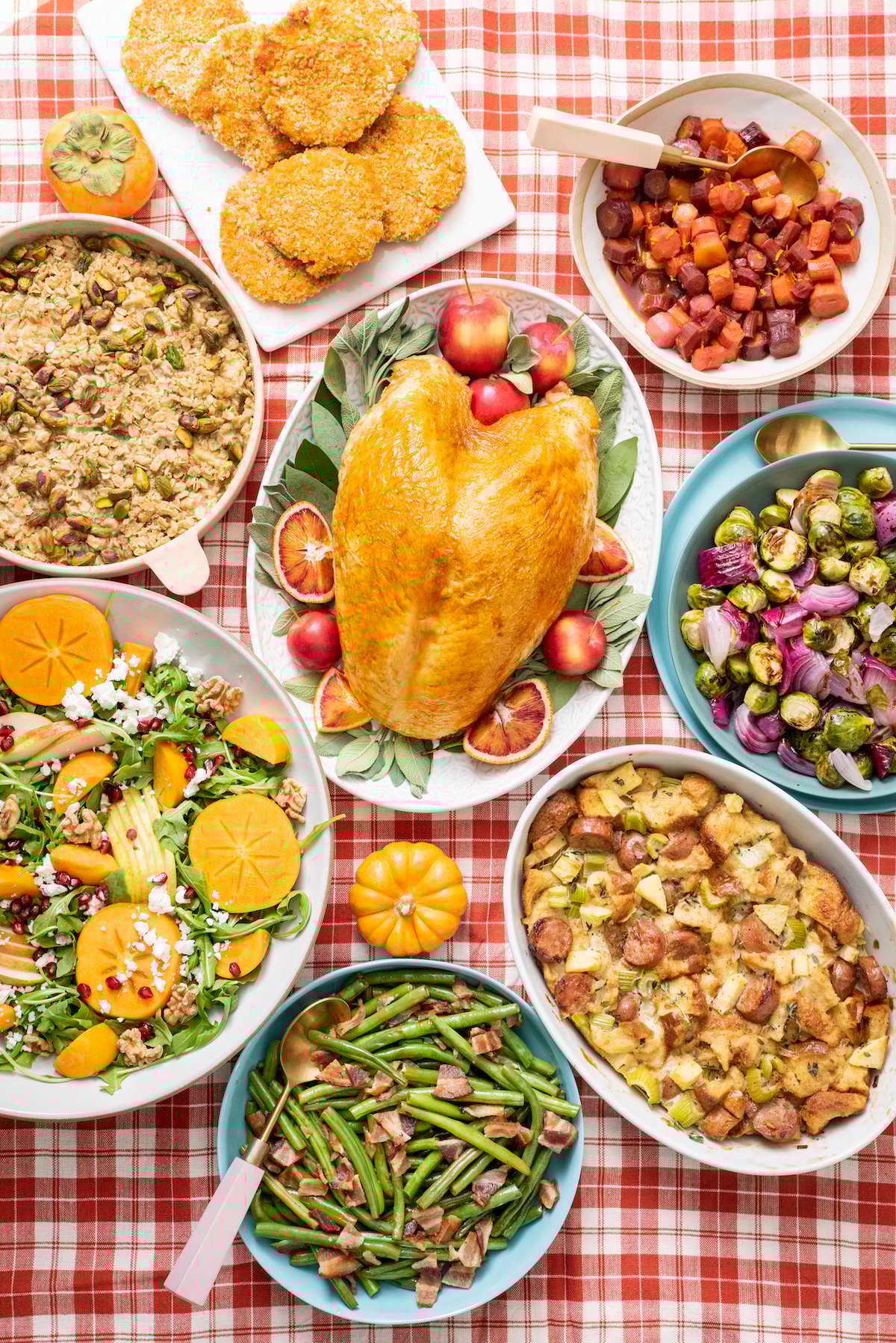
Understanding the Evolving Cost of the Festive Feast
The price tag associated with Thanksgiving dinner is rarely static. A confluence of macroeconomic factors, global events, and regional variances consistently influences how much families spend. To effectively budget, one must first grasp the forces at play that determine the final cost of the traditional spread.
Inflation’s Grip on Grocery Bills
In recent years, inflation has emerged as a dominant factor in the cost of living, with grocery prices experiencing notable surges. Staple Thanksgiving ingredients – from the centerpiece turkey to cranberries, potatoes, and baking essentials – are not immune to these upward trends. Families are increasingly finding that their dollar stretches less far at the supermarket checkout. This inflationary pressure stems from various sources, including increased production costs (feed for poultry, fertilizer for crops), higher energy prices impacting transportation and processing, and rising labor wages across the supply chain. Monitoring general inflation trends, particularly as reported by consumer price indices for food at home, provides valuable foresight into potential increases for holiday staples.
Supply Chain Impact on Staple Ingredients
Beyond inflation, the intricate global and domestic supply chains play a critical role in both the availability and pricing of Thanksgiving dinner components. Disruptions, whether caused by extreme weather events affecting harvests, labor shortages in processing plants, or logistical bottlenecks in transportation, can lead to scarcity and price hikes. For instance, avian flu outbreaks can impact turkey availability and drive up poultry prices, while adverse weather in key agricultural regions can reduce yields of popular side dish ingredients like sweet potatoes or green beans. Understanding these vulnerabilities encourages early planning and provides context for potential price fluctuations, enabling consumers to make informed purchasing decisions or consider alternative ingredients.
Budgeting for Your Thanksgiving Spread: Strategies for Savvy Spenders
Successful financial management for Thanksgiving begins well before the first ingredient is purchased. A well-constructed budget and strategic shopping approaches can significantly mitigate costs without sacrificing the celebratory spirit of the meal.
Setting a Realistic Budget Before Shopping
The first step in any financially sound undertaking is to establish a clear budget. For Thanksgiving dinner, this involves estimating the number of guests, outlining the desired menu (main dishes, sides, desserts, beverages), and then assigning a realistic cost to each category. Researching average prices for key ingredients in your area can provide a good baseline. It’s often helpful to look at last year’s spending, adjusting for current inflation, to set a practical ceiling. This upfront planning prevents impulse buys and provides a spending framework that guides every subsequent decision. Allocate a contingency fund, typically 5-10% of the total budget, for unexpected price increases or last-minute additions.
Prioritizing Essentials vs. Extravagances
A Thanksgiving budget doesn’t mean sacrificing quality or generosity, but it does necessitate strategic prioritization. Identify the core components that are non-negotiable for your family’s tradition (e.g., the turkey, grandmother’s famous stuffing) and allocate a significant portion of your budget there. Then, evaluate other items. Can a premium artisanal cheese board be scaled back to a more budget-friendly option? Are multiple decadent desserts necessary, or would one showstopper suffice alongside simpler offerings? Distinguishing between “must-haves” and “nice-to-haves” allows for flexible adjustments when faced with higher-than-expected prices on essential items, ensuring that the core of the meal remains intact.
Leveraging Sales, Coupons, and Loyalty Programs
Timing and diligence are paramount when it comes to maximizing savings on groceries. Many supermarkets begin offering sales on Thanksgiving staples several weeks in advance. Tracking these sales through flyers, app notifications, or store websites can lead to substantial savings. Combining sales with manufacturer coupons, digital coupons, and store loyalty program discounts further amplifies these reductions. For items with a longer shelf life, such as canned goods, baking supplies, and frozen vegetables, purchasing them when they are on sale weeks before the holiday is a smart strategy to lock in lower prices and avoid potential last-minute price gouging.
Smart Sourcing: Maximizing Value Without Compromising Quality
Beyond simply finding the cheapest option, smart sourcing involves strategic purchasing decisions that balance cost, quality, and convenience. This means understanding where and how to buy your ingredients to get the most financial value.
Bulk Buying and Membership Warehouse Benefits
For larger gatherings or families who plan to utilize leftovers extensively, bulk buying can present significant savings, particularly for non-perishable items or ingredients that freeze well. Membership warehouses often offer competitive pricing on items like large cuts of meat, baking supplies, potatoes, and even some pre-made components like rolls or pies. However, the financial benefit hinges on judicious purchasing; buying in bulk only makes sense if the items will be fully consumed before expiration, preventing food waste and ensuring the investment pays off. Carefully compare the unit price (price per ounce, pound, or item) against standard grocery store prices to confirm genuine savings.

Seasonal Produce and Local Market Advantages
Opting for seasonal produce is almost always a cost-effective strategy. Vegetables and fruits that are in season typically have lower prices due to abundant supply and reduced transportation costs. For Thanksgiving, this often includes items like squash, apples, pears, root vegetables, and cranberries. Visiting local farmers’ markets, while not always cheaper for every item, can offer competitive pricing on seasonal produce and unique artisan products. Furthermore, buying directly from growers often means fresher ingredients, potentially reducing waste and enhancing the meal’s quality. Developing relationships with local vendors can sometimes lead to special deals or insights into upcoming availability.
DIY vs. Store-Bought: A Cost-Benefit Analysis
The decision to make items from scratch or purchase them pre-made is a critical financial consideration. While scratch-made dishes often involve a greater time investment, they frequently offer significant cost savings, especially for items like cranberry sauce, stuffing, mashed potatoes, and certain desserts. Pre-made items, while convenient, carry a premium that encompasses labor, packaging, and brand markup. Conduct a quick cost-benefit analysis: price out the ingredients for a homemade version versus the cost of the store-bought equivalent. Factor in your time and culinary skill; if a particular item is complex and time-consuming, the added cost of a high-quality store-bought option might be justified by the saved labor and reduced stress, offering a different kind of value.
The Economics of Hosting: Splitting Costs and Potluck Power
Hosting Thanksgiving dinner is a generous act, but it can also be a considerable financial burden for one household. Thoughtful planning around guest contributions can transform the event into a more communal and financially equitable affair.
Fair Share Contributions: Navigating Guest Finances
When hosting a large gathering, it is entirely reasonable and often appreciated by guests to discuss financial contributions, especially if the host’s budget is a concern. This conversation can be approached delicately, perhaps by mentioning that you’re aiming to keep costs reasonable and inviting guests to contribute in a way that suits them. Options include guests covering the cost of specific dishes they bring (potluck style), contributing to a communal fund for the main course, or even bringing beverages. Clear communication upfront prevents awkwardness and ensures that the financial responsibility is shared, making the experience more enjoyable for everyone.
Potluck Dynamics: Reducing Individual Burden
The potluck model is a time-honored tradition that inherently distributes the financial and labor load. By assigning specific categories of dishes to guests – for example, one guest brings a side, another a dessert, and a third an appetizer – the host’s burden is significantly reduced. This approach not only spreads the cost but also adds variety to the menu and allows guests to showcase their culinary talents. Strategically coordinating who brings what is essential to avoid duplication and ensure a balanced meal. A shared online spreadsheet or group chat can facilitate this coordination, allowing everyone to see what’s needed and what’s already covered.
Post-Feast Financial Benefits: Leftovers and Meal Planning
The financial benefits of Thanksgiving extend beyond the main meal, particularly through the strategic utilization of leftovers. A well-planned Thanksgiving often yields enough food for several additional meals, effectively reducing grocery spending for the days following the holiday. This “bonus” food can be repurposed into new dishes (e.g., turkey sandwiches, soups, casseroles) or frozen for future consumption. Thinking about Thanksgiving dinner as an investment in multiple meals maximizes its financial value. Careful portioning, proper storage, and creative meal planning for the subsequent days can significantly extend the savings derived from the initial outlay.
Long-Term Financial Planning Around Holiday Spending
Thanksgiving is just one of many holidays that impact a household’s annual budget. Integrating holiday expenses into broader financial planning can foster stability and eliminate the year-end scramble.
Incorporating Holiday Expenses into Annual Budgets
Rather than treating holiday spending as an unexpected annual expense, integrate it as a regular line item in your annual budget. By estimating total holiday expenditures (including gifts, travel, and meals like Thanksgiving) at the beginning of the year, you can allocate a small portion of income each month towards these costs. This proactive approach prevents a large lump sum expenditure from derailing your monthly budget and ensures that holiday generosity aligns with your overall financial goals. Reviewing past spending habits can help create more accurate future projections.
Building a Dedicated Holiday Savings Fund
To facilitate the annual budgeting strategy, consider setting up a dedicated holiday savings fund. This can be a separate savings account or simply a designated envelope of cash. By automatically transferring a small, manageable amount into this fund each paycheck, the necessary funds for Thanksgiving and other year-end celebrations accumulate gradually and painlessly. This strategy removes the pressure of finding extra cash during an already busy time and allows for a more relaxed and enjoyable holiday season, knowing the expenses are already accounted for.

The Financial Payoff of Thoughtful Holiday Traditions
Ultimately, the financial decisions made around Thanksgiving dinner contribute to a larger narrative of financial wellness and intentional living. Thoughtful planning, wise spending, and a focus on communal sharing can transform a potentially costly event into a truly enriching experience that aligns with financial discipline. The real “payoff” isn’t just a lower grocery bill, but the peace of mind that comes from celebrating responsibly, reinforcing sustainable financial habits, and creating lasting memories without the shadow of post-holiday debt. This approach ensures that the abundance of the Thanksgiving table is matched by a sense of financial security and foresight.
aViewFromTheCave is a participant in the Amazon Services LLC Associates Program, an affiliate advertising program designed to provide a means for sites to earn advertising fees by advertising and linking to Amazon.com. Amazon, the Amazon logo, AmazonSupply, and the AmazonSupply logo are trademarks of Amazon.com, Inc. or its affiliates. As an Amazon Associate we earn affiliate commissions from qualifying purchases.