
The dissolution of Mike & Mike, the long-running ESPN Radio morning show hosted by Mike Greenberg and Mike Golic, serves as one of the most instructive case studies in modern corporate identity and personal branding. For nearly two decades, the show functioned not just as a radio program, but as a pillar of the ESPN brand strategy. When it ended in 2017, the fallout offered a masterclass in how institutional corporate interests can clash with the cultivation of individual talent brands, leading to a decoupling that changed the landscape of sports media.
The Evolution of a Co-Branded Identity
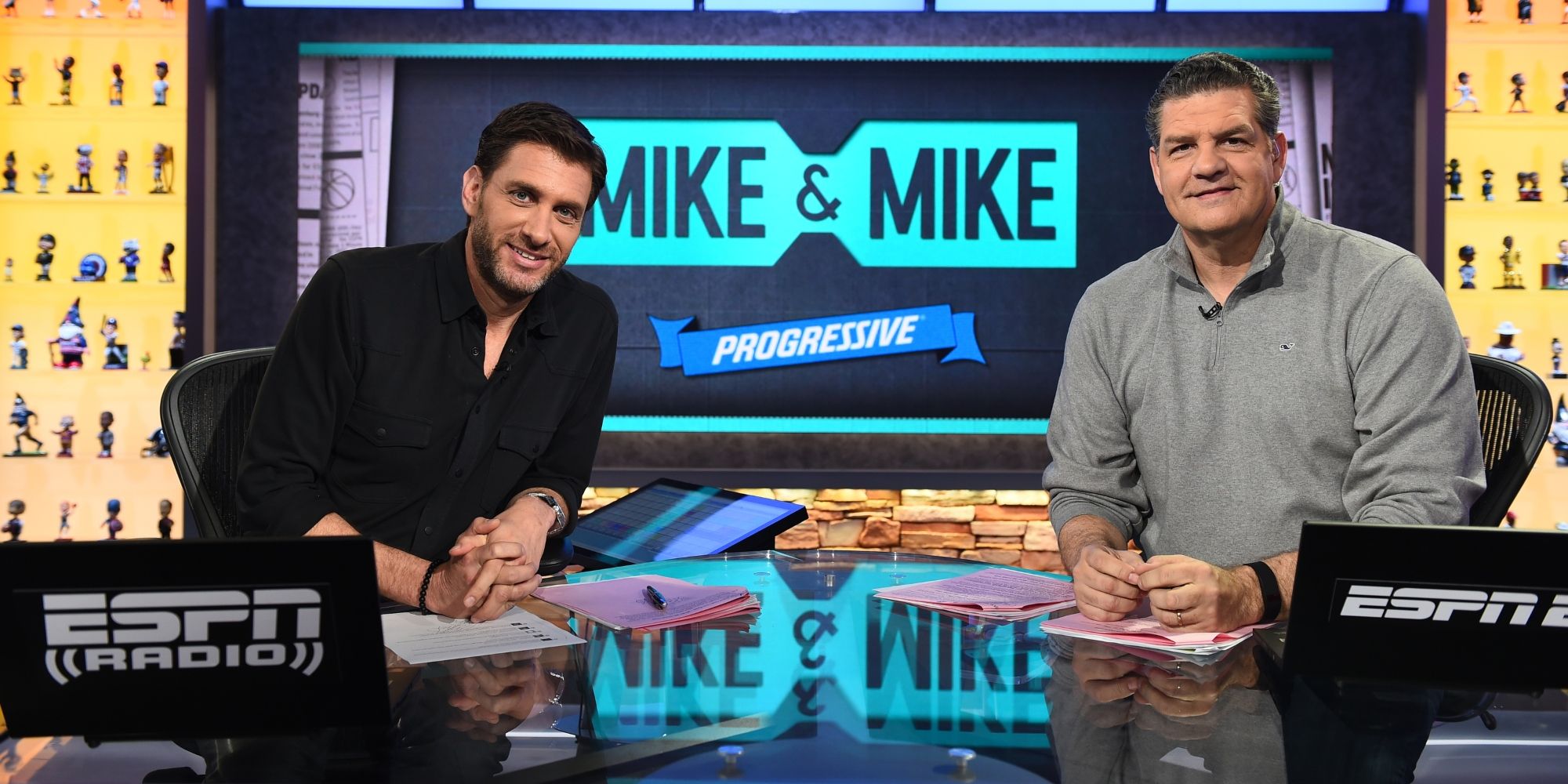
In the early 2000s, ESPN faced the challenge of translating its television dominance into a consistent, daily radio presence. The pairing of Greenberg—the witty, analytical writer—and Golic—the boisterous, retired NFL defensive lineman—was an exercise in deliberate brand alignment. By positioning them as a duo, ESPN created a unified brand asset: “Mike & Mike.”
The Strength of the Duo Model
From a branding perspective, the “Mike & Mike” brand benefited from the power of symmetry. The repetition in the name, the complementary nature of their personas, and the longevity of the partnership created a psychological “anchor” for the audience. Listeners did not just tune in for sports news; they tuned in for the interpersonal dynamic. This created a “sticky” brand identity where the sum was perceived as greater than the individual parts.
The Challenges of Scaling a Partnership
As the show grew, the brand equity of the “Mike & Mike” franchise became a double-edged sword. While the partnership allowed for unparalleled synergy, it also constrained individual growth. In the corporate hierarchy of ESPN, the show became an institution, but institutions often struggle with the shifting demands of modern digital distribution and the desire for high-profile talent to evolve their personal portfolios beyond a single, rigid identity.
Corporate Strategy vs. Personal Branding
The tension that ultimately fractured the show was a classic collision between corporate identity and personal branding. As media consumption migrated from traditional terrestrial radio to podcasts, streaming, and individual social media platforms, the value proposition of a monolithic morning show began to shift.
The Rise of Individual Platforming
As Greenberg and Golic became household names, their individual market value evolved at different trajectories. Greenberg, with his background in journalistic writing and polished television delivery, was increasingly seen as an anchor for prestige programming. Golic, representing the heart of the “football guy” culture, maintained a loyal audience that prized authenticity and humor over polished analysis.
The corporate mistake was attempting to force these disparate personal brands to continue operating under a shared, static identity. As ESPN looked to modernize its content strategy—moving toward specialized shows like Get Up—the network recognized that the “Mike & Mike” brand, while iconic, lacked the flexibility required for the new digital-first era.

The Institutional Branding Trap
When a company relies too heavily on a co-branded identity, it assumes a significant risk: the “all-or-nothing” dependency. By tethering the talent to the show’s name, ESPN made it difficult for either host to pivot without dismantling the entire brand structure. When the network finally decided to pivot, the result was a public unraveling of goodwill, proving that when corporate strategy ignores the organic evolution of personal brands, the brand equity of the property is diminished by the ensuing friction.
The Aftermath and Lessons in Strategic Realignment
The eventual separation in 2017 did not happen in a vacuum. It was the result of changing consumer habits and the internal restructuring of ESPN. For observers of brand strategy, the lessons from the end of “Mike & Mike” remain relevant for anyone managing high-level partnerships.
Flexibility as a Brand Necessity
The primary lesson is the necessity of brand flexibility. In the current media landscape, successful brands must be modular. Had ESPN positioned Greenberg and Golic as distinct personalities first—with “Mike & Mike” serving as a collaborative venture rather than a total brand identity—the transition might have been less acrimonious and more fluid. By tying the hosts’ identities so tightly to the specific show, the network limited their ability to experiment with side projects or individual show formats while the main program was active.
The Risk of Commoditizing Talent
When organizations treat talent as components of a fixed brand structure, they run the risk of losing the emotional resonance that made the talent successful in the first place. The audience responded to the “Mike & Mike” brand because of the perceived friendship and chemistry of the hosts. When the corporate restructuring process became the focus of the public narrative, it signaled to the audience that the “brand” was being prioritized over the human connection that sustained it.
The lesson for modern brand managers is clear: prioritize the personal branding of your key assets. When talent is allowed to develop their own unique voices and platforms alongside a core collaborative project, the organization becomes more resilient to shifts in consumer demand. A robust brand ecosystem consists of individual entities working together, rather than a single entity that forces individuals to subsume their identities to stay afloat.
Future-Proofing Media Partnerships
Looking back at “What happened to Mike and Mike,” one sees a roadmap of how legacy media brands transitioned into the digital age. It was a transition that was far from smooth, but it underscored the reality of modern media economics: the individual is now the fundamental unit of brand value.
Investing in Ecosystems Over Institutions
Modern media companies have largely moved away from the “Mike & Mike” model of singular, monolithic shows. Instead, they invest in ecosystems where hosts like Greenberg or Golic can maintain their own podcasts, social media presence, and specialized programming. By decentralizing the brand, companies can capture a wider demographic and ensure that if a partnership ends, the talent—and the audience loyalty they have cultivated—remains within the broader corporate ecosystem.

Transparency in Transitions
Finally, the “Mike & Mike” split highlighted the danger of poor communication during a brand pivot. The public uncertainty surrounding the show’s final months eroded the brand equity built over years. Effective corporate identity management requires transparency. When a partnership must end, acknowledging the shift in strategy proactively is essential. By attempting to mask the strategic realignment, organizations often invite speculation that harms both the company and the individual personal brands of the talent involved.
The dissolution of “Mike & Mike” remains the definitive case study in the life cycle of a co-branded media property. It highlights the delicate balance required to manage institutional identity in an era dominated by the rise of individual influence. For those building brands today, the takeaway is simple: align your strategy with the individual, allow for professional evolution, and ensure that your brand architecture is modular enough to handle the inevitable shifts in talent dynamics and market demands. The era of the monolithic, permanent duo has largely faded, replaced by an era of fluid, multi-platform brand identities that prioritize long-term adaptability over the comfort of a successful, but rigid, past.
aViewFromTheCave is a participant in the Amazon Services LLC Associates Program, an affiliate advertising program designed to provide a means for sites to earn advertising fees by advertising and linking to Amazon.com. Amazon, the Amazon logo, AmazonSupply, and the AmazonSupply logo are trademarks of Amazon.com, Inc. or its affiliates. As an Amazon Associate we earn affiliate commissions from qualifying purchases.