
Filing for taxes is the formal process of reporting your annual income, expenses, and other pertinent financial information to a government taxing authority. In the United States, this entity is the Internal Revenue Service (IRS), though most states also require their own specific filings. Far from being a mere administrative hurdle, tax filing is the cornerstone of an individual’s or business’s financial relationship with the state. It is the mechanism through which the government calculates how much tax you owe (your tax liability) or how much you overpaid throughout the year (your tax refund).

For the savvy individual, filing for taxes is not simply a matter of compliance; it is a critical component of personal finance management. It provides an annual opportunity to audit one’s financial health, reassess investment strategies, and leverage legal provisions to protect assets. Understanding the “what” and “why” of tax filing is the first step toward moving from a passive participant in the economy to an active strategist of one’s own wealth.
The Fundamentals of the Tax Filing Process
At its core, filing for taxes is an accounting of your “taxable income.” This is not necessarily the same as the total amount of money you earned. The process involves taking your gross income—which includes wages, interest, dividends, and business profits—and applying various adjustments to reach your Adjusted Gross Income (AGI). From there, you apply deductions to arrive at your final taxable income.
The Legal Obligation vs. Financial Strategy
While the law mandates that individuals meeting certain income thresholds must file, the process is also a gateway to financial benefits. For many, filing is the only way to claim refundable tax credits, such as the Earned Income Tax Credit (EITC) or the Child Tax Credit. Even those who earn below the mandatory filing threshold often choose to file to recover any federal or state income tax that was withheld from their paychecks during the year.
Key Terminology and Concepts
To navigate the filing process effectively, one must understand several foundational terms. The “Tax Year” usually follows the calendar year, ending on December 31st. The “Filing Deadline” is the date by which the return must be submitted, traditionally April 15th in the U.S. “Withholding” refers to the money an employer takes out of your paycheck and sends directly to the government on your behalf. “Tax Liability” is the total amount of tax you are legally required to pay based on your income level and the prevailing tax brackets.
Navigating the Mechanics of the Tax System
The actual act of filing involves gathering documentation that proves your financial activity for the year. This documentation acts as the evidence for the claims you make on your tax return. In a modern economy, this involves a variety of standardized forms issued by employers, banks, and brokerage firms.
Essential Forms and Documentation
The most common document for employees is the Form W-2, which summarizes annual earnings and the amount of taxes withheld. For those in the “gig economy,” freelancers, or independent contractors, the 1099 series is vital. Form 1099-NEC reports non-employee compensation, while 1099-INT and 1099-DIV report interest and dividend income, respectively.
Additionally, documentation for “above-the-line” deductions—such as student loan interest, health savings account (HSA) contributions, and IRA contributions—must be gathered. If you own a home, you will look for Form 1098, which reports the mortgage interest you paid, a common deduction that can significantly lower your tax bill.
Federal vs. State Filings
It is a common misconception that filing is a single event. For most residents of the United States, filing is a two-tiered process. Federal filing addresses your obligations to the national government, funding programs like social security, defense, and infrastructure. State filing, however, varies wildly. Some states, like Florida and Texas, have no state income tax, meaning residents only file federally. Others, like California or New York, have complex progressive tax systems that require a separate, detailed return. Understanding the interplay between federal and state tax laws is essential for accurate financial planning.
Strategies for Minimizing Liability and Maximizing Wealth
The goal of filing for taxes should not just be to “get it over with,” but to ensure you are paying exactly what you owe and not a penny more. This is achieved through the strategic use of deductions and credits, which are the two primary tools for tax optimization.
Standard Deduction vs. Itemized Deductions
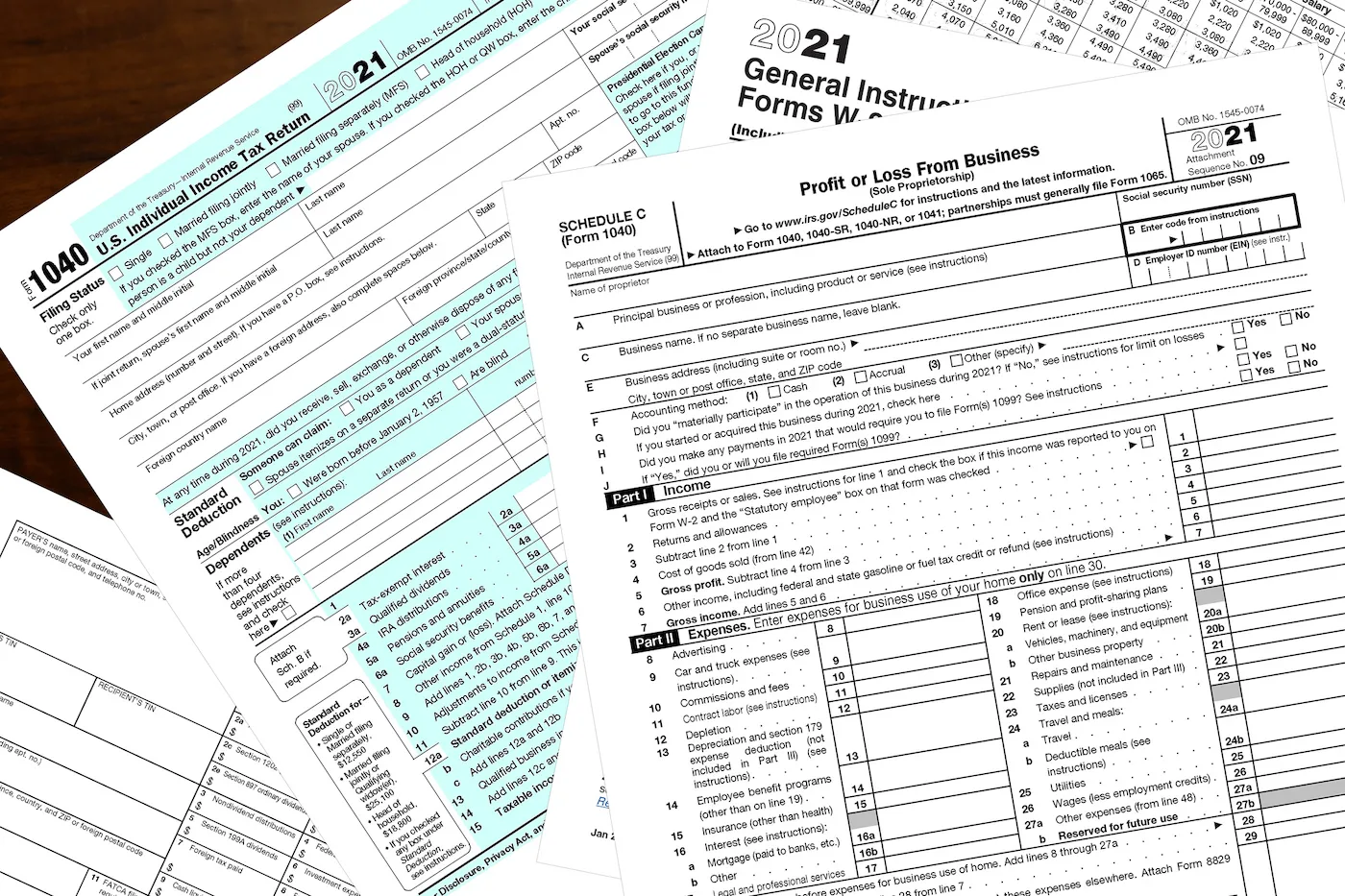
One of the most significant choices a filer makes is whether to take the standard deduction or to itemize. The standard deduction is a flat amount that reduces your taxable income, adjusted annually for inflation. Itemizing involves listing out specific expenses—such as charitable donations, significant medical expenses, and state and local taxes (SALT)—to see if their sum exceeds the standard deduction.
For many, the standard deduction is the most efficient route. However, for high-net-worth individuals or those with significant deductible expenses, itemizing can lead to thousands of dollars in savings. This choice is a pivotal moment in the filing process that requires a careful review of the year’s expenditures.
Leveraging Tax Credits for Long-Term Growth
While deductions lower the amount of income you are taxed on, tax credits are even more powerful: they provide a dollar-for-dollar reduction of your actual tax bill. For example, a $1,000 tax credit reduces your tax liability by exactly $1,000.
Strategic filers look for credits related to energy-efficient home improvements, education expenses (like the American Opportunity Tax Credit), and retirement savings (the Saver’s Credit). By understanding which credits are available before the year ends, an individual can make financial decisions—such as choosing an electric vehicle or investing in a specific type of bond—that will yield a direct benefit during tax season.
Modern Tools and Filing Methods
The days of paper forms and “pencil-and-calculator” math are largely behind us. The digital transformation of the financial sector has made filing more accessible, though the underlying logic remains complex.
DIY Software vs. Professional CPAs
The choice of how to file often depends on the complexity of one’s financial portfolio. Tax preparation software has become incredibly sophisticated, using interview-style interfaces to guide users through their returns. These tools are excellent for individuals with straightforward income streams.
However, as wealth grows and income sources diversify—incorporating rental properties, K-1s from partnerships, or complex stock option exercises—the value of a Certified Public Accountant (CPA) or tax professional increases. A professional does more than just fill out forms; they provide tax planning advice that spans multiple years, helping to structure transactions in the most tax-efficient manner possible.
The Role of Financial Planning in Tax Season
Tax filing should be viewed as a “post-audit” of your financial planning. If you find yourself with a massive tax bill in April, it may indicate that you didn’t utilize tax-advantaged accounts like a 401(k) or 403(b) effectively during the year. Conversely, a very large refund might suggest that you are giving the government an interest-free loan, and you might benefit from adjusting your withholding to put more money into your monthly budget or investment accounts.
The Impact of Late or Incorrect Filing
The consequences of failing to file or filing incorrectly can be severe, ranging from financial penalties to legal action. However, the system is also designed to allow for corrections, provided the filer is proactive.
Penalties, Interest, and the Cost of Procrastination
The IRS imposes two primary penalties: the “failure to file” penalty and the “failure to pay” penalty. The penalty for failing to file is generally much higher—often 5% of the unpaid taxes for each month or part of a month that a tax return is late. This underscores the importance of filing a return (or an extension) even if you cannot afford to pay the full balance immediately.
Interest also accrues on unpaid taxes from the original due date. Over time, these costs can snowball, turning a manageable tax debt into a significant financial crisis. Consistent, on-time filing is the simplest way to protect your credit and your overall financial stability.

The Importance of Accurate Record-Keeping
Accuracy is the best defense against an audit. When you file for taxes, you are essentially making a legal declaration that the information provided is true and complete. Keeping digital or physical receipts for at least three to seven years is a standard best practice in personal finance. In the event that the IRS questions a deduction or a reported income figure, having a clear paper trail allows you to resolve the discrepancy quickly and avoid unnecessary stress or fines.
Filing for taxes is an annual ritual that serves as a pulse check for your economic life. By understanding the mechanisms of income, deductions, and credits, you transform a mandatory chore into a sophisticated tool for wealth preservation and financial growth. Mastery of the tax filing process is, ultimately, mastery of your own money.
aViewFromTheCave is a participant in the Amazon Services LLC Associates Program, an affiliate advertising program designed to provide a means for sites to earn advertising fees by advertising and linking to Amazon.com. Amazon, the Amazon logo, AmazonSupply, and the AmazonSupply logo are trademarks of Amazon.com, Inc. or its affiliates. As an Amazon Associate we earn affiliate commissions from qualifying purchases.