
In an era defined by rapid technological advancement, few companies have captivated the public imagination and disrupted established industries quite like Tesla. Far more than just an electric car, a Tesla is a sophisticated, software-defined machine that fundamentally redefines the act of driving and vehicle ownership. It represents a paradigm shift, intertwining cutting-edge engineering with artificial intelligence, digital connectivity, and a commitment to sustainable energy. To truly understand “what a Tesla does” is to delve into its multifaceted technological prowess, from its revolutionary powertrain to its autonomous capabilities and its integrated digital ecosystem. This article explores the core functionalities and innovative technologies that distinguish Tesla vehicles in the automotive landscape.
The Electrified Core: Redefining Automotive Performance and Efficiency
At the heart of every Tesla is a meticulously engineered electric powertrain, a system that has set new benchmarks for performance, efficiency, and environmental responsibility. Unlike traditional internal combustion engine (ICE) vehicles, Teslas operate solely on electricity, leveraging advanced battery technology and highly efficient electric motors.
Advanced Electric Powertrain and Battery Technology
Tesla’s electric powertrain is a marvel of modern engineering, integrating high-density battery packs with powerful electric motors to deliver instant torque and impressive horsepower. The batteries, typically lithium-ion, are not merely energy storage units but are sophisticated thermal management systems, optimized for both performance and longevity. Tesla has pioneered several innovations in battery design and manufacturing, including the development of structural battery packs and larger 4680 cells, which contribute to greater energy density, faster charging, and improved vehicle safety. This intricate integration allows Tesla vehicles to achieve extended ranges, often surpassing 300 miles on a single charge, making long-distance electric travel a practical reality.
Instant Torque and Dynamic Driving Experience
One of the most striking differences when driving a Tesla compared to an ICE vehicle is the immediate and exhilarating power delivery. Electric motors provide 100% of their available torque from a standstill, translating into blistering acceleration that can rival or even surpass many high-performance sports cars. Models like the Model S Plaid can achieve 0-60 mph in under two seconds, a feat once exclusive to hypercars. This instant torque, combined with a low center of gravity due to the battery pack’s placement in the vehicle floor, results in exceptional handling, stability, and a remarkably quiet, smooth driving experience. The absence of gears and the seamless power flow contribute to an incredibly refined and responsive ride that fundamentally alters the driver’s perception of automotive performance.
Regenerative Braking and Energy Management
Beyond raw power, Teslas excel in energy efficiency through advanced regenerative braking systems. When the driver lifts their foot off the accelerator, the electric motors reverse their function, acting as generators to convert kinetic energy back into electrical energy, which is then stored in the battery. This not only significantly extends the vehicle’s range but also reduces wear on traditional brake pads, leading to lower maintenance costs. The intensity of regenerative braking is often customizable, allowing for a “one-pedal driving” experience where the vehicle can slow down significantly or even come to a complete stop without the driver needing to use the brake pedal. This sophisticated energy management system is a cornerstone of Tesla’s efficiency and a key differentiator in the EV market.
The Intelligent Vehicle: Software-Driven Innovation and Autonomy
What truly sets a Tesla apart is its identity as a computer on wheels, where software dictates much of its functionality, evolution, and user experience. This software-centric approach enables capabilities ranging from advanced driver-assistance systems to a highly customizable infotainment platform, all continuously improving through wireless updates.
Autopilot and Full Self-Driving (FSD) Capabilities
Tesla’s Autopilot system is a sophisticated suite of advanced driver-assistance features designed to enhance safety and reduce driver fatigue. Utilizing an array of cameras, ultrasonic sensors, and radar (though radar has largely been phased out in favor of camera-only “Tesla Vision”), Autopilot enables features like adaptive cruise control, lane keeping, and automatic lane changes. The more advanced Full Self-Driving (FSD) Beta, currently a subscription or one-time purchase option, aims to allow the vehicle to navigate city streets, make turns, and respond to traffic lights and stop signs without human intervention, albeit with the driver still responsible for monitoring and intervening. This technology, powered by a custom-designed neural network chip, represents a monumental leap in automotive AI, continuously learning and improving through millions of miles of real-world driving data.
Over-the-Air (OTA) Updates: Continuous Evolution
A defining characteristic of Tesla vehicles is their ability to receive Over-the-Air (OTA) software updates, similar to how smartphones receive updates. These updates are not limited to minor bug fixes; they regularly introduce new features, enhance existing functionalities (like improving range, performance, or Autopilot capabilities), and even address potential safety concerns. This means a Tesla purchased today can gain new capabilities months or years down the line, constantly evolving and improving its value proposition. This revolutionary approach contrasts sharply with traditional automakers, where new features typically require a visit to a dealership or are reserved for new model years. It ensures that Tesla owners always have access to the latest technological advancements and an ever-improving driving experience.
Immersive Infotainment and Connectivity
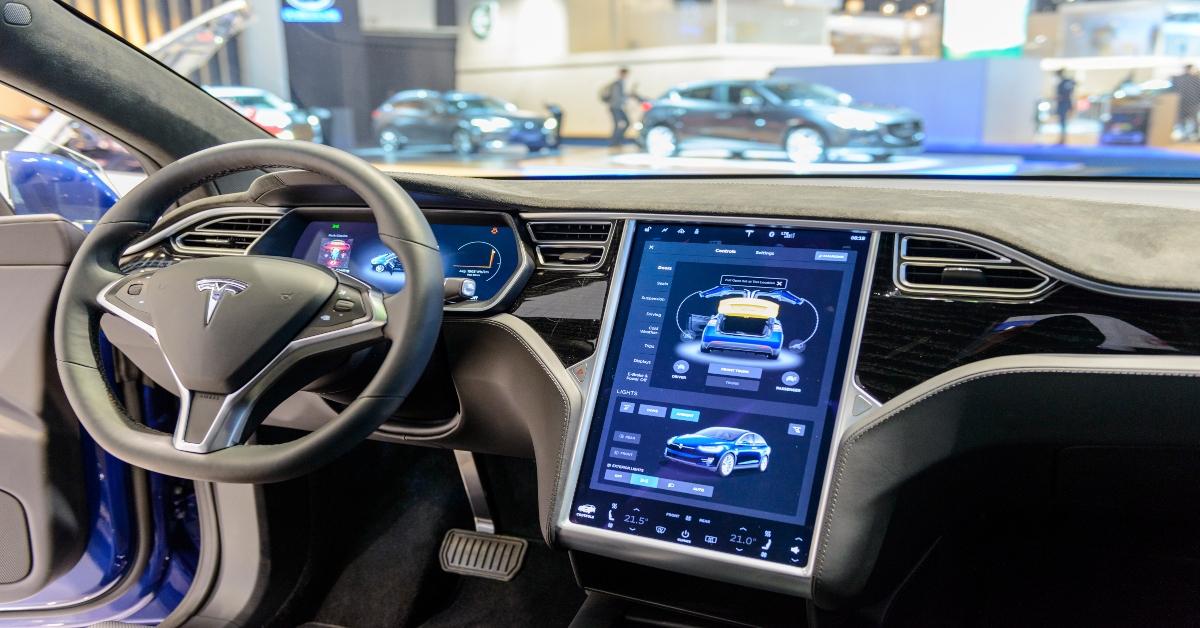
The interior of a Tesla is dominated by a large, centrally mounted touchscreen display that serves as the command center for virtually all vehicle functions. This intuitive interface controls everything from navigation, climate control, and media playback to vehicle settings and Autopilot configurations. The system boasts robust connectivity, enabling real-time traffic updates, internet browsing, music streaming, and even video streaming services when parked. Gaming capabilities, “Caraoke,” and various “Easter eggs” further enhance the in-car experience, making the Tesla cabin a versatile and engaging space. This deep integration of software and hardware creates an immersive and personalized environment, truly transforming the vehicle into a connected digital hub.
Beyond the Drive: Tesla’s Integrated Technological Ecosystem
A Tesla vehicle doesn’t exist in isolation; it is a critical component of a broader technological ecosystem designed to enhance the ownership experience, facilitate charging, and offer advanced management capabilities.
The Supercharger Network: A Cornerstone of EV Adoption
One of Tesla’s most significant technological achievements, beyond the cars themselves, is its proprietary Supercharger network. This global fast-charging infrastructure alleviates range anxiety, a primary concern for many potential EV buyers. Superchargers are strategically located along major travel routes, enabling long-distance journeys with minimal charging stops. The technology behind Supercharging is advanced, capable of delivering hundreds of miles of range in mere minutes, leveraging high-power direct current (DC) charging. The seamless integration means a Tesla automatically navigates to Supercharger stations, pre-conditions the battery for optimal charging, and bills the owner automatically, creating an effortless experience that rivals the convenience of traditional gasoline refueling.
Seamless Mobile App Integration and Vehicle Management
The Tesla mobile app is an indispensable tool for owners, offering an unparalleled level of remote control and connectivity with their vehicle. Through the app, owners can remotely lock/unlock doors, pre-condition the cabin temperature, check charging status, summon the car (if equipped with Smart Summon), schedule service appointments, and even view the car’s live surroundings via Sentry Mode cameras. The app also provides detailed driving statistics, charging history, and direct communication with Tesla service. This deep integration transforms the smartphone into a powerful extension of the car, providing convenience, peace of mind, and comprehensive vehicle management from anywhere in the world.
Advanced Diagnostics and Predictive Maintenance
Tesla’s highly connected nature extends to its diagnostic capabilities. The vehicles constantly monitor their own systems, collecting vast amounts of data on performance, battery health, and potential issues. This data is transmitted back to Tesla, enabling proactive diagnostics and, in some cases, predictive maintenance. Tesla service can often diagnose problems remotely, sometimes even pushing an OTA update to resolve software-related issues without requiring a service visit. This advanced telemetry allows for more efficient troubleshooting, reduces downtime, and contributes to the overall reliability and longevity of the vehicle, marking another significant departure from conventional automotive service models.
Safety and Security: Engineering for a Smarter Future
Safety is a core tenet of Tesla’s design philosophy, underpinned by innovative structural engineering, active safety features, and digital security measures that protect both occupants and the vehicle itself.
Proactive Safety Features and Crash Protection
Tesla vehicles are engineered from the ground up to be among the safest on the road. The absence of a large engine block in the front allows for a much larger crumple zone, absorbing impact energy more effectively. The heavy battery pack mounted low in the chassis enhances structural rigidity and lowers the center of gravity, significantly reducing the risk of rollovers. Active safety features, powered by the same sensor suite used for Autopilot, include automatic emergency braking, collision avoidance assist, lane departure warning, and blind-spot monitoring. These systems continuously monitor the environment around the car, providing warnings or even intervening autonomously to prevent or mitigate accidents, achieving top safety ratings across various global crash tests.
Digital Security and Data Privacy
Given their extensive connectivity and software-centric nature, Tesla vehicles are built with robust digital security measures. Encryption protocols protect data transmission, while secure boot processes ensure the integrity of the vehicle’s operating system. Tesla employs a dedicated security team that continuously monitors for vulnerabilities and issues patches through OTA updates. Furthermore, features like PIN to Drive add an extra layer of protection, requiring a personal identification number to operate the vehicle. Regarding data privacy, Tesla is transparent about data collection for improving Autopilot and other features, with options for owners to manage their data sharing preferences.
Sentry Mode and Advanced Surveillance
Sentry Mode is a unique security feature that leverages the vehicle’s external cameras to monitor its surroundings when parked. If a significant threat is detected, such as someone leaning on the car, the vehicle will flash its lights, display a warning on the touchscreen, and play loud music through its speakers. If a break-in or more severe threat is detected, the system records footage of the event and sends an alert to the owner’s mobile app. This advanced surveillance system acts as a deterrent against theft and vandalism, providing owners with an unprecedented level of peace of mind regarding their parked vehicle’s security.
The Future of Mobility: Tesla’s Vision and Impact
More than just building cars, Tesla is engaged in a broader mission to accelerate the world’s transition to sustainable energy. Its technological advancements in electric vehicles are intertwined with a vision for a cleaner, more autonomous, and more efficient future.
Accelerating the Transition to Sustainable Energy
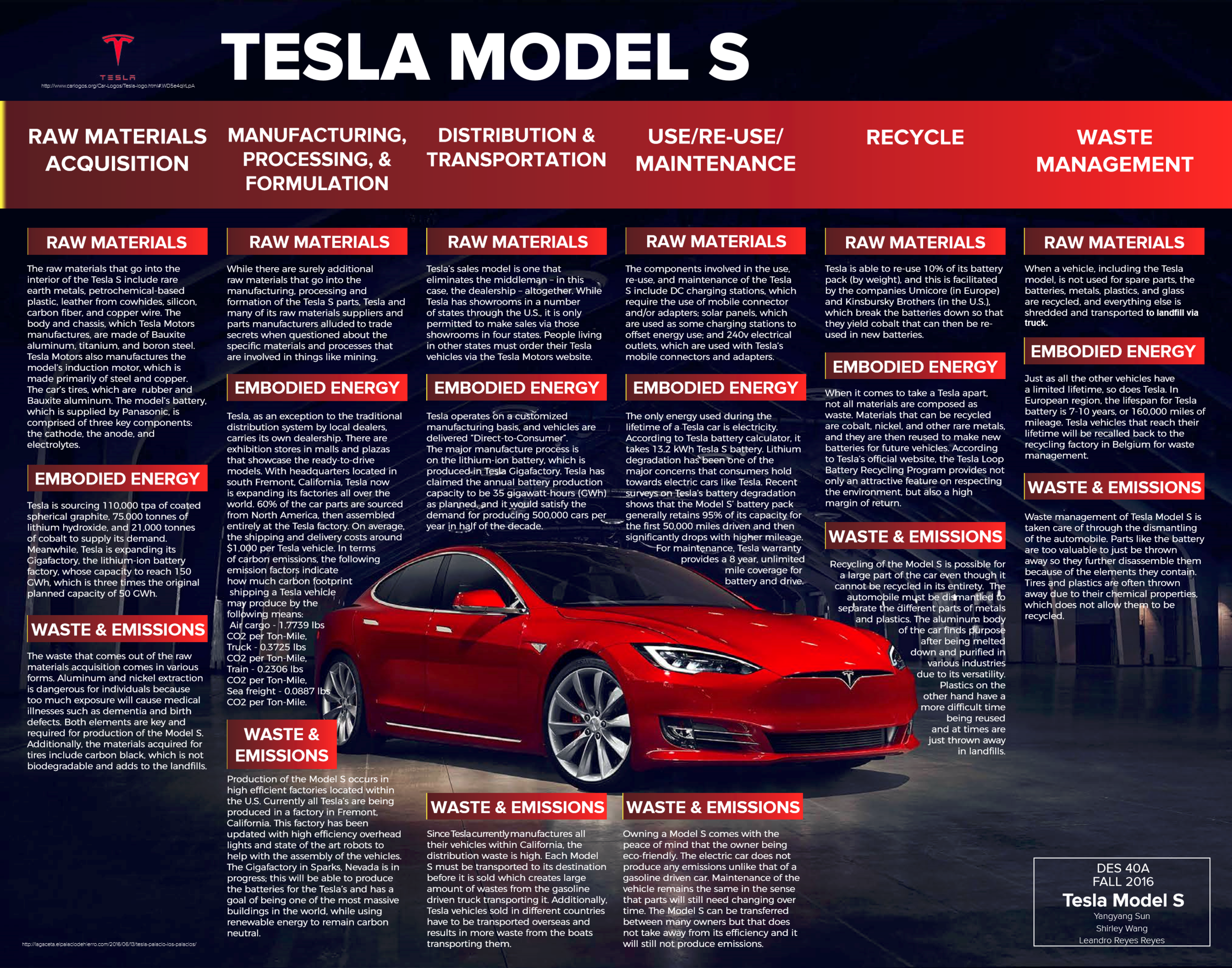
Tesla’s fundamental purpose is to accelerate the adoption of electric vehicles globally. By demonstrating that EVs can be high-performance, desirable, and practical, Tesla has spurred innovation across the entire automotive industry, forcing traditional manufacturers to commit billions to electrification. Its advancements in battery technology, charging infrastructure, and vehicle efficiency directly contribute to reducing reliance on fossil fuels, lowering carbon emissions, and combating climate change. This impact extends beyond its vehicles to its energy storage solutions (Powerwall) and solar products, creating an integrated sustainable energy ecosystem.
Shaping Autonomous Driving Standards
Through its aggressive pursuit of Full Self-Driving capabilities, Tesla is at the forefront of defining the future of autonomous mobility. The vast amount of real-world driving data collected from its fleet—billions of miles—provides an unparalleled dataset for training its neural networks, pushing the boundaries of artificial intelligence in automotive applications. While the journey to true Level 5 autonomy is complex, Tesla’s continuous development and deployment of FSD Beta are instrumental in establishing the technological benchmarks, regulatory discussions, and public expectations for self-driving cars worldwide, shaping the trajectory of urban planning, logistics, and personal transportation.
Pioneering Manufacturing Techniques (Gigacasting)
Tesla’s innovation isn’t confined to its vehicle’s software or performance; it extends deeply into its manufacturing processes. Techniques like “gigacasting,” where massive casting machines create large sections of a car’s underbody as a single piece, significantly simplify the manufacturing process, reduce complexity, lower production costs, and improve structural integrity. This radical approach to manufacturing efficiency and scalability, implemented in its Giga-factories, is poised to revolutionize how cars are built across the industry, enabling faster production rates and more cost-effective EVs in the future.
In conclusion, “what a Tesla does” is far more encompassing than simply transporting people from point A to point B. It drives innovation in electric powertrains, redefines the user experience through software and connectivity, establishes new safety standards, and aggressively pushes the boundaries of autonomous technology. A Tesla is a dynamic, evolving piece of technology that offers not just a mode of transport but an integrated, intelligent, and sustainable mobility solution that continuously adapts and improves, fundamentally shaping the automotive landscape for decades to come.
aViewFromTheCave is a participant in the Amazon Services LLC Associates Program, an affiliate advertising program designed to provide a means for sites to earn advertising fees by advertising and linking to Amazon.com. Amazon, the Amazon logo, AmazonSupply, and the AmazonSupply logo are trademarks of Amazon.com, Inc. or its affiliates. As an Amazon Associate we earn affiliate commissions from qualifying purchases.