
The term “fascism” is often thrown around in political discourse, sometimes as a casual insult, other times as a serious accusation. But what does it actually mean? Understanding fascism is crucial, not just for historical context, but to recognize its potential resurgence and to safeguard against its corrosive effects on society, particularly in areas like technological development, brand perception, and financial systems. While often associated with historical figures like Mussolini and Hitler, the core tenets of fascism are a persistent threat, capable of manifesting in ways that impact our digital lives, corporate identities, and economic well-being.
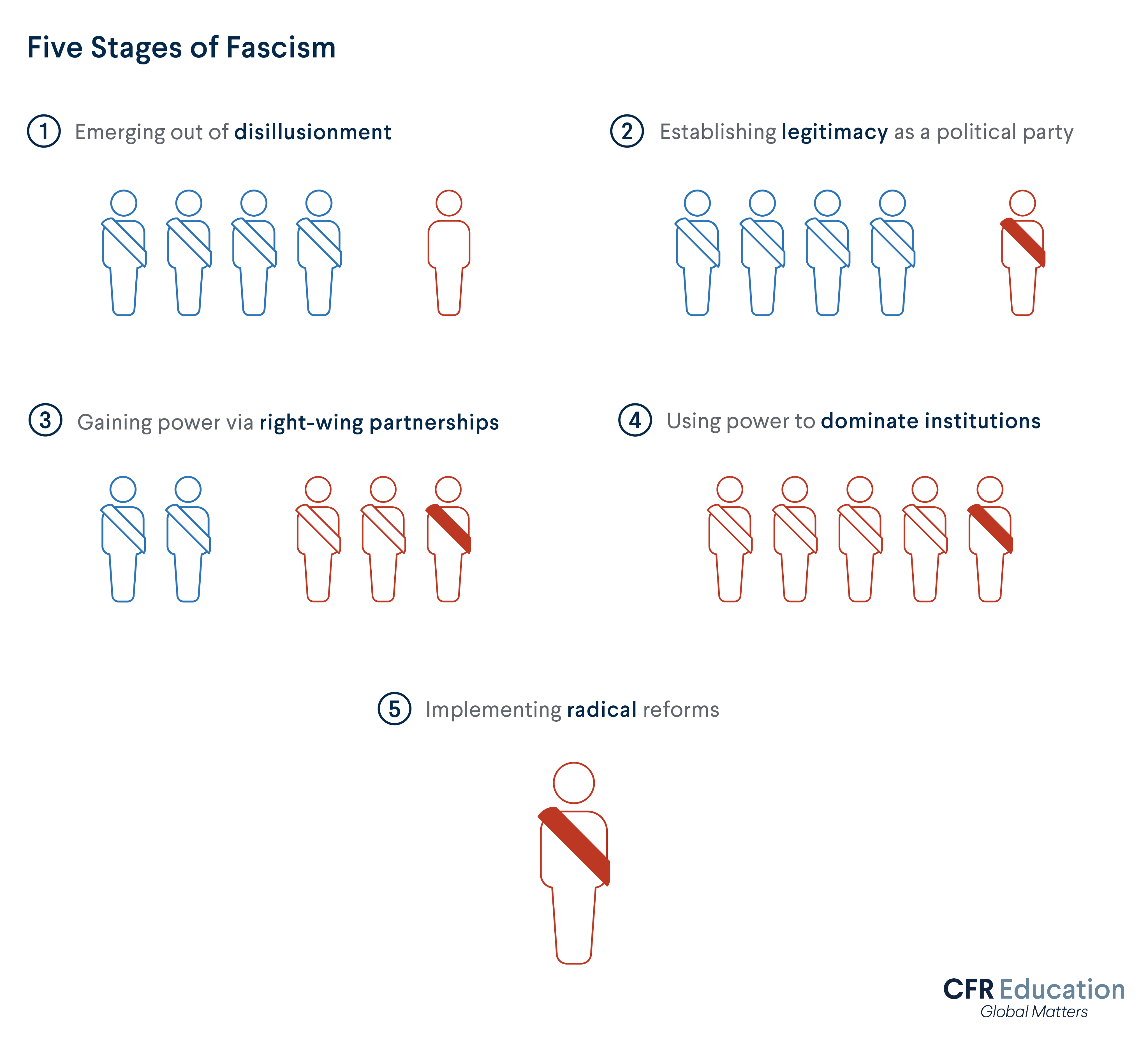
This article aims to demystify fascism by exploring its fundamental characteristics. We will delve into its ideological underpinnings, examine its methods of control, and consider how its principles might subtly or overtly intersect with the modern landscapes of technology, branding, and finance. By understanding the anatomy of fascism, we can better identify and resist its manifestations, whether they appear in overt political movements or more insidious forms within the systems we interact with daily.
The Core Pillars of Fascist Ideology
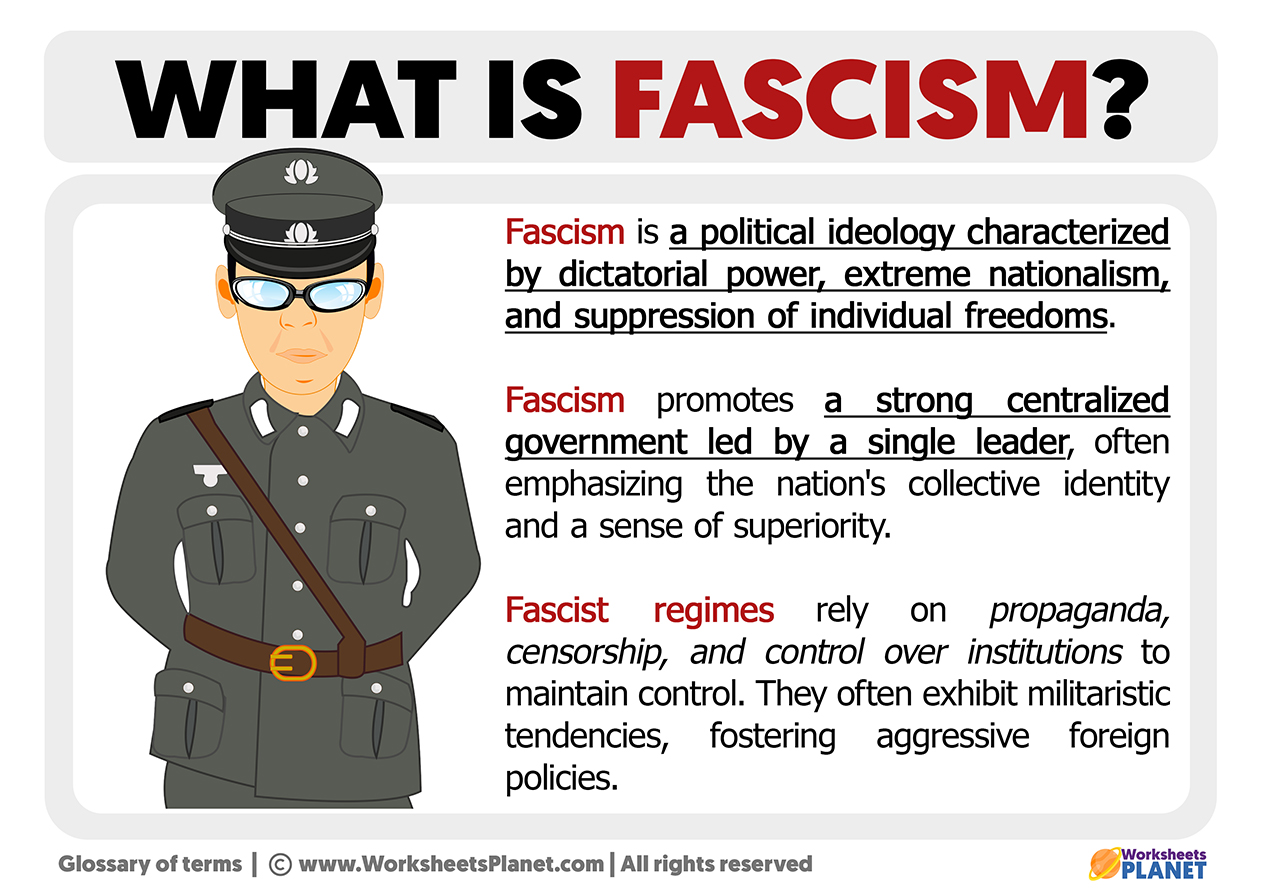
Fascism, at its heart, is a radical, authoritarian ultranationalism characterized by dictatorial power, forcible suppression of opposition, and strong regimentation of society and the economy. It’s not simply a political ideology; it’s a worldview that prioritizes the nation or race above all else, demanding absolute loyalty and subservience from its citizens. To truly grasp “what is fascism,” we must dissect its foundational elements.
1. Ultranationalism and the Cult of the Nation
The defining feature of fascism is an aggressive, all-encompassing form of nationalism. This isn’t the benign patriotism of celebrating cultural heritage or national pride. Instead, fascist nationalism is a zealous, often aggressive, belief in the inherent superiority and destiny of one’s own nation. The “nation” in fascist ideology is a mystical, organic entity, a living being to which every individual owes their absolute allegiance. This concept of the nation often transcends individual rights and freedoms, demanding that citizens sacrifice their personal interests for the perceived good of the collective.
This ultranationalism frequently manifests as:
- Ethnic or Racial Purity: While not always explicitly racial, fascist movements often promote a romanticized and exclusive notion of national identity, which can easily morph into a belief in ethnic or racial purity. This leads to the demonization and persecution of minority groups, who are seen as threats to the national unity and strength.
- Historical Revisionism and Glorification: Fascist regimes often rewrite history to create a narrative of past glory and victimhood, justifying their current actions and inspiring a sense of nationalistic fervor. They evoke a mythical past and promise a return to that supposed golden age.
- Militarism and Expansionism: The nation’s strength is paramount, and this is often expressed through military might. Fascist ideologies typically glorify war and view conflict as a means of national renewal and expansion. Expansionist ambitions are common, driven by a belief in national destiny and the need to acquire resources or territory.
2. Authoritarianism and the Supreme Leader
Central to fascism is the rejection of liberal democracy, pluralism, and individual rights. Instead, it champions an authoritarian system where power is concentrated in the hands of a single, charismatic leader and a ruling party. This leader is often portrayed as an infallible, almost god-like figure, the embodiment of the national will.
Key characteristics of fascist authoritarianism include:
- The Cult of Personality: The leader is elevated to an almost mythical status, their image and words permeating all aspects of public life. Propaganda plays a crucial role in building and maintaining this cult of personality, ensuring unwavering devotion.
- Suppression of Dissent: Opposition parties, independent media, and any form of dissent are ruthlessly suppressed. Freedom of speech, assembly, and the press are abolished, replaced by state-controlled narratives. Secret police and surveillance are common tools to maintain control.
- One-Party Rule: The fascist party is the sole legitimate political organization, and its ideology dictates all aspects of governance. Compromise and debate are seen as weaknesses, and the party’s will is absolute.
3. Corporatism and State Control of the Economy
Fascism rejects both laissez-faire capitalism and Marxist socialism, instead advocating for a system of “corporatism.” In this model, the economy is organized into state-controlled syndicates or corporations representing different industries and labor groups. While ostensibly aiming for cooperation, the reality is that these bodies are subservient to the state, which dictates economic policy and directs production towards national goals.
Key aspects of fascist economic policy include:
- State Intervention and Direction: Private property might technically exist, but it is heavily regulated and directed by the state. The economy serves the interests of the nation, not individual profit. Industrialists and laborers are expected to work together under state guidance.
- Suppression of Labor Unions: Independent labor unions are abolished and replaced by state-controlled worker organizations that are designed to enforce discipline and productivity, not to advocate for workers’ rights.
- Autarky and Self-Sufficiency: Fascist regimes often strive for economic self-sufficiency, seeking to reduce reliance on foreign trade and become independent. This can lead to protectionist policies and trade wars.
The Shadow of Fascism in Modern Contexts
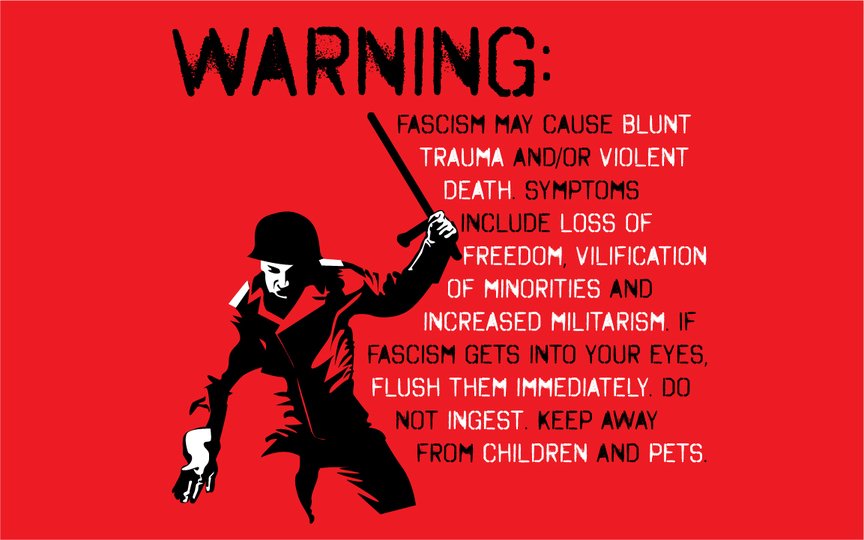
While overt fascist regimes might be a grim chapter in history, the underlying principles can subtly infiltrate and influence contemporary systems. Examining these intersections can help us recognize and counter nascent authoritarian tendencies, even in realms seemingly distant from traditional politics.
Fascism and the Digital Frontier: Tech, Information, and Control
The rapid evolution of technology presents new avenues for both empowerment and control. Fascist ideologies, with their emphasis on centralized power and the suppression of dissent, can find fertile ground in the digital space.
Algorithmic Nationalism and Digital Propaganda
The algorithms that power our social media feeds and search engines can inadvertently (or intentionally) create echo chambers that reinforce nationalist narratives and demonize opposing viewpoints. This can be seen as a modern form of propaganda, where curated content subtly shapes perceptions and fosters a sense of shared, often exclusive, identity.
- Personalized Propaganda: AI tools can be used to create highly targeted propaganda, tailoring messages to exploit individual vulnerabilities and biases, amplifying nationalist sentiment and fostering an “us vs. them” mentality.
- Censorship and Deplatforming: While often framed as necessary for combating misinformation or hate speech, overly broad or politically motivated censorship can mirror fascist suppression of dissenting voices. The power to control what information is accessible and who can speak online is a potent tool.
- Surveillance and Data Control: The collection and analysis of vast amounts of personal data by tech giants and governments can be used for monitoring and controlling populations. In a fascist context, this data would be employed to identify and neutralize any perceived threats to the state or its ideology.
- The “Digital Citizen” and Loyalty: As our lives become increasingly digitized, our online interactions become extensions of our civic identities. The pressure to conform online, to express loyalty to dominant narratives, can be a subtle form of digital authoritarianism.
Branding and the Fascist Echo: Identity, Reputation, and Manipulation
The principles of brand building and reputation management, while legitimate business practices, can unfortunately be twisted to serve more sinister ends, mirroring fascist tactics of manufactured identity and ideological conformity.
Manufacturing Consent and Corporate Identity
Fascist movements are masters of image-making. They craft powerful, often simplistic, narratives that resonate emotionally with a target audience, while systematically discrediting any alternative. This bears a striking resemblance to modern brand strategy, albeit with vastly different ethical implications.
- Cult of the Brand “Leader”: Just as fascist movements elevate a supreme leader, some brands foster an almost cult-like devotion to their founders or key figures. This can create an intense personal connection with consumers, blurring the lines between product loyalty and ideological adherence.
- “Brand Nationalism” and Exclusion: Brands can sometimes tap into nationalist sentiments to foster loyalty, creating a sense of shared identity among consumers and implicitly excluding those who don’t fit the brand’s perceived national or cultural alignment. This can be a subtle form of exclusion, similar to how fascism defines an in-group and out-group.
- Reputation Management as Narrative Control: In its most manipulative form, reputation management can involve aggressively suppressing negative information and crafting an idealized, often manufactured, public image. This echoes the fascist tactic of controlling the narrative and presenting an unblemished, albeit false, national persona.
- The “Total Brand Experience”: When brands seek to control every aspect of a consumer’s interaction, from product design to marketing messages and even customer service interactions, it can create a feeling of total immersion that mirrors the pervasive influence of fascist ideology in all aspects of life.
Money, Power, and the Fascist Grip: Financial Systems and Control
Fascism’s inherent desire for state control extends deeply into economic and financial spheres. The manipulation of money and resources can be a powerful tool for enforcing ideological conformity and maintaining power.
Economic Control and the “National Interest”
Fascism prioritizes the state’s economic interests above all else, often at the expense of individual financial well-being or global economic stability.
- State-Directed Investment and Resource Allocation: Fascist regimes would direct financial resources towards projects that bolster national strength or serve ideological goals, rather than market efficiency or individual prosperity. This could involve heavily subsidizing certain industries deemed strategically important or nationalistic.
- Suppression of Independent Financial Advice: In a fascist state, independent financial advice that contradicts state directives would be suppressed. The narrative would be controlled, pushing citizens towards state-approved investment vehicles and financial practices.
- “Financial Autarky” and Protectionism: A push for financial self-sufficiency, mirroring economic autarky, could lead to extreme protectionist policies, currency manipulation, and the isolation of a nation’s financial system from global markets, potentially causing significant disruption.
- Exploitation and Wealth Concentration: While ostensibly rejecting class struggle, fascist regimes often see wealth concentrated in the hands of loyal elites who serve the state’s agenda, while the general populace is expected to contribute their labor and resources without significant personal financial gain.
Conclusion: Vigilance in a Complex World
Understanding “what is fascism” is an ongoing and vital endeavor. While the historical manifestations are stark, the underlying principles of ultranationalism, authoritarianism, and the subjugation of the individual to a perceived collective good can find new expressions in our increasingly interconnected and technologically advanced world.
By critically examining how these principles might manifest in the realms of technology, brand perception, and financial systems, we can become more discerning consumers, more informed citizens, and more vigilant guardians of democratic values. The fight against fascism is not solely about opposing overt political movements; it is also about recognizing and resisting the subtle erosions of freedom, individuality, and critical thought wherever they appear. The future of our societies, our digital lives, our brands, and our financial stability depends on our collective ability to understand and actively counter this dangerous ideology.
aViewFromTheCave is a participant in the Amazon Services LLC Associates Program, an affiliate advertising program designed to provide a means for sites to earn advertising fees by advertising and linking to Amazon.com. Amazon, the Amazon logo, AmazonSupply, and the AmazonSupply logo are trademarks of Amazon.com, Inc. or its affiliates. As an Amazon Associate we earn affiliate commissions from qualifying purchases.