
Understanding “evangelicals” extends beyond a simple religious definition; it delves into the formation and evolution of a distinct collective identity, a public perception, and a set of shared values that, when viewed through a strategic lens, resemble the development of a unique “brand.” Like any widely recognized entity, evangelicals possess a core identity, communicate specific messages, and navigate a complex public image, making it an intriguing subject for brand analysis.
The Core Identity: Defining Evangelicalism
At its heart, evangelicalism is a multifaceted Protestant Christian movement characterized by a specific set of theological convictions and a passionate commitment to spreading its faith. Defining this core identity is the first step in understanding its collective “brand.”
Theological Pillars
The foundational tenets serve as the immutable core of the evangelical identity. Four key pillars are often cited:
- Conversionism: The belief that individuals must undergo a personal experience of conversion or being “born again” to enter into a right relationship with God. This emphasis on a transformative personal encounter is central to their narrative.
- Activism: A strong commitment to sharing the Christian faith with others, often referred to as evangelism or missions. This proactive dissemination of their message is a hallmark of their identity and fuels their outreach efforts.
- Biblicism: A high regard for the Bible as the inspired, infallible, and authoritative Word of God, serving as the ultimate guide for faith and life. This reliance on scripture informs their worldview and ethical framework.
- Crucicentrism: A focus on the atoning death and resurrection of Jesus Christ as the central event of salvation. The cross is not just a symbol but the pivotal point of their theological understanding.
These pillars form the unchanging essence of the evangelical brand, providing a consistent message and purpose across various contexts.
Historical Roots and Evolution
The evangelical movement is not monolithic but has evolved significantly since its roots in the Protestant Reformation, gaining distinct form through the Great Awakenings of the 18th and 19th centuries in America and Britain. This historical narrative is crucial to understanding the brand’s trajectory. Early evangelicalism emphasized personal piety, moral reform, and missionary zeal. Over time, its identity has been shaped by various social and political movements, leading to periods of expansion, consolidation, and sometimes, internal tension. Understanding this historical arc is vital for comprehending current perceptions and strategies. The journey from a fringe revivalist movement to a significant cultural and political force illustrates a brand’s ability to adapt and grow while maintaining core principles.
Diversity Within the Movement
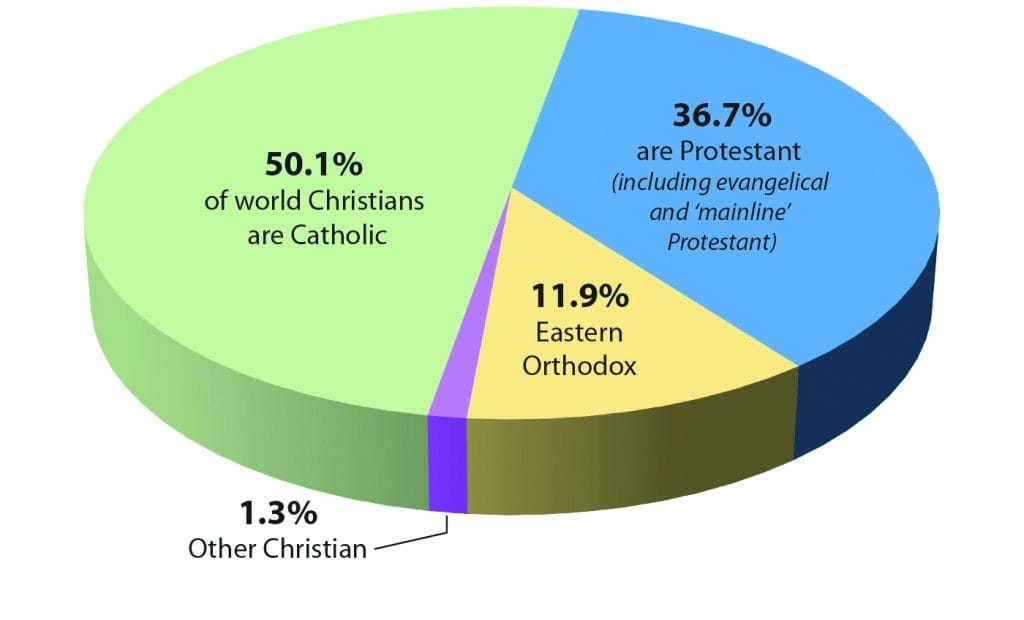
One of the most complex aspects of the evangelical “brand” is its internal diversity. While the theological pillars provide a unifying framework, evangelicalism encompasses a vast array of denominations, theological nuances, political affiliations, and cultural expressions. From Pentecostals and Baptists to non-denominational communities, the aesthetic and practical manifestations can vary widely. This internal variety means that “the evangelical brand” is not a singular, uniform entity but rather a collective identity with many sub-brands, each contributing to and sometimes challenging the overall perception. Recognizing this diversity is critical for avoiding oversimplification and understanding the nuances of how the “evangelical” label is perceived and managed.
Shaping the Public Perception: The Evangelical “Brand”
Every influential group cultivates a public image, whether intentionally or organically. For evangelicals, this involves conscious efforts in communication, media engagement, and cultural participation, which collectively shape their external “brand.”
Key Messaging and Communication
Evangelical communication strategies are often direct and purposeful. Historically, this has involved revivals, crusades, and missionary endeavors designed to share their core message of conversion and salvation. In the modern era, communication has diversified to include extensive media presence—radio, television, publishing, and digital platforms. Key messaging often revolves around themes of personal transformation, moral values, community, and hope. The emphasis is on clarity, accessibility, and emotional resonance, aiming to connect with individuals on a deep personal level and invite them into the evangelical narrative. This intentional communication strategy is a fundamental aspect of cultivating and maintaining their collective identity.
Influence of Media and Cultural Engagement

The evangelical brand is heavily influenced by its interaction with broader media and culture. Evangelicals have long understood the power of media, establishing their own publishing houses, broadcasting networks, and film studios. This engagement allows them to directly shape their narrative and reach specific audiences. Furthermore, the public actions and statements of prominent evangelical figures often become synonymous with the broader movement, for better or worse. Cultural engagement, whether through music, art, or social activism, further contributes to how the evangelical brand is perceived by the public. When evangelical artists top charts or when leaders speak on national issues, they contribute to the ongoing definition and perception of the movement.
Perceptions and Misconceptions
Like any powerful brand, the evangelical identity is subject to both positive and negative perceptions, as well as widespread misconceptions. For some, the evangelical brand signifies compassion, strong family values, and community service. For others, it might evoke associations with political conservatism, social rigidity, or exclusivism. These perceptions are often shaped by media portrayals, political alignments, and the actions of a visible few. Managing these varied perceptions and correcting misconceptions is a constant challenge for the collective evangelical identity, requiring careful consideration of messaging and public engagement.
Impact on Identity and Affiliation
The evangelical “brand” significantly impacts how individuals within the movement identify themselves and how they choose to affiliate. It provides a framework for personal and collective identity.
Personal Branding for Evangelical Leaders
Just as a CEO embodies a corporate brand, key evangelical leaders often become central figures in the public perception of the movement. Their personal branding—their theological positions, communication style, ethical conduct, and political leanings—can profoundly influence how the broader evangelical identity is understood. When a prominent figure champions a particular cause or takes a controversial stance, it can shape public perception of the entire group. Thus, personal branding among leaders is intertwined with the collective brand management of evangelicalism.
Collective Identity and Community
For adherents, the evangelical brand offers a strong sense of collective identity and belonging. It provides a shared set of beliefs, values, and practices that foster community and mutual support. Affiliation with this identity often means aligning with a specific worldview, participating in particular social circles, and engaging in shared spiritual practices. This collective identity can be a powerful force for social cohesion and mobilization, creating a distinct cultural and spiritual niche for its members.
Navigating a Complex Public Image
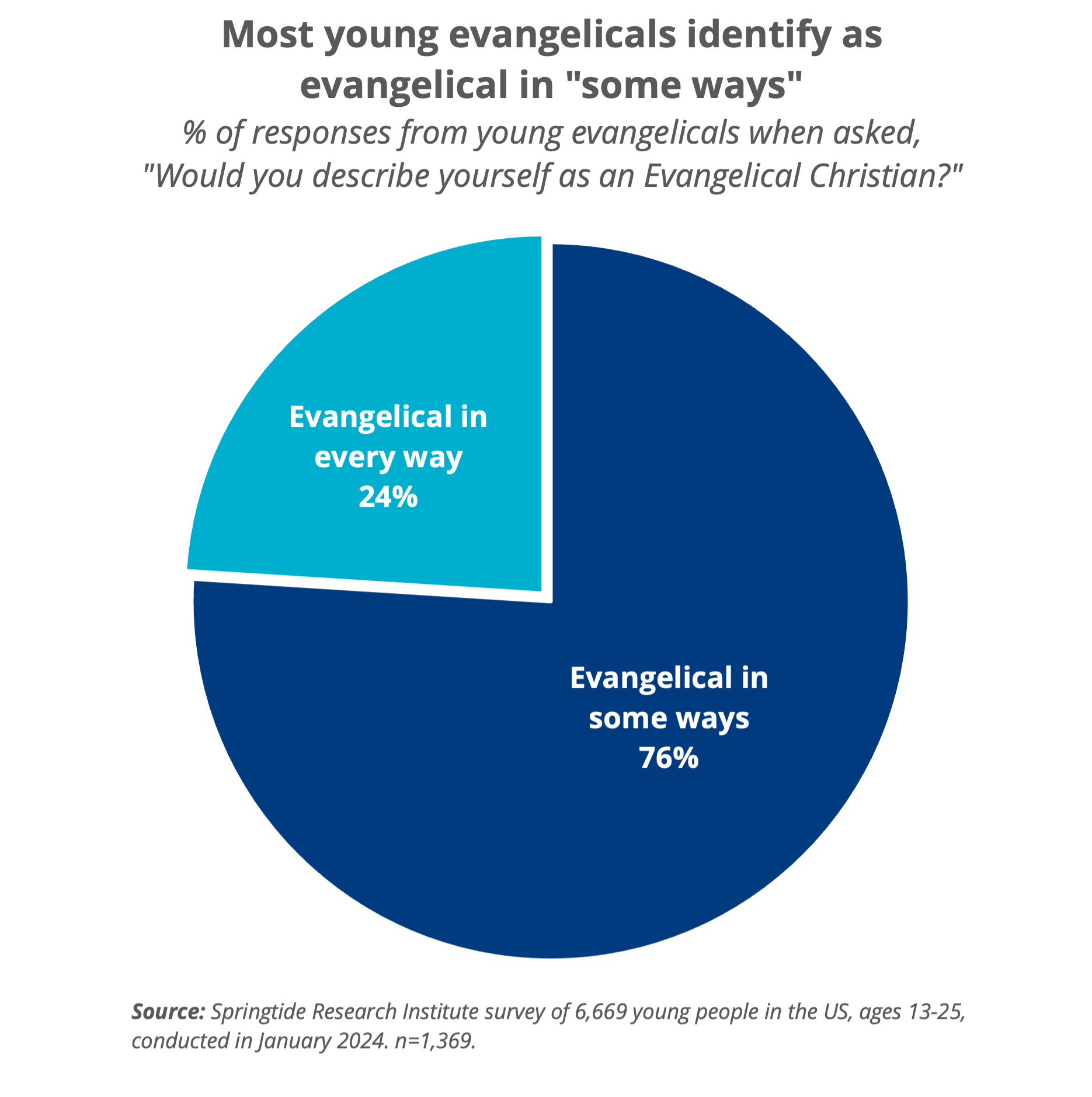
Individuals who identify as evangelical often find themselves navigating a complex public image. They may need to explain or defend their affiliation in secular spaces, differentiate themselves from negative stereotypes, or articulate the nuances of their beliefs. This act of personal and communal interpretation is a form of ongoing brand management, where individuals embody and articulate the values of the larger movement, often seeking to present an authentic and nuanced representation against simplified or politicized portrayals.
The Challenge of Consistency: Brand Management in a Dynamic Landscape
Maintaining a coherent and respected brand identity is a continuous process, especially for a diverse and historically rich movement like evangelicalism. It requires strategic adaptability and a commitment to core values amidst changing societal norms.
Adapting to Societal Shifts
The evangelical brand has consistently faced the challenge of adapting to rapidly changing societal landscapes without compromising its core tenets. Issues such as evolving cultural norms, scientific advancements, and political realignments require ongoing reflection and strategic communication. How the movement addresses these shifts—whether through cautious engagement, firm opposition, or internal re-evaluation—significantly impacts its public relevance and perception. This dynamic interaction with the outside world is a critical aspect of managing a long-term, impactful brand.
Maintaining Core Values Amidst Change
A key challenge for any enduring brand is to maintain consistency in its core values while remaining relevant. For evangelicals, this means upholding their theological pillars (conversionism, activism, biblicism, crucicentrism) while navigating contemporary issues. The tension between tradition and modernity, dogma and dialogue, represents an ongoing strategic balancing act. Successful brand management for evangelicals involves finding ways to articulate unchanging truths in culturally resonant ways, ensuring that the essence of their identity persists across generations and amidst diverse audiences. This commitment to both continuity and contemporary relevance defines the ongoing journey of the evangelical brand.
aViewFromTheCave is a participant in the Amazon Services LLC Associates Program, an affiliate advertising program designed to provide a means for sites to earn advertising fees by advertising and linking to Amazon.com. Amazon, the Amazon logo, AmazonSupply, and the AmazonSupply logo are trademarks of Amazon.com, Inc. or its affiliates. As an Amazon Associate we earn affiliate commissions from qualifying purchases.