
In an era defined by digital convenience and on-demand entertainment, the traditional notion of television programming has been irrevocably transformed. Viewers no longer merely consume content; they curate it, tailoring their viewing experience to their individual preferences and schedules. For fans of AMC, the network renowned for its critically acclaimed dramas like “Mad Men,” “Breaking Bad,” and “The Walking Dead,” understanding the evolving landscape of digital distribution is paramount. This guide delves into the technological pathways available for streaming AMC content, offering a comprehensive overview for enthusiasts keen on accessing their favorite shows with maximum flexibility and optimal viewing quality.

The question “Where can I stream AMC?” is fundamentally a query about technology – the platforms, applications, devices, and digital ecosystems that facilitate content delivery from the broadcaster to your screen. It’s about navigating a fragmented yet rich digital environment, choosing the right tech solutions, and optimizing your setup for a seamless entertainment experience. Whether you’re a cord-cutter, a dedicated app user, or someone who prefers the flexibility of on-demand rentals, this article will illuminate the various technological avenues to bring AMC’s compelling storytelling directly to you.
Navigating the AMC Streaming Landscape
The journey of television content from a broadcast studio to a viewer’s screen has undergone a radical transformation. What was once a simple, linear transmission process has evolved into a complex, multi-platform digital delivery system. Understanding this shift is the first step in effectively streaming AMC.
The Evolution of Content Consumption
For decades, content consumption was primarily a linear affair, dictated by fixed broadcast schedules and geographical limitations. You tuned in at a specific time, on a specific channel, using a traditional cable or satellite service. The advent of the internet, coupled with advancements in digital compression and data transfer, ushered in the era of on-demand viewing. This paradigm shift empowered viewers to watch what they want, when they want, and on the device of their choosing. AMC, like many networks, has adapted its distribution strategy to embrace this digital transformation, offering a myriad of options that leverage streaming technology. From dedicated apps to integration within larger streaming ecosystems, the focus has shifted from mere broadcast to sophisticated digital delivery.
Identifying Key AMC Offerings
Before diving into specific platforms, it’s crucial to distinguish between the various ways AMC content is packaged and presented digitally. The core “AMC channel” that many associate with cable TV is just one piece of the puzzle. Beyond that, AMC Networks operates a suite of distinct streaming services and content libraries:
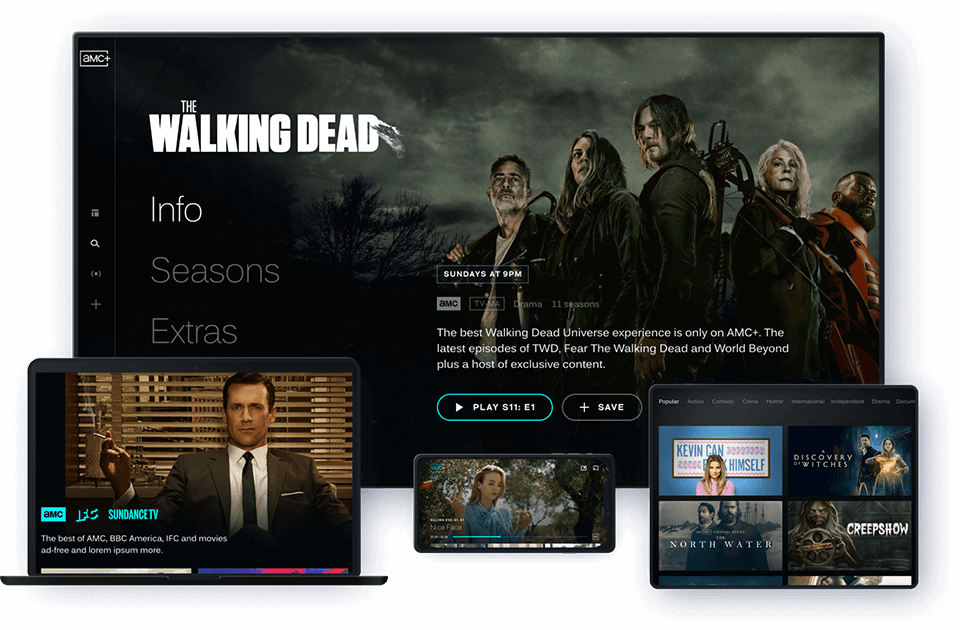
- AMC+: This is AMC Networks’ flagship premium streaming service, designed to be a comprehensive hub. It not only includes content from the AMC channel but also bundles programming from its sister streaming services like Shudder (horror), Sundance Now (indie films, dramas), and Acorn TV (British/international series), along with exclusive AMC+ Originals.
- Individual Channel Apps/Add-ons: While AMC+ consolidates much of this, Shudder, Sundance Now, and Acorn TV still exist as standalone services, often available as add-ons through larger platforms like Amazon Prime Video Channels or Apple TV Channels.
- On-Demand Content: Individual episodes, seasons, or movies produced by AMC are often available for digital rental or purchase across various platforms, separate from subscription services.
Understanding these distinctions is key to selecting the most appropriate streaming solution based on your viewing habits and desired content mix.
The Technical Backbone of Streaming
At its heart, streaming AMC content relies on a robust technological infrastructure. Three primary components are indispensable:
- Internet Connection: A stable and sufficiently fast internet connection is the bedrock. High-definition (HD) streaming typically requires a minimum of 5-8 Mbps, while 4K Ultra HD demands upwards of 25 Mbps. Latency and jitter are also critical factors influencing the smoothness of playback, particularly for live streams.
- Streaming Devices: These are the hardware endpoints that receive and decode the digital video stream. This category includes smart TVs, dedicated streaming sticks/boxes (Roku, Amazon Fire TV, Apple TV, Google Chromecast), gaming consoles (PlayStation, Xbox), smartphones, tablets, and personal computers. Each device utilizes specific operating systems and hardware capabilities to render the content.
- Streaming Applications (Apps): These software interfaces run on your streaming devices and act as the gateway to the content. Apps handle user authentication, content discovery, digital rights management (DRM), video playback, and often incorporate features like watchlists and personalized recommendations. The efficiency and user-friendliness of these apps significantly impact the overall streaming experience.
Direct Access: The Power of AMC+
For dedicated fans of AMC’s original programming and its extended family of niche content, AMC+ stands out as the most direct and comprehensive streaming solution. It represents AMC Networks’ strategic move to consolidate its premium offerings into a single, user-friendly digital destination.
What is AMC+?
AMC+ is a premium subscription streaming service that offers a vast library of content from AMC, along with an array of programming from its specialized streaming brethren: Shudder, Sundance Now, and Acorn TV. It’s designed to be the ultimate hub for fans of horror, indie films, critically acclaimed dramas, and international series. Key features include:
- Ad-Free Viewing: Most AMC+ content is available without commercial interruptions, providing a cleaner, more immersive viewing experience.
- Exclusive Content: AMC+ often features exclusive original series and movies that are not available on the traditional AMC channel or other streaming platforms.
- Early Access: Subscribers frequently gain early access to new episodes of popular AMC series, sometimes days or weeks before their linear broadcast.
- Deep Library: Beyond current hits, AMC+ offers an extensive back catalog of AMC’s iconic shows, alongside a rotating selection of films and documentaries from its various brands.
How to Subscribe and Access
Subscribing to AMC+ is a straightforward process, reflecting modern app-based subscription models. Viewers can subscribe directly through the AMC+ website, which often provides promotional offers. Alternatively, AMC+ is available as a premium add-on channel through major streaming platforms and digital retailers. These include:
- Amazon Prime Video Channels: Subscribers to Amazon Prime can add AMC+ directly through the Prime Video interface, integrating billing and access within their existing Prime ecosystem.
- Apple TV Channels: Similar to Amazon, Apple TV users can subscribe to AMC+ as a channel, centralizing their subscriptions and viewing within the Apple TV app across various Apple devices.
- Roku Channel Store: Roku device owners can find and subscribe to AMC+ directly through their Roku interface.
- Google Play Store / YouTube TV: While YouTube TV offers the linear AMC channel, AMC+ can often be subscribed to via Google Play or as an add-on within some Google TV enabled devices.
- Sling TV / DirecTV Stream: These live TV streaming services also offer AMC+ as an optional add-on to their core packages.
This multi-platform availability ensures that users can often integrate AMC+ into their preferred existing digital environments, streamlining subscription management and content discovery.
Exclusive Content and Early Access
A significant draw for AMC+ is its commitment to providing subscribers with exclusive and early content. This strategic move leverages the technical capabilities of a dedicated streaming platform to create a compelling value proposition. For instance:
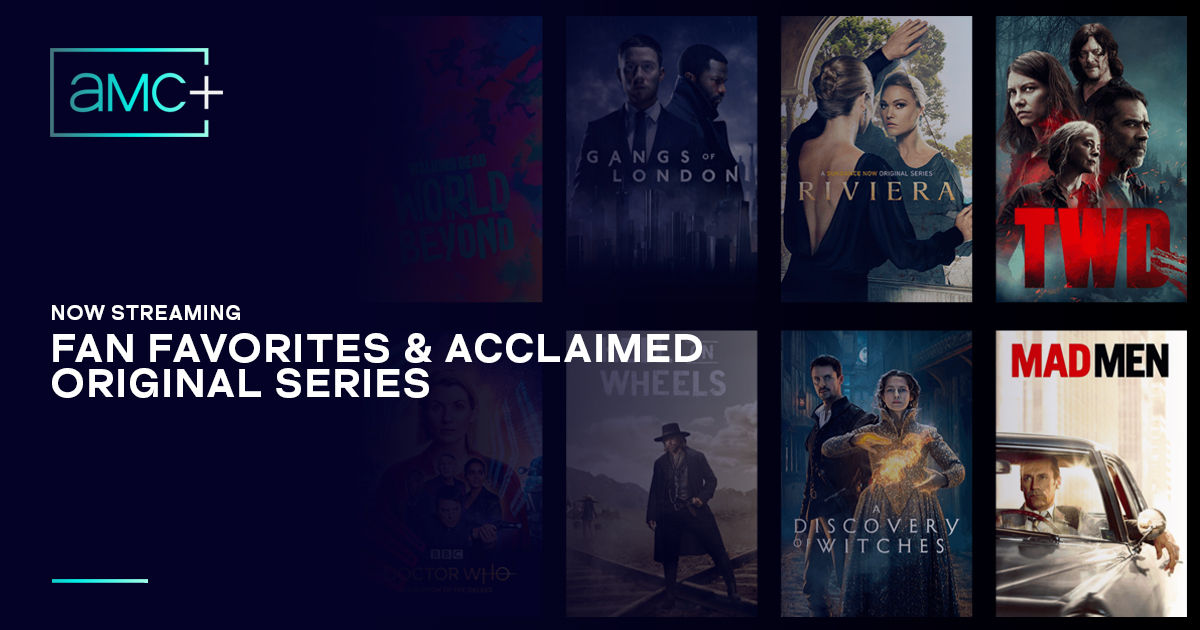
- AMC+ Originals: The service commissions and hosts its own original series and films, often featuring high-profile talent and distinct narratives that align with the AMC brand.
- First-Run Access: Key series like “The Walking Dead” universe shows often premiere episodes on AMC+ days or even a week before their broadcast debut on the linear AMC channel, creating a powerful incentive for fans to subscribe.
- Extended Libraries: Access to the full libraries of Shudder, Sundance Now, and Acorn TV means a much broader selection of horror, indie, and international content than is available on the basic AMC channel.
This content strategy, enabled by the direct-to-consumer streaming model, aims to cultivate a loyal subscriber base by offering unique value propositions that go beyond simply replicating linear television online.
Supported Devices for AMC+
The ubiquity of AMC+ is supported by its broad compatibility across a wide range of streaming hardware. The AMC+ app, or access via integrated channels, is typically available on:
- Smart TVs: Samsung, LG, Vizio, Sony, and other Android TV-powered smart TVs.
- Streaming Sticks & Boxes: Roku devices (all models), Amazon Fire TV devices (all models), Apple TV (4K and HD), Google Chromecast with Google TV.
- Mobile Devices: iOS (iPhone, iPad) and Android smartphones and tablets.
- Gaming Consoles: Xbox One, Xbox Series X|S, PlayStation 4, PlayStation 5.
- Web Browsers: Access is also available via standard web browsers (Chrome, Firefox, Safari, Edge) on Windows and macOS computers.
This extensive device support ensures that subscribers can enjoy AMC+ content virtually anywhere, from their living room big screen to a mobile device on the go, utilizing the native app experience optimized for each platform.
Bundling with Live TV Streaming Services
For those who have cut the cord from traditional cable or satellite but still desire a live TV experience alongside on-demand options, several live TV streaming services offer the linear AMC channel as part of their packages. These services use internet streaming technology to deliver a real-time broadcast feed, often with additional features like cloud DVR.
Cord-Cutting and the New TV Experience
Cord-cutting has become a widespread phenomenon, driven by the desire for more flexible, often more affordable, entertainment solutions. Live TV streaming services like Sling TV, YouTube TV, FuboTV, Philo, and DirecTV Stream serve as digital replacements for cable, bundling multiple channels into tiered subscription packages. They leverage sophisticated content delivery networks (CDNs) and adaptive bitrate streaming technologies to deliver live video streams over the internet, mimicking the traditional TV experience but with added digital advantages.
Finding AMC within Live TV Packages
The AMC channel is a staple of many of these live TV streaming services. Its inclusion typically depends on the specific package tier chosen.
- Sling TV: AMC is often available in Sling’s “Orange” or “Blue” packages, providing a cost-effective entry point.
- YouTube TV: AMC is usually part of YouTube TV’s single, comprehensive base plan, which includes a wide array of channels and an unlimited cloud DVR.
- FuboTV: Primarily known for sports, FuboTV also includes AMC in its core plans, catering to a broader entertainment audience.
- Philo: This service focuses on entertainment and lifestyle channels at a lower price point, and AMC is a key offering within its package.
- DirecTV Stream: AMC is integrated into its various channel packages, offering a more traditional channel lineup feel.
Subscribers to these services can access the linear AMC channel directly through the service’s app on their chosen devices, allowing for real-time viewing of scheduled programming. Many also include on-demand access to recent AMC episodes via the service’s own interface or by authenticating with the separate AMC app using their live TV provider credentials.
The Technology Behind Live Stream Delivery
Delivering live television over the internet presents unique technological challenges compared to on-demand streaming. Key technologies involved include:
- Content Delivery Networks (CDNs): These geographically distributed server networks ensure that video data is delivered from a server physically close to the viewer, minimizing latency and buffering.
- Adaptive Bitrate (ABR) Streaming: This technology dynamically adjusts the video quality based on the viewer’s internet bandwidth and device capabilities. If bandwidth fluctuates, the stream quality degrades gracefully rather than buffering, providing a smoother experience.
- Low-Latency Streaming Protocols: Protocols like HLS (HTTP Live Streaming) and DASH (Dynamic Adaptive Streaming over HTTP) are optimized for live delivery, aiming to reduce the delay between the live event and its appearance on the viewer’s screen.
- Cloud DVR: Many services offer a cloud-based DVR, allowing users to record live broadcasts digitally and access them from any supported device, further enhancing the flexibility of the live TV experience.
Pros and Cons of Live TV Bundles for AMC
Opting for a live TV streaming bundle to access AMC comes with its own set of advantages and disadvantages from a technological and user experience perspective:
Pros:
- Familiar Interface: Mimics traditional cable TV, making the transition for cord-cutters easier.
- Comprehensive Channel Lineup: Offers a wide variety of channels beyond just AMC.
- Cloud DVR Functionality: Allows recording and time-shifting of live broadcasts.
- Multi-Device Access: Available on a broad range of streaming devices.
Cons:
- Higher Cost: Generally more expensive than standalone streaming services like AMC+.
- Channel Bloat: You might pay for many channels you don’t watch to get AMC.
- Latency: Live streams, by nature, can still have some delay compared to true live broadcast.
- Internet Dependency: Highly reliant on a strong, consistent internet connection for optimal performance.
On-Demand Rentals, Purchases, and Library Access
Beyond subscription services, individual AMC content—specific episodes, seasons, or movies—can often be acquired through various digital storefronts. This approach caters to viewers who prefer to own content outright or rent it for a limited period, without committing to a recurring subscription.
Digital Retailers and VOD Platforms
A multitude of digital video-on-demand (VOD) platforms act as storefronts for purchasing or renting AMC-produced content. These platforms function as digital libraries, allowing users to build their own collection of media separate from any subscription service. Prominent examples include:
- Amazon Prime Video: Allows for individual purchase or rental of AMC series episodes or full seasons, as well as movies.
- Apple TV (iTunes Store): Offers similar options for buying or renting AMC content, which then integrates into the user’s Apple ecosystem across devices.
- Google Play Store: Provides a robust platform for digital media purchases and rentals, accessible across Android devices, Chromecast, and web browsers.
- Vudu: A dedicated digital video retailer known for its extensive library, including many AMC titles available for purchase or rental, often in high-definition formats.
- Microsoft Store: For Xbox and Windows users, the Microsoft Store offers digital copies of AMC content.
These platforms provide transactional VOD (TVOD) options, where users pay per view or per item, offering a flexible alternative to subscription models.
The Buy/Rent Model for AMC Content
The buy/rent model leverages cloud-based digital rights management (DRM) and content delivery to provide immediate access to specific titles.
- Rental: When you rent an episode or movie, you typically have a limited window (e.g., 30 days to start watching, 48 hours to finish once started) during which you can view the content. The digital file is streamed to your device, often with options for various resolutions.
- Purchase: Buying digital content grants you perpetual access to stream or download it (where supported) through the platform’s associated app or website. This content becomes part of your digital library linked to your account. This model is particularly appealing for highly rewatchable series or films.
This transactional model is a cornerstone of the digital media ecosystem, offering granularity and permanence that subscription services might not always provide for every specific title.
Leveraging SVOD Add-ons
Many digital retailers have also evolved into aggregators for subscription video-on-demand (SVOD) services, often referred to as “Channels.” For instance:
- Amazon Prime Video Channels: Prime subscribers can add AMC+ (along with Shudder, Sundance Now, Acorn TV) as a channel directly within Prime Video. This consolidates billing and viewing into one interface, often leveraging Amazon’s robust streaming infrastructure.
- Apple TV Channels: Similar to Amazon, Apple TV users can subscribe to AMC+ and its sister services as channels within the Apple TV app. This offers a unified watch history and recommendation engine across all subscribed channels.
These add-on services are technologically advantageous because they often leverage the parent platform’s existing user base, billing systems, and well-developed streaming apps, providing a smoother experience for the end-user.
Cloud-Based Content Libraries
When you purchase AMC content through these digital retailers, it’s typically stored in a cloud-based content library associated with your user account. This means:
- Ubiquitous Access: You can access your purchased content from any supported device where you can log into that platform’s app.
- No Physical Media: Eliminates the need for physical discs, reducing clutter and the risk of damage.
- Automatic Updates: Content may automatically be upgraded to higher resolutions (e.g., from HD to 4K) if the platform supports it and the studio provides it.
This cloud-centric approach to content ownership is a key technological shift from physical media, offering unparalleled convenience and accessibility.
Optimizing Your AMC Streaming Experience
Simply knowing where to stream AMC is only half the battle; ensuring a smooth, high-quality viewing experience requires attention to the underlying technology and setup. Optimization involves selecting the right hardware, ensuring adequate internet connectivity, and understanding basic troubleshooting.
Essential Streaming Hardware
The device you use to stream AMC content significantly impacts performance, video quality, and user interface responsiveness.
- Smart TVs: Modern smart TVs often come with integrated streaming apps, including those for AMC+, live TV services, and digital retailers. Their larger screens and built-in speakers offer a cinematic experience, but their processing power and software update cycles can vary.
- Dedicated Streaming Devices (Roku, Fire TV, Apple TV, Google TV): These devices are purpose-built for streaming, often featuring powerful processors for smooth navigation, support for 4K HDR/Dolby Vision, and a wide array of apps. They are generally more reliable and performant than many integrated smart TV platforms.
- Gaming Consoles: Xbox and PlayStation consoles offer robust streaming capabilities, often supporting high-quality video and audio, making them versatile entertainment hubs.
- Mobile Devices (Smartphones, Tablets): Ideal for on-the-go viewing, these devices rely on cellular data or Wi-Fi. Their smaller screens and portability sacrifice immersion for convenience.
- Computers: Desktops and laptops offer the most flexibility through web browsers, allowing for multitasking, but they might not always be the most comfortable viewing experience for extended periods.
For the best quality, prioritize devices that support the highest resolution (e.g., 4K) and High Dynamic Range (HDR) formats that your AMC content may offer.
Internet Speed and Bandwidth Requirements
Your internet connection is the lifeline of your streaming experience. Inadequate speed or an unstable connection will lead to buffering, lower video quality, and frustration.
- Standard Definition (SD): Minimum 1-3 Mbps.
- High Definition (HD – 720p/1080p): Recommended 5-8 Mbps.
- 4K Ultra HD: Recommended 20-25 Mbps, with some services suggesting up to 50 Mbps for optimal performance.
- Multiple Users/Devices: If multiple people in your household are streaming simultaneously or using the internet for other bandwidth-intensive activities, you’ll need significantly higher speeds to avoid contention.
Beyond raw speed, network stability is crucial. A consistent connection without frequent dropouts or high ping (latency) will ensure smooth playback, especially for live streams. Using an Ethernet cable for stationary devices, where possible, can often provide a more reliable and faster connection than Wi-Fi.
Troubleshooting Common Streaming Issues
Despite optimized setups, streaming issues can occasionally arise. Many are technologically simple to resolve:
- Buffering/Low Quality:
- Check Internet Connection: Run a speed test. If slow, restart your router/modem.
- Reduce Network Congestion: Disconnect other devices using heavy bandwidth.
- Change Wi-Fi Channel: Interference from neighboring networks can be an issue.
- Use Ethernet: For stationary devices, a wired connection is always best.
- App Crashes/Freezes:
- Restart the App: Close it completely and reopen.
- Restart Device: Power cycling your streaming device often clears software glitches.
- Clear App Cache/Data: In device settings, clearing the cache can resolve performance issues.
- Update App/Device Firmware: Ensure all software is up to date for bug fixes and performance improvements.
- Login Problems:
- Verify Credentials: Double-check your username and password.
- Reset Password: Use the “forgot password” option if unsure.
- Check Subscription Status: Ensure your AMC+ or live TV subscription is active.
Understanding these common technical troubleshooting steps can quickly get you back to enjoying AMC content.
Future Trends in Content Delivery
The landscape of content streaming is continuously evolving, driven by technological innovation. Future trends that will likely impact how you stream AMC include:
- Enhanced Interactivity: Expect more interactive elements within shows, potentially allowing viewers to influence storylines or access supplementary content dynamically.
- Personalization and AI: Advanced AI will further personalize content recommendations, user interfaces, and even dynamic ad insertions based on individual viewing habits.
- Higher Fidelity Audio and Video: While 4K HDR is becoming standard, the push towards 8K resolutions and more immersive audio formats (like object-based audio) will continue, demanding even more robust networks and capable devices.
- Cloud Gaming Integration: The convergence of streaming video and cloud gaming platforms might see AMC content accessible through broader entertainment hubs.
- Decentralized Streaming: Emerging blockchain technologies could potentially offer new models for content distribution and monetization, challenging existing centralized platforms.
As technology progresses, accessing AMC’s captivating stories will only become more seamless, personalized, and visually stunning, further cementing streaming as the dominant mode of content consumption.
aViewFromTheCave is a participant in the Amazon Services LLC Associates Program, an affiliate advertising program designed to provide a means for sites to earn advertising fees by advertising and linking to Amazon.com. Amazon, the Amazon logo, AmazonSupply, and the AmazonSupply logo are trademarks of Amazon.com, Inc. or its affiliates. As an Amazon Associate we earn affiliate commissions from qualifying purchases.