
In the rapidly evolving landscape of diagnostic technology, the ability to track biological markers with precision has become a cornerstone of modern medicine, forensic science, and workplace safety. One such marker that has gained significant technological prominence is Ethyl Glucuronide, commonly known as EtG. As a direct metabolite of ethanol, EtG serves as a sophisticated digital and chemical footprint of alcohol consumption, offering a much wider window of detection than traditional breath or blood tests.
Understanding EtG requires a deep dive into the intersection of biochemistry and analytical technology. This article explores the technical mechanisms of EtG detection, the advanced laboratory instrumentation used to measure it, and the data-driven software integration that makes this biomarker a vital tool in today’s tech-focused diagnostic era.
The Science and Technology Behind EtG Detection
At its core, EtG testing is a technological solution to a biological problem. While the body metabolizes the vast majority of alcohol through oxidative pathways, a tiny fraction—less than 0.1%—undergoes a process called glucuronidation. This is where the enzyme UDP-glucuronosyltransferase conjugates ethanol with glucuronic acid to create Ethyl Glucuronide.
The Biomarker Advantage
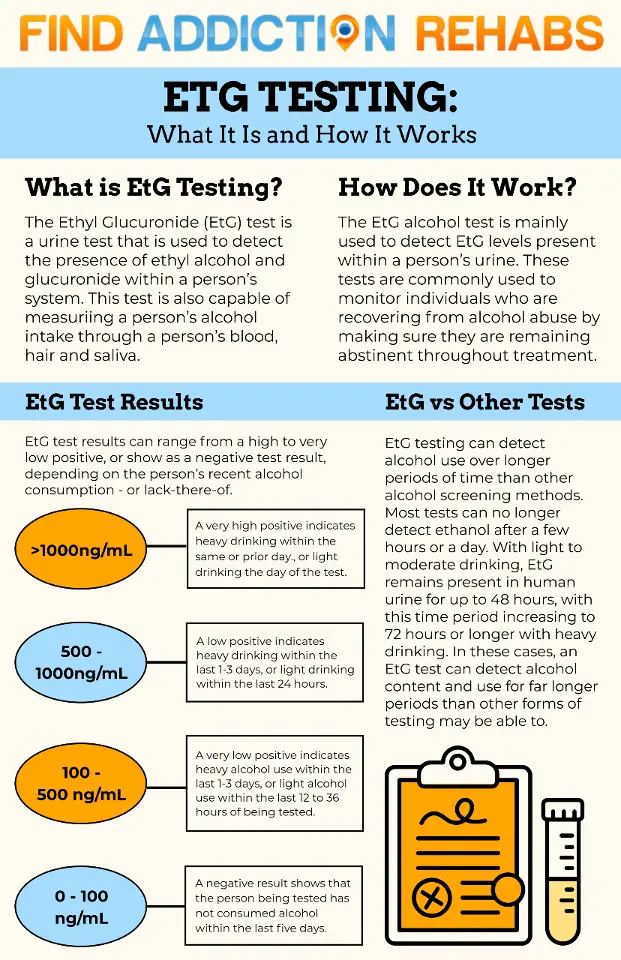
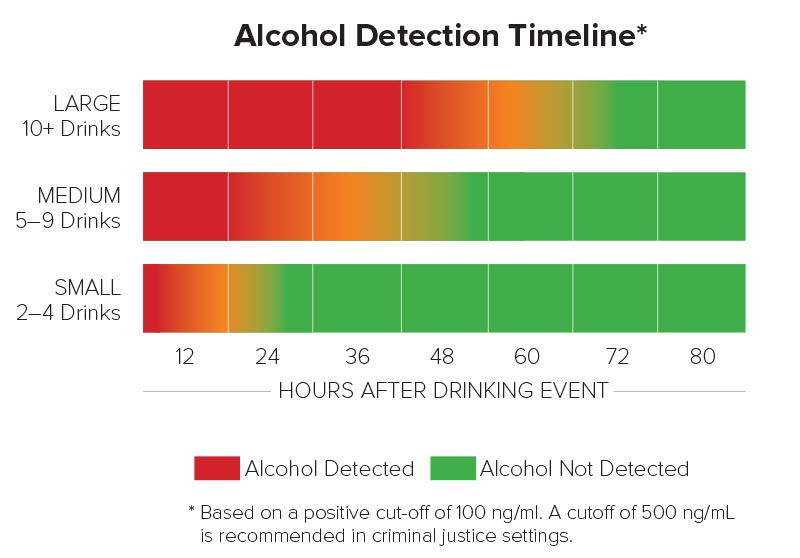
Unlike ethanol itself, which is cleared from the blood at a relatively constant rate of about one drink per hour, EtG is a non-volatile, water-soluble compound that remains detectable in the system long after the alcohol has been eliminated. From a technological standpoint, this makes EtG a “long-term” marker. While a breathalyzer measures current impairment, EtG assays provide a retrospective look at consumption, often stretching back 72 to 80 hours.
Metabolic Pathways and Data Precision
The stability of EtG as a metabolite is what allows modern laboratory software to interpret data points with high accuracy. Because EtG is only produced when alcohol is ingested, its presence is a specific indicator of ethanol exposure. Technological advancements have allowed scientists to distinguish between high-level consumption and incidental exposure (such as from hand sanitizers or mouthwash) by adjusting the analytical sensitivity of the testing equipment.
Advanced Analytical Methods: LC-MS/MS and Beyond
The reliability of EtG testing is entirely dependent on the hardware used to analyze the samples. While basic immunoassay “dip cards” exist for rapid screening, the “gold standard” in the tech world of diagnostics is Liquid Chromatography-Mass Spectrometry (LC-MS/MS).
Liquid Chromatography (LC)
The first phase of the technical analysis involves Liquid Chromatography. In this stage, the urine or blood sample is pushed through a column under high pressure. The chemical components of the sample interact differently with the material in the column, causing them to separate based on their physical properties. This stage is crucial for isolating the EtG molecule from the “noise” of other biological compounds found in the sample.
Tandem Mass Spectrometry (MS/MS)
Once the components are separated, they enter the Mass Spectrometer. This piece of hardware is a marvel of modern engineering; it ionizes the molecules and fragments them into smaller pieces. By measuring the mass-to-charge ratio of these fragments, the machine can identify the “molecular fingerprint” of EtG with nearly 100% certainty. The “tandem” aspect (MS/MS) means the process is repeated, providing a double layer of verification that virtually eliminates the possibility of identifying the wrong substance.
Limits of Detection and Quantitation
Technological sensitivity is measured by the Limit of Detection (LOD) and the Limit of Quantitation (LOI). Modern LC-MS/MS setups can detect EtG at levels as low as 10 to 50 nanograms per milliliter (ng/mL). This level of precision is what allows tech-enabled labs to provide the “80-hour” look-back window that has made EtG a standard in high-stakes monitoring environments.
The Digital Integration of EtG Data in Modern Healthcare
The value of EtG testing extends beyond the lab bench and into the digital infrastructure of modern healthcare and corporate compliance. The transition from manual reporting to automated Data Management Systems (DMS) has revolutionized how this information is utilized.
Laboratory Information Management Systems (LIMS)
Modern laboratories utilize sophisticated LIMS software to track a sample from the moment it is collected to the final generation of the report. This digital chain of custody is essential for maintaining the integrity of the data. When an LC-MS/MS machine completes an analysis, the results are automatically uploaded to the LIMS, reducing human error and ensuring that the quantitative data is accurately reflected in the patient or employee record.
Interpreting Complex Data Sets
Software algorithms now play a role in interpreting EtG levels. Because EtG can be found in the system due to “incidental exposure” (using alcohol-based products), software helps clinicians apply “cut-off” logic. For example, a result of 100 ng/mL might be flagged as “low-level exposure/incidental,” while a result of 500 ng/mL or higher is digitally categorized as “heavy consumption.” These automated interpretation tools help non-technical users make informed decisions based on complex chemical data.
Cybersecurity and Data Privacy
As with all digital health data, the storage and transmission of EtG results are subject to strict cybersecurity protocols. Encryption and HIPAA-compliant cloud storage ensure that this sensitive biological data is protected from unauthorized access. In the tech-heavy environment of modern forensics, the security of the data is just as important as the accuracy of the test itself.
Technological Challenges: Sensitivity, Specificity, and False Positives
No technology is without its hurdles. The primary challenge with EtG testing lies in its extreme sensitivity. While being able to detect minute traces of alcohol is a technical achievement, it creates practical dilemmas in “specificity”—the ability of the test to distinguish between intentional drinking and unintentional exposure.
The Incidental Exposure Problem
In a world saturated with ethanol-based products—from hand sanitizers used in hospitals to certain food flavorings—the sensitivity of EtG technology can sometimes work too well. Research has shown that frequent use of alcohol-based hand gels can produce EtG levels that trigger a positive result on highly sensitive assays. This has led to a technological “arms race” to develop better secondary markers, such as Ethyl Sulfate (EtS), which are often tested alongside EtG to provide a more comprehensive data profile.
Addressing the Stability Issue
Another technological hurdle is the stability of the EtG molecule in the presence of certain bacteria. If a urine sample is contaminated with E. coli and sits at room temperature, the bacteria can actually “create” EtG within the sample bottle, leading to a false positive. To combat this, diagnostic tech companies have developed specialized collection tubes with preservatives and computerized “integrity checks” that flag samples showing signs of bacterial degradation.
The Future of Bio-Monitoring Technology
As we look toward the future, the technology surrounding EtG is moving toward real-time monitoring and miniaturization. The shift from centralized laboratory testing to point-of-care and wearable tech is the next frontier.
Wearable Biosensors
Engineers are currently developing wearable biosensors that can detect ethanol metabolites through transdermal (skin) patches. While current “SCRAM” bracelets (Secure Continuous Remote Alcohol Monitor) measure ethanol vapors, the next generation of wearables aims to integrate micro-fluidic chips that can analyze interstitial fluid for markers like EtG in real-time. This would allow for continuous data streaming to a mobile app, providing a digital safety net for individuals in recovery.
AI and Predictive Analytics
The integration of Artificial Intelligence (AI) into diagnostic platforms will likely change how EtG data is viewed. By analyzing years of historical testing data, AI models could potentially predict the likelihood of a relapse or identify patterns in consumption that are invisible to the human eye. This predictive power would transform EtG testing from a reactive tool (finding out what happened) into a proactive technological intervention (preventing what might happen).

Conclusion
EtG is more than just a chemical; it is a vital data point within a complex technological ecosystem. From the high-pressure columns of the LC-MS/MS to the encrypted servers of modern LIMS, the journey of an EtG molecule highlights the incredible precision of 21st-century diagnostics. As we continue to refine the hardware and software used to track our biological signatures, EtG remains a primary example of how technology can provide clarity, safety, and accountability in an increasingly data-driven world.
aViewFromTheCave is a participant in the Amazon Services LLC Associates Program, an affiliate advertising program designed to provide a means for sites to earn advertising fees by advertising and linking to Amazon.com. Amazon, the Amazon logo, AmazonSupply, and the AmazonSupply logo are trademarks of Amazon.com, Inc. or its affiliates. As an Amazon Associate we earn affiliate commissions from qualifying purchases.