
In the landscape of modern justice systems and public safety, technology plays an increasingly critical role in monitoring individuals and ensuring compliance with legal mandates. Among the most sophisticated and widely recognized of these technologies is the SCRAM monitor. Far more than a simple electronic tag, a SCRAM monitor represents a highly advanced piece of wearable tech designed for continuous alcohol monitoring. This article delves into the technical intricacies, functional applications, and broader implications of SCRAM technology, exploring how it revolutionizes the way alcohol abstinence is managed and enforced.

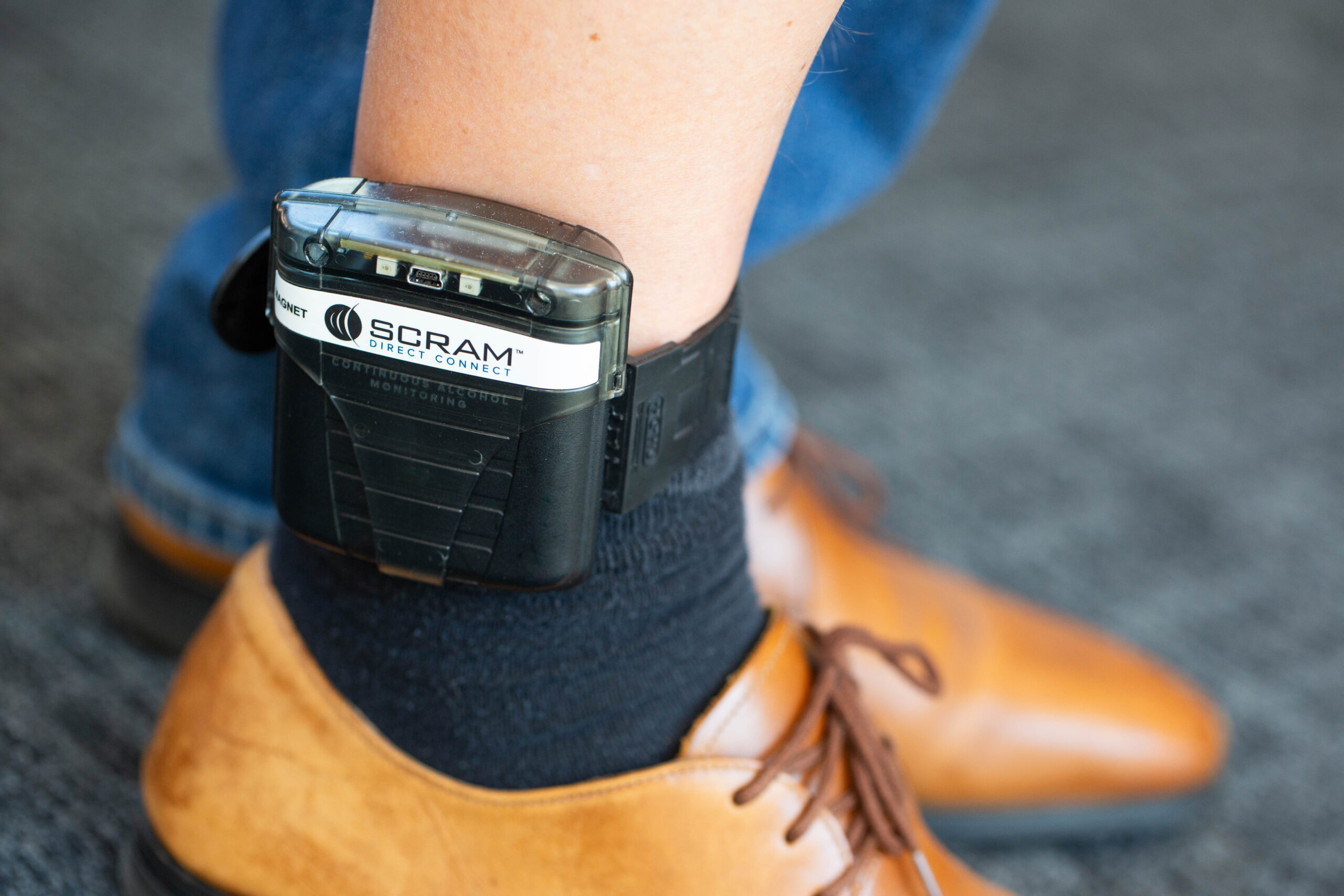
At its core, SCRAM – an acronym for Secure Continuous Remote Alcohol Monitor – is a specialized device used primarily in criminal justice to ensure individuals comply with court orders to abstain from alcohol. It is a non-invasive, ankle-worn device that continuously tests for alcohol consumption, providing an objective, verifiable record of sobriety or consumption. This technological marvel offers a level of accountability and insight previously unattainable, making it an indispensable tool for courts, probation officers, and treatment providers alike.
The Core Functionality: How SCRAM Monitors Work
The effectiveness of a SCRAM monitor lies in its sophisticated mechanism for detecting alcohol and transmitting that data securely. It’s a marvel of miniaturization and sensor technology, designed for long-term, uninterrupted operation. Understanding its core functionality reveals the intricate engineering behind its reliability.
Transdermal Alcohol Detection
The primary method by which SCRAM monitors detect alcohol is through transdermal alcohol testing. This process involves the device constantly sampling insensible perspiration – sweat vapor that naturally passes through the skin. When an individual consumes alcohol, it is metabolized and expelled from the body in various ways, including through the skin. The SCRAM device’s advanced sensor technology is specifically calibrated to detect and measure the ethanol content in this perspiration.
The monitor contains an electrochemical fuel cell sensor, similar to those found in handheld breathalyzers, but adapted for continuous, passive sampling. This sensor provides highly accurate and objective measurements of alcohol concentration, which are then stored internally. The continuous nature of this sampling means that every 30 minutes to an hour (depending on configuration), the device takes a reading, ensuring there are no gaps in monitoring. This allows for a comprehensive 24/7 alcohol consumption profile, making it extremely difficult for an individual to consume alcohol without detection.
Data Collection and Transmission
Beyond mere detection, the SCRAM monitor is an intelligent data collection hub. Each alcohol reading, along with other critical data points such as temperature and infrared measurements (for tamper detection), is time-stamped and stored in the device’s internal memory. This local storage capacity is robust enough to hold weeks, or even months, of data, ensuring no information is lost even if communication with a base station is temporarily interrupted.
Periodically, typically once or twice a day, the SCRAM monitor transmits this collected data to a central monitoring station. This transmission usually occurs wirelessly, either through a paired home base station (which connects via a landline or cellular network) or directly via cellular communication built into some newer models. Once the data reaches the central station, it is uploaded to a secure, cloud-based platform where authorized personnel – such as probation officers, court officials, or case managers – can access detailed reports, review compliance trends, and receive immediate alerts. The seamless and secure flow of data from the ankle to the monitoring platform is a hallmark of the technology’s efficacy.
Tamper Detection and Alert Systems
One of the most critical technological features of a SCRAM monitor is its robust tamper detection capability. Recognizing that individuals under supervision might attempt to circumvent the monitoring, the devices are engineered with multiple layers of security to detect and report any interference.
These tamper-detection mechanisms include:
- Infrared (IR) Skin Temperature Monitoring: The device continuously monitors the skin temperature underneath the bracelet. Any attempt to place a foreign object between the skin and the sensor, or to remove the device, would result in a change in skin temperature, triggering an alert.
- Radio Frequency (RF) Signal Detection: The bracelet sends out a constant, low-level RF signal to ensure it is in continuous contact with the wearer’s skin. Interruption of this signal, for example, by removing the device or attempting to block the sensors, will also generate a tamper alert.
- Environmental Temperature Sensors: The device also monitors ambient temperature to differentiate between environmental changes and intentional tampering attempts.
- Event Logging: All significant events, including attempts to block, remove, or destroy the device, as well as changes in battery status or communication failures, are time-stamped and recorded.
When a potential tamper event or alcohol consumption is detected, the system immediately generates an alert, notifying the supervising agency via email, text message, or an online dashboard. This proactive alert system is crucial for maintaining accountability and ensuring timely intervention, significantly reducing the chances of undetected non-compliance.
Types of SCRAM Technology
While the core principle of continuous alcohol monitoring remains consistent, SCRAM Systems, the leading provider, offers a suite of technologies tailored to different monitoring needs. These various devices leverage similar underlying technology but offer distinct features and applications.
SCRAM CAM (Continuous Alcohol Monitoring) Bracelet
The SCRAM CAM bracelet is the flagship product and the most recognized form of SCRAM technology. This ankle-worn device provides the 24/7 transdermal alcohol monitoring detailed above. Its robust design is water-resistant, allowing wearers to shower and perform daily activities without interruption. The CAM bracelet is specifically designed for individuals ordered to maintain complete alcohol abstinence, offering unwavering vigilance that traditional methods like intermittent breathalyzers cannot match. It serves as a constant reminder of the wearer’s commitment to sobriety and provides irrefutable evidence for judicial review.
SCRAM Remote Breath
For situations where continuous transdermal monitoring isn’t required but frequent, scheduled breath testing is necessary, SCRAM Remote Breath offers a portable, handheld solution. This device combines facial recognition with GPS technology to ensure the right person is taking the test at the right location. Offenders receive randomized or scheduled prompts on the device to submit a breath sample. The integrated camera captures a photo during the test for identity verification, and GPS confirms the location. The results are immediately transmitted wirelessly to the monitoring platform. This technology is ideal for lower-risk offenders or those who need to demonstrate sobriety for specific periods (e.g., during work hours) without the constant attachment of an ankle bracelet.
SCRAM House Arrest (with optional CAM)
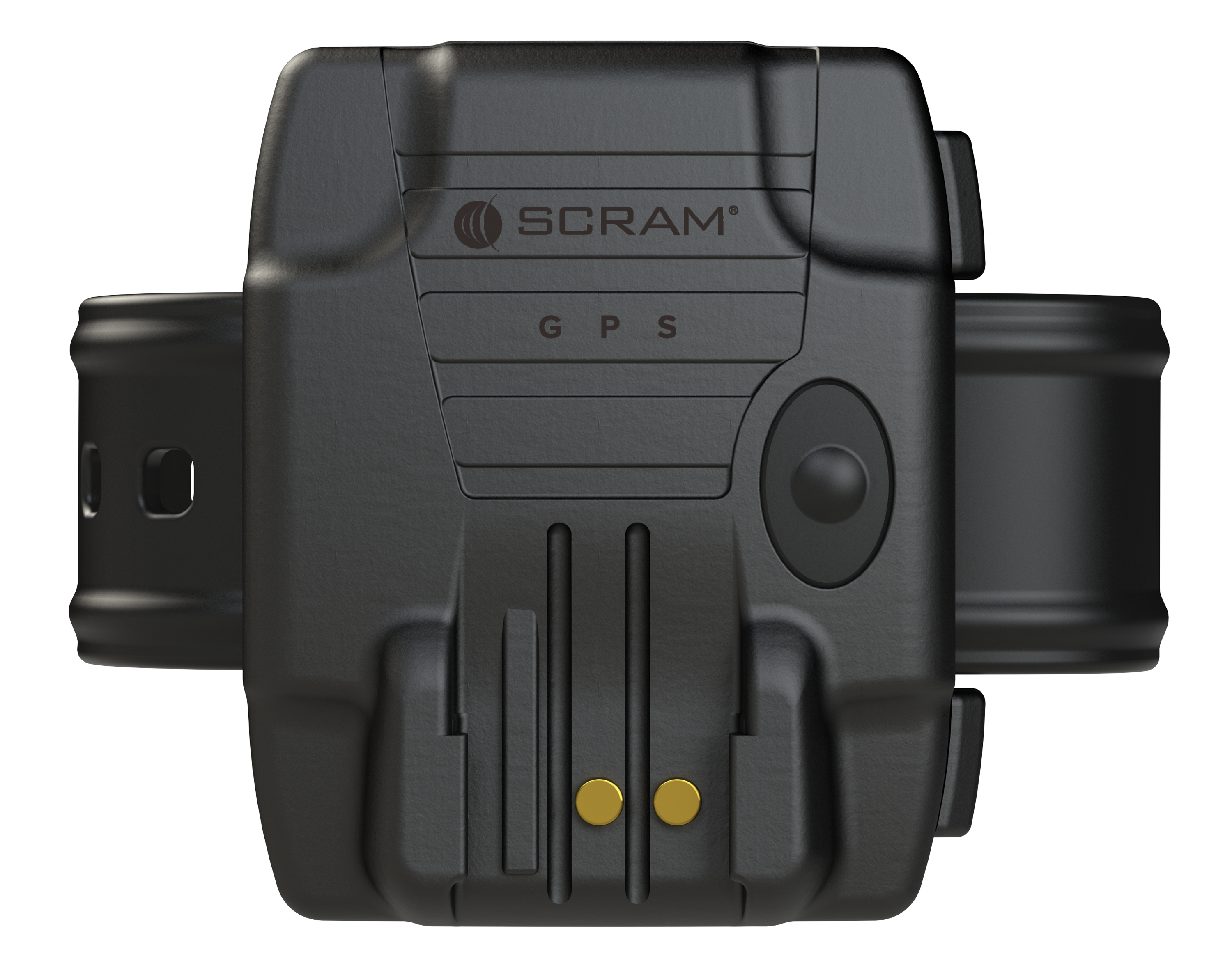
The SCRAM House Arrest unit is designed for electronic home incarceration, offering a robust monitoring solution for individuals confined to their residences. This system utilizes radio frequency technology to confirm the presence of the offender within a designated zone (typically their home) during specified hours. The system comprises an ankle bracelet and a base station, which communicates with the bracelet and transmits data to the monitoring center.
Crucially, the SCRAM House Arrest system can be seamlessly integrated with the SCRAM CAM technology. This hybrid solution, often referred to as “SCRAM Dual,” provides both location monitoring (house arrest) and continuous alcohol monitoring from a single ankle bracelet. This integration is particularly powerful for individuals who require both strict curfew enforcement and absolute alcohol abstinence, offering a comprehensive oversight solution without the need for multiple devices.
The Technology Behind the Accuracy and Reliability
The trust placed in SCRAM technology by courts and supervision agencies stems from its unparalleled accuracy and reliability. This is not accidental but the result of sophisticated engineering and rigorously tested scientific principles.
Electrochemical Fuel Cell Sensor Technology
The heart of SCRAM’s alcohol detection lies in its electrochemical fuel cell sensor. Unlike semiconductor sensors, which can be susceptible to interference from non-alcohol substances, fuel cell sensors are highly specific to ethanol. This specificity minimizes false positives, ensuring that only actual alcohol consumption is detected. The sensor works by oxidizing alcohol, which generates an electrical current proportional to the amount of alcohol present. This precise measurement allows the device to quantify the alcohol concentration exiting the skin, providing objective, forensic-quality evidence of alcohol consumption. Regular calibration procedures, both in the factory and potentially in the field, ensure the long-term accuracy and precision of these sensors.
Infrared and Radio Frequency Tamper Detection
The multi-layered tamper detection system is a critical component of the technology’s reliability. The continuous infrared (IR) measurements provide a baseline for skin temperature and proximity. Any sudden or significant deviation from this baseline suggests an attempt to obstruct the sensor or remove the device. Simultaneously, the radio frequency (RF) signals continuously verify the bracelet’s contact with the skin. These active and passive monitoring techniques, combined with sophisticated algorithms, can distinguish between legitimate environmental changes and deliberate tampering attempts, making the SCRAM monitor incredibly difficult to defeat without detection. The technology is designed to be proactive, identifying potential circumvention methods as they evolve.
Secure Data Encryption and Cloud Management
The integrity of the data collected by SCRAM monitors is paramount. From the device itself to the central monitoring platform, all data transmission and storage are secured using advanced encryption protocols. This ensures that the sensitive information regarding an individual’s sobriety cannot be intercepted, altered, or accessed by unauthorized parties. The data is managed through a secure, cloud-based application, accessible only to authorized personnel via secure login credentials. This centralized system not only ensures data security but also provides real-time access to reports, analytical tools, and alert notifications, streamlining the supervision process and enhancing decision-making capabilities for justice professionals.
Applications and Impact in Justice Systems
The deployment of SCRAM technology has had a transformative impact on how justice systems manage alcohol-related offenses and support rehabilitation efforts. Its technological prowess translates directly into practical benefits for courts, communities, and individuals.
Probation and Parole Compliance
One of the primary applications of SCRAM technology is in monitoring individuals on probation or parole who have a condition of alcohol abstinence. For supervisors, it offers an objective, continuous tool to verify compliance without the need for frequent in-person breathalyzer tests, which can be resource-intensive and provide only snapshots of sobriety. The constant monitoring and immediate alerts enable swift intervention if alcohol is detected, fostering a higher level of accountability and reducing recidivism rates related to alcohol consumption. It also frees up supervisory resources to focus on other aspects of an individual’s rehabilitation.
Pre-Trial Release and Sentencing Alternatives
SCRAM monitors are increasingly used as a condition for pre-trial release or as part of alternative sentencing programs. For individuals facing charges related to alcohol (e.g., DUI/DWI offenses), wearing a SCRAM device can demonstrate a commitment to sobriety, potentially influencing bail decisions or sentencing outcomes. It allows courts to safely release individuals back into the community while ensuring public safety and demonstrating a willingness to comply with court orders. This technology offers a viable alternative to incarceration for non-violent offenders, reducing jail overcrowding and allowing individuals to maintain employment and family connections while awaiting trial or serving a sentence in the community.
Promoting Accountability and Rehabilitation
Beyond mere enforcement, SCRAM technology plays a significant role in promoting personal accountability and supporting rehabilitation. Knowing that every alcohol consumption event will be detected and reported serves as a powerful deterrent. For many, the constant feedback from the device (even if only to their supervisor) helps them recognize patterns of behavior and provides tangible proof of their progress towards sobriety. This objective data can also be invaluable for treatment providers, offering concrete evidence of abstinence or relapse that can inform therapeutic strategies and support long-term recovery goals. It transforms the often-subjective journey of sobriety into an evidence-based pathway.
Advantages and Limitations of SCRAM Technology
Like all advanced technologies, SCRAM monitors offer distinct advantages while also presenting certain considerations and limitations that users and administrators must understand.
Benefits for Courts, Communities, and Offenders
The technological benefits of SCRAM cascade through the justice system:
- For Courts: Provides objective, verifiable evidence of alcohol abstinence or consumption, streamlining judicial proceedings and offering reliable data for sentencing and compliance reviews. It helps enforce alcohol bans more effectively than traditional methods.
- For Communities: Enhances public safety by ensuring alcohol-involved offenders remain sober, thereby reducing the risk of alcohol-related crimes, traffic incidents, and domestic issues.
- For Offenders: Offers an opportunity to avoid incarceration, maintain employment, and participate in family life while demonstrating a commitment to sobriety. The continuous monitoring can also be a powerful tool for personal behavior modification and supporting long-term recovery efforts. It shifts the focus from punishment to supervised accountability and rehabilitation.
- Resource Efficiency: Reduces the need for costly and time-consuming manual checks, freeing up valuable law enforcement and judicial resources.
Technical Considerations and User Experience
While robust, SCRAM technology does come with certain practical and user-experience considerations:
- Cost: The installation and daily monitoring fees associated with SCRAM devices can be significant, often borne by the offender. While an alternative to incarceration, it still represents a financial burden.
- Maintenance: The device requires periodic battery charging (for non-CAM models) and ensures that the communication base station is functioning correctly. Users must also be diligent about maintaining proper hygiene around the bracelet.
- Potential for Minor Discomfort/Social Stigma: While designed to be discreet, the ankle bracelet is visible and can cause minor skin irritation for some individuals. The visibility can also lead to social stigma, although this is often outweighed by the alternative of incarceration.
- Technical Glitches: Like any electronic device, rare technical malfunctions, communication errors, or false alerts can occur, requiring troubleshooting by monitoring staff. However, system redundancy and robust diagnostics minimize these occurrences.
The Future of Alcohol Monitoring Technology
The field of alcohol monitoring technology is continuously evolving. Future advancements may include even smaller, more discreet devices, enhanced sensor specificity to differentiate between ingested and environmental alcohol, and greater integration with other health monitoring technologies. The convergence of wearable tech, AI-driven data analytics, and telecommunications will likely lead to even more sophisticated and user-friendly solutions that further enhance public safety and support individual rehabilitation journeys. As the technology progresses, it is poised to become an even more indispensable tool in the global effort to combat alcohol misuse and its societal impacts.
In conclusion, the SCRAM monitor is a testament to how technology can be harnessed to address complex societal challenges. By offering continuous, objective, and verifiable alcohol monitoring, it provides justice systems with an invaluable tool for enforcing compliance, ensuring public safety, and supporting individuals on their path to sobriety. Its intricate blend of transdermal sensors, secure data transmission, and robust tamper detection positions it as a leading solution in the realm of modern monitoring technology.
aViewFromTheCave is a participant in the Amazon Services LLC Associates Program, an affiliate advertising program designed to provide a means for sites to earn advertising fees by advertising and linking to Amazon.com. Amazon, the Amazon logo, AmazonSupply, and the AmazonSupply logo are trademarks of Amazon.com, Inc. or its affiliates. As an Amazon Associate we earn affiliate commissions from qualifying purchases.