
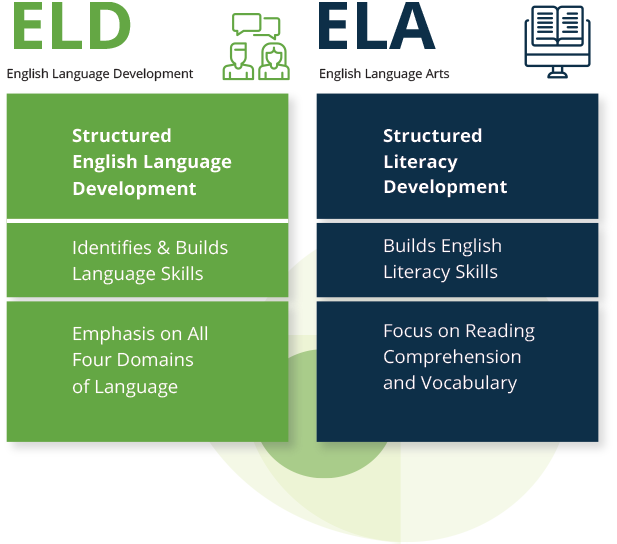
The educational landscape is constantly evolving, driven by a commitment to inclusivity and ensuring every student has the opportunity to thrive. Within this dynamic environment, the term ELD frequently arises, particularly in discussions surrounding student support and differentiated instruction. ELD stands for English Language Development, and it represents a crucial framework designed to assist learners who are acquiring English as a second language. This process is not merely about learning grammar and vocabulary; it encompasses a comprehensive approach to building fluency, comprehension, and the academic language necessary for success across all subject areas. Understanding ELD is essential for educators, administrators, and anyone invested in fostering an equitable and effective learning environment for a diverse student population.

The need for ELD programs stems from the growing linguistic diversity in classrooms worldwide. Students come from a multitude of linguistic backgrounds, each bringing a unique set of skills and experiences. For those learning English, navigating academic content while simultaneously acquiring a new language presents distinct challenges. ELD programs are meticulously crafted to address these challenges head-on, providing targeted instruction and support that empowers these students to overcome language barriers and achieve their full academic potential. This goes beyond simple translation; it involves developing the nuanced understanding of English required for critical thinking, complex problem-solving, and active participation in classroom discussions.
The Foundations of English Language Development (ELD)
English Language Development, or ELD, is built upon a solid pedagogical foundation that recognizes the multifaceted nature of language acquisition. It’s not a one-size-fits-all approach, but rather a tailored set of strategies and curricula designed to foster proficiency in English across various domains: listening, speaking, reading, and writing. At its core, ELD acknowledges that acquiring a new language is a developmental process, akin to learning any other complex skill, and requires consistent, structured, and supportive instruction.
Understanding the Stages of Language Acquisition
The journey of learning a new language is typically understood through distinct stages, and ELD programs are designed to cater to students at each of these levels. While specific models may vary, a common progression includes:
- Beginning Stage: Students in this stage have little to no understanding of English. Their communication is often limited to single words or short phrases. Instruction focuses on building foundational vocabulary, basic greetings, and understanding simple commands. The goal is to create a safe and encouraging environment where students feel comfortable attempting to communicate. This stage emphasizes visual aids, gestures, and repetition to facilitate comprehension and initial spoken output.
- Early Intermediate Stage: Learners at this level begin to comprehend simple sentences and can produce short phrases and sentences with increasing accuracy, though errors are still common. They can engage in basic conversations and understand directions that are clearly articulated. ELD instruction at this stage introduces more complex sentence structures, expands vocabulary related to academic content, and encourages participation in short dialogues.
- Intermediate Stage: Students in this stage can understand more complex sentences and participate in conversations on familiar topics. Their reading and writing skills begin to develop, allowing them to grasp the main ideas of texts and produce paragraphs with some coherence. Instruction focuses on developing fluency, improving grammatical accuracy, and introducing a wider range of academic vocabulary. Students are encouraged to express opinions and engage in more extended discussions.
- Advanced Stage: At this level, learners can understand and produce complex language structures with a high degree of fluency and accuracy. They can comprehend academic texts, engage in nuanced discussions, and write essays with well-organized ideas. While still considered ELD learners, their needs shift towards refining their academic English, understanding idiomatic expressions, and mastering the subtleties of academic discourse. Instruction may focus on advanced literary analysis, persuasive writing, and research skills.
The understanding of these stages allows educators to implement differentiated instruction, ensuring that each student receives the appropriate level of support and challenge. This personalized approach is a hallmark of effective ELD programs.
Key Components of ELD Instruction
Effective ELD programs are characterized by a set of core components that work in synergy to support language acquisition:
- Targeted Vocabulary Instruction: Building a robust vocabulary is fundamental. ELD programs go beyond rote memorization, focusing on explicit instruction of academic vocabulary, cognates (words with similar origins and meanings in different languages), and high-frequency words essential for academic success. This includes teaching the meaning, pronunciation, and usage of words in context.
- Grammar and Syntax Development: Understanding the rules of English grammar and sentence structure is crucial for clear communication. ELD instruction breaks down complex grammatical concepts into manageable chunks, providing ample opportunities for practice and reinforcement. This can involve explicit grammar lessons, sentence combining activities, and analyzing sentence structures in authentic texts.
- Comprehension Strategies: Beyond understanding individual words and sentences, students need to develop strategies for comprehending longer texts, lectures, and discussions. ELD programs teach techniques such as identifying main ideas, making inferences, summarizing, predicting, and using context clues to decipher meaning.
- Speaking and Listening Skills Development: Oral proficiency is a vital aspect of language acquisition. ELD instruction provides opportunities for students to practice speaking in various contexts, from small group discussions to whole-class presentations. Listening activities are designed to improve comprehension of spoken English, including different accents and speech rates.
- Reading and Writing Practice: Reading and writing are intertwined. ELD programs engage students in a variety of reading materials, from simple stories to complex academic texts, while simultaneously providing structured opportunities for writing. This includes activities like journaling, writing summaries, responding to prompts, and developing argumentative essays.
- Integration with Content Areas: A critical aspect of ELD is its integration with core academic subjects like science, math, social studies, and literature. ELD instruction is not siloed; rather, it is interwoven with the curriculum to ensure that students can access and understand content knowledge while simultaneously developing their English proficiency. This means teachers collaborate to identify language demands of content lessons and provide appropriate scaffolding.
The Role of Technology in ELD
Technology has emerged as a powerful ally in the realm of English Language Development, offering innovative tools and resources that can significantly enhance the learning experience for ELD students. The digital age provides unprecedented access to interactive platforms, personalized learning opportunities, and engaging content that can supplement traditional ELD instruction.
Digital Tools for Language Acquisition
A wide array of digital tools are available to support ELD learners, each offering unique benefits:
- Language Learning Apps: Mobile applications like Duolingo, Babbel, and Memrise offer gamified approaches to vocabulary building, grammar practice, and pronunciation. These apps make learning accessible anytime, anywhere, and can provide immediate feedback, allowing students to track their progress and identify areas for improvement.
- Online Dictionaries and Translators: While not a substitute for genuine language learning, online dictionaries and translation tools can be invaluable resources for ELD students. They provide instant definitions, pronunciations, and even example sentences, helping students decipher unfamiliar words and phrases. However, it’s crucial to teach students how to use these tools effectively and critically.
- Interactive Whiteboards and Smartboards: These tools facilitate dynamic and engaging lessons. Teachers can use them to present vocabulary with visuals, play educational videos, conduct interactive quizzes, and allow students to participate actively in lesson delivery. The visual and interactive nature of these boards can be particularly beneficial for ELD learners.
- Educational Software and Platforms: Many educational software programs are designed with ELD students in mind. These can include adaptive learning platforms that adjust the difficulty level based on student performance, digital reading programs that offer read-aloud features and vocabulary support, and interactive simulations that provide real-world contexts for language use.
- Multimedia Resources: Videos, podcasts, and online articles offer authentic exposure to spoken and written English. ELD programs can leverage these resources to provide listening practice, introduce new vocabulary in context, and expose students to diverse cultural perspectives. Tools that provide transcripts or closed captions are particularly beneficial.
- Speech Recognition Software: This technology allows students to practice their pronunciation and receive feedback on their spoken English. By speaking into a microphone, students can see how their pronunciation compares to native speakers, helping them to refine their articulation.
Enhancing Engagement and Accessibility
The integration of technology in ELD not only provides learning resources but also significantly enhances student engagement and accessibility:
- Personalized Learning Paths: Technology enables the creation of personalized learning experiences. Adaptive software can identify a student’s strengths and weaknesses, providing tailored exercises and content that addresses their specific needs. This ensures that students are challenged appropriately and not overwhelmed.
- Visual and Auditory Support: Many digital tools incorporate rich visual and auditory elements, which are crucial for ELD learners. Videos with clear narration, interactive diagrams, and audio pronunciations help students connect words with their meanings and understand spoken language more effectively.
- Opportunities for Practice and Repetition: Technology offers endless opportunities for practice and repetition, which are essential for language mastery. Students can revisit lessons, replay audio segments, and complete practice exercises as many times as needed without the pressure of a traditional classroom setting.
- Building Confidence through Safe Practice: Digital tools often provide a low-stakes environment for students to practice their English. They can experiment with new vocabulary and grammar without fear of judgment, gradually building their confidence in their ability to communicate.
- Connecting with Global Resources: The internet opens up a world of authentic English-language content. ELD students can access news articles, blogs, interviews, and even connect with language partners from around the globe, providing exposure to a wider range of vocabulary, accents, and cultural nuances.
Challenges and Considerations in ELD Implementation
While the benefits of English Language Development programs are clear, their successful implementation is not without its challenges. Educators and administrators must be mindful of potential hurdles and proactively address them to ensure that ELD initiatives are effective and equitable.
Addressing Resource and Training Gaps
One of the most significant challenges in ELD implementation is ensuring adequate resources and training for educators:
- Funding for Specialized Programs: Developing and maintaining effective ELD programs requires dedicated funding for curriculum development, materials, and specialized staff. Limited budgets in some school districts can hinder the creation and expansion of these vital programs.
- Teacher Professional Development: Educators who work with ELD students need specialized training in second language acquisition methodologies, culturally responsive teaching, and the use of appropriate instructional strategies. Without ongoing professional development, teachers may lack the skills and confidence to effectively support their diverse learners.
- Access to Appropriate Materials: ELD students require materials that are linguistically and culturally appropriate for their level of English proficiency. This can include simplified texts, visual aids, and resources that reflect the students’ backgrounds. Sourcing and adapting these materials can be a challenge for many schools.
- Class Size and Teacher-Student Ratios: Large class sizes can make it difficult for teachers to provide the individualized attention that ELD students often need. Lower teacher-student ratios are crucial for allowing educators to offer targeted support and monitor student progress effectively.

Ensuring Equity and Cultural Responsiveness
Creating an equitable and culturally responsive ELD environment is paramount:
- Avoiding Language-Based Stigma: It is crucial to foster an environment where learning English is celebrated and not viewed as a deficiency. ELD programs should be positioned as an empowering pathway to academic success, not as a remedial intervention that stigmatizes students.
- Culturally Responsive Pedagogy: Teachers must be trained in culturally responsive pedagogy, which acknowledges and values the diverse cultural backgrounds of students. This involves incorporating students’ home languages and cultures into the curriculum, building on their existing knowledge, and fostering a sense of belonging.
- Family and Community Engagement: Effective ELD programs involve active engagement with students’ families and communities. Communicating with parents in their home languages, involving them in school activities, and understanding their perspectives can significantly support a student’s academic journey.
- Addressing the Needs of Diverse Learners within ELD: It’s important to recognize that ELD students are not a monolithic group. They come with varying levels of prior education, different learning styles, and potential learning disabilities. ELD programs must be flexible enough to accommodate these diverse needs, often requiring collaboration with special education professionals.
- Ongoing Assessment and Data Analysis: Continuous assessment is key to understanding student progress and adjusting instruction. ELD programs should utilize a variety of assessment methods, both formal and informal, to gauge language proficiency and academic understanding. Analyzing this data helps identify areas where students are excelling and where they might need additional support.
In conclusion, English Language Development is a vital component of modern education, dedicated to equipping English language learners with the linguistic tools necessary for academic and personal success. By understanding the foundational principles of language acquisition, leveraging the power of technology, and proactively addressing implementation challenges, educational institutions can create truly inclusive and effective learning environments for all students.
aViewFromTheCave is a participant in the Amazon Services LLC Associates Program, an affiliate advertising program designed to provide a means for sites to earn advertising fees by advertising and linking to Amazon.com. Amazon, the Amazon logo, AmazonSupply, and the AmazonSupply logo are trademarks of Amazon.com, Inc. or its affiliates. As an Amazon Associate we earn affiliate commissions from qualifying purchases.