
The seemingly simple question of “what instrument is used to measure the speed of wind” opens a fascinating window into the world of atmospheric science, meteorology, and a surprising array of technological advancements. While the fundamental principle behind wind speed measurement has remained consistent for centuries, the instruments employed have evolved dramatically, driven by the relentless progress in technology. From rudimentary manual devices to sophisticated digital sensors and integrated weather systems, understanding the tools that quantify the invisible force of wind is crucial for forecasting, aviation, renewable energy, and even agricultural planning.
The Evolution of Wind Speed Measurement: From Observation to Automation
The desire to understand and quantify wind has been a constant throughout human history. Early civilizations, reliant on sailing for trade and exploration, developed keen observational skills to interpret wind patterns. However, the need for more precise and objective measurements arose with the advent of scientific inquiry and the development of more complex human endeavors. The journey from simple observation to sophisticated technological solutions is a testament to human ingenuity and our continuous pursuit of data-driven understanding.
Early Innovations: The Dawn of Mechanical Measurement
Before the digital age, the measurement of wind speed relied on ingenious mechanical devices that translated the force of the wind into observable quantities. These early instruments, while less precise than their modern counterparts, laid the groundwork for future innovations.
The Anemometer: A Legacy of Rotating Cups
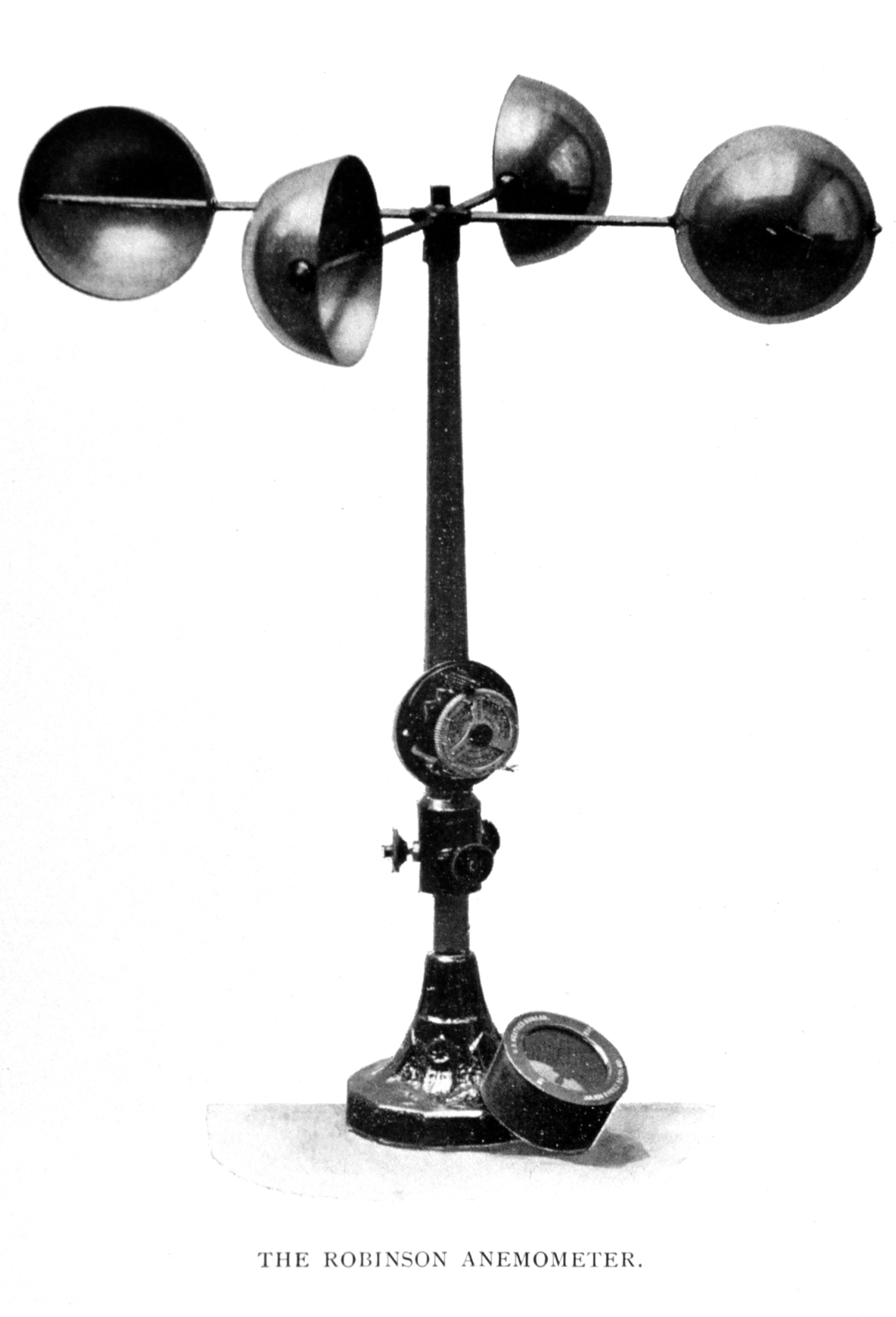
The most iconic and historically significant instrument for measuring wind speed is the anemometer. The earliest forms of anemometers were often observational, relying on the effect of wind on visible objects. However, the development of the cup anemometer by British scientist Robert Hooke in the 17th century marked a pivotal moment. Hooke’s design featured a series of cups mounted on arms that rotated when exposed to wind. The faster the wind blew, the faster the cups would spin. While Hooke himself may not have directly calibrated his device for quantitative speed measurement, his foundational concept paved the way for subsequent improvements.
Later, in the mid-19th century, Irish engineer John Thomas Romney Robinson refined the cup anemometer, developing the universally recognized Robinson anemometer. His design featured hemispherical cups mounted on horizontal arms connected to a vertical spindle. The rotation speed of this assembly was then directly proportional to the wind speed. This design proved remarkably robust and effective, becoming the standard for wind speed measurement for decades. Early anemometers often incorporated mechanical counters or dials to indicate the rotation speed, which could then be converted to wind speed using calibration charts. These instruments, though mechanical, were a significant leap forward, allowing for more consistent and quantifiable data collection.
The Vane Anemometer: Measuring Both Speed and Direction
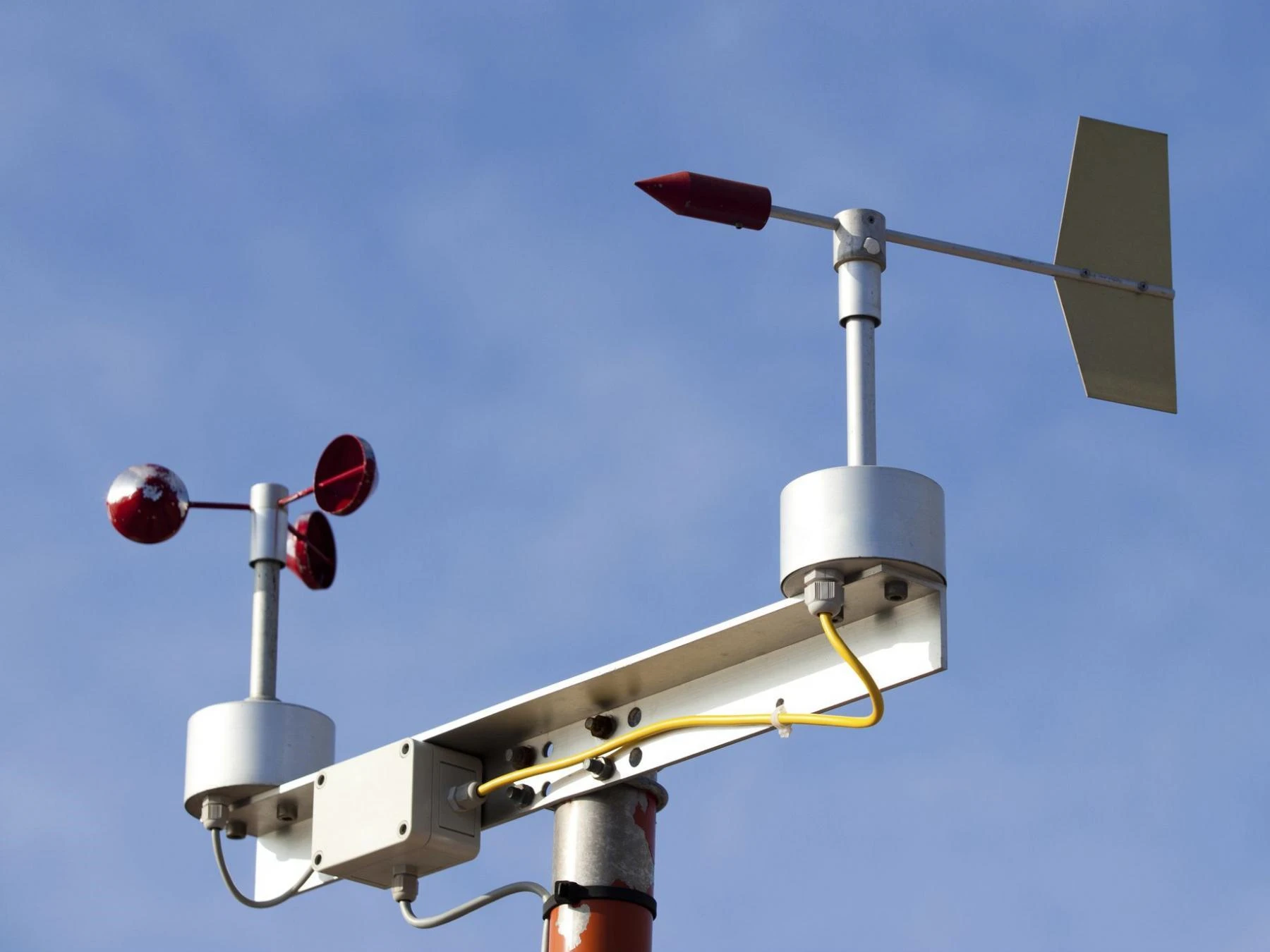
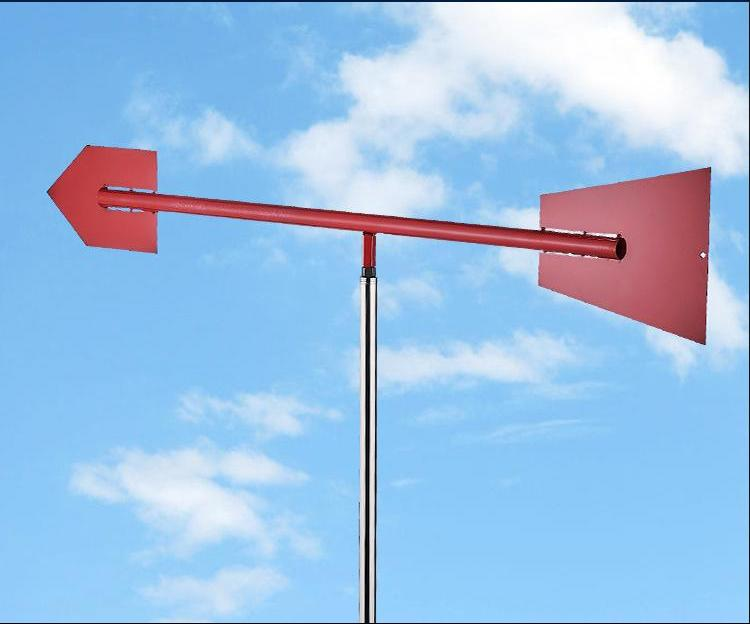
While the cup anemometer excels at measuring wind speed, it doesn’t inherently indicate wind direction. For this, early meteorologists relied on wind vanes. A wind vane is a simple device, typically a fin or pointer mounted on a pivot, that aligns itself with the direction of the wind. By observing the direction the vane pointed, one could determine where the wind was coming from.
The integration of wind speed and direction measurement led to the development of more complex instruments. Some early designs combined a rotating anemometer with a directional component, allowing for simultaneous readings. However, separate instruments for speed and direction remained common for a considerable period, requiring observers to record both readings manually. The act of observing and recording this data, often at regular intervals, was the bedrock of early meteorological studies.
The Technological Leap: Digital Sensors and Advanced Meteorology
The advent of electronics and digital technologies revolutionized the field of wind speed measurement, ushering in an era of increased accuracy, automation, and sophisticated data analysis. These advancements have made wind speed data more accessible, reliable, and integrated into a wider range of applications.
Modern Anemometry: Precision and Automation
Today’s anemometers are vastly different from their mechanical predecessors, employing a range of sophisticated sensor technologies to provide highly accurate and real-time wind speed data.
Ultrasonic Anemometers: The Silent Revolution
Ultrasonic anemometers represent a significant technological advancement. Instead of relying on moving parts, these devices use sound waves to measure wind speed and direction. They typically employ two pairs of ultrasonic transducers. One pair sends pulses of sound in opposite directions, parallel to the wind flow, and the other pair does the same perpendicular to the wind flow. By measuring the time it takes for the sound pulses to travel between the transducers, the system can calculate the wind speed. The wind effectively “carries” the sound waves, altering their travel time.
The key advantages of ultrasonic anemometers include their lack of moving parts, which means they are more durable, require less maintenance, and are less susceptible to damage from ice or debris. They also offer higher response times, allowing for the detection of rapid wind fluctuations. Furthermore, they can measure wind in three dimensions, providing a more complete picture of the atmospheric flow. These devices are now widely used in professional meteorological stations, research institutions, and for critical applications like aviation and wind energy assessments.
Hot-Wire and Hot-Film Anemometers: Precision at a Micro-Scale
While not as common for general meteorological use, hot-wire and hot-film anemometers are incredibly precise instruments used for measuring wind speed in more specialized applications, particularly in aerodynamics and fluid dynamics research. These devices work by passing an electric current through a thin wire or film, heating it to a specific temperature. As wind flows over the heated element, it cools it down. The amount of electrical power required to maintain the element at its constant temperature is then directly related to the wind speed.
These anemometers are highly sensitive and can measure very low wind speeds with remarkable accuracy. However, they are also delicate and susceptible to contamination, making them best suited for controlled laboratory environments or specific industrial applications where air quality is maintained.
Integrated Weather Stations: A Holistic Approach to Atmospheric Data
Modern wind speed measurement is rarely an isolated endeavor. It is typically integrated into comprehensive weather stations that collect a suite of atmospheric data, providing a holistic view of weather conditions. These stations are equipped with a variety of sensors, including:
- Anemometers: For wind speed and direction.
- Barometers: To measure atmospheric pressure, a key indicator of weather systems.
- Thermometers and Hygrometers: To measure temperature and humidity, respectively.
- Rain Gauges: To quantify precipitation.
- Pyranometers: To measure solar radiation.
These integrated systems are crucial for advanced meteorological forecasting, climate monitoring, and scientific research. The data collected is often transmitted wirelessly to central processing centers, where it is analyzed using sophisticated algorithms and computer models. This allows for the creation of highly detailed weather maps, predictions, and alerts, benefiting everything from agriculture to disaster preparedness.
The Role of Technology in Wind Data Applications
The instruments used to measure wind speed are not merely scientific curiosities; they are vital technological tools that underpin a wide array of critical applications, shaping industries and informing decisions that impact our daily lives. The accuracy, reliability, and accessibility of wind speed data, driven by technological advancements, have made these measurements indispensable.
Aviation and Air Traffic Control: Ensuring Safe Skies
The accurate measurement of wind speed is paramount in aviation. Pilots rely heavily on real-time wind data for takeoff and landing, as wind conditions can significantly affect aircraft performance and safety. During takeoff, headwinds increase lift and shorten the runway required, while tailwinds have the opposite effect. On landing, crosswinds can pose a significant challenge, requiring skilled maneuvering to maintain a stable approach.
Air traffic control relies on sophisticated weather monitoring systems, including accurate anemometers, to manage airspace efficiently and safely. Wind shear, a sudden and drastic change in wind speed and/or direction over a short distance, is a particularly dangerous phenomenon that can cause aircraft to lose altitude rapidly. Advanced Doppler radar systems, which can detect wind shear, often integrate anemometer data to provide comprehensive wind information to pilots and controllers. The technological evolution of anemometers has directly contributed to a significant reduction in aviation accidents related to weather conditions.
Renewable Energy: Harnessing the Power of the Wind
The burgeoning renewable energy sector, particularly wind power, is fundamentally dependent on precise wind speed data. Wind turbines are designed to operate optimally within specific wind speed ranges. Measuring wind speed at potential wind farm locations is crucial for assessing the viability and potential energy output of a site.
Long-term wind speed data, often collected by specialized meteorological towers equipped with advanced anemometers and other sensors, is used to model the expected energy generation of a wind farm over its lifespan. This data informs decisions about turbine placement, size, and type, as well as the overall financial feasibility of a project. Furthermore, real-time wind speed monitoring is essential for the efficient operation and grid integration of wind farms, allowing for adjustments to turbine output based on prevailing conditions and preventing damage during excessively high winds. The development of more accurate and robust anemometers has been a key enabler of the growth and efficiency of the wind energy industry.
Agriculture and Environmental Monitoring: Understanding Our Planet
In agriculture, wind speed plays a critical role in several aspects of crop management and environmental health. High winds can cause physical damage to crops, leading to reduced yields and economic losses. Understanding wind patterns helps farmers plan for irrigation, pesticide application, and the placement of windbreaks to protect vulnerable crops.
Beyond agriculture, accurate wind speed measurements are fundamental to environmental monitoring and research. Meteorologists use this data to understand atmospheric circulation patterns, track the movement of weather systems, and study phenomena like hurricanes and tornadoes. Climate scientists rely on long-term wind data to understand climate change and its impact on weather patterns. The deployment of weather stations in remote or sensitive ecosystems, often equipped with advanced digital anemometers, provides invaluable data for understanding and protecting our planet.
The Future of Wind Speed Measurement: Connectivity and Predictive Analytics
The trajectory of wind speed measurement technology is firmly pointed towards greater integration, increased connectivity, and the application of sophisticated analytical tools. As technology continues to advance, so too will our ability to not only measure wind speed with greater precision but also to predict its behavior and leverage this data more effectively.
The Internet of Things (IoT) and Distributed Sensing
The rise of the Internet of Things (IoT) is transforming how wind speed data is collected and utilized. Networks of interconnected, smart anemometers and weather stations are becoming increasingly common. These devices can communicate wirelessly, transmitting data in real-time to centralized platforms. This distributed sensing approach allows for the creation of highly granular wind maps, revealing localized variations that might be missed by traditional, sparser weather station networks.
The IoT enables a more dynamic and responsive approach to wind monitoring. For instance, in urban environments, networks of small, distributed anemometers can provide valuable microclimate data for urban planning and air quality assessments. In agriculture, IoT-enabled sensors can provide hyper-local wind data to individual farms, allowing for highly targeted interventions. This ubiquitous connectivity promises to unlock new levels of understanding and control over our environment.
Artificial Intelligence (AI) and Machine Learning in Wind Forecasting
The vast amounts of wind speed data being collected are a prime candidate for analysis using Artificial Intelligence (AI) and Machine Learning (ML). AI algorithms can identify complex patterns and relationships within the data that might not be apparent to human observers. This enables more sophisticated and accurate wind forecasting.
ML models can learn from historical wind data, alongside other atmospheric variables, to predict future wind speeds with greater precision. This is particularly valuable for the renewable energy sector, where accurate forecasts of wind power generation are essential for grid stability and energy market operations. AI can also be used to detect anomalies, identify potential equipment failures in wind turbines, and optimize their operation based on predicted wind conditions. The synergy between advanced sensing technology and AI-powered analytics is set to redefine our capabilities in understanding and interacting with the wind.
aViewFromTheCave is a participant in the Amazon Services LLC Associates Program, an affiliate advertising program designed to provide a means for sites to earn advertising fees by advertising and linking to Amazon.com. Amazon, the Amazon logo, AmazonSupply, and the AmazonSupply logo are trademarks of Amazon.com, Inc. or its affiliates. As an Amazon Associate we earn affiliate commissions from qualifying purchases.