
In the competitive landscape of higher education and collegiate athletics, a brand is often defined by its symbols. While many institutions rely on generic predators or historical figures, Duke University has cultivated one of the most recognizable and commercially successful brand identities in the world: the Blue Devil. This mascot is not merely a costumed entertainer at basketball games; it is a masterclass in brand strategy, visual identity, and emotional marketing.
To understand what Duke’s mascot represents is to understand the intersection of historical heritage and modern corporate identity. By examining the Blue Devil through a branding lens, we can uncover how a singular image has been leveraged to build a multi-million dollar merchandising empire and a global reputation for excellence.

The Historical Foundation: Building Brand Heritage
Successful brand strategies often lean on “origin stories” to create a sense of authenticity and depth. Duke’s choice of the Blue Devil is a quintessential example of heritage branding, moving beyond simple aesthetics to tap into historical significance.
The WWI Connection and the Chasseurs Alpins
The name “Blue Devils” was not an arbitrary choice. It traces its roots back to World War I, specifically to the Chasseurs Alpins, a French elite alpine infantry unit known for their blue capes and berets. They were nicknamed “les Diables Bleus” for their fierce fighting style and distinctive uniforms. When Duke sought a new nickname in the early 1920s, the student body eventually settled on this moniker to honor the bravery and elite status of those soldiers. From a brand perspective, this gave Duke an immediate “personality archetype”—that of the elite, the disciplined, and the formidable.
Evolution from Controversy to Trademark
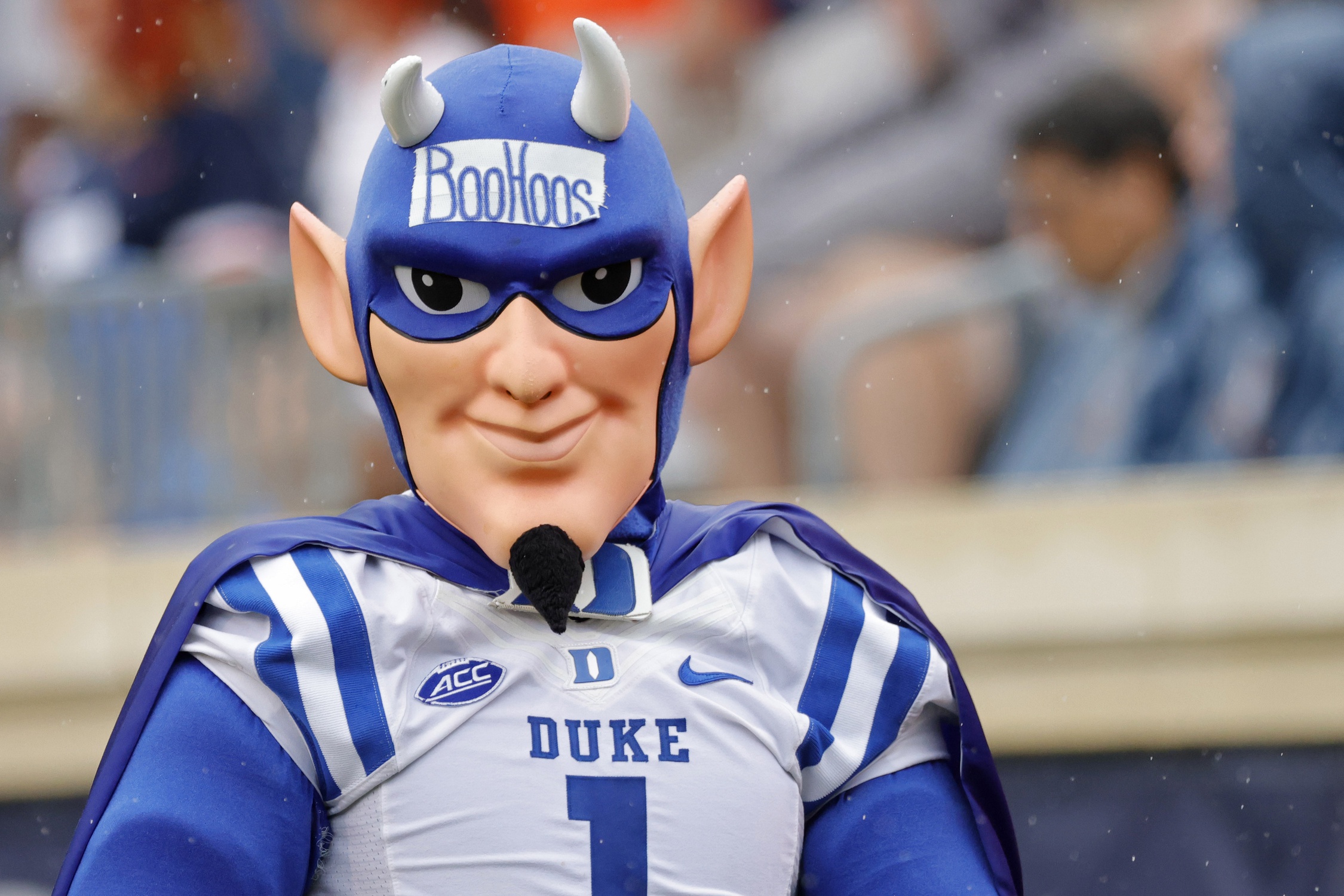
Initially, the name faced resistance due to religious connotations. However, the university’s marketing evolution over the decades successfully pivoted the narrative from religious symbolism to one of competitive spirit and elite performance. By trademarking the specific iteration of the Blue Devil—with its pointed goatee, blue cape, and mischievous yet confident expression—Duke secured a unique visual asset that separates it from any other “devil” or “demon” mascot in the marketplace.
Visual Identity and Color Psychology: The “Duke Blue” Standard
A brand is only as strong as its consistency. Duke University has mastered the art of visual identity by creating a rigid set of guidelines that ensure the Blue Devil is instantly recognizable, whether it is on a television screen in Japan or a sweatshirt in Durham, North Carolina.
The Psychology of Pantone 287
Central to the Blue Devil brand is the specific shade of blue. Known officially as Duke Blue (Pantone 287), this color choice is strategic. In color psychology, deep blues evoke trust, stability, intelligence, and authority. By tethering the mascot to this specific hue, the university aligns its athletic ferocity with its academic prestige. The visual consistency of Duke Blue across all touchpoints—stadiums, uniforms, websites, and apparel—builds “brand salience,” making the mascot synonymous with the institution’s high standards.
Minimalism and Iconography in Modern Design
The Blue Devil mascot has undergone several redesigns to meet modern aesthetic standards. The current iteration leans into “flat design” principles, which are essential for digital scalability. The logo is clean, uses high contrast, and avoids over-complication, allowing it to remain legible even as a small icon on a mobile app or a favicon. This design evolution reflects a brand that respects its history while prioritizing modern utility and digital-first marketing.
The Business of the Blue Devil: Licensing and Revenue

In the world of brand management, a mascot is a “brand mascot” or a “brand character” designed to drive revenue. The Blue Devil is one of the most profitable assets in the NCAA, serving as a primary driver for the university’s licensing arm.
Merchandising as a Lifestyle Brand
Duke has successfully transitioned the Blue Devil from a sports logo to a lifestyle brand. Through strategic partnerships with global giants like Nike, the university ensures that the mascot appears on high-quality performance gear and casual streetwear alike. This increases “brand impressions” exponentially. When a consumer wears a Blue Devil cap, they aren’t just supporting a team; they are signaling an affiliation with a “premier brand” known for winning and exclusivity. This creates a virtuous cycle where high demand allows for premium pricing.
Intellectual Property and Global Reach
The management of the Blue Devil as intellectual property (IP) is rigorous. Duke’s legal and marketing teams monitor the use of the mascot to prevent brand dilution. By controlling exactly how the Blue Devil is depicted—forbidding its use in contexts that don’t align with the university’s values—they maintain the “brand equity.” This protectionism is what allows the Blue Devil to maintain its status as a premium icon in the global marketplace, rivaling the brand recognition of professional franchises like the New York Yankees or the Dallas Cowboys.
Cultivating Brand Loyalty: The “Cameron Crazies” Ecosystem
The ultimate goal of any brand strategy is to turn customers into advocates. In Duke’s case, the mascot acts as the focal point for a community of hyper-loyalists known as the “Cameron Crazies.”
Fostering Community Through Symbolic Representation
The Blue Devil serves as a “tribal marker.” For students and alumni, the mascot is a unifying symbol that fosters an intense sense of belonging. In brand theory, this is known as “brand community.” The mascot doesn’t just represent the school; it represents the collective identity of the fans. This emotional connection is what drives long-term loyalty, ensuring that alumni continue to donate and support the institution decades after graduation. The Blue Devil is the face of this emotional contract.
Managing Brand Reputation in High-Stakes Environments
Because the Blue Devil is a “polarizing” brand—often cast as the “villain” in college basketball narratives—the university has leaned into this “anti-hero” persona. This is a sophisticated branding move. Instead of trying to be universally liked, Duke embraces its position as the team to beat. This “Elite/Villain” branding creates a stronger, more resilient identity. It builds an “Us vs. Them” mentality that reinforces internal loyalty while maintaining a high public profile. In marketing, being talked about (even by detractors) is often more valuable than being ignored.
Future-Proofing a Legacy Brand in the Digital Age
As we move further into the 21st century, the Blue Devil mascot must adapt to new mediums and changing cultural sensibilities. Duke’s brand strategy continues to evolve to stay relevant to Gen Z and Alpha audiences.
Digital Adaptation and Social Media Presence
The Blue Devil is no longer confined to physical appearances. The mascot has a robust digital presence, with dedicated social media personas that engage with fans in real-time. This “humanizes” the brand. By using the mascot to participate in viral trends or interact with professional athletes on Twitter and Instagram, Duke keeps the brand current. This digital-first approach ensures that the Blue Devil remains a relevant icon for a generation that consumes content primarily through vertical video and social feeds.
Navigating Modern Brand Sensitivities
In an era of increased social consciousness, many mascots have come under fire for being culturally insensitive or outdated. Duke’s mascot, based on a historical French military unit, has largely avoided these pitfalls, but the brand remains vigilant. Modern brand management involves constant “social listening” to ensure the mascot’s antics and depictions align with contemporary values without losing the “edge” that makes it successful. By balancing tradition with progress, Duke ensures that the Blue Devil will remain a viable and respected brand asset for the next hundred years.
In conclusion, Duke’s mascot is a masterclass in how an organization can use a single character to synthesize history, psychology, and commerce. The Blue Devil is more than a mascot; it is a meticulously managed corporate identity that drives revenue, builds community, and projects a global image of excellence. For brand strategists, the Blue Devil serves as a reminder that a mascot is not just a costume—it is the living, breathing soul of a brand.
aViewFromTheCave is a participant in the Amazon Services LLC Associates Program, an affiliate advertising program designed to provide a means for sites to earn advertising fees by advertising and linking to Amazon.com. Amazon, the Amazon logo, AmazonSupply, and the AmazonSupply logo are trademarks of Amazon.com, Inc. or its affiliates. As an Amazon Associate we earn affiliate commissions from qualifying purchases.