
The world of Pokémon trading cards extends far beyond mere cardboard and ink. For collectors and investors alike, the condition and authenticity of a card are paramount, and this is where grading services like Professional Sports Authenticator (PSA) come into play. A “PSA Pokémon card” refers to a Pokémon trading card that has been officially authenticated, graded, and encapsulated by PSA. This process adds a layer of trust, value, and desirability to the card, transforming it from a simple collectible into a potentially significant asset. Understanding what a PSA Pokémon card is, why it matters, and how the grading process works is crucial for anyone looking to engage seriously with the Pokémon card market, whether for passion, profit, or both.

The Significance of Grading in the Pokémon Card Market
The Pokémon trading card game, launched in 1996 by Nintendo, has evolved into a global phenomenon. Its collectible aspect, however, has often overshadowed its gameplay. As the hobby matured, so did the understanding of how card condition impacts value. The advent of third-party grading services like PSA addressed a critical need for standardization and verification in the market. Before grading, collectors relied on subjective assessments of condition, leading to disputes and a lack of confidence in the authenticity and quality of cards being traded.
Authenticity and Verification: Combating the Counterfeit Market
The immense popularity and increasing value of certain Pokémon cards have unfortunately led to a surge in counterfeit cards. These fakes can range from crude imitations to highly sophisticated reproductions that are difficult for the untrained eye to distinguish from genuine items. PSA’s grading process inherently includes an authentication step. Their experts meticulously examine each card for minute details, including ink saturation, holo patterns, print registration, edge wear, and font styles, comparing them against known genuine examples. By passing PSA’s authentication, a card receives a stamp of legitimacy, offering buyers peace of mind and protecting them from fraudulent purchases. This authentication is a cornerstone of the value proposition of a PSA-graded card.
Condition Assessment: The Foundation of Value
Beyond authenticity, the primary function of PSA is to assess and assign a numerical grade to the condition of a Pokémon card. This grade is based on a standardized scale from 1 to 10, with 10 being the highest and representing a flawless, gem-mint condition. The grading criteria are comprehensive and consider several factors:
- Centering: This refers to how well the image and borders are aligned on the card. Ideally, the borders should be of equal width on all sides. Even slight off-centering can significantly impact the grade.
- Corners: The sharpness and integrity of the card’s corners are crucial. Any signs of fraying, rounding, or dings will lower the grade.
- Edges: The condition of the card’s edges is examined for chipping, whitening, or wear. Clean and sharp edges are essential for higher grades.
- Surface: This encompasses the overall condition of the card’s front and back, including any scratches, creases, dents, print defects, or discoloration. A pristine surface is vital for top grades.
A card graded PSA 10 is considered perfect, a PSA 9 is near-perfect, and so on. This quantifiable grading system provides an objective benchmark for comparing the quality of different cards of the same type, directly influencing their market value.
The Power of Standardization and Market Trust
PSA’s grading system has become the industry standard for Pokémon cards. This standardization fosters trust within the collector community and the broader investment market. When a card is graded by PSA, its condition and authenticity are no longer a matter of opinion but a certified fact. This clarity simplifies transactions, reduces risk for buyers, and allows sellers to confidently price their items. The iconic blue-and-white PSA slab, which securely seals and displays the graded card, has become a symbol of quality and desirability, making PSA-graded cards highly sought after.
The PSA Grading Process for Pokémon Cards
The journey of a Pokémon card from a collector’s hand to a PSA-graded slab involves a rigorous and systematic process. Understanding each step provides insight into why PSA-graded cards command their premium and how the service operates to maintain its reputation for accuracy and integrity.
Submission: Getting Your Cards to PSA
Collectors can submit their Pokémon cards to PSA through various channels. The most common method is direct submission via PSA’s website. This involves creating an account, selecting the service level (which dictates turnaround time and cost), and filling out an online submission form. Users then carefully package their cards and ship them to PSA’s grading facility. For high-value submissions or those seeking expedited service, there are often premium tiers. Some collectors also utilize third-party submission services that act as intermediaries, consolidating submissions and handling shipping logistics for a fee. Careful packaging is paramount to prevent any damage during transit, as even minor issues can affect the final grade.
Authentication and Grading: The Expert Evaluation
Upon arrival at PSA, cards undergo a multi-stage evaluation. First, they are logged into PSA’s system and assigned a unique identification number. Then, experienced graders, trained to identify even the most subtle nuances of Pokémon cards, examine each submission.
- Initial Authentication: Graders first verify the card’s authenticity, comparing it against a vast database of genuine Pokémon cards. They look for inconsistencies in printing, materials, and design elements that are indicative of counterfeits.
- Condition Assessment: If deemed authentic, the card proceeds to the condition grading stage. Multiple graders often evaluate the same card independently to ensure objectivity. They meticulously assess centering, corners, edges, and surface condition using specialized tools and lighting.
- Assigning the Grade: Based on the collective evaluations, a final numerical grade from 1 to 10 is assigned. Cards that meet the criteria for a PSA 10 Gem Mint are exceptionally rare and must be virtually perfect in every respect.
This rigorous, multi-person inspection process is designed to minimize human error and bias.
Encapsulation and Labeling: The Final Product
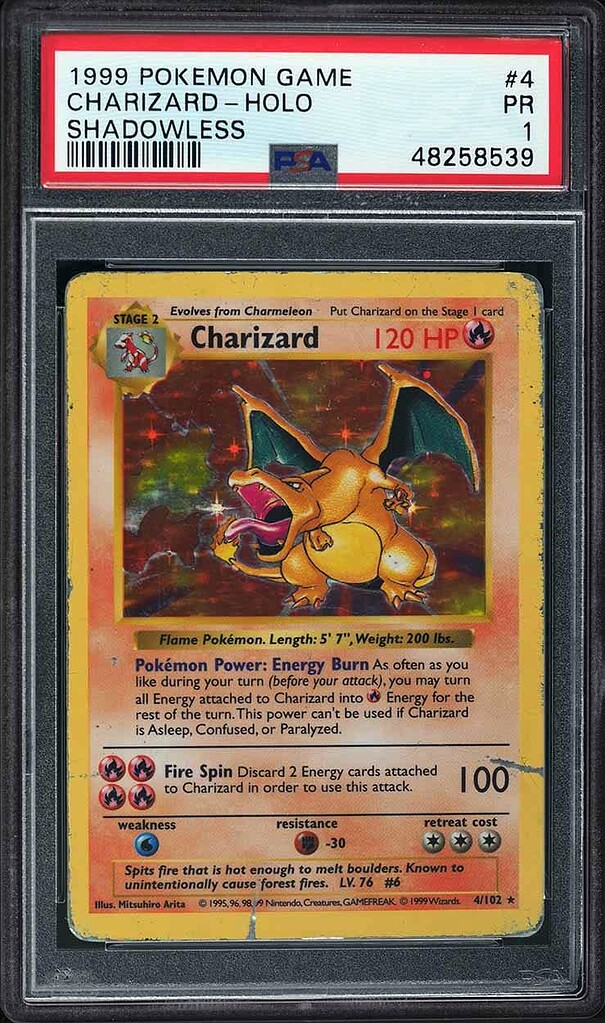
Once a grade is assigned, the card is placed in a tamper-evident, sonically sealed plastic holder, commonly referred to as a “slab.” This slab is designed to protect the card from environmental damage, handling, and further wear. The label affixed to the slab provides crucial information about the graded card:
- Card Name and Set: Identifies the specific Pokémon and the expansion set it belongs to.
- Grading Company: Clearly states “PSA.”
- Grade: Displays the assigned numerical grade (e.g., 10, 9, 8).
- Unique Certification Number: A serial number that can be verified on PSA’s online registry, allowing anyone to confirm the card’s grading details.
- Other Identifiers: May include year of release, card number, and authenticity confirmation.
This encapsulation not only preserves the card but also makes it easily identifiable and verifiable, solidifying its status as a professionally graded item.
The Value and Investment Potential of PSA Pokémon Cards
The decision to grade Pokémon cards often stems from their potential to significantly increase in value. A PSA-graded card, particularly one with a high grade, can be worth exponentially more than its ungraded counterpart. This surge in value is driven by the factors of authenticity, condition standardization, and market demand.
Understanding the Price Premium: Why PSA Grades Matter
The premium commanded by PSA-graded cards is a direct reflection of the trust and certainty they provide. For collectors, acquiring a PSA 10 card means owning a pristine example of a beloved piece of pop culture, free from the anxiety of hidden flaws or counterfeit concerns. For investors, the standardized grading offers a tangible way to assess and compare the quality and potential future appreciation of an asset. This premium is not arbitrary; it is built on the foundation of PSA’s reputation and the verifiable quality of their graded cards.
For example, a rare Pokémon card in ungraded, near-mint condition might be worth a few hundred dollars. The same card, if graded PSA 10, could easily fetch thousands, or even tens of thousands, depending on its rarity and demand. This dramatic difference highlights the immense financial impact of professional grading.
Identifying High-Value PSA Pokémon Cards
Several factors contribute to a Pokémon card’s potential for high value once graded by PSA:
- Rarity: Cards from early sets (like Base Set, Jungle, and Fossil) are generally rarer and more sought after than those from modern sets. Promotional cards, limited edition releases, and error cards also fall into this category.
- Condition (Grade): As discussed, a PSA 10 grade is the pinnacle. Even a PSA 9 can be highly valuable, but the drop-off in value is significant as the grade decreases. The condition of the card is paramount to its desirability in a graded state.
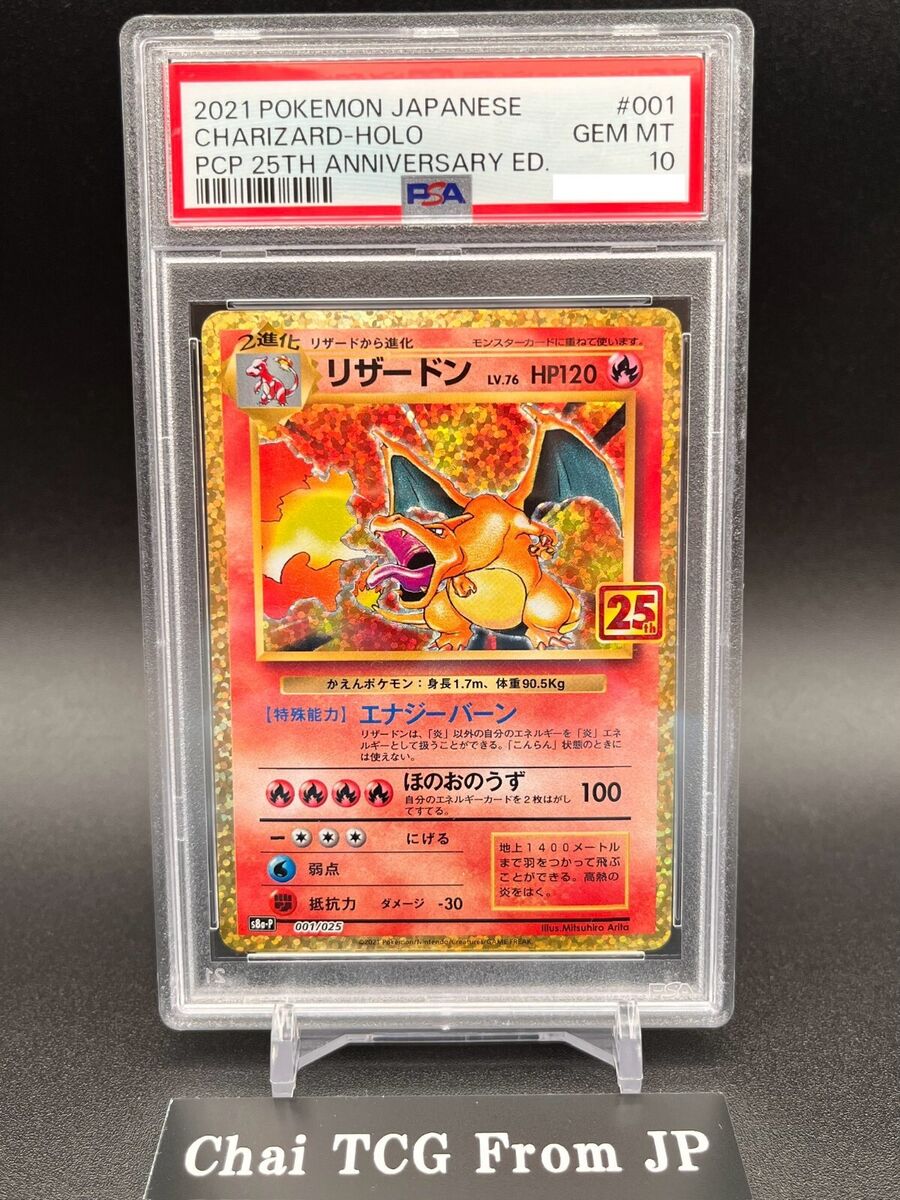
- Demand and Popularity: Iconic Pokémon like Charizard, Pikachu, and Blastoise consistently drive demand. Cards featuring these popular characters, especially in their early or holographic iterations, tend to perform well.
- Set and Edition: First Edition cards, especially those from the Base Set, are particularly coveted. Cards with specific set symbols or “shadowless” prints (a variation of the Base Set) also command higher prices.
- Historical Significance: Cards tied to significant events in Pokémon history or those with unique printing characteristics often gain a special status among collectors.
The Pokémon Card Market as an Investment Class
The Pokémon card market, with PSA grading at its core, has emerged as a legitimate alternative investment class for some. While inherently more speculative and volatile than traditional investments like stocks or bonds, the potential for substantial returns has attracted attention.
- Market Volatility: It’s crucial to acknowledge that the Pokémon card market can be subject to significant fluctuations. Trends, economic conditions, and shifts in collector sentiment can all impact card values. Unlike established financial markets, the Pokémon card market is less regulated and can be more susceptible to speculative bubbles.
- Long-Term Appreciation: Historically, certain rare and high-grade Pokémon cards have demonstrated impressive long-term appreciation. This is often driven by the increasing scarcity of gem-mint condition cards from older sets and the enduring appeal of the Pokémon brand.
- Due Diligence and Risk Management: For those considering Pokémon cards as an investment, thorough research is essential. Understanding the grading process, identifying genuinely rare and in-demand cards, and diversifying one’s collection are key to managing risk. Consulting with experienced collectors and market analysts can provide valuable insights.
In conclusion, a PSA Pokémon card represents a certified level of quality and authenticity that is indispensable in the modern Pokémon trading card market. It bridges the gap between casual collecting and serious investment, offering a standardized and trusted way to engage with a hobby that has captivated millions worldwide. Whether driven by nostalgia, passion, or financial aspirations, understanding the role and value of PSA grading is fundamental to navigating the exciting and dynamic world of Pokémon cards.
aViewFromTheCave is a participant in the Amazon Services LLC Associates Program, an affiliate advertising program designed to provide a means for sites to earn advertising fees by advertising and linking to Amazon.com. Amazon, the Amazon logo, AmazonSupply, and the AmazonSupply logo are trademarks of Amazon.com, Inc. or its affiliates. As an Amazon Associate we earn affiliate commissions from qualifying purchases.