
In the modern landscape of intellectual property (IP), a brand is no longer defined merely by a logo or a catchy slogan. Instead, the most successful brands are those that construct immersive ecosystems where consumers can “live” within the narrative. Perhaps no better example of this exists in the world of young adult literature and multi-media franchises than “Camp Half-Blood.”
While a casual observer might define Camp Half-Blood as the fictional training ground for Greek demigods in Rick Riordan’s Percy Jackson & The Olympians series, a brand strategist sees something far more complex. Camp Half-Blood represents a masterclass in brand architecture, community segmentation, and long-term franchise sustainability. It is the central pillar of a global brand identity that has successfully pivoted across publishing, cinema, musical theater, and high-budget streaming television.
The Architecture of an Iconic Brand: Beyond the Pages
At its core, Camp Half-Blood serves as the “anchor” for the Percy Jackson brand. In branding terms, an anchor is a recognizable, consistent element that provides consumers with a sense of place and belonging. Just as Disney uses its theme parks to solidify its brand experience, Rick Riordan used Camp Half-Blood to create a “world-brand” that exists independently of any single character.
Visual Identity and Symbolic Consistency
A successful brand requires a cohesive visual language. Camp Half-Blood utilizes a distinct set of symbols—the orange t-shirt, the laurel wreaths, the Greek architectural motifs, and the specific iconography associated with each Olympian god. This visual consistency allows for immediate brand recognition.
From a marketing perspective, the “Orange Camp Shirt” is more than a costume; it is a lifestyle product. It signals membership in an exclusive yet accessible community. By standardizing the visual elements of the camp, the brand created a “uniform” that fans could adopt, effectively turning the consumer base into a walking marketing force.
Emotional Connection and Community Building
The most powerful brands evoke a sense of “home.” Camp Half-Blood is strategically designed as a sanctuary for those who feel like outsiders—a recurring theme in successful brand positioning for younger demographics. By defining the camp as a place for the “neurodivergent” (explained in-universe as ADHD and dyslexia being signs of demigod lineage), the brand tapped into a powerful form of identity marketing. It transformed a perceived weakness into a “brand superpower,” fostering a deep-seated loyalty that has lasted for over two decades.
Scaling the Mythos: From Literary Setting to Global Franchise
Scaling a brand from a single medium (books) to a multi-platform powerhouse requires a delicate balance of innovation and preservation. Camp Half-Blood has acted as the “north star” during this expansion, ensuring that regardless of the medium, the brand identity remains intact.
The Disney+ Influence: Rebranding for a New Generation
The transition of the Percy Jackson IP to a Disney+ original series represents a significant strategic pivot. After the cinematic attempts of the early 2010s failed to capture the brand’s essence, the streaming series acted as a “brand reboot.”
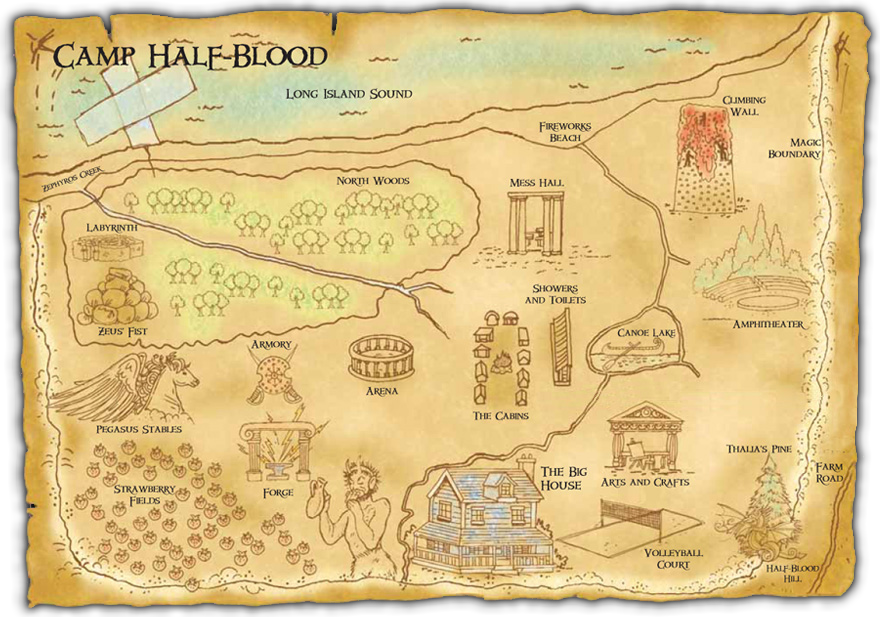
The focus of this reboot was the physical realization of Camp Half-Blood. By investing heavily in the production design of the camp—the cabins, the Big House, and the amphitheater—Disney reinforced the brand’s physical presence. This move wasn’t just about storytelling; it was about “world-building as a service,” providing high-fidelity visuals that could be translated into merchandise, digital experiences, and potential theme park integrations.
Strategic Partnerships and Cross-Platform Integration
The Camp Half-Blood brand has successfully extended its reach through strategic licensing and cross-platform storytelling. Whether it is a Broadway musical or a graphic novel series, the core brand promise—”Training the heroes of tomorrow”—remains the central marketing message.

In the digital space, the brand has utilized social media to create “virtual camp sessions,” using interactive content to keep the audience engaged between major releases. This multi-channel approach ensures that the brand remains top-of-mind, utilizing the camp as a central hub for all promotional activities.
Lessons in Brand Loyalty: The “Cabin” Archetypes
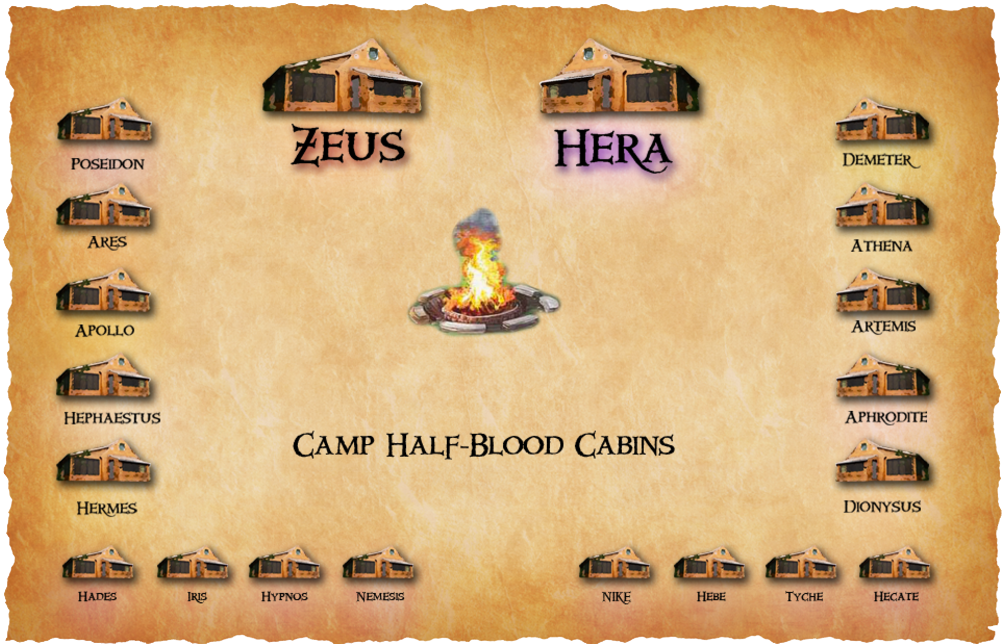
One of the most brilliant aspects of the Camp Half-Blood brand strategy is its use of segmentation. In marketing, segmentation involves dividing a broad target market into subsets of consumers who have common needs or interests. Riordan achieved this through the “Twelve Cabins” (which later expanded).
Personalization Through Archetypal Marketing
Each cabin at Camp Half-Blood is associated with a specific Greek god, representing different personality traits, skills, and interests. Cabin 7 (Apollo) attracts the artistic and athletic; Cabin 6 (Athena) attracts the intellectual and strategic; Cabin 9 (Hephaestus) attracts the builders and innovators.
This is a classic example of “archetypal marketing.” By allowing fans to self-identify with a specific cabin, the brand facilitates a personalized connection. Fans don’t just “like” Percy Jackson; they are “Children of Poseidon” or “Children of Hermes.” This level of personal identification is the holy grail of brand loyalty, as it turns a passive consumer into an active participant in the brand’s story.
Gamification and Consumer Participation
The “cabin” system naturally lends itself to gamification. Over the years, the brand has utilized quizzes, digital sorting experiences, and social media badges to allow fans to “claim” their lineage. This gamified approach mimics the success of the “Hogwarts Houses” in the Harry Potter franchise but with a more diverse and expansive framework.
From a business perspective, this segmentation drives merchandise sales. Instead of a single “generic” camp shirt, the brand can market twelve (or more) different variations, each catering to a specific sub-segment of the audience. This increases the “collectibility” of the brand and encourages repeat purchases.
The Longevity of the Camp Half-Blood Brand
For a brand to survive, it must evolve without losing its core identity. The “Camp Half-Blood Chronicles” (the umbrella term for the various series set in this universe) have mastered the art of brand extension.
Sustaining Value through “Rick Riordan Presents”
To prevent brand fatigue while expanding the market, the “Rick Riordan Presents” imprint was created. While these books often explore different mythologies (Hindu, Mayan, Yoruba, etc.), they are marketed under the “halo effect” of the Rick Riordan/Camp Half-Blood brand.
By leveraging the established trust and “brand equity” of Camp Half-Blood, the imprint has been able to launch new IPs that follow a similar structural formula. This is a savvy corporate move: it diversifies the brand’s portfolio and reaches new cultural demographics while maintaining the core “hero’s journey” brand promise that fans expect.
Future-Proofing the IP in a Saturated Market
As we look toward the future, the Camp Half-Blood brand is positioned for continued growth. The key to its longevity lies in its adaptability. The brand has successfully integrated contemporary themes of diversity, inclusion, and mental health awareness, ensuring it remains relevant to Gen Z and Gen Alpha consumers.
In an era of “disposable content,” Camp Half-Blood stands as a testament to the power of a well-defined brand world. It isn’t just a setting in a book; it is a multi-million dollar brand ecosystem built on the foundations of community, identity, and timeless storytelling. For marketers and brand strategists, it serves as a reminder that the most durable brands are not those that simply sell a product, but those that offer a place where the consumer truly feels they belong.
In conclusion, “What is Camp Half-Blood?” is a question with a two-fold answer. Narratively, it is a home for demigods. Strategically, it is a masterfully crafted brand identity that utilizes symbolism, segmentation, and multi-platform scaling to maintain market dominance in the competitive world of global entertainment. By understanding the mechanics behind this fictional camp, modern brands can learn valuable lessons in building deep-seated consumer loyalty and creating a world that people never want to leave.
aViewFromTheCave is a participant in the Amazon Services LLC Associates Program, an affiliate advertising program designed to provide a means for sites to earn advertising fees by advertising and linking to Amazon.com. Amazon, the Amazon logo, AmazonSupply, and the AmazonSupply logo are trademarks of Amazon.com, Inc. or its affiliates. As an Amazon Associate we earn affiliate commissions from qualifying purchases.