
Direct support staff play a critical, often unsung role in society, providing essential assistance to individuals with disabilities or other significant life challenges. While their primary function is humanistic—fostering independence, dignity, and quality of life—understanding their role through a financial lens reveals a complex and vital economic ecosystem. From the individual earnings of these professionals to the funding mechanisms that sustain their services and their broader economic impact, the financial dimensions of direct support are profound. This article delves into the financial intricacies surrounding direct support staff, exploring compensation, business models, income potential, and the broader economic landscape they inhabit.
The Financial Landscape of Direct Support Roles
The work of direct support staff is integral to the care economy, representing a significant expenditure for public services, private agencies, and families alike. Their financial compensation, the sustainability of their roles, and their contribution to the economy are all critical areas of analysis.
Understanding Compensation and Benefits
Compensation for direct support staff varies widely based on geographic location, the specific needs of the individuals they support, the type of agency or employer, and the funding models in place. Wages are often influenced by state and federal minimum wage laws, as well as specific mandates for healthcare or social service workers. Many positions are hourly, with entry-level pay often hovering near the lower end of the wage spectrum. However, specialized skills, certifications (such as certified nursing assistant or medication administration training), experience, and the complexity of care required can lead to higher hourly rates.
Benefits packages can also differ significantly. While some larger agencies might offer comprehensive health insurance, retirement plans, paid time off, and tuition reimbursement, smaller organizations or independent contractor roles may provide fewer, if any, of these benefits. The push for improved wages and benefits in the direct support sector is a continuous advocacy effort, aimed at attracting and retaining skilled professionals to a demanding yet rewarding field. The economic stability and well-being of these staff members directly correlate with their ability to provide consistent, high-quality care.
Career Pathways and Earning Potential
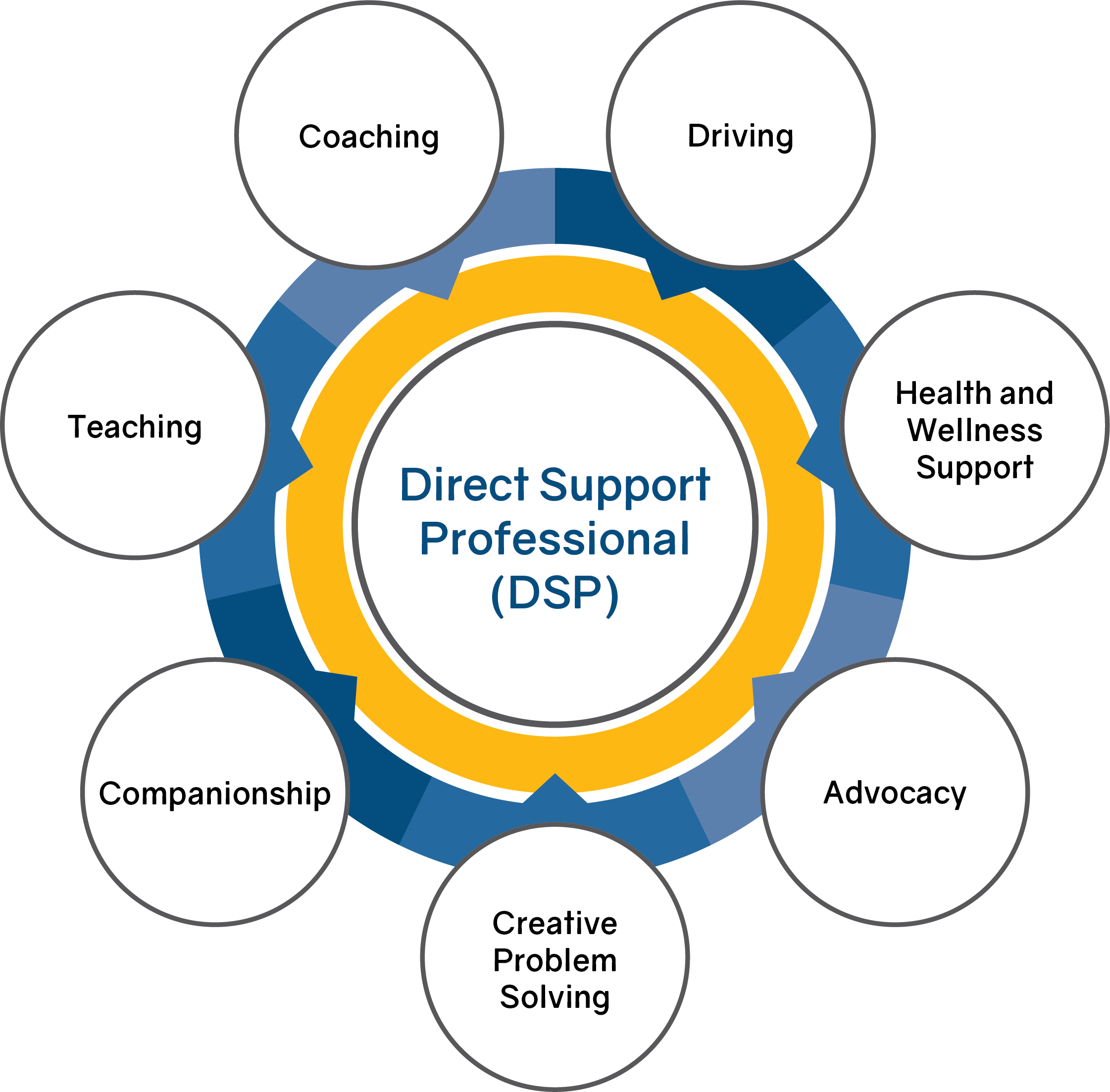
While often perceived as entry-level positions, direct support roles offer various career pathways that can lead to increased earning potential. Many direct support professionals (DSPs) begin with basic personal care and companionship roles. With experience and further training, they can specialize in areas such as behavioral support, therapeutic interventions, or specific medical conditions. This specialization can command higher wages.
Furthermore, direct support experience serves as a foundational stepping stone for careers in related fields. Many DSPs transition into roles as case managers, program coordinators, team leads, or even administrative positions within social service agencies. Some pursue higher education, becoming registered nurses, social workers, occupational therapists, or special education teachers, leveraging their hands-on experience as a significant advantage. The earning potential, therefore, extends beyond the direct support role itself, providing a pathway to more advanced and financially rewarding careers within the human services sector. Investing in professional development and continuous learning is a key strategy for DSPs looking to maximize their long-term earning potential.
Economic Impact on Individuals and Communities
The economic impact of direct support staff extends far beyond their individual paychecks. For the individuals receiving support, DSPs enable participation in community life, maintain employment, and prevent costly institutionalization, thereby fostering greater economic independence. This support reduces the financial burden on families, who might otherwise have to forgo employment themselves to provide full-time care.
At a broader community level, the direct support sector is a significant employer. Agencies providing these services contribute to local economies through job creation, procurement of goods and services, and tax revenues. The presence of robust direct support services also enhances the overall quality of life in a community, making it more inclusive and accessible. This can attract new residents and businesses, indirectly stimulating economic growth. The investment in direct support is, therefore, an investment in human capital and community welfare, yielding both social and economic returns.
Business Models and Funding for Direct Support Services
The financial viability of direct support services relies heavily on diverse and often complex business models and funding mechanisms. Understanding these structures is crucial for comprehending the financial pressures and opportunities within the sector.
Agency-Based vs. Independent Provider Structures
Direct support services are typically delivered through two primary models: agency-based or independent providers. Agency-based models involve direct support staff being employed by an organization (e.g., non-profit, for-profit agency, or government entity). In this structure, the agency handles payroll, benefits, training, supervision, and regulatory compliance. Financially, agencies operate by receiving funding from various sources, covering their overhead, staff wages, and operational costs. Their business model often involves economies of scale, managing multiple clients and a larger workforce.
Independent providers, on the other hand, are self-employed individuals who contract directly with clients or their families. This model offers greater flexibility for both the provider and the recipient in terms of scheduling and personalized care. From a financial perspective, independent providers are responsible for their own taxes, insurance, professional development, and benefits. While they may potentially earn a higher hourly rate directly, they also bear all the risks and administrative burdens of self-employment. The choice between these models often depends on funding availability, individual preferences, and local regulations.
Navigating Government Funding and Reimbursement
A substantial portion of direct support services is funded through government programs, primarily Medicaid waivers in the United States, which allow states to offer home and community-based services (HCBS) as an alternative to institutional care. These waivers are critical for individuals with disabilities to live independently. The financial mechanics involve state agencies administering funds received from federal and state budgets, reimbursing providers based on approved service plans and rates.
The rates set by government entities are a constant point of financial discussion. Adequate reimbursement rates are essential for providers to cover operational costs, pay competitive wages, and ensure the quality of care. When rates are too low, it can lead to staff shortages, high turnover, and a struggle for agencies to remain financially solvent. Advocacy efforts frequently focus on increasing these reimbursement rates to reflect the true cost of providing high-quality, person-centered support. Understanding the complexities of government funding streams and regulatory compliance is paramount for any organization or individual operating within this sector.

Operational Costs and Sustainability Challenges
The operational costs for direct support service providers are multifaceted. Beyond direct wages and benefits for staff, expenses include administrative overhead, training, supervision, transportation, insurance, facility costs (if applicable), and compliance with an ever-evolving landscape of state and federal regulations. For agencies, managing these costs effectively while maintaining quality of care is a continuous balancing act.
Sustainability challenges often arise from fluctuating funding, workforce shortages, and the increasing demand for services. High turnover rates among direct support staff due to low wages can lead to significant recruitment and training costs. Agencies must invest in robust financial planning, seek diversified funding sources (e.g., grants, private pay, philanthropic donations), and implement efficient operational strategies to ensure long-term viability. The financial health of these service providers directly impacts the accessibility and quality of support available to vulnerable populations.
Direct Support as a Viable Income Stream
For many, a role as direct support staff is not merely a job but a viable career path providing stable income, flexibility, or even entrepreneurial opportunities. Understanding the various ways this role can generate income is key to appreciating its economic significance.
Full-Time Employment and Stable Income
For a significant number of individuals, working as direct support staff provides full-time employment and a steady income. These roles often come with consistent schedules, allowing for financial planning and stability. As discussed, larger agencies may offer comprehensive benefits packages, adding substantial value beyond the base wage. Full-time direct support positions can serve as the primary source of household income, supporting individuals and families.
The stability of this income stream is often tied to the essential nature of the services provided. Demand for direct support services is generally resilient, not as susceptible to economic downturns as some other sectors, due to the ongoing needs of the individuals being served. This makes it a relatively secure field for those seeking consistent employment.
Part-Time and Flexible Opportunities for Supplemental Income
Beyond full-time roles, direct support offers extensive opportunities for part-time and flexible work, making it an attractive option for individuals seeking supplemental income or those with other commitments (e.g., students, parents, retirees). Many individuals work as DSPs on a part-time basis to augment income from another job, cover specific expenses, or save for future goals.
The flexibility often includes varied shifts (evenings, weekends, overnight), allowing individuals to tailor their work schedule around personal needs. This makes it an ideal side hustle or a way to earn income during non-traditional hours. For those looking to gain experience in healthcare or social services without committing to a full-time career immediately, part-time direct support roles provide invaluable practical exposure while generating income.
Entrepreneurial Ventures in Direct Support
The field of direct support also presents entrepreneurial opportunities. Independent providers essentially operate their own small businesses, managing client relationships, scheduling, billing, and marketing their services. This model appeals to those with an entrepreneurial spirit who desire greater autonomy and control over their work and income potential.
Furthermore, experienced DSPs or related professionals may choose to establish their own agencies or consulting firms, specializing in particular types of support or offering training to other providers. This requires business acumen, capital investment, and an understanding of regulatory requirements, but it can lead to significant financial rewards. From individual contracting to forming a full-fledged service agency, the direct support sector offers avenues for entrepreneurial growth and diversification of income streams.
Financial Planning Considerations for Direct Support Professionals
Given the unique financial characteristics of direct support roles, specific financial planning strategies are beneficial for professionals in this field.
Budgeting and Financial Literacy for Caregivers
Effective budgeting is crucial for direct support professionals, particularly given the varying wage structures and potential for hourly work. Understanding income and expenditure patterns, setting financial goals, and creating a realistic budget are fundamental steps. Financial literacy extends to comprehending pay stubs, navigating tax implications (especially for independent contractors), and understanding the value of benefits packages. Resources tailored to caregivers and hourly workers, which focus on managing variable income and planning for irregular expenses, can be particularly helpful. Building a solid financial foundation ensures that direct support professionals can effectively manage their earnings to meet their personal and household needs.
Retirement Planning and Savings Strategies
Retirement planning is a vital but often overlooked aspect for direct support staff. For agency employees, participation in employer-sponsored retirement plans like 401(k)s or 403(b)s is a valuable benefit. Independent contractors or those without employer plans must proactively set up individual retirement accounts (IRAs) or other self-directed savings vehicles. Consistent, even small, contributions over time can significantly impact long-term financial security. Understanding investment basics, compound interest, and the benefits of early savings are critical for ensuring a comfortable retirement after a career dedicated to helping others.

Managing Student Loans and Professional Development Costs
Many direct support professionals pursue further education or specialized certifications to advance their careers. Managing student loan debt, if applicable, is an important financial consideration. Strategies include income-driven repayment plans, exploring loan forgiveness programs (especially for those working in public service or non-profits), and efficient debt repayment strategies. Furthermore, budgeting for ongoing professional development, certifications, and continuing education credits is essential. While these investments enhance earning potential, they also represent a financial outlay that needs to be planned for. Balancing current financial obligations with investments in future career growth is a key component of financial planning for DSPs.
aViewFromTheCave is a participant in the Amazon Services LLC Associates Program, an affiliate advertising program designed to provide a means for sites to earn advertising fees by advertising and linking to Amazon.com. Amazon, the Amazon logo, AmazonSupply, and the AmazonSupply logo are trademarks of Amazon.com, Inc. or its affiliates. As an Amazon Associate we earn affiliate commissions from qualifying purchases.