
American Express cards are synonymous with premium benefits, robust rewards programs, and exceptional customer service. From the iconic Centurion Card to the widely sought-after Platinum and Gold Cards, Amex offers a diverse portfolio catering to various financial profiles and spending habits. However, gaining access to these exclusive financial tools often hinges on a crucial factor: your credit score. Understanding the credit score requirements for an Amex card isn’t just about a number; it’s about comprehending the financial health indicators that American Express, a global financial services giant, looks for in its cardholders.
This comprehensive guide will demystify the credit score benchmarks for American Express, delve into the additional factors that influence their approval decisions, and provide actionable strategies to help you cultivate a credit profile that stands out. Whether you’re aiming for your first Amex card or looking to upgrade to a more premium offering, navigating the application process effectively requires insight and preparation.
Decoding American Express Credit Score Requirements
When considering an applicant, American Express primarily relies on your credit score as a snapshot of your creditworthiness. This three-digit number, generated by credit bureaus, is a powerful indicator of your financial responsibility and ability to manage debt.
Understanding FICO and VantageScore Ranges
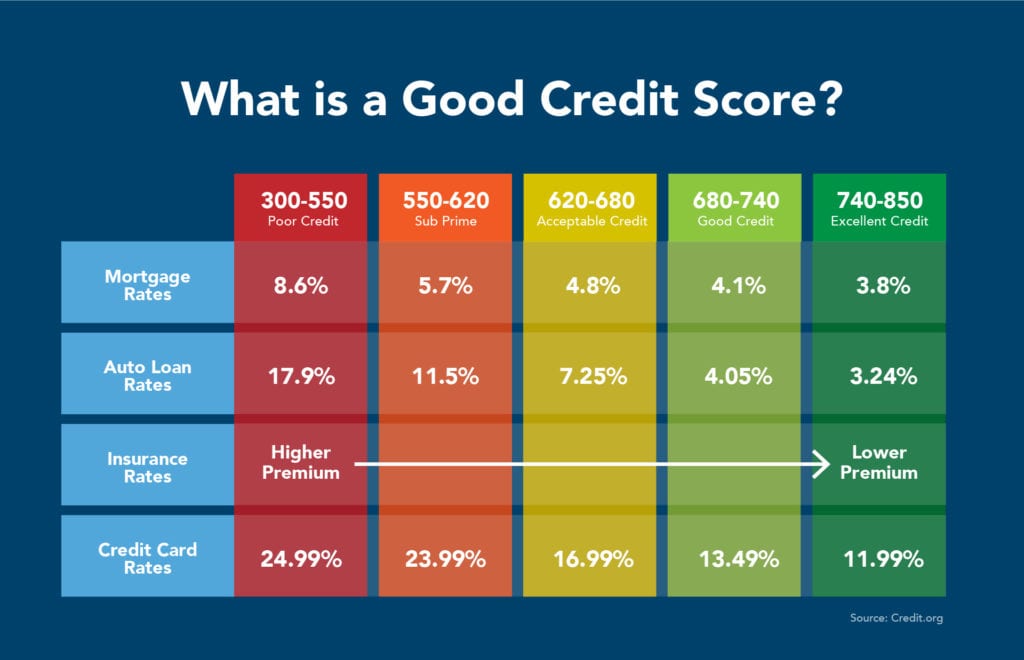
There are two primary credit scoring models used in the United States: FICO Score and VantageScore. While they use slightly different algorithms, their scoring ranges are generally similar:
- Exceptional/Excellent: 800-850
- Very Good: 740-799
- Good: 670-739
- Fair: 580-669
- Poor: 300-579
American Express, like many top-tier lenders, typically targets applicants within the “Good,” “Very Good,” and “Excellent” credit score ranges. This preference reflects their desire to mitigate risk and ensure cardholders can handle the potentially high credit limits and fee structures associated with their premium products. While there’s no single, universally published minimum score, historical data and industry observations provide strong indicators.
General Amex Credit Score Benchmarks
The specific credit score you’ll need often depends on the particular Amex card you’re applying for. Their product lineup is broad, ranging from starter cards with relatively lenient requirements to ultra-premium cards demanding an impeccable financial history.
- Entry-Level & Cash Back Cards (e.g., Amex EveryDay, Blue Cash Everyday Card): For these cards, which are often ideal for first-time Amex cardholders or those building credit, a “Good” credit score (typically 670+) is often sufficient. While not as demanding as their premium counterparts, these cards still look for a solid track record of responsible credit use. They offer a great pathway into the Amex ecosystem and can help you establish a relationship with the brand.
- Mid-Tier Rewards Cards (e.g., Amex Gold Card, Delta SkyMiles Gold Amex Card): As you move up to cards offering more robust rewards and travel benefits, the expectations rise. A “Very Good” credit score (740+) is generally recommended. Applicants in this range demonstrate consistent credit management, a longer credit history, and a lower perceived risk.
- Premium & Luxury Cards (e.g., The Platinum Card, Amex Green Card, Hilton Honors Aspire Card): For the flagship products that come with significant annual fees and extensive perks, an “Excellent” credit score (780+) is often preferred. These cards are designed for individuals with established financial stability, a proven history of managing high credit limits responsibly, and a strong overall credit profile. While it’s possible to get approved with a score in the upper “Very Good” range, an “Excellent” score significantly strengthens your application.
The “Good” to “Excellent” Sweet Spot
The sweet spot for Amex approvals consistently falls within the “Good” to “Excellent” credit score categories. If your score is below 670, gaining approval for most Amex cards will be challenging. While Amex does offer some credit-builder options, such as secured cards or co-branded cards for specific audiences, the majority of their popular offerings require a strong credit foundation. It’s crucial to know your current credit score before applying, as this will help you set realistic expectations and target the right card for your profile. Many credit card companies and financial tools offer free credit score monitoring, so there’s no excuse not to be informed.
Beyond the Score: Holistic Factors Amex Evaluates
While your credit score provides a vital initial filter, American Express, like all sophisticated lenders, employs a holistic approach to evaluating an application. They look beyond the three-digit number to paint a complete picture of your financial capacity and reliability. Understanding these additional factors can significantly enhance your chances of approval, even if your credit score is on the lower end of the desirable range, or conversely, explain a denial despite a strong score.
Income and Debt-to-Income (DTI) Ratio
Your income plays a significant role in Amex’s assessment. A higher income suggests a greater capacity to manage potential credit card debt and pay annual fees, especially for premium cards. Amex needs to be confident that you can comfortably afford the credit line they might extend. Equally important is your Debt-to-Income (DTI) ratio, which compares your total monthly debt payments to your gross monthly income. A low DTI indicates that you have ample disposable income to cover new credit obligations, signaling financial stability. Amex is wary of applicants who are already heavily burdened by existing debt, even if their credit score is good, as this increases the risk of default.
Credit History Length and Mix
The longevity and diversity of your credit history provide valuable insights into your financial behavior over time. A longer credit history, especially one characterized by responsible management, demonstrates consistency and reliability. American Express prefers to see that you’ve managed various types of credit accounts — such as installment loans (e.g., mortgages, auto loans) and revolving credit (e.g., other credit cards) — successfully. A healthy mix shows that you can handle different financial products responsibly, which is a strong positive indicator for Amex. It suggests a seasoned borrower who understands the nuances of credit management.
Payment History and Utilization
These two factors are often the most influential components of your credit score, and Amex scrutinizes them heavily. Your payment history, which details whether you’ve paid your bills on time, every time, is paramount. A single late payment can significantly damage your score and raise red flags for Amex. They are looking for a flawless or near-flawless record.
Credit utilization, which is the amount of revolving credit you’re using compared to your total available revolving credit, is another critical metric. Keeping your utilization below 30% (and ideally below 10%) on all your credit cards demonstrates that you’re not overly reliant on borrowed money and are managing your credit lines responsibly. High utilization, even with a good score, can signal financial strain and reduce your chances of approval for a new Amex card.
Existing Relationship with Amex

If you already have a banking or credit card relationship with American Express, this can sometimes work in your favor. Existing cardholders who have demonstrated a history of on-time payments and responsible credit management might find it easier to get approved for additional Amex products, even if their credit score is slightly below the typical benchmark for a new applicant. Amex has internal data on your spending habits and payment behavior, which can provide a more nuanced picture of your creditworthiness than just a credit report from an external bureau. This loyalty factor is often referred to as an “internal score” and can be a significant advantage.
Strategies to Cultivate an Amex-Worthy Credit Score
If your credit score isn’t quite where it needs to be for your desired Amex card, don’t despair. Building and improving your credit score is a marathon, not a sprint, but consistent effort yields significant rewards. Implementing strategic financial habits can progressively elevate your credit profile and open doors to premium financial products like those offered by American Express.
Mastering On-Time Payments
This is the bedrock of a healthy credit score, accounting for about 35% of your FICO score. Every payment made on time, every month, for every credit account, builds a positive payment history. Conversely, even a single late payment (30 days or more past due) can severely impact your score and remain on your credit report for up to seven years. Set up automatic payments, use calendar reminders, or consolidate bill due dates to ensure you never miss a payment. Prioritize paying at least the minimum amount due, though paying in full is always recommended to avoid interest charges.
Optimizing Credit Utilization
As discussed, keeping your credit utilization low is crucial. This factor accounts for approximately 30% of your FICO score. Aim to keep your total credit card balances below 30% of your total available credit, and ideally even lower, around 10%. For example, if you have a credit card with a $10,000 limit, try not to carry a balance exceeding $3,000. If you find your utilization creeping up, consider making multiple payments throughout the month rather than waiting for the statement closing date. This can help report a lower balance to the credit bureaus. Requesting a credit limit increase (if you can avoid the temptation to spend more) can also lower your utilization, but be mindful that this might involve a hard inquiry.
Diversifying Your Credit Portfolio
A healthy credit mix (types of credit accounts) contributes about 10% to your FICO score. Lenders like to see that you can responsibly manage both revolving credit (credit cards) and installment loans (mortgages, auto loans, student loans). If you only have one type of credit, consider adding another responsibly. For instance, if you only have student loans, opening a basic, no-annual-fee credit card and using it sparingly while paying it off in full each month can help diversify your profile. However, only take on new debt that you genuinely need and can afford.
Avoiding Unnecessary New Credit Applications
Each time you apply for a new credit card or loan, a “hard inquiry” is placed on your credit report. While a single hard inquiry typically has a minimal and temporary impact on your score, too many in a short period (e.g., six months) can signal to lenders that you might be desperate for credit or taking on more debt than you can handle. This can account for about 10% of your FICO score. Be judicious about your applications and only apply for credit when you truly need it and have a strong chance of approval.
Regularly Monitoring Your Credit Report
Knowledge is power. Access your free credit reports annually from each of the three major bureaus (Equifax, Experian, TransUnion) via AnnualCreditReport.com. Review them meticulously for any errors, inaccuracies, or signs of identity theft. Even a small mistake, like an incorrectly reported late payment, can negatively impact your score. Dispute any errors immediately. Many banks and financial apps also offer free access to your credit score (often a VantageScore), which allows you to track your progress and understand the impact of your financial actions in real time.
Navigating American Express Card Tiers and Application Insights
Once you have a solid understanding of your credit profile and the general requirements, the next step is to strategically navigate American Express’s product offerings and application process. Their diverse range of cards means there’s likely an Amex product suited for various credit levels, and approaching the application wisely can make all the difference.
Entry-Level vs. Premium Amex Cards
It’s crucial to match your credit profile with the appropriate Amex card tier. Don’t aim for The Platinum Card if your credit score is in the mid-600s and your credit history is short. Instead, consider starting with an entry-level option like the Amex EveryDay Credit Card or the Blue Cash Everyday Card from American Express. These cards typically have more accessible credit score requirements (often in the good credit range, 670+) and can serve as an excellent stepping stone. By demonstrating responsible use with one of these cards, you can build a positive relationship with Amex, which may facilitate an upgrade or approval for a more premium card down the line. Graduating to a higher-tier card is a common and recommended path for many cardholders.
Utilizing Amex Pre-Approval Tools
American Express offers a “Check for Pre-Qualified Credit Card Offers” tool on their website. This tool allows you to see which Amex cards you’re likely to be approved for without a hard inquiry impacting your credit score. You simply provide some personal information, and Amex conducts a “soft inquiry” (which doesn’t affect your score) to match you with suitable products. While pre-qualification doesn’t guarantee approval, it significantly increases your chances and helps you target cards where you meet the likely criteria. It’s a smart first step before submitting a formal application.
What to Do If Your Application is Denied
A denial is not the end of the road. If your Amex application is rejected, American Express is legally required to send you an adverse action letter explaining the primary reasons for the denial. Carefully review this letter. Common reasons include:
- Low credit score: Your score might not meet their minimum for the specific card.
- High credit utilization: You’re using too much of your available credit.
- Short credit history: Not enough history to assess risk.
- Too many recent hard inquiries: Suggests you’re seeking too much credit.
- High debt-to-income ratio: Too much existing debt relative to your income.
Upon receiving a denial, you can consider calling the Amex reconsideration line. This allows you to speak with a credit analyst and present additional information that might strengthen your case, such as explaining a recent pay raise not reflected in your credit report or clarifying a minor discrepancy. If reconsideration isn’t successful, focus on addressing the reasons for denial. Work on improving your credit score, paying down debt, or extending your credit history, and then reapply after six months to a year, or for a card better suited to your current financial profile.

Conclusion
Obtaining an American Express card is a coveted financial milestone for many, unlocking a world of exclusive benefits and rewards. While the direct answer to “what credit score do I need for an Amex” typically falls within the “Good” to “Excellent” range (670+ to 780+), it’s clear that the landscape of approval is far more nuanced. Amex evaluates not just your credit score, but also your income, debt levels, credit history length, and your overall track record of financial responsibility.
By understanding these multi-faceted criteria and proactively implementing strategies to build and maintain a strong credit profile—such as making on-time payments, managing credit utilization, and diversifying your credit mix—you significantly enhance your prospects. Utilize Amex’s pre-qualification tools to gauge your eligibility and, should you face a denial, leverage the reconsideration process and commit to long-term credit improvement. With diligent effort and strategic planning, the prestige and advantages of an American Express card can become a tangible reality, empowering you with a robust financial tool for your personal and professional journey.
aViewFromTheCave is a participant in the Amazon Services LLC Associates Program, an affiliate advertising program designed to provide a means for sites to earn advertising fees by advertising and linking to Amazon.com. Amazon, the Amazon logo, AmazonSupply, and the AmazonSupply logo are trademarks of Amazon.com, Inc. or its affiliates. As an Amazon Associate we earn affiliate commissions from qualifying purchases.