
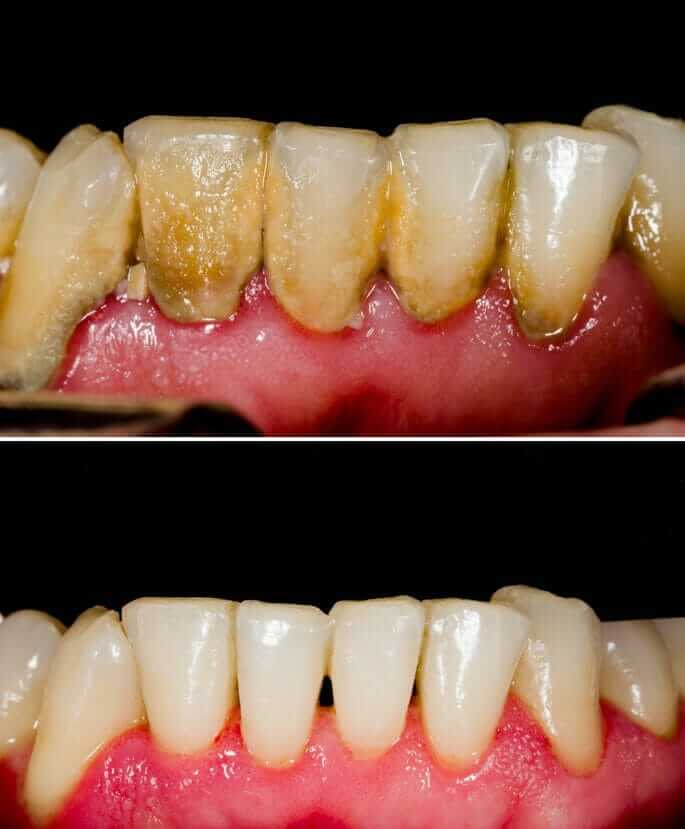
Dental debridement, at its core, refers to the systematic removal of plaque, calculus (tartar), and bacterial toxins from the tooth surfaces, both above and below the gum line. This critical procedure is fundamental to maintaining optimal oral health, preventing periodontal disease, and preserving the integrity of the teeth and supporting structures. While the concept of cleaning teeth has ancient roots, the methodologies and precision involved in modern dental debridement have been revolutionized by continuous advancements in technology. Today, debridement is far more than just a manual scrape; it is a sophisticated process leveraging cutting-edge tools, advanced diagnostics, and intelligent software to deliver highly effective and minimally invasive care. Understanding what dental debridement entails in the current technological landscape means appreciating the sophisticated array of digital and mechanical innovations that power this essential practice.

The Core Concept: Debridement in the Digital Age
At its foundation, dental debridement aims to eliminate the primary etiological factors of gingivitis and periodontitis: microbial biofilms, often manifested as plaque and hardened calculus. These deposits harbor bacteria that irritate gum tissue, leading to inflammation, bone loss, and eventually tooth mobility or loss if left unaddressed. Historically, this process was largely dependent on manual dexterity and tactile sensitivity. However, the modern definition of debridement is inextricably linked to the technological tools that have transformed its efficacy, efficiency, and patient experience.
Beyond Manual Scaling: A Technological Imperative
While manual scaling instruments, such as curettes and scalers, remain a vital part of a dental professional’s toolkit, their use in isolation presents limitations, particularly in terms of time, physical strain on the clinician, and the challenge of accessing deep, complex anatomical areas. The advent of power-driven instruments marked a significant turning point, ushering in an era where technology dramatically enhanced the capabilities of dental debridement. These innovations allowed for faster, more thorough removal of deposits with less discomfort for the patient, setting the stage for the sophisticated systems we see today.
Ultrasonic Systems: Precision and Efficiency Redefined
Perhaps the most impactful technological advancement in debridement has been the widespread adoption of ultrasonic scaling devices. These instruments operate by converting electrical energy into high-frequency vibrations, typically ranging from 25,000 to 45,000 cycles per second, which are then transmitted to a thin metal tip. When the vibrating tip contacts plaque and calculus, it effectively shatters and dislodges these deposits without directly scraping the tooth surface in the same way a manual instrument would.
Simultaneously, a continuous stream of water or an antimicrobial solution flows from the tip, serving multiple purposes: cooling the tip to prevent heat buildup, flushing away debris, and creating a phenomenon known as “cavitation.” Cavitation involves the formation and collapse of microscopic bubbles within the water stream, generating shockwaves that further disrupt bacterial cell walls and biofilms. This multifaceted action makes ultrasonic debridement exceptionally efficient and effective, particularly for moderate to heavy calculus deposits and for reaching into periodontal pockets where manual access is challenging. Modern ultrasonic units often feature various tip designs for different anatomical areas and deposit types, as well as adjustable power settings, allowing clinicians to customize treatment for optimal patient comfort and efficacy.
Advanced Diagnostic Technologies Powering Targeted Debridement
Effective debridement is not just about robust cleaning; it’s about targeted, informed cleaning. Before any instruments even touch the tooth surface, advanced diagnostic technologies play a crucial role in accurately assessing the oral environment, identifying areas of concern, and guiding the debridement process. These technologies provide dentists with unprecedented insights into the subgingival landscape, allowing for more precise and personalized treatment plans.
High-Resolution Imaging: Visualizing the Unseen
Digital imaging techniques have revolutionized how dental professionals visualize and understand the extent of plaque and calculus accumulation, as well as the underlying health of the supporting bone. Intraoral cameras, for instance, capture high-resolution images and videos of tooth surfaces, showing patients exactly where deposits are present. This not only aids in patient education and motivation but also allows the clinician to meticulously identify areas that require focused debridement, especially in hard-to-see regions.
Digital radiography, including conventional 2D X-rays and more advanced 3D cone-beam computed tomography (CBCT), provides invaluable information about the underlying bone structure, the presence of bone loss indicative of periodontitis, and the morphology of tooth roots where calculus might be lurking. These images help identify furcation involvements, root surface irregularities, and deep pockets that necessitate specialized debridement techniques. The immediacy and clarity of digital images, coupled with the ability to enhance and manipulate them, significantly improve diagnostic accuracy and treatment planning compared to traditional film-based radiography.
AI-Enhanced Analytics: Predictive Insights for Oral Health
The integration of Artificial Intelligence (AI) into dental diagnostics represents a burgeoning frontier, promising even more precise and predictive capabilities for debridement. AI algorithms, trained on vast datasets of dental images and patient records, can analyze digital radiographs and intraoral scans with remarkable speed and accuracy. For debridement, AI can assist in:
- Automated Calculus Detection: Identifying and quantifying calculus deposits on X-rays and 3D scans, potentially highlighting areas that might be missed by the human eye, particularly in early stages or complex anatomy.
- Periodontal Disease Progression Prediction: By analyzing patterns of bone loss over time and other clinical indicators, AI can help predict the future progression of periodontal disease, allowing for proactive and more aggressive debridement strategies where warranted.
- Risk Assessment: AI-powered tools can assess an individual’s risk factors for periodontal disease based on a comprehensive analysis of their oral health data, medical history, and lifestyle factors. This allows for tailored debridement recall schedules and preventative advice.
These AI tools don’t replace the clinician’s judgment but act as powerful adjuncts, enhancing diagnostic precision and enabling a more data-driven approach to debridement, ensuring that treatment is not just reactive but also preventive and predictive.
Laser-Assisted Debridement: A Leap in Minimally Invasive Care
Laser technology has introduced a paradigm shift in various dental procedures, and its application in periodontal debridement represents a significant advancement towards more minimally invasive and biologically friendly treatments. Lasers offer precision, sterilization, and promote healing in ways traditional methods cannot fully achieve.
Precision Ablation and Biofilm Disruption
Different types of lasers, such as Nd:YAG, Er:YAG, and diode lasers, are employed in periodontal debridement. These lasers can precisely target and ablate (vaporize) calculus, necrotic tissue, and inflamed gum tissue with minimal damage to healthy surrounding structures. The finely tuned energy of the laser effectively breaks down the complex structure of bacterial biofilms, which are notoriously resistant to conventional cleaning methods. The laser energy disrupts the bacterial matrix, making it easier to remove residual deposits and significantly reducing the bacterial load within periodontal pockets. This precise ablation helps in thorough cleaning without the extensive tissue manipulation often associated with traditional surgical approaches.

Antimicrobial Advantages and Tissue Regeneration
Beyond physical removal, lasers offer significant antimicrobial benefits. The energy emitted by certain lasers can penetrate gum tissue and effectively kill bacteria within periodontal pockets, including those deeply embedded in the root surface or within the gum tissue itself. This bactericidal effect is crucial for managing periodontal disease, as it reduces inflammation and creates a healthier environment for healing.
Furthermore, laser energy can stimulate cellular regeneration and promote faster healing of the soft tissues and even bone around the teeth. This bio-stimulation effect can lead to improved gum reattachment to the root surface and potentially encourage bone regeneration in areas affected by periodontal disease. By offering a less invasive alternative that combines precise debridement with antimicrobial action and healing promotion, laser-assisted debridement represents a significant technological leap in managing and treating periodontal conditions, often leading to reduced post-operative discomfort and faster recovery times for patients.
Digital Workflows and Software Solutions for Comprehensive Debridement Management
The modern dental practice thrives on efficiency and integration, and digital workflows driven by sophisticated software solutions are central to optimizing every aspect of patient care, including dental debridement. These tools streamline administrative tasks, enhance communication, and improve the overall quality and consistency of debridement services.
Practice Management Software: Orchestrating Patient Care
At the administrative core of any dental practice is robust practice management software. These comprehensive systems manage patient records, appointments, billing, insurance claims, and treatment histories. For debridement, this means:
- Automated Recalls: Systems can automatically flag patients due for their regular hygiene appointments, which often include debridement, sending out reminders via email or SMS.
- Detailed Charting: Digital charting allows for meticulous recording of periodontal probing depths, recession, bleeding points, and calculus presence. This data is invaluable for tracking the progression of periodontal disease and assessing the effectiveness of debridement over time.
- Treatment Planning Integration: The software integrates diagnostic findings with treatment plans, ensuring that debridement procedures are accurately documented and aligned with the patient’s overall oral health strategy.
- Patient Education: Many systems include integrated modules for patient education, allowing clinicians to present visual explanations of their oral condition and the necessity of debridement.
By consolidating all patient information and streamlining administrative tasks, practice management software ensures that debridement is delivered efficiently and with a clear understanding of the patient’s ongoing needs.
3D Modeling and Guided Procedures: Enhancing Accuracy
Beyond basic charting, advanced software applications leverage 3D imaging data (from CBCT scans) to create detailed models of the patient’s oral anatomy. This allows for:
- Virtual Treatment Planning: Clinicians can virtually plan complex debridement procedures, especially in cases of advanced periodontitis requiring surgical intervention. This pre-visualization helps anticipate challenges and optimize approaches.
- Guided Instrumentation: In some advanced scenarios, particularly in implant dentistry where peri-implantitis (inflammation around implants) requires specialized debridement, guided surgical templates can be designed using 3D software. These templates ensure that instruments access the affected areas with extreme precision, minimizing trauma to surrounding healthy tissues.
- Root Morphology Analysis: 3D models allow for an unparalleled view of complex root anatomies, identifying grooves, concavities, and furcations where calculus is notoriously difficult to remove. This information guides the clinician during debridement, ensuring no area is overlooked.
These sophisticated software tools transform debridement from a largely tactile, visual process into a data-driven, virtually planned procedure, significantly enhancing accuracy and predictability.
Emerging Technologies: The Future Landscape of Dental Debridement
The trajectory of dental technology points towards an even more automated, precise, and personalized future for debridement. Innovations in robotics, nanotechnology, and smart materials are poised to redefine what is possible in maintaining oral hygiene and treating periodontal disease.
Robotics and Automated Systems
While human dexterity and clinical judgment remain paramount, robotics is beginning to enter the dental arena, especially for highly repetitive or precision-demanding tasks. In the context of debridement, this could manifest in several ways:
- Automated Scaling Devices: Imagine robotic arms equipped with ultrasonic or laser tips, guided by real-time 3D imaging and AI algorithms, meticulously navigating the oral cavity to remove plaque and calculus with sub-millimeter precision. These systems could perform consistent, tireless debridement, potentially reducing variations in outcomes due to human fatigue or skill level.
- Personalized Home Debridement: Future developments might even include advanced robotic toothbrushes or oral hygiene devices that use sophisticated sensors and AI to identify and debride specific areas of plaque buildup at home, tailored to an individual’s unique oral anatomy and risk profile.
These systems would likely augment, rather than replace, the dental professional, allowing them to focus on diagnostics, complex cases, and overall patient management.
Nanotechnology and Smart Materials
Nanotechnology, the manipulation of matter on an atomic and molecular scale, holds immense promise for the future of debridement:
- Nanobots for Micro-Debridement: Conceptually, tiny, biocompatible nanobots could be deployed in the oral cavity to actively seek out and remove plaque and calculus at a microscopic level, potentially even breaking down bacterial biofilms and neutralizing toxins with unparalleled precision. These could work proactively to prevent buildup or reactively for deep cleaning.
- Smart Coatings and Materials: Nanoparticles could be incorporated into dental materials, such as toothpastes, mouthwashes, or even restorative materials, to create surfaces that resist bacterial adhesion or actively release antimicrobial agents, reducing the need for intensive debridement.
- Targeted Drug Delivery: Nanocarriers could be designed to deliver antimicrobial or regenerative agents directly to periodontal pockets, enhancing the efficacy of debridement by promoting healing and combating infection at a molecular level.
These futuristic applications, while still largely in research and development, illustrate a profound shift towards highly targeted, minimally invasive, and potentially continuous debridement strategies, promising an era of unprecedented control over oral health maintenance. The journey of dental debridement from manual scaling to these prospective nanotechnological interventions underscores dentistry’s unwavering commitment to leveraging technology for superior patient care.
aViewFromTheCave is a participant in the Amazon Services LLC Associates Program, an affiliate advertising program designed to provide a means for sites to earn advertising fees by advertising and linking to Amazon.com. Amazon, the Amazon logo, AmazonSupply, and the AmazonSupply logo are trademarks of Amazon.com, Inc. or its affiliates. As an Amazon Associate we earn affiliate commissions from qualifying purchases.