
In the intricate world of personal and business finance, a “void check” serves as a deceptively simple yet profoundly important document. While it contains no monetary value, its role is pivotal in establishing crucial financial connections, primarily for secure electronic transactions. For account holders with Chase, one of the largest and most prominent financial institutions globally, understanding how to obtain a void check efficiently is a fundamental aspect of sound financial management. This comprehensive guide delves into the various methods available through Chase, exploring their utility, security implications, and the broader context of why these unassuming slips of paper remain relevant in an increasingly digital financial landscape.
Understanding the “Void Check” and Its Importance in Personal Finance
Before diving into the “how-to,” it’s essential to grasp the fundamental concept of a void check and its indispensable role in modern financial practices. Far from being an obsolete relic, the void check acts as a standardized blueprint of your banking details, facilitating secure electronic fund transfers.
What is a Void Check?
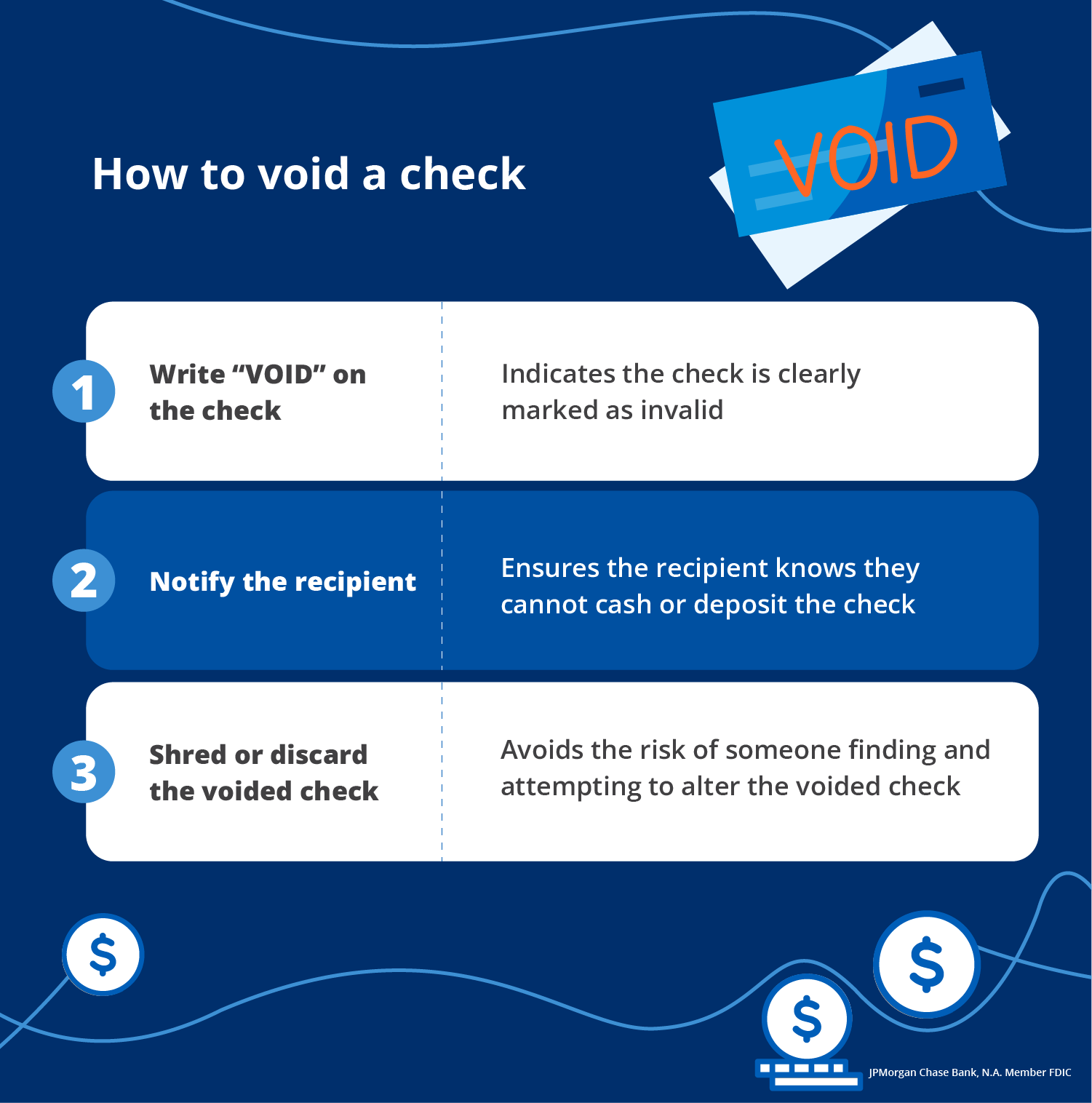
At its core, a void check is a regular blank check from your checking account that has been deliberately rendered unusable for payment. This is typically achieved by writing the word “VOID” in large, clear letters across the front of the check, ensuring it cannot be filled out, signed, or cashed. The act of voiding transforms the check from a negotiable instrument into a non-negotiable document that serves only to display your account’s routing and account numbers.
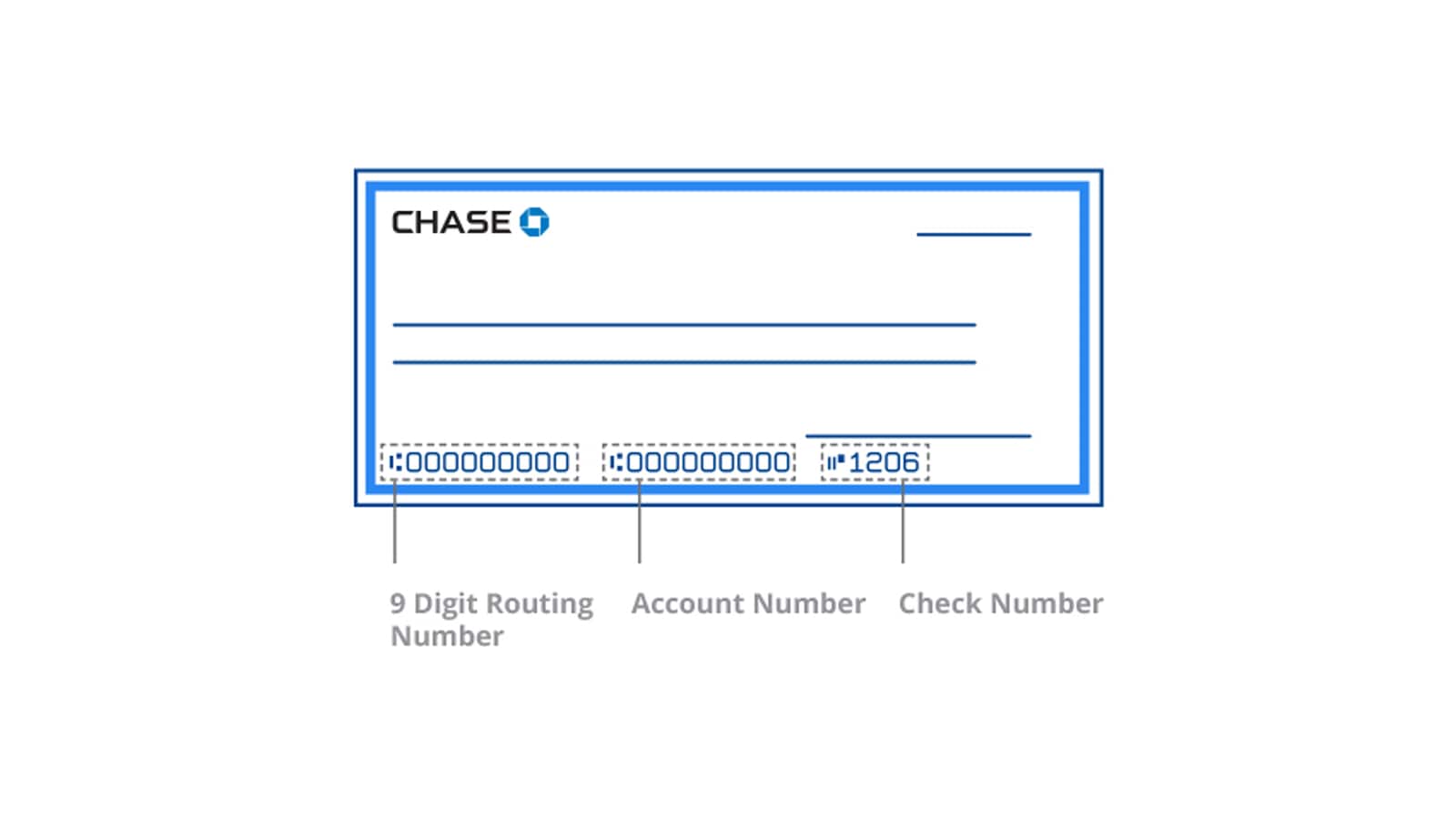
Crucially, a void check provides a standardized and universally accepted format for transmitting your bank account information. It visually confirms your bank’s routing number (which identifies your financial institution) and your specific account number (which identifies your individual account within that institution). This combination is paramount for linking your bank account to various third-party services, ensuring funds are directed to and debited from the correct location.
Why Do You Need a Void Check?
The necessity of a void check arises in several key financial scenarios, particularly those involving automated and recurring transactions. While digital alternatives exist and are gaining traction, many organizations still prefer or require a physical void check for initial setup due to its inherent clarity and widespread acceptance.
One of the most common reasons individuals need a void check is for direct deposit of their salary or wages. Employers require this document to ensure that your paycheck is automatically deposited into the correct checking account, eliminating the need for physical paychecks and streamlining payroll processes. Similarly, for those receiving government benefits, pensions, or other regular income streams, a void check provides the necessary banking details for seamless electronic transfers.
Beyond income, void checks are frequently requested when setting up automatic bill payments. Whether it’s for utilities (electricity, water, gas), mortgage payments, loan repayments (auto, student), or insurance premiums, providing a void check allows companies to securely link your account for recurring debits, helping you avoid late fees and manage your budget more effectively.
Furthermore, void checks can be necessary for establishing certain investment accounts, setting up contributions to retirement plans, or even for some peer-to-peer payment services that require bank verification for higher transaction limits or specific features. In a business context, employers might need a void check to set up their payroll system, while freelancers or small businesses may require one to establish payment receiving accounts with clients or platforms. Essentially, any situation demanding verified bank account details for automated financial processes is a potential scenario for a void check.
The Direct Method: Voiding an Existing Chase Check
The most straightforward and often quickest way to obtain a void check from Chase, or any bank, is by using an existing blank check from your checkbook. This method is universally accepted and requires minimal effort, provided you have a physical checkbook.
Step-by-Step Guide to Voiding a Check
If you have a Chase checking account and an accompanying checkbook, the process for voiding a check is simple and can be completed in moments:
- Select a Blank Check: Choose any unused, blank check from your checkbook. It’s generally advisable to pick one from the back of the book, or one you otherwise wouldn’t anticipate using, to avoid accidentally using a voided check later.
- Write “VOID” Clearly: Using a pen, write the word “VOID” in large, legible letters across the entire front of the check. It’s crucial to ensure the word covers all important fields, including the payee line, the amount boxes (both numerical and written), the date line, and the signature line. Many financial professionals recommend writing “VOID” across the entire check to leave no doubt as to its non-negotiable status.
- Do Not Sign or Date: Under no circumstances should you sign or date a void check. The absence of a signature is part of what makes it non-negotiable and prevents anyone from attempting to fraudulently complete or cash it.
- Make a Copy (Optional but Recommended): Before submitting the void check, consider making a photocopy or taking a clear photograph of it for your records. This provides you with proof that you submitted the correct information and keeps a digital copy of your routing and account numbers handy for future reference, should you need to provide them again manually.
- Submit the Void Check: Provide the voided check to the entity that requested it (e.g., your employer, utility company, investment firm).
Best Practices for Security
While simple, voiding a check involves handling sensitive financial information. Adhering to certain security best practices is paramount to protect your account:
- Ensure Legibility: Make sure “VOID” is written clearly and boldly enough that it cannot be easily erased or written over. Some people even suggest drawing lines through the magnetic ink character recognition (MICR) line at the bottom, though simply writing “VOID” sufficiently large is usually enough.
- Keep Unused Void Checks Secure: If you void a check but don’t immediately need it, or if you accidentally void the wrong one, store it securely with your other financial documents, or shred it if it’s truly unnecessary. Do not simply throw it in the trash.
- Verify Recipient Trustworthiness: Only provide a void check to reputable organizations that genuinely require it for legitimate financial services. Be wary of requests for void checks from unknown or suspicious sources, as this information could potentially be used for fraudulent activities if it falls into the wrong hands.
- Monitor Your Account: After providing a void check for any service, it’s always a good practice to monitor your Chase account activity for a few weeks to ensure that transactions are initiated correctly and that no unauthorized activity occurs.
Alternative Avenues: When You Don’t Have Checks or Need a Digital Solution
What if you don’t use checks, have run out, or prefer a more modern, digital approach? Chase offers several alternatives to obtain the necessary banking information without having to physically void a check. These methods cater to convenience and provide flexibility for account holders.
Leveraging Chase Online Banking and Mobile App
In today’s digital age, Chase’s online banking platform and mobile app are powerful tools for managing your finances, and they can often provide the information needed in lieu of a physical void check.
- Accessing Routing and Account Numbers: Both the Chase website and mobile app typically allow you to view your checking account’s routing and account numbers directly.
- On the Website: Log into your Chase account, navigate to your checking account details, and look for an “Account Details,” “Statements & Documents,” or similar section. Your routing and account numbers are usually displayed there.
- On the Mobile App: Open the Chase Mobile app, log in, select your checking account. You might need to tap on “Show details” or navigate to an “Account info” section to reveal the full numbers.
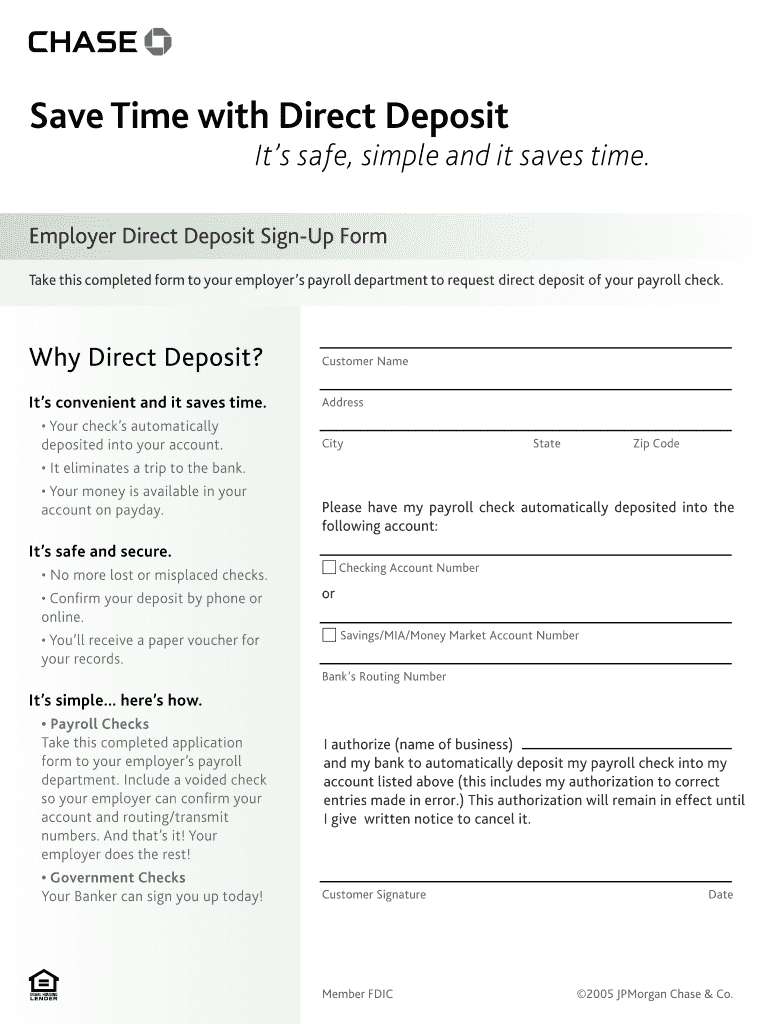
- Printing Direct Deposit Forms: Many employers and service providers will accept a pre-filled direct deposit form generated by your bank. While Chase might not provide a generic “void check equivalent” PDF directly downloadable with the voided stamp, they often offer official direct deposit forms or letters that contain all the necessary bank information.
- Look for options like “Direct Deposit Setup” or “Account Information Letter” within the online banking portal. If available, these documents are usually downloadable as PDFs and can be printed. They come pre-populated with your Chase routing number, account number, and sometimes even your bank’s address, serving the exact same purpose as a void check.
- Screenshotting (with caution): As a last resort, some individuals might screenshot their account details from the app or website. While this provides the information, it’s generally not considered as official or secure as a bank-generated document or a voided check. Always ensure the recipient will accept this format.
The primary advantage of using Chase Online Banking or the Mobile App is convenience and speed. You can access the required information anytime, anywhere, without needing to visit a branch or wait for mail.
Visiting a Chase Branch for Assistance
For those who prefer face-to-face interaction, need immediate assistance, or simply don’t have access to online banking, a visit to a Chase branch is a reliable option.
- What to Bring: When visiting a branch, ensure you bring a valid form of identification (e.g., driver’s license, passport) and, if possible, your Chase debit card or account number to expedite the process.
- Requesting a Counter Check or Direct Deposit Form:
- Counter Check: A teller can print a temporary “counter check” directly from your account. While it looks like a regular check, it’s typically not from your personal checkbook. You can then immediately void this counter check at the branch, fulfilling the requirement.
- Direct Deposit Form/Bank Letter: Alternatively, you can request an official bank letter or a pre-filled direct deposit form from the teller or a personal banker. These documents are printed on official bank stationery and contain all your necessary account details. They serve as an authoritative substitute for a void check.
- Benefits of Branch Visit: A branch visit offers personalized service, immediate resolution, and the assurance of receiving an official bank document. It’s particularly useful if you have complex questions or specific requirements from the requesting party.
Contacting Chase Customer Service
If a branch visit isn’t feasible and you’re struggling with online options, reaching out to Chase Customer Service is another viable pathway.
- Phone Support: You can call Chase’s customer service line. After verifying your identity, a representative can guide you on how to obtain the necessary information. They might be able to email you a direct deposit form, explain how to access it online, or even mail a letter containing your account details to your address on file.
- Secure Messaging: Within the Chase online banking platform, there’s usually a secure messaging feature. You can send a message requesting a direct deposit form or specific account information. This method provides a written record of your request and the bank’s response.
- Considerations: While convenient, relying on mail can take several business days. Phone support offers immediate guidance but may not always result in an immediate digital document.
Key Information Contained and Common Use Cases
Regardless of how you obtain it, a void check or its equivalent serves the singular purpose of relaying specific financial identifiers. Understanding these identifiers and their applications is crucial for navigating personal finance effectively.
Decoding Your Bank Account Information
The primary pieces of information conveyed by a void check are:
- Routing Number: This nine-digit number identifies your bank (in this case, Chase) and the specific location where your account was opened or is domiciled. It’s essential for directing electronic funds to the correct financial institution. Chase has different routing numbers depending on the state or region where your account was opened. You can often find this on your checks, through online banking, or by contacting Chase.
- Account Number: This unique string of numbers specifically identifies your individual checking account within Chase. It ensures that once funds reach Chase, they are credited or debited from your personal account, not someone else’s.
- Your Name and Address: While not directly used for electronic transfers, your name and address printed on the check provide an additional layer of verification, confirming ownership of the account.
- Bank Name and Address: Clearly states “Chase Bank” and often includes a local branch address, further reinforcing the bank’s identity.
Essential Scenarios for a Void Check
Beyond the common scenarios discussed earlier, a void check or its informational equivalent is vital for:
- Setting Up Online Payment Gateways: For businesses or freelancers, connecting a bank account to platforms like PayPal, Stripe, or other payment processors often requires verified account details.
- Investment Account Contributions: Whether setting up an IRA, a brokerage account, or a 401(k) contribution, linking your checking account for electronic transfers (ACH) usually involves providing this information.
- Loan Disbursement: When receiving a loan (e.g., personal loan, business loan), the lender will need your bank details to disburse the funds directly into your account.
- Freelance/Gig Economy Payouts: Many platforms that pay independent contractors or gig workers require a void check or direct deposit form for setting up payouts.
- Insurance Policy Payments: Setting up automatic payments for car, home, or life insurance policies often benefits from providing these verified details.
- Tax Refunds: While often done through tax software, sometimes specific requests for bank account details for direct deposit of tax refunds might reference the need for a voided check or similar documentation.
Security, Alternatives, and Final Considerations
While void checks are fundamental, it’s important to consider the security implications of sharing your bank information and to be aware of modern alternatives that might be more convenient or equally secure.
Protecting Your Financial Information
The act of voiding a check is inherently a security measure—it prevents the check from being used fraudulently. However, the information on the void check (your routing and account numbers) is still sensitive.
- Only Share with Trusted Entities: Only provide void checks or bank details to reputable organizations you have verified.
- Shred Unused/Expired Documents: Do not simply discard old void checks or printouts containing your bank information. Always shred them to prevent identity theft.
- Beware of Phishing Scams: Legitimate organizations will not typically ask for your full bank account number, social security number, or passwords via unsolicited email or text messages. Be vigilant against scams attempting to trick you into revealing this information.
- Digital Security: If using online banking or mobile apps, ensure your devices are secure, use strong passwords, and enable two-factor authentication.
Modern Alternatives to Traditional Void Checks
As technology advances, some entities are moving away from strictly requiring a physical void check in favor of equally secure or more streamlined digital alternatives:
- Bank Letters: Official letters from Chase, generated at a branch or sometimes online, can serve the same purpose as a void check, providing verified bank details.
- Pre-filled Direct Deposit Forms: Many employers now offer their own direct deposit forms which you can fill out with your routing and account numbers, often verified with a bank stamp or online verification system. Chase also offers these for download in some cases.
- Online Verification Services: Some companies are adopting secure third-party services that link directly to your bank account (with your permission) to verify account ownership and details electronically, bypassing the need for a void check entirely. This often involves logging into your bank account through a secure portal provided by the third party (e.g., Plaid).
- Manual Entry with Verification: Some organizations may allow you to simply type in your routing and account numbers online, often followed by a micro-deposit verification process where they send small deposits to your account that you must confirm, proving ownership.
While these alternatives are increasingly common, the void check remains a widely accepted and often preferred method due to its simplicity and universal understanding.
A Final Word on Financial Preparedness
Understanding how to obtain a void check from Chase is a fundamental skill in personal financial management. Whether for setting up direct deposit, automating bill payments, or linking various financial accounts, this small piece of paper (or its digital equivalent) is a cornerstone of efficient and secure electronic transactions. By being familiar with the different methods—from voiding an existing check to leveraging Chase’s robust online tools or visiting a branch—you empower yourself to navigate your financial life with confidence, ensuring your money flows exactly where it needs to go, safely and without delay. Always prioritize security and, when in doubt, never hesitate to contact Chase directly for clarification and assistance.
aViewFromTheCave is a participant in the Amazon Services LLC Associates Program, an affiliate advertising program designed to provide a means for sites to earn advertising fees by advertising and linking to Amazon.com. Amazon, the Amazon logo, AmazonSupply, and the AmazonSupply logo are trademarks of Amazon.com, Inc. or its affiliates. As an Amazon Associate we earn affiliate commissions from qualifying purchases.