
Navigating the mortgage market can feel like trying to hit a moving target, especially when it comes to interest rates. What appears as a simple question—”What is the interest rate today for mortgage?”—unfolds into a complex interplay of economic forces, personal financial health, and lender-specific strategies. Unlike a fixed price on a consumer good, a mortgage interest rate is highly dynamic and deeply personalized. It fluctuates not just daily, but sometimes hourly, reflecting a multitude of global and domestic economic shifts, as well as the unique profile of each borrower. For prospective homebuyers and those considering refinancing, understanding these underlying mechanisms is crucial to making informed financial decisions that can impact their financial well-being for decades. This article delves into the current landscape of mortgage rates, the factors that dictate them, and practical strategies for securing the most favorable terms available today.
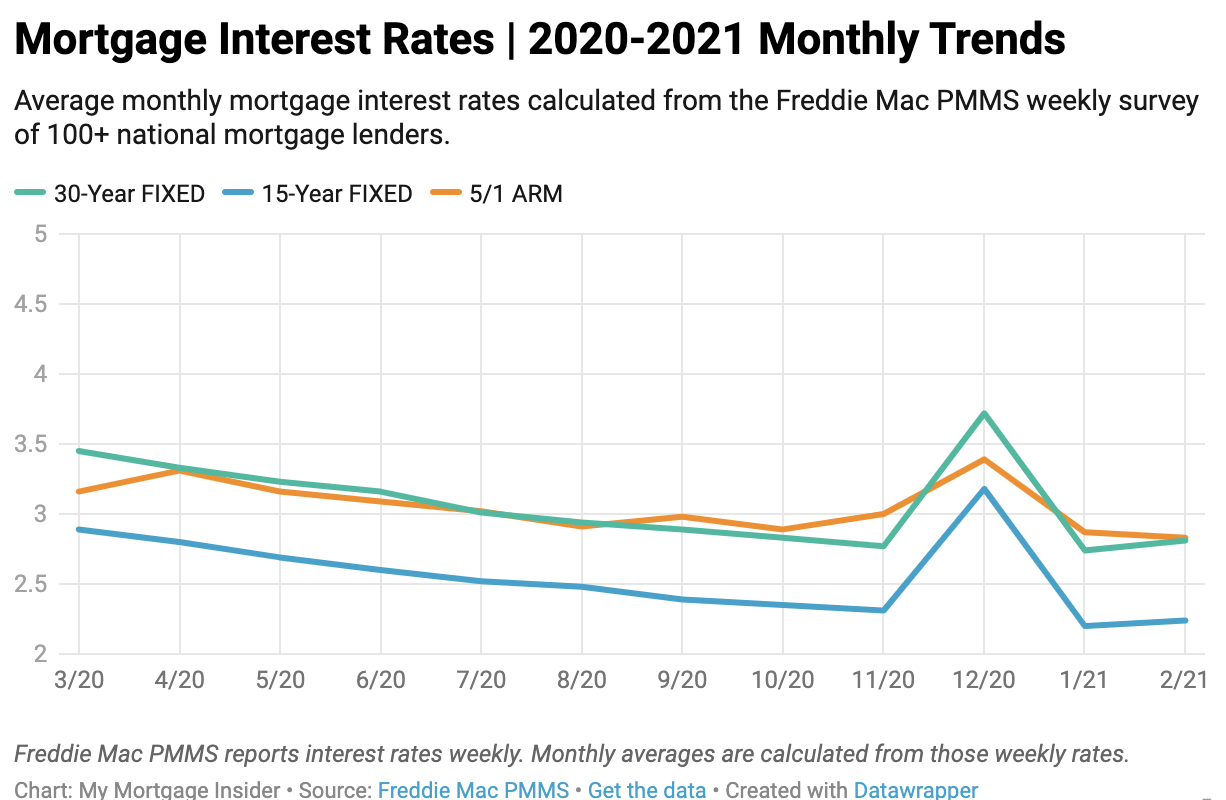
Understanding Today’s Mortgage Rate Landscape
The idea of a single, universal mortgage interest rate available to everyone on a given day is a common misconception. In reality, the “rate today” is a dynamic average, influenced by broad economic indicators and subject to significant variations based on numerous granular details. To truly grasp what your potential rate might be, one must first understand the broader economic currents that shape the market.
The Elusive “Single” Rate: Why it Varies
When you see headlines or advertised rates, they typically represent a national average for a conventional 30-year fixed-rate mortgage for a borrower with excellent credit and a substantial down payment. These figures serve as a benchmark but rarely reflect the exact rate any individual will receive. Every lender has its own risk assessment models, operational costs, and profit margins, leading to slight variations in their offerings. Furthermore, different loan products (e.g., FHA, VA, USDA loans, or various adjustable-rate mortgages) carry distinct risk profiles and, consequently, different rate structures. The prevailing economic climate sets the stage, but individual lender competition and product specifications fine-tune the final numbers.
Key Economic Indicators Driving Rates
Mortgage rates are inextricably linked to the broader economy, acting as sensitive barometers to its health and future outlook. Several key indicators exert significant influence:
- Federal Reserve Policy and the Federal Funds Rate: While the Fed doesn’t directly set mortgage rates, its actions, particularly decisions regarding the federal funds rate, have a ripple effect. The federal funds rate is the target interest rate set by the Federal Open Market Committee (FOMC) for overnight borrowing between banks. Changes here influence short-term interest rates across the economy and signal the Fed’s stance on inflation and economic growth. When the Fed raises rates to combat inflation, it typically translates to higher borrowing costs across the board, including mortgages. Conversely, rate cuts aimed at stimulating economic activity tend to lower mortgage rates.
- Inflation Expectations: Lenders need to ensure that the return on their mortgage investments outpaces inflation. If lenders anticipate higher inflation in the future, they will demand higher interest rates to compensate for the eroded purchasing power of future repayments. Economic data points like the Consumer Price Index (CPI) and Producer Price Index (PPI) are closely watched as indicators of inflationary pressures.
- The 10-Year Treasury Yield: This is perhaps the most direct and crucial driver of long-term fixed mortgage rates. Mortgage rates tend to move in tandem with the yield on the 10-year U.S. Treasury note. Investors flock to Treasuries during times of economic uncertainty (driving yields down) and move away during periods of growth (driving yields up). Lenders often price their fixed-rate mortgages at a certain spread above the 10-year Treasury yield, reflecting the additional risk and liquidity demands of mortgage lending compared to government bonds.
- Job Market Strength: A robust job market, indicated by low unemployment rates and consistent wage growth, signals a healthy economy. This generally increases consumer spending and demand for housing, which can, paradoxically, put upward pressure on rates as lenders anticipate a stronger economy and potential inflationary pressures.
The Impact of Global and Domestic Events
Beyond these core economic indicators, geopolitical events, global economic trends, and significant domestic policy changes can introduce volatility into the mortgage market. International crises, shifts in trade policies, or even major legislative changes can trigger investor flight to safety (often U.S. Treasuries, which can temporarily lower mortgage rates) or create uncertainty that leads to higher rates as lenders factor in increased risk. During periods of stability and growth, rates tend to normalize and reflect underlying economic fundamentals more closely. Understanding this broader context helps in anticipating trends and knowing when to act.
Factors That Influence Your Specific Mortgage Rate
While macroeconomic conditions set the baseline, the rate you personally qualify for is a direct reflection of your individual financial profile and the specific loan product you choose. Lenders assess your risk as a borrower and price the loan accordingly.
Your Credit Score and Financial Profile
Your credit score is arguably the single most important determinant of the interest rate you’ll be offered. A higher FICO score (typically 740 and above) signals to lenders that you are a low-risk borrower with a history of responsible debt management. This translates to lower interest rates and potentially lower fees. Conversely, a lower credit score indicates a higher risk of default, prompting lenders to charge higher rates to compensate for that increased risk. Beyond the score itself, lenders also scrutinize your entire financial profile, including your debt-to-income (DTI) ratio, employment history, and savings. A stable income, low DTI, and consistent employment reassure lenders of your ability to repay the loan.
Down Payment and Loan-to-Value (LTV)
The size of your down payment directly impacts your loan-to-value (LTV) ratio, which is the amount of the loan compared to the appraised value of the home. A larger down payment means a lower LTV, indicating less risk for the lender. For example, a 20% down payment (80% LTV) is generally considered ideal, often leading to better rates and avoiding private mortgage insurance (PMI). Lower down payments, while making homeownership more accessible, result in higher LTVs and are often accompanied by higher interest rates or the requirement for PMI, both of which increase the overall cost of the loan.
Loan Type and Term: Fixed vs. Adjustable, 15-Year vs. 30-Year
The type and term of the mortgage you choose significantly affect the interest rate:
- Fixed-Rate Mortgages: These loans offer a consistent interest rate for the entire life of the loan, providing predictable monthly payments. Lenders typically charge a slightly higher interest rate for longer terms (e.g., 30-year fixed) compared to shorter terms (e.g., 15-year fixed). This is because they take on more interest rate risk over a longer period. While the monthly payments are higher on a 15-year loan, the total interest paid over the life of the loan is significantly less.
- Adjustable-Rate Mortgages (ARMs): ARMs start with a lower fixed interest rate for an initial period (e.g., 5, 7, or 10 years), after which the rate adjusts periodically based on an underlying index. The initial “teaser” rate is often considerably lower than comparable fixed rates, making them attractive for borrowers who plan to sell or refinance before the adjustment period, or who anticipate higher future income. However, they carry the risk of significantly higher payments if rates rise after the fixed period.
- Government-Backed Loans (FHA, VA, USDA): These loans often come with more lenient qualification requirements and can sometimes offer competitive rates, especially for borrowers with lower credit scores or smaller down payments. However, they may also come with specific fees (like mortgage insurance premiums for FHA loans) that add to the overall cost.
Lender-Specific Overlays and Market Competition
Even with identical borrower profiles and loan types, different lenders may offer slightly different rates due to their own internal “overlays” or risk appetites. Some lenders might specialize in certain loan types or borrower demographics, allowing them to offer more competitive rates in those niches. The level of competition in the mortgage market also plays a role. In a highly competitive environment, lenders might slightly reduce their margins to attract borrowers, leading to marginally better rates across the board. Shopping around is therefore not just advisable, but essential.
How to Find the Most Accurate Mortgage Rates Today
Given the myriad factors influencing mortgage rates, finding the “most accurate” rate for your specific situation requires a proactive and informed approach. Relying solely on advertised rates is insufficient; you need to engage directly with the market.
Online Aggregators and Comparison Websites
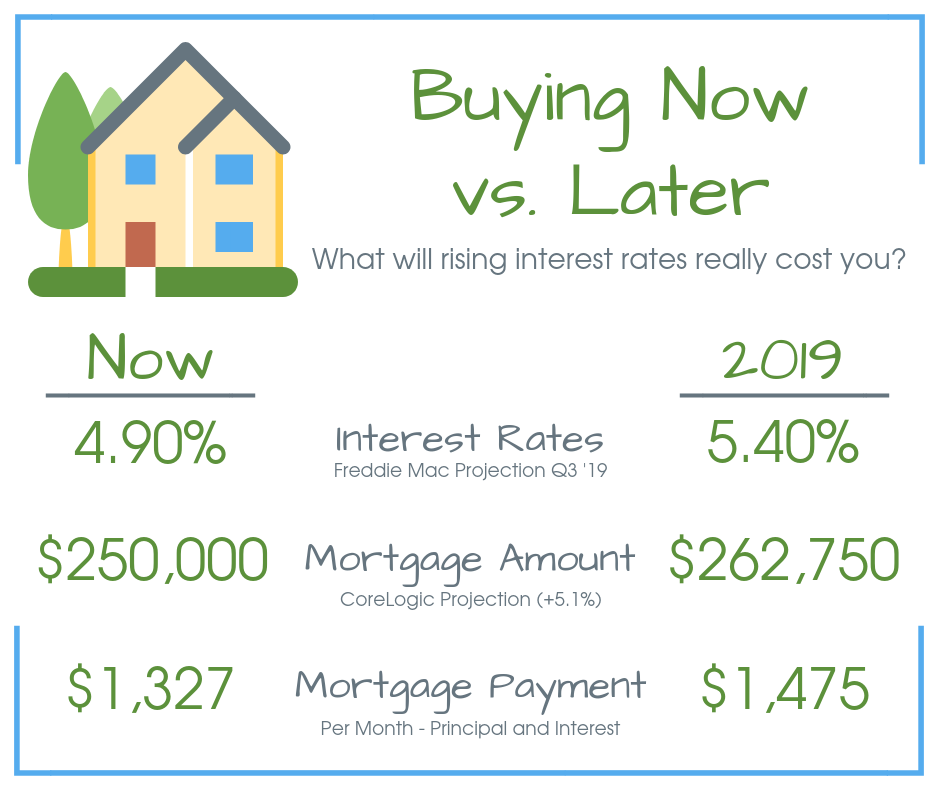
A great starting point is to utilize online mortgage rate aggregators and comparison websites. These platforms allow you to input your basic financial information (credit score range, down payment, location, loan amount, etc.) and receive rate quotes from multiple lenders simultaneously. Websites like LendingTree, Bankrate, Zillow Mortgages, and Credit Karma can provide a quick snapshot of what’s available. While these initial quotes are often “pre-qualified” and subject to verification, they are excellent for getting a sense of the market range and identifying potentially competitive lenders. They save time and effort in the initial research phase.
Direct Engagement with Lenders: Banks, Credit Unions, Mortgage Brokers
Once you have a preliminary idea of rates, the next crucial step is to engage directly with a variety of lending institutions.
- Big Banks: Large national banks often have established processes and a wide array of products. They can offer convenience, especially if you already bank with them.
- Community Banks and Credit Unions: These institutions often pride themselves on personalized service and may offer slightly more flexible terms or competitive rates to their members, particularly for those with strong local ties. Credit unions are member-owned, meaning profits are often returned to members in the form of lower fees and better rates.
- Mortgage Brokers: A mortgage broker acts as an intermediary, working on your behalf to shop your loan application to multiple wholesale lenders. They have access to a broader range of products and rates than any single bank might offer and can often find a niche lender that best fits your unique situation. Their fees are typically paid by the lender, but it’s always wise to confirm their compensation structure.
When contacting lenders, be prepared to provide details about your income, debts, assets, and credit history to get a precise, personalized quote. Aim to get quotes from at least three to five different sources within a short window (e.g., 24-48 hours), as rates can change quickly.
Understanding Rate Locks and Their Importance
Once you receive a favorable rate quote and are serious about moving forward with a lender, you’ll want to inquire about a “rate lock.” A rate lock is a commitment from the lender to honor a specific interest rate for a defined period, typically 30 to 60 days, while your loan application is processed. This protects you from potential rate increases during the underwriting period. Most lenders offer rate locks at no additional cost for standard periods, but you might pay a fee for an extended lock. It’s crucial to understand the terms of your rate lock, including its duration and any associated fees, to avoid surprises.
Navigating the Mortgage Process to Secure a Favorable Rate
Securing the best possible mortgage rate isn’t just about finding the lowest number; it’s about strategic preparation and diligent execution throughout the application process.
Preparing Your Finances: Credit, Debt-to-Income, Savings
Long before you even apply for a mortgage, take proactive steps to optimize your financial profile.
- Improve Your Credit Score: Pay bills on time, reduce revolving debt, and avoid opening new lines of credit. Dispute any errors on your credit report. A higher credit score translates directly to lower interest rates.
- Manage Your Debt-to-Income (DTI) Ratio: Lenders look at your DTI (your total monthly debt payments divided by your gross monthly income) to assess your ability to manage additional debt. Aim for a DTI below 36%, though some lenders may approve up to 43-50% depending on the loan type and other factors. Reducing existing debt can significantly improve this ratio.
- Boost Your Savings: A larger down payment reduces your loan-to-value (LTV) ratio, signaling lower risk to lenders and potentially securing a better rate. Additionally, having emergency savings (reserves) beyond the down payment reassures lenders of your financial stability.
The Power of Comparison Shopping
As mentioned earlier, getting quotes from multiple lenders is non-negotiable. Don’t just look at the interest rate; compare the Annual Percentage Rate (APR), which includes the interest rate plus certain fees and closing costs, providing a more comprehensive measure of the loan’s true cost. Ask for a Loan Estimate from each lender, which is a standardized form that makes it easier to compare offers side-by-side. Pay close attention to origination fees, discount points, and other closing costs, as these can vary significantly and impact the overall expense.
When to Lock Your Rate: Strategy and Timing
Deciding when to lock your rate involves a bit of strategy. If you anticipate rates will rise, locking sooner rather than later makes sense. If you believe rates might fall further, you might hold off, but this carries the risk of rates increasing. Generally, most people lock their rate once their loan application is well underway and they have a clear closing date in sight. Be mindful of the lock period and ensure it extends comfortably past your expected closing date. Some lenders offer a “float-down” option, allowing you to secure a lower rate if market rates drop significantly after you’ve locked, but this often comes with a fee.
The Long-Term Implications of Your Mortgage Rate
The interest rate you secure today has profound implications that extend far beyond your initial monthly payment. It dictates the long-term affordability and overall cost of your homeownership journey.
Impact on Monthly Payments and Overall Loan Cost
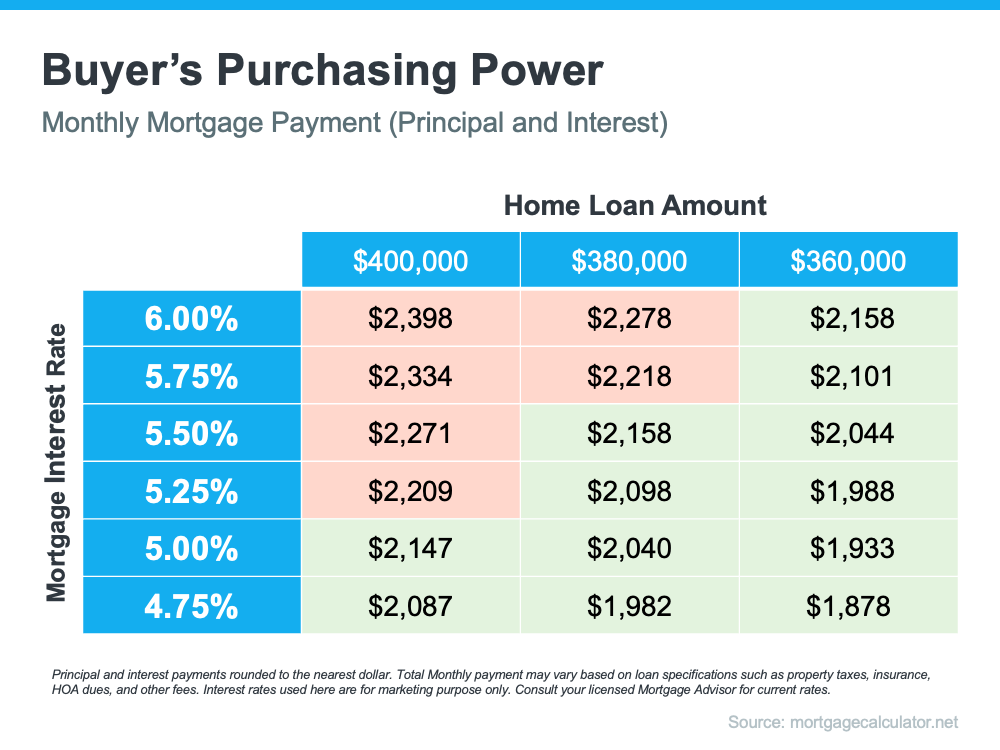
Even a seemingly small difference in interest rate can translate to tens of thousands of dollars over the life of a 30-year mortgage. For instance, on a $300,000 loan, a 0.5% difference in interest rate (e.g., 6.5% vs. 6.0%) could mean an extra $100-$200 per month in payments and over $30,000 more in total interest paid over 30 years. This highlights why diligence in securing the best rate is not just about short-term savings but about significant long-term financial leverage. A lower interest rate means more of your monthly payment goes towards paying down the principal, building equity faster.
Building Equity and Financial Planning
Your mortgage rate directly influences how quickly you build equity in your home. A lower rate means less money is allocated to interest, allowing more to reduce the principal balance. This accelerates equity growth, which is a crucial component of personal wealth. Understanding your interest rate also plays a vital role in your overall financial planning. It helps you accurately budget, assess your long-term debt obligations, and evaluate other investment opportunities. Knowing your predictable housing costs allows for better planning for retirement, education, and other financial goals.
Refinancing as a Future Option
The mortgage rate you lock in today isn’t necessarily fixed forever. Should interest rates decline significantly in the future, or if your financial situation improves (e.g., higher credit score, increased home equity), refinancing your mortgage could be a viable option. Refinancing allows you to secure a new loan with a lower interest rate, potentially reducing your monthly payments or the overall cost of the loan. It can also be used to change your loan term (e.g., from 30 to 15 years) or tap into your home equity. However, refinancing involves closing costs, so it’s essential to calculate whether the long-term savings outweigh these upfront expenses. Monitoring market rates even after you’ve purchased your home is a wise financial habit.
In conclusion, “What is the interest rate today for mortgage?” is a question with a multi-faceted answer. It’s a blend of macroeconomics, individual financial health, and strategic decision-making. By understanding the forces that shape rates, diligently preparing your finances, and thoroughly shopping for the best terms, you can confidently navigate the mortgage market and secure a rate that aligns with your financial goals, setting a strong foundation for your homeownership journey.
aViewFromTheCave is a participant in the Amazon Services LLC Associates Program, an affiliate advertising program designed to provide a means for sites to earn advertising fees by advertising and linking to Amazon.com. Amazon, the Amazon logo, AmazonSupply, and the AmazonSupply logo are trademarks of Amazon.com, Inc. or its affiliates. As an Amazon Associate we earn affiliate commissions from qualifying purchases.