
The question “What is the current mortgage interest rate?” is perhaps the most critical inquiry for any prospective homebuyer or homeowner considering a refinance. However, the answer is rarely a single, static number. Mortgage rates are a dynamic reflection of the broader economy, influenced by central bank policies, inflation data, and individual financial profiles. As we navigate a complex financial landscape, understanding the mechanics behind these rates is essential for making informed long-term investment decisions.
In the realm of personal finance, the mortgage interest rate represents the price of borrowing capital to secure real estate. Even a fractional difference of 0.5% can translate into tens of thousands of dollars over the life of a 30-year loan. This article explores the current state of mortgage rates, the economic forces that drive them, and the strategies individuals can use to secure the most favorable terms possible.
1. The Current Landscape of Mortgage Rates
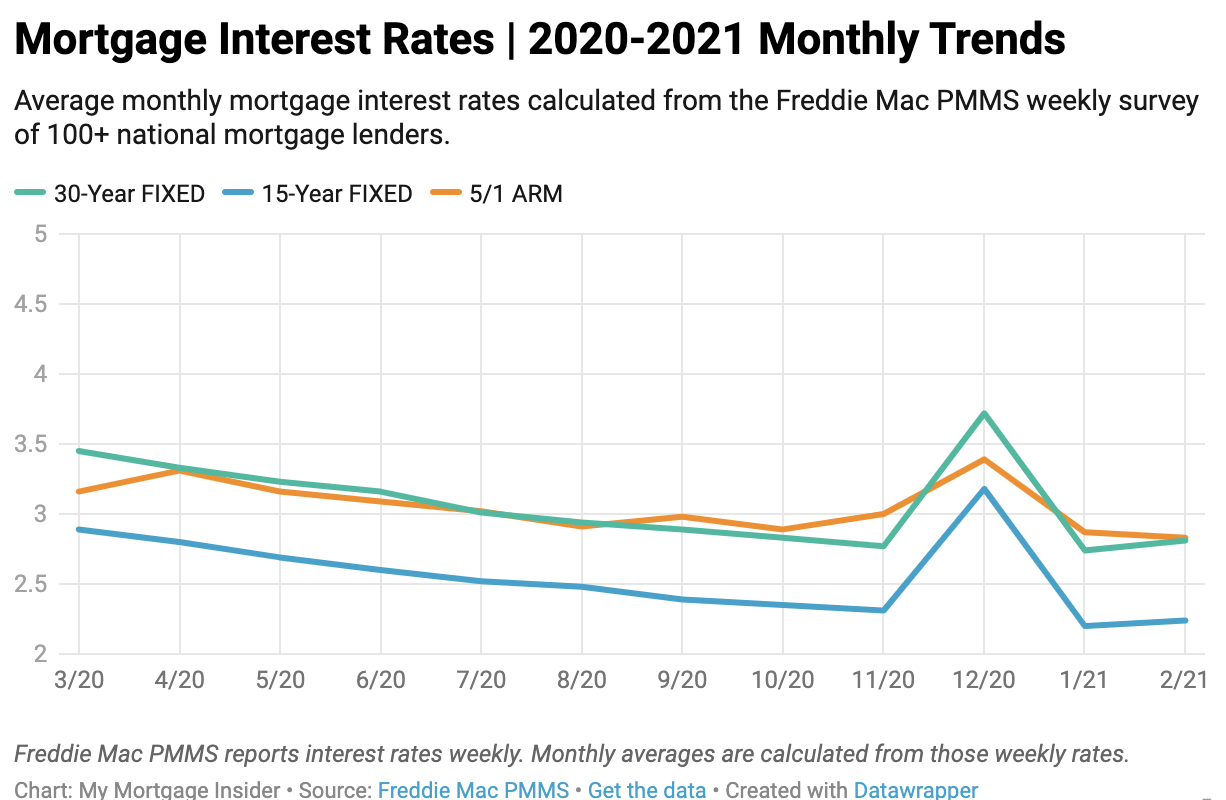
To understand where rates are today, one must first look at where they have been. For much of the last decade, particularly during the pandemic era, borrowers enjoyed historically low rates, often dipping below 3%. However, as the global economy reopened and inflation surged, central banks—most notably the Federal Reserve in the United States—pushed interest rates higher to cool the economy.
Historical Context vs. Today’s Reality
Today’s mortgage rates are significantly higher than the “free money” era of 2020-2021, yet they remain moderate when viewed through a 50-year historical lens. In the early 1980s, mortgage rates peaked at over 18%. While today’s rates in the 6% to 7.5% range feel burdensome to those who missed out on the 3% window, they represent a return to a more traditional “normalized” interest rate environment. This shift has fundamentally changed the math for real estate investing and personal budgeting.
The Role of the Federal Reserve
While the Federal Reserve does not directly set mortgage rates, its influence is unparalleled. The Fed sets the federal funds rate—the interest rate at which commercial banks borrow and lend to each other overnight. When the Fed raises this rate to combat inflation, the cost of borrowing increases across the board. Mortgage lenders respond by raising their rates to maintain profit margins and account for the increased cost of capital. Monitoring the Fed’s “dot plot” and policy statements is a primary task for any savvy financial observer.
2. Personal Factors That Determine Your Interest Rate
While market averages provide a benchmark, your personal “current mortgage interest rate” is highly individualized. Lenders use a risk-based pricing model, meaning the more confidence they have in your ability to repay, the lower the interest rate they will offer.
Credit Scores and Their Weight
The credit score is the single most influential factor in the rate-setting process. For most lenders, a “Tier 1” credit score is typically 740 or higher. Borrowers in this range receive the lowest advertised rates. As scores drop, lenders add “loan-level price adjustments” (LLPAs), which are essentially surcharges for the increased risk of default. Moving your score from 680 to 740 can potentially save you 0.5% to 1% on your interest rate, which is a massive financial victory over 30 years.
Loan-to-Value (LTV) Ratio and Down Payments
The LTV ratio measures the amount of the loan against the value of the property. A 20% down payment (resulting in an 80% LTV) is the traditional gold standard. Not only does this eliminate the need for Private Mortgage Insurance (PMI), but it also signals to the lender that the borrower has “skin in the game.” Lower LTV ratios often correlate with lower interest rates because the lender’s potential loss in a foreclosure scenario is minimized.
Debt-to-Income (DTI) Ratios
Lenders also analyze your DTI ratio—the percentage of your gross monthly income that goes toward paying debts. While a high DTI might not always prevent you from getting a loan, it can influence the terms of that loan. A lower DTI suggests financial stability, giving you more leverage to negotiate better rates or qualify for specialized financial products that carry lower interest costs.
3. Types of Mortgages and Their Interest Structures
Not all mortgages are created equal. The structure of the loan you choose will dictate how your interest rate behaves over time, impacting your long-term wealth-building strategy.

Fixed-Rate Mortgages: The Safe Bet
The 30-year fixed-rate mortgage remains the most popular choice for a reason: stability. With this product, your interest rate is locked in for the duration of the loan. In a rising rate environment, this protects you from future hikes. Conversely, the 15-year fixed-rate mortgage usually offers a lower interest rate because the lender is exposed to interest rate risk for a shorter period. While the monthly payments are higher, the interest savings over the life of the loan are substantial.
Adjustable-Rate Mortgages (ARMs): Calculated Risks
An Adjustable-Rate Mortgage (ARM) typically offers a lower introductory rate for a set period (e.g., 5, 7, or 10 years). After this “teaser” period, the rate adjusts annually based on a specific market index. ARMs can be a strategic tool if you plan to sell the home or refinance before the adjustment period begins. However, in an unpredictable economy, they carry the risk of significantly higher payments in the future.
Government-Backed Loans (FHA, VA, and USDA)
For those who may not qualify for conventional financing, government-backed loans provide an alternative. FHA loans often have competitive interest rates despite lower credit score requirements, though they come with mandatory insurance premiums. VA loans for veterans often feature the lowest rates on the market with the added benefit of no down payment. Understanding these niches is vital for optimizing your personal finance strategy.
4. Economic Indicators That Move the Needle
If you want to predict where mortgage rates are headed, you must look beyond the real estate market and into the broader financial indicators that influence investor behavior.
The 10-Year Treasury Yield
Mortgage rates are most closely tethered to the yield on the 10-year U.S. Treasury note. Investors often view Treasury notes and Mortgage-Backed Securities (MBS) as similar “safe haven” assets. When the yield on the 10-year Treasury rises, mortgage rates almost always follow. By watching the daily fluctuations of the 10-year yield, prospective borrowers can get a real-time sense of whether mortgage rates are likely to rise or fall in the coming days.
Inflation and the Consumer Price Index (CPI)
Inflation is the “arch-nemesis” of fixed-income investments. Because a mortgage is a fixed stream of income for the lender, high inflation erodes the purchasing power of those future payments. Consequently, when the CPI shows that inflation is higher than expected, lenders raise rates to compensate for the loss of value. Conversely, “cool” inflation reports often lead to a dip in mortgage rates, providing a window of opportunity for borrowers to lock in a lower rate.
5. Strategies for Securing the Best Rate Today
Securing a mortgage is a major financial transaction that requires a proactive approach. You do not have to be a passive recipient of whatever rate a bank offers; there are several levers you can pull to optimize your outcome.
The Power of Rate Locks
Because mortgage rates can change multiple times a day, a “rate lock” is a critical tool. Once you find a rate you are comfortable with, a lock guarantees that rate for a specific period (usually 30 to 60 days) while your loan is processed. This protects you from market volatility. Some lenders even offer “float-down” provisions, allowing you to lock in a lower rate if market conditions improve before your closing.
Comparison Shopping and Mortgage Brokers
Many consumers make the mistake of only checking with their primary bank. However, mortgage rates can vary significantly between retail banks, credit unions, and non-bank lenders. Working with a mortgage broker can be highly beneficial, as they have access to a wholesale marketplace and can shop your profile across dozens of lenders to find the most competitive rate and lowest fee structure.
Buying Down the Rate with Points
“Discount points” allow you to pay more upfront in closing costs in exchange for a lower interest rate. One point typically costs 1% of the loan amount and reduces your interest rate by approximately 0.25%. This is a math-heavy decision: you must calculate the “break-even point”—the number of months it will take for the monthly savings to exceed the upfront cost. If you plan to stay in the home for a long time, buying points is often a brilliant financial move.

Conclusion
The “current mortgage interest rate” is more than just a figure on a website; it is a reflection of global economic health and your personal financial discipline. While we cannot control the Federal Reserve or inflation data, we can control our credit scores, our down payments, and our timing. By staying informed on economic indicators like the 10-year Treasury yield and understanding the trade-offs between different loan products, you can navigate the mortgage market with confidence. In the world of personal finance, knowledge is the most effective tool for minimizing costs and maximizing long-term equity growth.
aViewFromTheCave is a participant in the Amazon Services LLC Associates Program, an affiliate advertising program designed to provide a means for sites to earn advertising fees by advertising and linking to Amazon.com. Amazon, the Amazon logo, AmazonSupply, and the AmazonSupply logo are trademarks of Amazon.com, Inc. or its affiliates. As an Amazon Associate we earn affiliate commissions from qualifying purchases.