
To the casual observer, a store’s opening hours might seem like a mere operational detail—a set of numbers dictating when doors unlock and relock. For a retail behemoth like Costco, however, these hours are far more than logistical notations; they are a fundamental pillar of its brand strategy, deeply influencing customer experience, operational efficiency, and overall corporate identity. While a direct query for “Costco opening hours” yields specific times that vary by location and day of the week, the true insight lies in understanding the strategic significance behind these seemingly simple schedules. From a brand perspective, Costco’s meticulously managed hours communicate promises of value, convenience, and a unique shopping experience that have become synonymous with its global identity.
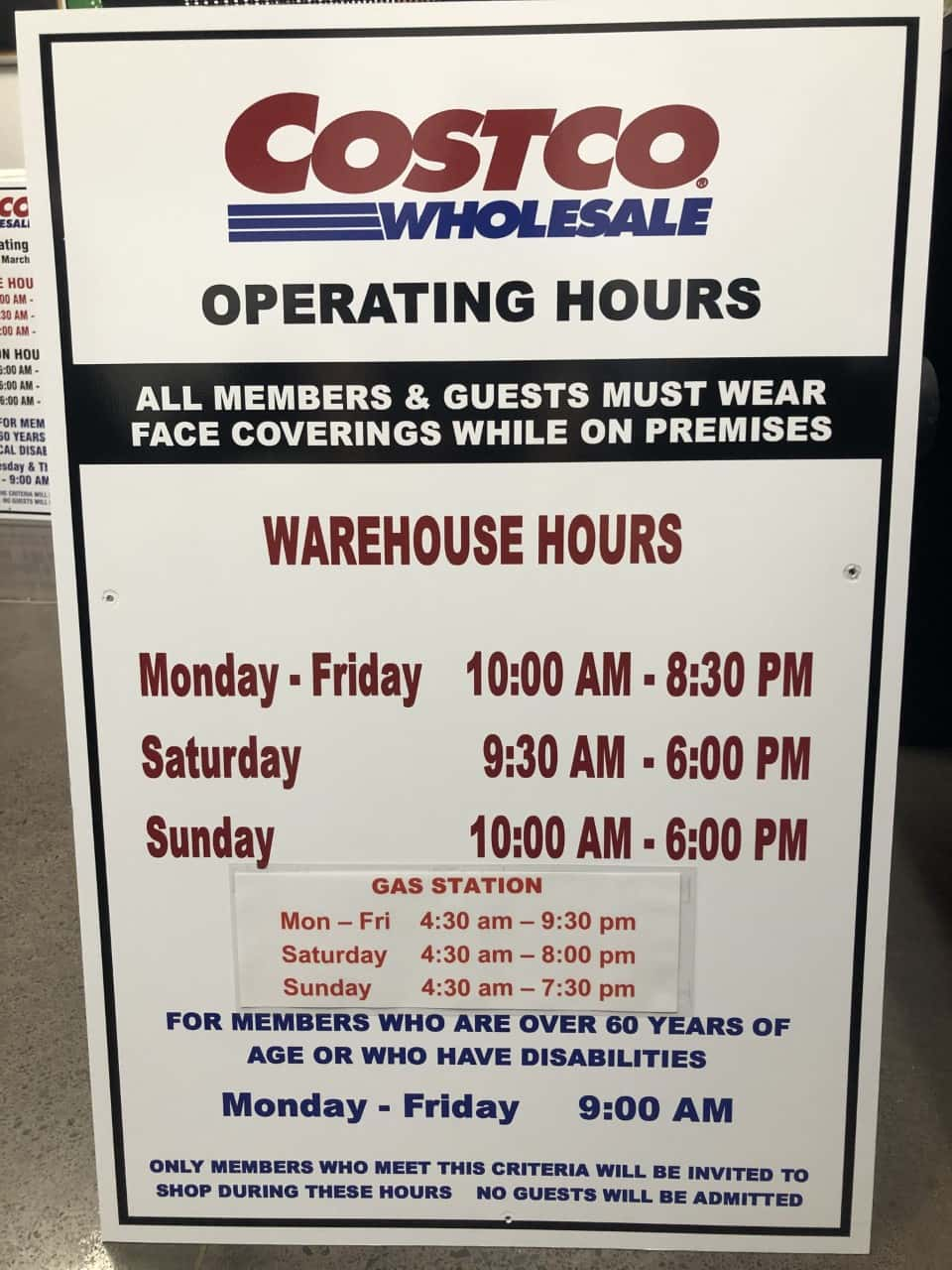
Costco typically operates on a schedule that balances high-volume sales with the specific demands of its membership model. Most warehouses generally open between 9:00 AM and 10:00 AM, closing between 8:30 PM and 9:00 PM on weekdays, with slightly varied weekend hours. Business Centers, which cater to a different clientele, often have earlier openings and different closing times. This consistency across thousands of locations is not accidental; it’s a calculated element of a brand strategy designed to reinforce trust, predictability, and a distinct membership value proposition.
Beyond the Clock: Opening Hours as a Brand Statement
In the fiercely competitive retail landscape, every touchpoint contributes to a brand’s narrative. For Costco, its operational hours are not just about availability; they actively sculpt its brand persona as a reliable, member-focused warehouse club. This goes far beyond the basic information of “when can I shop?” and delves into the psychological and practical implications for its vast membership base.
Accessibility and Customer-Centricity
The choice of specific opening and closing times is a direct reflection of a brand’s commitment to its customers. For Costco, consistent and predictable hours signal reliability and thoughtfulness. Members pay an annual fee, and in return, they expect a consistent, high-quality experience. The established hours communicate that Costco understands its members’ routines—whether they are small business owners needing early access to stock up, or families planning weekend grocery hauls.
For instance, a consistent 10 AM weekday opening across most retail warehouses allows for efficient planning by its diverse member base. This isn’t just about being open; it’s about being open when it makes sense for the majority of its target demographic. It suggests an understanding of work schedules, school pickups, and general lifestyle patterns. This customer-centric approach to scheduling reinforces the perception that Costco values its members’ time and strives to integrate seamlessly into their lives, thereby strengthening brand loyalty.
Operational Efficiency and Brand Promise
Behind every opening hour lies a complex operational strategy designed to deliver the Costco brand promise. The time before doors open and after they close is critical for stocking shelves, cleaning, inventory management, and preparing fresh food items. These “off-hours” are just as vital to the brand experience as the shopping hours themselves.
Costco’s brand promise centers on bulk value, high-quality products, and a streamlined shopping experience. The operational hours facilitate this promise by allowing staff sufficient time to ensure shelves are well-stocked, samples are prepared, and the warehouse is clean and organized before members arrive. Imagine walking into a chaotic, half-stocked Costco—it would severely undermine the brand’s image of efficiency and value. Thus, opening hours are intrinsically linked to maintaining the operational excellence that underpins Costco’s reputation. The careful management of these windows allows Costco to deliver on its promise of a “treasure hunt” experience without compromising on order or cleanliness.
Differentiating Through Availability
In a world saturated with retail options, subtle differentiators can significantly impact brand perception. Costco’s specific hours, particularly its Business Centers’ schedules, serve as a unique brand differentiator. Business Centers often open earlier (e.g., 7 AM) and close earlier than regular warehouses, catering specifically to business owners who need to stock up before their own operations begin for the day. This specialized scheduling carves out a niche and demonstrates a deep understanding of a particular segment of its membership.
This targeted availability elevates the Costco brand beyond a general retailer to a strategic partner for businesses. By providing tailored access, Costco reinforces its commitment to supporting enterprises, adding another layer to its brand identity. Similarly, consistent weekend hours, while standard for retail, are managed to handle peak demand efficiently, ensuring that the brand’s promise of a positive shopping experience holds even during the busiest times.
Crafting the Costco Experience: Hours and the Membership Model
Costco’s brand is inextricably linked to its membership model, and its opening hours play a crucial role in shaping how members perceive and engage with this unique value proposition. The “treasure hunt” atmosphere, the perception of exclusivity, and the sheer scale of operations are all influenced by the clock.
The “Treasure Hunt” and Time Scarcity
The Costco shopping experience is famously described as a “treasure hunt,” where members discover new products and exceptional deals amidst familiar favorites. The defined opening hours contribute to this dynamic. A set shopping window, rather than 24/7 access, can subtly create a sense of urgency or exclusivity. Members know they have a specific period to explore the vast aisles, encouraging focused shopping and potentially increasing impulse purchases.
This temporal scarcity, though often unconscious, can heighten the perceived value of each visit. It transforms a routine shopping trip into an event within a defined timeframe. The brand implicitly signals: “Come now to discover what treasures await, as they might not be here forever, and our doors won’t be open indefinitely.” This controlled environment enhances the distinctiveness of the Costco brand experience, making it memorable and encouraging repeated visits.
Member Value Proposition
For a brand built on membership, delivering tangible value is paramount. Costco’s hours contribute to this value proposition in several ways. For Executive Members, some locations might offer specific early access or dedicated shopping times, further enhancing the sense of exclusivity and premium service. While not universally applied, such initiatives, where they exist, serve as a clear perk of higher-tier membership, directly linking brand service to operational hours.
More broadly, the predictable and consistent hours mean members can reliably plan their trips, optimizing their time and ensuring they can access the warehouse when it best suits them. This reliability itself is a significant part of the value proposition—members know they can count on Costco to be open and ready to serve, a foundational element of trust in any brand relationship. It’s about fulfilling the implicit promise that comes with the membership fee: consistent access to quality and value.
Managing Peaks and Valleys
Costco’s brand promise includes a relatively organized, albeit bustling, shopping environment. To maintain this, hours are strategically managed to facilitate the flow of members and inventory. The pattern of opening in the mid-morning and closing in the evening allows for operational teams to effectively manage the “peaks and valleys” of customer traffic.
By not being open 24/7, Costco avoids the operational strain and potential dilution of the brand experience that could come with perpetual access. It allows for concentrated staffing during peak hours, ensuring efficient checkouts and well-maintained departments. This deliberate constraint on hours is a strategic decision to preserve the quality of the in-store brand experience, preventing overcrowding to a point where it detracts from value or service. The brand prioritizes a high-quality, efficient shopping environment over maximum possible accessibility.
Communicating Hours: A Cornerstone of Brand Trust and Reliability
In the digital age, information is currency, and the accuracy of a brand’s stated operating hours is a critical determinant of customer satisfaction and trust. For a brand like Costco, with millions of members, flawless communication of hours is non-negotiable, directly impacting its reputation for reliability.
Consistency Across Channels
A fundamental aspect of brand trust is consistency. For Costco, this means its opening hours must be identical across all communication channels: its official website, mobile app, in-store signage, Google My Business listings, and third-party review sites. Any discrepancy can lead to frustration, wasted trips, and a significant erosion of brand loyalty.
When a member plans a trip based on information found online, only to arrive and find the store closed or operating on different hours, it’s not just an inconvenience; it’s a breach of trust. This negatively impacts the brand’s image as reliable and customer-focused. Therefore, ensuring meticulous accuracy and real-time updates across all platforms is a core brand responsibility, demonstrating attention to detail and respect for the customer’s time. It reinforces the brand’s commitment to transparency and reliability, foundational elements of a strong corporate identity.
Adapting to Change: Building Resilience
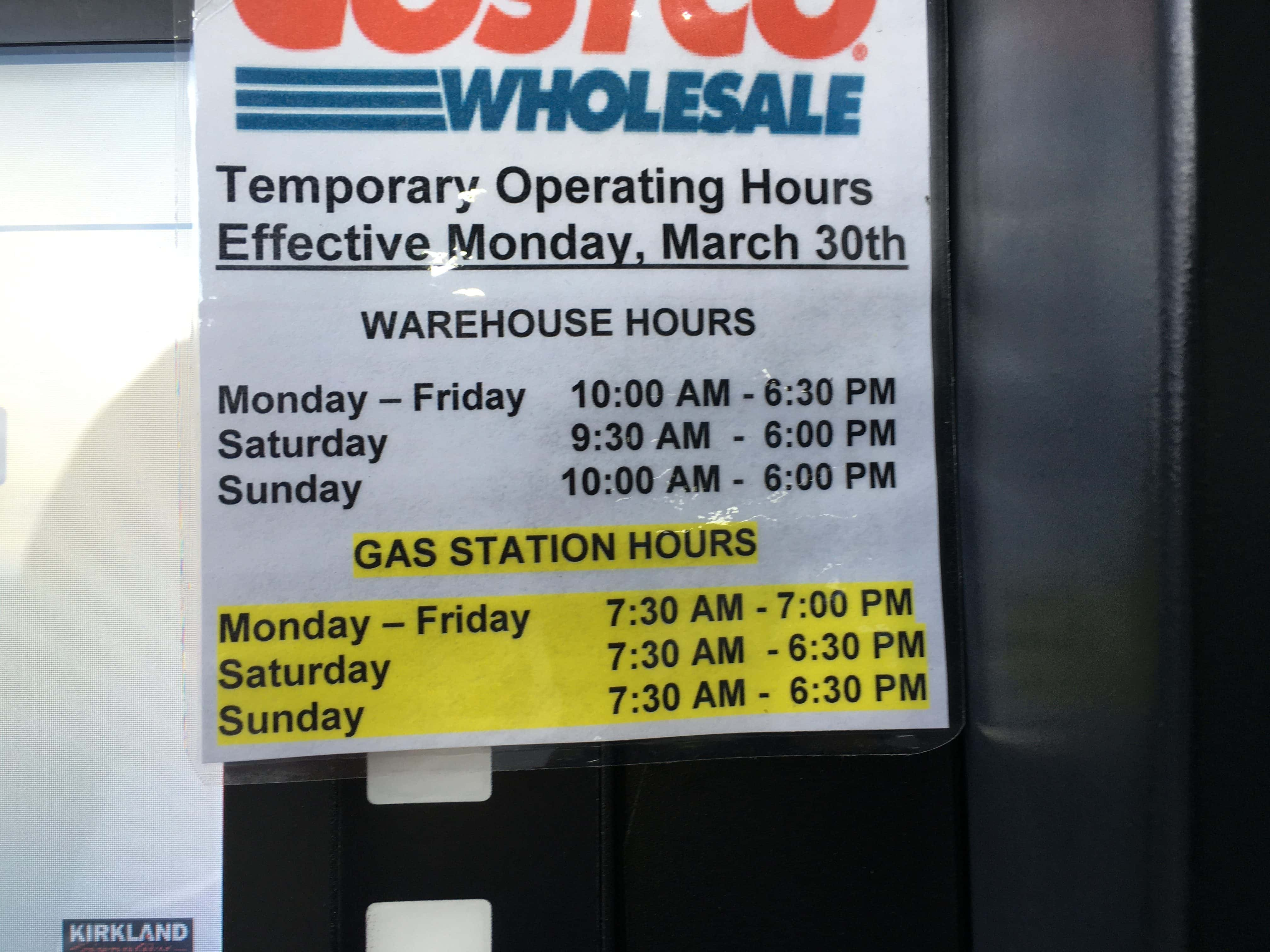
The ability of a brand to communicate changes effectively, whether due to holidays, special events, or unforeseen circumstances, is a testament to its resilience and customer commitment. Costco, like any large retailer, must occasionally adjust its hours. How these changes are communicated—promptly, clearly, and across all channels—significantly impacts brand perception.
During major holidays like Christmas or Thanksgiving, Costco’s hours change to accommodate staff needs and customer patterns. Similarly, in times of crisis (e.g., natural disasters, public health emergencies), operational hours may need to be altered for safety or logistical reasons. Proactive and empathetic communication during these periods reinforces the brand’s sense of community and care, showing that it respects its members’ need for information while also prioritizing the well-being of its employees. This adaptability, coupled with clear communication, builds a stronger, more resilient brand image.
Leveraging Digital for Operational Clarity
While the core focus here is brand, it’s important to acknowledge how digital tools are instrumental in supporting the brand’s communication strategy regarding hours. Costco leverages its website and mobile app, alongside platforms like Google My Business, to provide up-to-date and easily accessible information. This digital presence ensures that members can quickly verify hours before they leave home, preventing negative experiences.
By investing in robust digital communication infrastructure, Costco reinforces its brand as modern, accessible, and user-friendly. The ability for a member to quickly search “Costco near me opening hours” and get an accurate result is a small but powerful way the brand delivers on its promise of convenience and efficiency in the digital age. This digital clarity helps to mitigate potential frustrations and enhances the overall brand-customer relationship.
The Future of Retail Hours: Evolving Brand Strategies
As consumer habits shift and technology advances, the strategic management of opening hours will continue to evolve, presenting new opportunities and challenges for brands like Costco. These evolving strategies will further shape how the brand is perceived and how it competes in a dynamic market.
E-commerce Integration
In an era of 24/7 online shopping, the concept of fixed brick-and-mortar opening hours holds unique strategic importance. Costco’s strong physical presence and curated in-store experience differentiate it from purely online retailers. The defined hours for its warehouses create a destination, an event, that complements its growing e-commerce operations.
The brand’s decision to maintain strong physical stores with specific hours, rather than pushing for extended or 24/7 physical access, underscores its commitment to the unique warehouse model. It recognizes that the tactile, sensory “treasure hunt” experience cannot be fully replicated online. Thus, its opening hours are not in competition with e-commerce but rather a strategic counterpoint, reinforcing the value of the physical brand experience.
Hyper-localization and Community Engagement
As brands increasingly focus on local relevance, opening hours may become more localized, adapting to community-specific needs or events. While Costco maintains a largely consistent global schedule, there might be opportunities for minor adjustments or special event hours that cater to local festivals, holidays, or community initiatives.
Such hyper-localization would allow Costco to strengthen its brand ties within specific communities, demonstrating a commitment beyond a generic national presence. It could foster a deeper sense of belonging and relevance, enhancing the brand’s image as a community partner rather than just a large corporate entity. This nuanced approach to scheduling can build goodwill and deepen local brand loyalty.
Balancing Employee Well-being and Customer Demand
A forward-thinking brand also considers the well-being of its employees, and this increasingly influences operational hours. The debate around retail staff working late nights, early mornings, or on holidays is gaining traction. Costco, known for its relatively positive employee relations, can further cement its brand as an ethical employer by making strategic decisions about hours that balance customer demand with employee work-life balance.
Transparent policies regarding holiday hours, reasonable shift lengths, and adequate time off contribute to a brand’s internal culture and external reputation. A brand that is perceived as caring for its employees is often also seen as caring for its customers. By demonstrating a commitment to fair labor practices through its operational hours, Costco can strengthen its brand as not just a provider of value, but also a responsible corporate citizen.

Conclusion
What are Costco’s opening hours? They are, at their simplest, the times when its doors are open for business. But through a strategic brand lens, these hours transform into a sophisticated element of Costco’s corporate identity and marketing strategy. They communicate accessibility, reinforce customer-centricity, underscore operational efficiency, and differentiate the brand in a crowded market.
From shaping the unique “treasure hunt” experience to contributing to the membership value proposition, Costco’s carefully managed schedules are integral to its brand promise. Furthermore, the accurate and consistent communication of these hours across all channels is a cornerstone of brand trust and reliability. As retail evolves, so too will the strategic considerations behind opening hours, integrating with e-commerce, local community engagement, and a commitment to employee well-being. Ultimately, Costco’s opening hours are not merely an administrative detail but a living, breathing component of its powerful and enduring brand narrative. They embody the brand’s values, shape customer perception, and are a testament to its meticulous approach to retail excellence.
aViewFromTheCave is a participant in the Amazon Services LLC Associates Program, an affiliate advertising program designed to provide a means for sites to earn advertising fees by advertising and linking to Amazon.com. Amazon, the Amazon logo, AmazonSupply, and the AmazonSupply logo are trademarks of Amazon.com, Inc. or its affiliates. As an Amazon Associate we earn affiliate commissions from qualifying purchases.