
A community outreach program is a strategic initiative undertaken by an organization to connect with, engage, and support specific segments of the wider community. Far from being merely a philanthropic gesture, these programs are carefully designed to build relationships, foster goodwill, address specific community needs, and, crucially, reinforce the organization’s brand identity and values. For any brand, whether corporate or personal, understanding and implementing effective community outreach is paramount to cultivating a positive public image, enhancing reputation, and establishing a deep-seated connection with stakeholders beyond its immediate customer base. It represents a proactive investment in the social fabric, demonstrating commitment not just to profit, but to the collective well-being and progress of the communities it serves.

The Strategic Importance of Community Outreach for Brands
Community outreach is no longer an optional add-on; it is an integral component of modern brand strategy. In an increasingly transparent and socially conscious marketplace, consumers and employees alike are drawn to brands that demonstrate authentic purpose and positive societal impact. Strategic community engagement allows brands to move beyond transactional relationships, forging deeper emotional bonds and building a reservoir of trust and loyalty.
Enhancing Brand Reputation and Trust
At its core, community outreach builds a positive reputation. When a brand actively invests its resources, time, and expertise into improving the lives of others, it signals integrity and responsibility. This commitment translates into increased public trust, which is an invaluable asset. A strong reputation, bolstered by genuine community engagement, can act as a buffer during times of crisis and provides a competitive edge in attracting talent and customers. It demonstrates that the brand is not just a commercial entity but a responsible corporate citizen.
Fostering Community Engagement and Loyalty
Effective outreach programs create direct, meaningful interactions between a brand and its community members. These interactions go beyond traditional marketing messages, allowing individuals to experience the brand’s values firsthand. Whether through educational workshops, volunteer efforts, or direct support, such engagements cultivate a sense of belonging and mutual respect. This reciprocal relationship often converts community members into loyal advocates who are more likely to support the brand, recommend its products or services, and defend its reputation. Loyalty built on shared values and positive experiences is far more resilient than that based solely on price or product features.
Demonstrating Corporate Social Responsibility (CSR)
Community outreach is a tangible manifestation of a brand’s Corporate Social Responsibility (CSR) commitments. In an era where CSR is a significant factor in consumer purchasing decisions and employee retention, well-executed outreach programs provide concrete evidence of a brand’s dedication to ethical practices and sustainable development. It allows a brand to articulate its values not just through mission statements but through actionable initiatives that address social, environmental, or economic challenges. This authentic display of responsibility resonates deeply with stakeholders, strengthening the brand’s image as a conscientious and purpose-driven organization.
Differentiating Your Brand in the Marketplace
In crowded markets, differentiation is key to standing out. While product features and pricing can often be mimicked by competitors, a brand’s unique approach to community engagement is much harder to replicate. Strategic outreach allows a brand to carve out a distinct identity, aligning itself with specific causes or community needs that resonate with its core values. This unique positioning can attract a niche market segment that prioritizes social impact, giving the brand a significant competitive advantage and a narrative that extends beyond commercial offerings.
Key Components of an Effective Outreach Program
Developing an effective community outreach program requires careful planning and a strategic approach. It’s not about random acts of kindness, but rather a deliberate effort to create measurable impact while simultaneously reinforcing brand objectives.
Defining Clear Objectives and Target Audience
Before launching any initiative, a brand must clearly define what it aims to achieve. Are the objectives to improve local education, support environmental conservation, or address health disparities? Similarly, identifying the specific community or demographic segment the program intends to serve is crucial. Understanding the needs, values, and communication channels of this target audience ensures that the program is relevant, impactful, and well-received. Objectives should be SMART: Specific, Measurable, Achievable, Relevant, and Time-bound, aligning directly with the brand’s overarching mission and values.
Designing Impactful Activities
The activities chosen for an outreach program must be meaningful, engaging, and directly address the identified community needs while reflecting the brand’s expertise or industry. For instance, a tech company might offer coding workshops, while a food brand might run nutrition education programs. Activities should be designed to foster genuine interaction, provide tangible benefits to the community, and offer opportunities for brand representatives to engage authentically. Creativity in program design can significantly enhance visibility and impact.
Resource Allocation and Partnership Building
Effective outreach requires appropriate allocation of resources—financial, human, and logistical. Brands should commit a dedicated budget and assign personnel responsible for managing the program. Furthermore, collaborating with local non-profits, community leaders, schools, or government agencies can significantly amplify the program’s reach and impact. Partnerships leverage existing expertise, build credibility, and ensure that the program integrates seamlessly into the community’s existing support structures, enhancing its sustainability and effectiveness.

Communication and Storytelling
A well-executed outreach program deserves to be communicated effectively. Brands must develop a robust communication strategy to share their efforts and impact with both internal and external stakeholders. This involves transparent reporting of progress, sharing success stories, and highlighting the human element of the program. Utilizing various channels—social media, press releases, company websites, and internal communications—helps to build awareness, inspire participation, and reinforce the brand’s commitment to its values. Authentic storytelling about the positive change created by the program is vital for engaging audiences and demonstrating true impact.
Measuring Success and Sustaining Impact
To truly embed community outreach as a core component of brand strategy, it is essential to measure its effectiveness and ensure its long-term viability. This involves both quantitative and qualitative assessments and a commitment to continuous improvement.
Quantifiable Metrics and Qualitative Feedback
Measuring success involves tracking key performance indicators (KPIs) related to the program’s objectives. These might include the number of participants reached, hours volunteered, funds donated, specific outcomes achieved (e.g., literacy rates improved, waste diverted), or media mentions generated. Beyond numbers, collecting qualitative feedback through surveys, interviews, and community testimonials provides valuable insights into the program’s perceived value and emotional impact. Analyzing both types of data allows brands to understand what is working well and where improvements can be made.
Adapting and Evolving Programs
Community needs are dynamic, and so too should be outreach programs. Regular evaluation of program data and feedback should inform necessary adaptations and evolutions. Brands should be flexible enough to pivot strategies, introduce new initiatives, or scale successful ones. This iterative process ensures that the program remains relevant, impactful, and aligned with both community requirements and the brand’s evolving strategic goals. A stagnant program risks losing its effectiveness and authenticity.
Integrating Outreach into Core Brand Values
For outreach to have a lasting impact on brand perception, it must be genuinely integrated into the brand’s core values and culture, rather than being a peripheral activity. This means ensuring that brand leadership champions the efforts, employees are encouraged to participate, and the brand’s messaging consistently reflects its commitment to social responsibility. When outreach becomes an authentic extension of the brand’s identity, it strengthens internal culture, attracts mission-aligned talent, and resonates more powerfully with external audiences, solidifying its place as a cornerstone of the brand’s purpose.
Common Types of Community Outreach Initiatives
Community outreach programs can manifest in numerous forms, each tailored to specific objectives and target audiences. The chosen initiative should always align with the brand’s resources, expertise, and overall strategic goals.
Educational Programs and Workshops
Many brands leverage their knowledge and resources to offer educational programs. This could range from financial literacy workshops offered by banks, STEM education programs sponsored by tech companies, or nutritional cooking classes from food manufacturers. These initiatives not only empower community members with valuable skills but also position the brand as an expert and a trusted resource in its respective field, strengthening its authority and credibility.
Volunteerism and Philanthropy
Direct volunteerism, where employees dedicate their time and skills to community projects, is a powerful form of outreach. Brands might organize clean-up drives, assist in building homes, or offer pro bono professional services. Philanthropic efforts, which involve direct financial donations or grants to non-profit organizations, also play a crucial role. Both forms demonstrate a brand’s commitment to giving back and fostering a culture of generosity, enhancing its image as a responsible and compassionate entity.
Event Sponsorship and Local Support
Sponsoring local community events—festivals, sports leagues, school fundraisers, or arts programs—provides visibility and demonstrates tangible support for local culture and community life. These sponsorships often come with opportunities for brand signage and direct engagement, embedding the brand within the local narrative. Beyond sponsorship, brands can also provide direct support to local businesses or initiatives, fostering economic growth and demonstrating their commitment to the community’s overall prosperity.
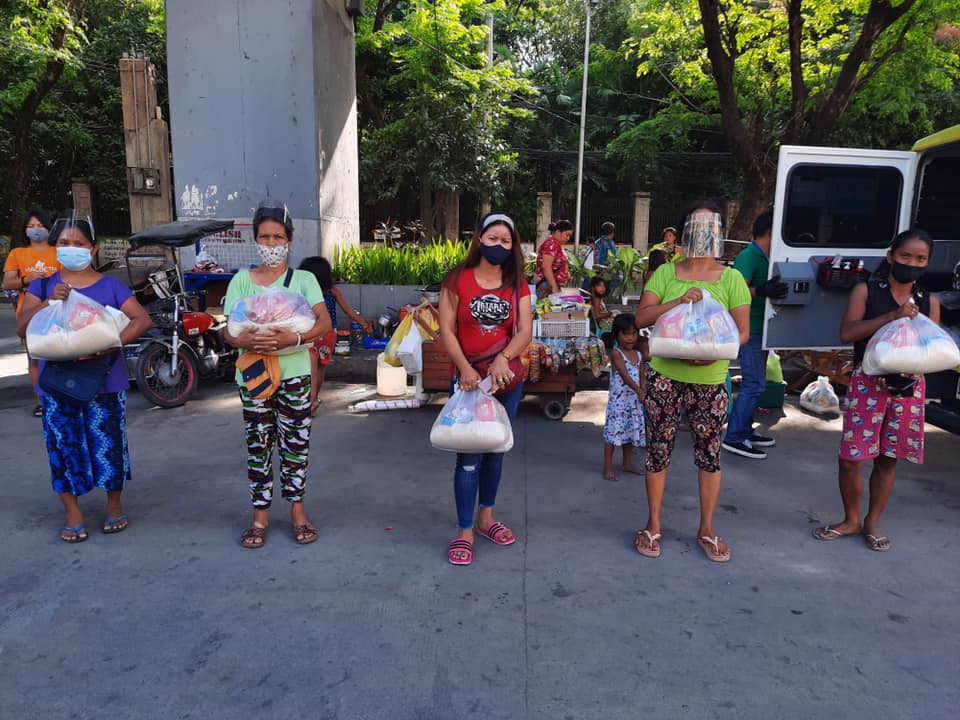
Product/Service Donations and Access Programs
Brands can make a significant impact by donating their products or services to underserved populations or organizations. A clothing company might donate apparel, a software firm might offer free licenses to schools, or a healthcare provider might offer free screenings. Creating access programs that reduce barriers for specific demographics to access essential services also falls under this category. These initiatives directly address community needs, showcase the utility and value of the brand’s offerings, and generate positive word-of-mouth and public relations.
aViewFromTheCave is a participant in the Amazon Services LLC Associates Program, an affiliate advertising program designed to provide a means for sites to earn advertising fees by advertising and linking to Amazon.com. Amazon, the Amazon logo, AmazonSupply, and the AmazonSupply logo are trademarks of Amazon.com, Inc. or its affiliates. As an Amazon Associate we earn affiliate commissions from qualifying purchases.