
The allure of a cruise vacation is undeniable: waking up to a new horizon each day, exploring multiple destinations without the hassle of packing and unpacking, and enjoying a resort-like experience at sea. Yet, for many prospective travelers, the fundamental question remains: “How much does a cruise ship cost per person?” This seemingly straightforward inquiry quickly reveals a complex tapestry of variables, ranging from the initial base fare to an array of potential onboard expenses and often overlooked pre- and post-cruise costs. Understanding the true financial commitment of a cruise requires a meticulous breakdown of each component, moving beyond the advertised “starting from” prices to uncover the holistic investment in your floating getaway.
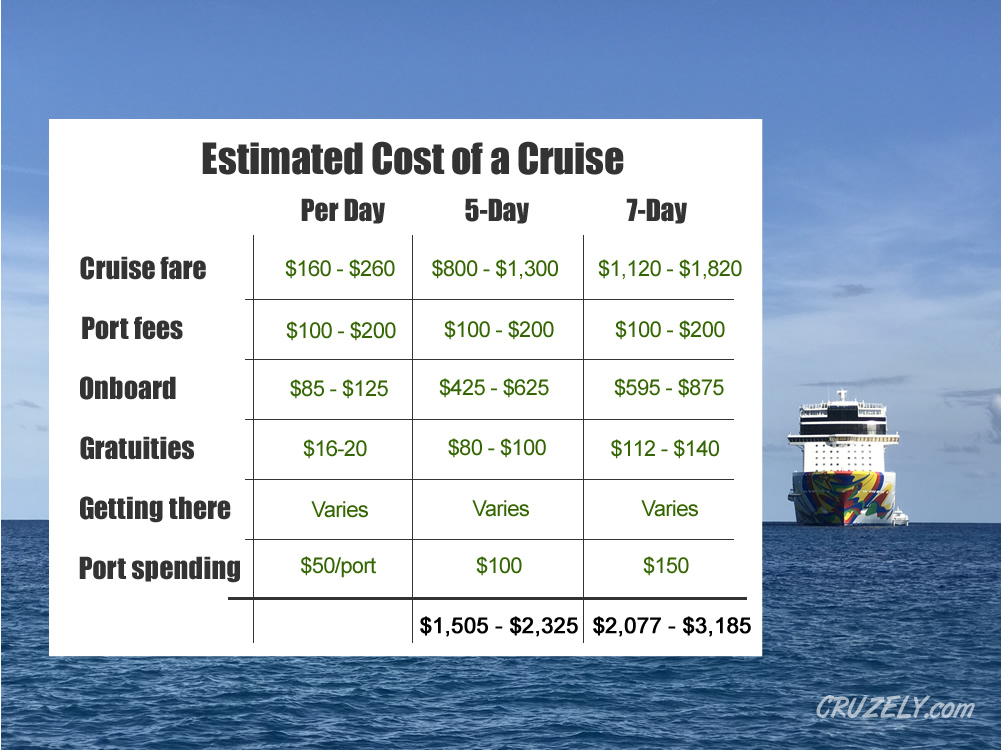
Cruises, while often perceived as an all-inclusive or highly predictable vacation option, can present a financial puzzle. The final price tag is a deeply personal figure, fluctuating wildly based on individual choices, preferences, and planning strategies. In this comprehensive guide, we will deconstruct the various layers of cruise expenses, providing insights into how to budget effectively, identify potential hidden costs, and ultimately determine the true cost per person for your dream voyage. For those looking to manage their personal finances effectively while still indulging in unforgettable travel experiences, a clear understanding of cruise pricing is paramount.
Deconstructing the Base Fare: What’s Included (and What Isn’t)
The foundation of any cruise budget is the base fare, the initial price quoted by cruise lines. However, this figure is rarely the final cost and encompasses a specific set of services. Understanding what this baseline includes, and more importantly, what it explicitly excludes, is the first step in accurate financial planning for your trip.
The Allure of the ‘All-Inclusive’ Myth
Many first-time cruisers fall prey to the common misconception that a cruise is inherently “all-inclusive.” While cruise lines excel at providing a vast array of amenities within the base fare, it’s crucial to clarify what “all-inclusive” truly means in this context. Typically, your base fare covers your accommodation (cabin), transportation between ports, main dining room meals, buffet access, some casual eateries, basic beverages (water, iced tea, coffee, some juices), access to pools, fitness centers, and a wide variety of entertainment (shows, live music, games, kids’ clubs). What it often doesn’t include are premium experiences, specialty dining, alcoholic beverages, sodas, gratuities, Wi-Fi, shore excursions, and a host of other desirable add-ons. Recognizing this distinction upfront is vital for managing financial expectations and avoiding sticker shock.
Factors Influencing Base Fare
The base fare itself is not a static figure; it’s a dynamic price influenced by several key variables, each contributing significantly to the per-person cost.
- Cruise Line & Ship Class: The choice of cruise line is perhaps the most significant determinant of the base fare. Budget-friendly lines like Carnival or MSC offer competitive prices, while mainstream lines like Royal Caribbean or Norwegian Cruise Line sit in the mid-range. Luxury lines such as Regent Seven Seas or Silversea cater to a premium market, offering genuinely all-inclusive experiences (including alcohol, specialty dining, gratuities, and even some shore excursions) at a significantly higher initial cost. Newer, larger ships within any fleet also tend to command higher prices due to their enhanced amenities and novelty.
- Itinerary & Duration: Longer cruises inherently cost more than shorter ones. A 7-night Caribbean cruise will naturally have a higher base fare than a 3-night Bahamas getaway. Similarly, the destination plays a crucial role. A cruise through the Mediterranean or Alaska, with their higher operational costs and seasonal demand, will generally be more expensive than a comparable duration cruise to the Caribbean or Mexico. Exotic itineraries to Asia, the Galapagos, or Antarctica will carry the highest price tags.
- Cabin Category: This is a major cost differentiator.
- Interior Cabins: The most economical option, offering no natural light but providing comfortable sleeping quarters.
- Oceanview Cabins: Feature a porthole or window, allowing natural light but no balcony access.
- Balcony Cabins: Offer a private outdoor space, ideal for enjoying sea breezes and scenic views, and are typically the most popular choice.
- Suites: The most luxurious and expensive option, providing larger living spaces, enhanced amenities, concierge services, and often priority boarding/disembarkation. The price jump between an interior cabin and a suite can be several hundred to thousands of dollars per person.
- Time of Year: Like most travel, cruising is subject to seasonal pricing. Peak seasons (school holidays, summer, Christmas, New Year’s) see higher demand and, consequently, higher prices. Shoulder seasons (late spring, early fall) often offer a good balance of weather and lower costs. Off-peak seasons (e.g., hurricane season in the Caribbean, winter in Alaska) present the lowest fares but may come with certain trade-offs, like weather variability or fewer port activities.
- Booking Window: Booking far in advance (6-18 months out) often yields the best selection of cabins and sometimes early bird discounts. Conversely, last-minute deals (within 90 days of sailing) can emerge if a ship isn’t fully booked, though cabin choices might be limited. However, waiting too long can also mean higher prices due to scarcity.
Beyond the Fare: Unpacking Additional Onboard Expenses
While the base fare covers the essentials, the true cost of a cruise often blossoms once you factor in the additional expenditures that enhance the experience. These optional, yet frequently chosen, add-ons significantly contribute to the per-person total.
Gratuities and Service Charges
Almost universally, cruise lines levy daily gratuities or service charges per person. These are distributed among the ship’s crew (stateroom attendants, dining staff, behind-the-scenes personnel) who work tirelessly to ensure your comfort. Gratuities typically range from $14 to $18 per person, per day, for standard cabins, and often higher for suites. While some luxury lines include them, for most, these are an additional, often mandatory, cost. You can usually pre-pay them or have them automatically added to your onboard account.
Drinks Packages vs. A La Carte
Beverages beyond basic water, coffee, and iced tea are a significant area of expenditure.
- Alcoholic Drinks: Cocktails, wine, beer, and spirits are priced similarly to land-based resorts, often ranging from $8 to $15+ per drink.
- Specialty Coffees: Lattes, cappuccinos, and other barista-made drinks are extra.
- Sodas and Juices: Canned sodas and fresh-squeezed juices also incur charges.
Drinks packages, which offer unlimited select beverages for a daily fee (ranging from $50 to $100+ per person, per day, for alcoholic packages, less for non-alcoholic), can be a cost-effective option for those who plan to consume multiple drinks daily. However, ensure you understand the terms, as all adults in a cabin often must purchase the package, and there are usually caps on individual drink prices.
Specialty Dining and Premium Experiences
While the main dining rooms and buffets offer excellent food, most ships feature specialty restaurants (steakhouses, Italian, Asian fusion, etc.) that provide a more intimate atmosphere and elevated culinary experience for an additional fee. These typically range from $30 to $75+ per person for a multi-course meal. Other premium experiences might include thermal suite access in the spa, cooking classes, or behind-the-scenes tours, each adding to your total.
Shore Excursions and Port Adventures
When your ship docks, the opportunities for exploration abound. Cruise lines offer a wide array of organized shore excursions, ranging from city tours and historical sites to adventurous activities like snorkeling, zip-lining, or helicopter rides. These can vary dramatically in price, from $50 to several hundred dollars per person, per port. Alternatively, many travelers choose to explore independently, often saving money on transportation and local attractions, but requiring more personal planning.
Wi-Fi and Connectivity
Staying connected at sea can be surprisingly expensive. Cruise ship Wi-Fi is satellite-based and often slower and more costly than land-based internet. Packages vary widely, from per-minute rates to unlimited access for the duration of the cruise, often costing $15-$30+ per day. Some lines offer tiered packages for social media only versus full browsing/streaming.
Shopping, Casino, and Spa Services
These are entirely discretionary but can quickly add up. Duty-free shops, boutiques, and art auctions onboard entice with various goods. The casino offers opportunities for both entertainment and expense. Spa treatments, such as massages, facials, and salon services, are priced comparably to high-end land-based spas. Budgeting for these “fun money” categories is essential to avoid overspending.
Hidden Costs and Pre-Cruise Preparations
Beyond the core cruise expenses, several often-overlooked costs can significantly impact the total per-person expenditure. These “hidden” costs, primarily related to getting to and from the ship and ensuring a smooth journey, are crucial for comprehensive financial planning.
Travel to and from the Port
Unless you live within driving distance of a major cruise port, you’ll need to factor in transportation costs.
- Flights: Airfare to and from your embarkation/disembarkation port can be a substantial expense, especially for international cruises or peak travel times.
- Transfers: Once you land, you’ll need transportation from the airport to the cruise terminal. This can involve taxis, ride-shares, public transport, or cruise line-provided shuttles (which often come with a fee).
- Parking: If driving, multi-day parking at the cruise terminal can range from $20 to $30+ per day.
- Hotels: Many experienced cruisers recommend flying in a day before embarkation to mitigate the risk of flight delays causing you to miss the ship. This adds at least one night of hotel accommodation to your budget.
Travel Insurance
While not mandatory, travel insurance is a highly recommended financial safeguard. It protects your investment against unforeseen circumstances like trip cancellations, medical emergencies at sea (which can be incredibly costly), lost luggage, or delays. Policies vary in price based on age, trip cost, and coverage level, but typically cost 4-10% of the total trip price. Considering the potentially enormous cost of an emergency medical evacuation from a cruise ship, this is a wise expenditure for peace of mind.
Passport, Visas, and Vaccinations
For international cruises, a valid passport is essential, and renewing or applying for one incurs a fee. Depending on the itinerary, certain countries may require visas, which come with their own application costs and processing times. Additionally, some destinations or cruise lines may recommend or require specific vaccinations, adding another potential expense.
Pre- and Post-Cruise Accommodation
As mentioned, flying in a day early is a common strategy. Similarly, if your disembarkation flight is late in the day, you might consider booking a day room at a hotel or an additional night’s stay to comfortably explore the city before heading to the airport. These extra nights or day-use rooms add to the overall per-person cost.
Packing Essentials and Incidentals
Don’t forget the smaller, everyday costs.
- Toiletries: While basic toiletries are often provided, you might want to bring your preferred brands or specific items.
- Appropriate Clothing: Cruising often requires a diverse wardrobe, from swimwear and casual wear to formal attire for specialty dining or elegant nights. Buying new outfits specifically for the cruise adds to the cost.
- Medications: Ensure you have enough prescription medications for the duration of your trip, plus a few extra days, and over-the-counter remedies for common ailments.
- Souvenirs and Shopping: While enjoying your ports of call, you might indulge in souvenirs, local crafts, or duty-free shopping.
Strategies for Managing and Minimizing Cruise Costs
Navigating the myriad of cruise expenses doesn’t have to be overwhelming. With strategic planning and smart decision-making, you can significantly manage and even minimize the per-person cost of your cruise without compromising on the quality of your vacation.
The Art of Timing: When to Book and When to Sail
Timing is critical in cruise pricing.
- Book Early: For the best cabin selection and often attractive “early bird” promotions (e.g., free onboard credit, drinks packages), booking 6-18 months in advance is generally recommended, especially for popular itineraries or cabin types.
- Consider Shoulder Seasons: Sailing in late spring (April/May) or early fall (September/October) often provides pleasant weather, fewer crowds, and lower fares compared to peak summer or holiday periods.
- Off-Peak Deals: If flexibility is paramount, look for cruises during the off-peak months. For instance, Caribbean cruises during hurricane season (late summer/early fall) offer some of the lowest prices, albeit with a higher risk of itinerary changes due to weather.
Leveraging Promotions and Deals
Cruise lines are constantly running promotions. Staying informed and knowing what to look for can lead to substantial savings.
- “Kids Sail Free” offers: A game-changer for families, allowing children to sail free or at a reduced rate when sharing a cabin with two full-paying adults.
- Onboard Credit (OBC): Often provided as a booking incentive, OBC can be used towards various onboard expenses like drinks, specialty dining, Wi-Fi, or spa treatments, effectively reducing out-of-pocket spending.
- Included Perks: Look for promotions that bundle popular add-ons, such as free drinks packages, complimentary Wi-Fi, or included gratuities. While the base fare might be slightly higher, the overall value can be significantly better than paying for these items separately.
- Resident and Senior Discounts: Some cruise lines offer special rates for residents of certain states or provinces, or for seniors.
Choosing the Right Cruise Line and Itinerary
Matching your budget to your expectations is fundamental. If your primary goal is relaxation and visiting multiple ports with basic amenities, a budget-friendly line might be perfect. If you crave gourmet dining and personalized service, a premium or luxury line, despite the higher upfront cost, might offer better overall value for your priorities. Similarly, opt for itineraries that align with your interest without breaking the bank. A shorter cruise to a nearby destination will always be more affordable than a transatlantic voyage.
Smart Spending Onboard
Even with a chosen cruise, you have control over your spending.
- Budget for Extras: Decide beforehand how much you’re willing to spend on drinks, souvenirs, or casino time, and stick to it.
- Utilize Included Options: Make the most of the complimentary dining rooms, buffets, and entertainment options that are already part of your base fare.
- Bring Allowable Items: Many cruise lines allow you to bring a certain amount of non-alcoholic beverages (soda, bottled water) onboard, and some even permit a limited quantity of wine or champagne, which can save significantly on drink costs. Always check the cruise line’s specific policies.
Exploring Independent Shore Excursions
While cruise line excursions offer convenience, they often come at a premium. For a more budget-friendly approach, research independent tour operators at your ports of call, or simply explore towns on your own via public transport or local taxis. Ensure you allow ample time to return to the ship before its scheduled departure.
Loyalty Programs and Travel Agents
- Loyalty Programs: If you plan to cruise frequently, sticking with one or two cruise lines can earn you loyalty perks, such as discounts, priority boarding, complimentary amenities, or even free cruises, reducing future per-person costs.
- Travel Agents: A good travel agent specializing in cruises can be invaluable. They often have access to exclusive deals, group rates, and expert knowledge to match you with the right cruise for your budget and preferences. They can also handle complex logistics and advocate on your behalf if issues arise.
Is a Cruise Worth the Investment? A Value Proposition
Ultimately, determining “how much does a cruise ship cost per person” isn’t just about the raw numbers; it’s about evaluating the value proposition against your personal vacation priorities and alternative travel options.
Comparing Cruises to Other Vacations
When comparing the cost of a cruise to a land-based vacation (e.g., a resort stay, a multi-city road trip, or an international flight-and-hotel package), the value of a cruise often becomes clearer. For a single upfront price (or multiple payments), you receive:
- Accommodation and Transportation: Your floating hotel takes you to multiple destinations.
- Meals: Most meals are included, often with diverse culinary options.
- Entertainment: A wide array of shows, activities, and facilities are at your disposal.
- Convenience: No need to pack and unpack repeatedly, arrange separate transfers between cities, or constantly search for dining options. Everything is typically onboard.
For many, the consolidated nature of a cruise offers exceptional value, especially for families or groups who might find coordinating multiple hotels and restaurants on a land trip more expensive and stressful.
Understanding Your Personal Vacation Priorities
The “worth” of a cruise is subjective. If your top priorities are:
- Relaxation and Convenience: A cruise delivers this by handling logistics.
- Visiting Multiple Destinations: Cruising offers a seamless way to see several places in one trip.
- Variety of Activities: Ships are floating resorts with something for everyone.
- Budget Predictability: While extras exist, the core costs are largely known upfront.
Then a cruise might represent excellent value for your money, even after factoring in all the potential expenses. However, if you prioritize deep cultural immersion in a single location, spontaneous travel with no fixed itinerary, or absolute solitude, a cruise might not be the most cost-effective or fulfilling option.
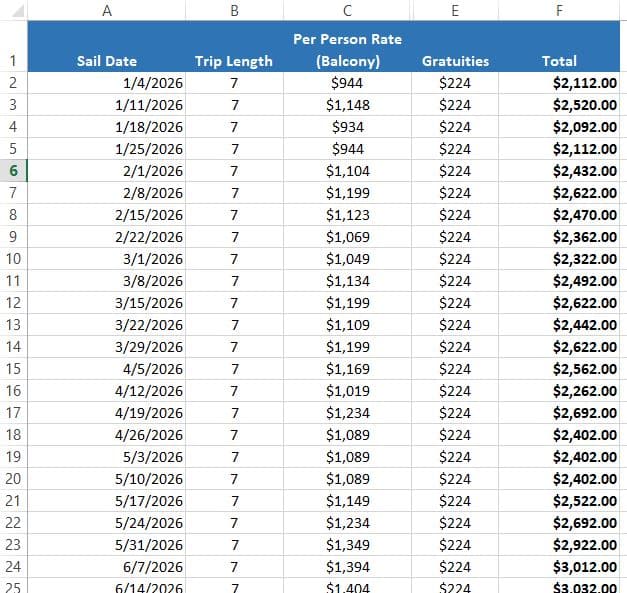
In conclusion, the question “how much does a cruise ship cost per person” has no single answer. It is a dynamic figure shaped by a myriad of choices, from the cruise line and cabin type to your spending habits onboard and pre-trip planning. While a basic 7-day cruise could theoretically start from a few hundred dollars per person, a more realistic expectation for a comfortable experience, including gratuities and a few extras, often ranges from $1,500 to $3,500+ per person for a mainstream line. Luxury cruises, with their truly all-inclusive packages, can easily reach $5,000 to $10,000+ per person. By meticulously understanding each cost component, leveraging smart booking strategies, and aligning your choices with your personal financial goals, you can budget effectively and ensure your cruise vacation is not only memorable but also a sound investment in your personal well-being and travel aspirations.
aViewFromTheCave is a participant in the Amazon Services LLC Associates Program, an affiliate advertising program designed to provide a means for sites to earn advertising fees by advertising and linking to Amazon.com. Amazon, the Amazon logo, AmazonSupply, and the AmazonSupply logo are trademarks of Amazon.com, Inc. or its affiliates. As an Amazon Associate we earn affiliate commissions from qualifying purchases.