
In the rapidly evolving world of digital finance, platforms like Coinbase have become central hubs for individuals engaging with cryptocurrencies. As a primary gateway for buying, selling, and managing digital assets, Coinbase holds significant financial importance for millions worldwide. Consequently, a common and critical question for many users, particularly when faced with urgent account issues or transaction queries, is: “What is the Coinbase phone number?” This seemingly simple question, however, opens a deeper discussion about the unique nature of support in the cryptocurrency ecosystem, the priorities for safeguarding digital wealth, and the evolving landscape of financial services in a decentralized world.
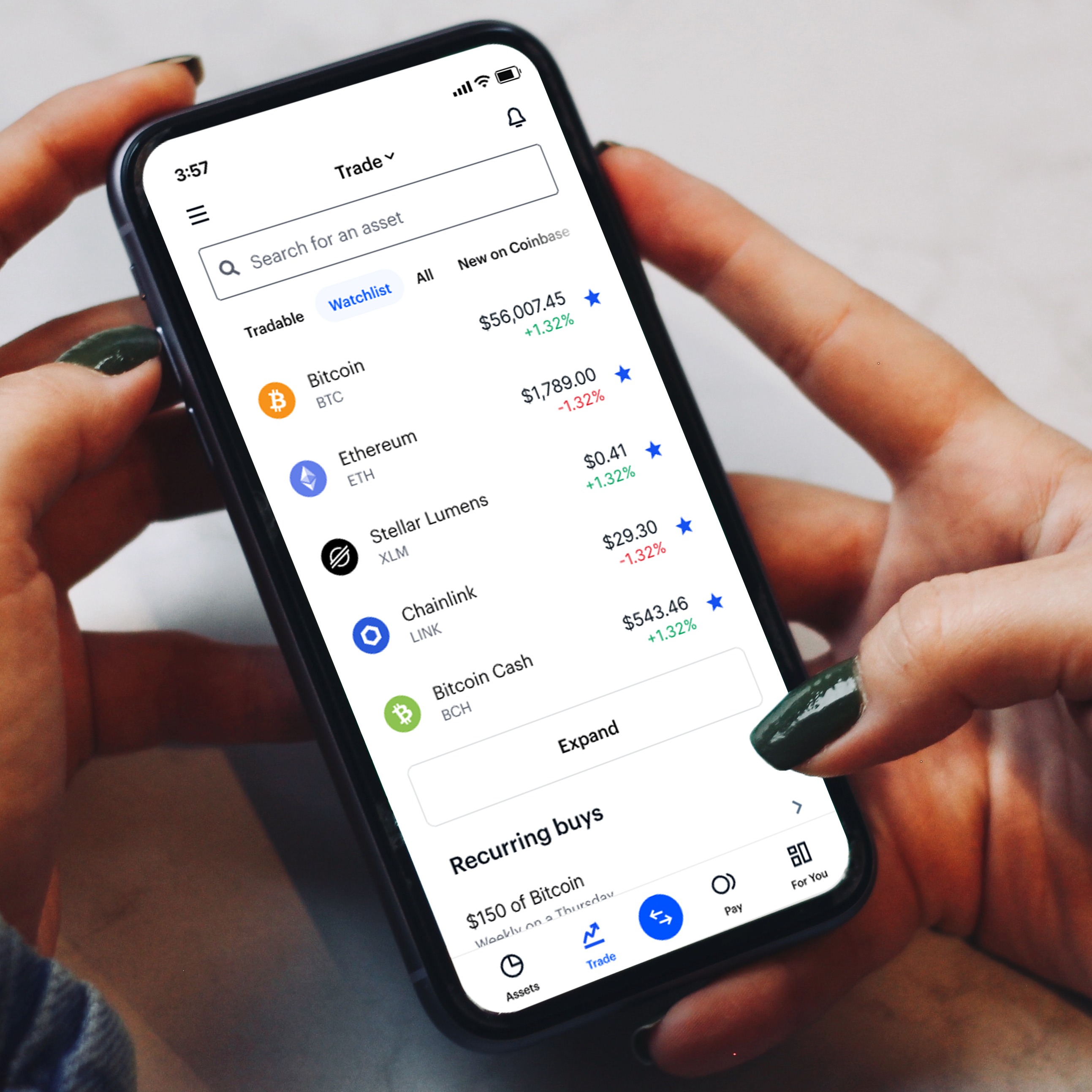
This article delves into Coinbase’s approach to customer support, explaining why traditional phone lines are often not the primary or most effective channel, and crucially, guiding users on how to effectively manage and protect their financial interests on the platform. Our focus remains firmly within the “Money” category, examining how Coinbase’s support mechanisms impact personal finance, investment strategies, and the broader financial security of its users.
The Digital-First Approach to Financial Support at Coinbase
Unlike traditional banks or credit card companies that typically offer readily available phone support, cryptocurrency exchanges, including Coinbase, often operate with a digital-first customer service strategy. This approach is not arbitrary; it stems from the inherent characteristics of blockchain technology, the global scale of operations, and paramount security considerations. For users managing their digital assets, understanding this model is key to effectively addressing financial concerns.
Why a Direct Line is Rarely the Primary Contact Method
The architecture of cryptocurrency transactions is fundamentally different from traditional banking. Blockchain transactions are generally immutable and operate 24/7 across global time zones. This means that once a transaction is confirmed on the blockchain, it cannot be reversed by a central authority, making rapid human intervention for simple reversals largely ineffective. Furthermore, the sheer volume of users on platforms like Coinbase—millions accessing their accounts around the clock—makes a scalable, traditional phone-based support system economically and logistically challenging.
More importantly, security is a driving factor. Cryptocurrency accounts, holding potentially significant financial value, are prime targets for fraudsters. Phone support, while seemingly convenient, can open avenues for social engineering attacks, where malicious actors attempt to trick support agents into divulging information or granting account access. By minimizing direct phone interaction for general queries, Coinbase aims to reduce these vulnerabilities, pushing users towards secure, verifiable digital channels where identity can be authenticated more robustly. This strategy prioritizes the security of user funds over the instantaneous, but potentially risky, nature of a phone call. The focus shifts from direct, live assistance for every query to empowering users with self-service tools and secure digital communication pathways, aligning with the principles of self-sovereignty that underpin much of the crypto movement.
Understanding Coinbase’s Official Support Channels for Your Funds
Given the digital-first philosophy, Coinbase provides a robust suite of online resources and communication channels designed to help users manage their financial activities and troubleshoot issues effectively. These channels are engineered to provide secure, documented interactions, which is vital when dealing with financial assets.
The Coinbase Help Center is the cornerstone of their support system. It hosts an extensive database of articles, FAQs, and step-by-step guides covering almost every aspect of using the platform. From setting up an account, executing trades, understanding fees, to navigating tax implications for crypto investments, the Help Center is an invaluable resource for self-service. It often provides immediate answers to common financial queries without the need to contact support directly, enabling users to manage their investments proactively.
For issues requiring personalized attention, email support is the primary method. Users can submit detailed inquiries through a support ticket system, providing all necessary information for Coinbase to investigate. While not instantaneous, this method creates a documented record of communication, which is crucial for financial disputes or complex account issues. Coinbase support agents typically respond via email after conducting necessary investigations, ensuring thorough and secure assistance.
Live chat or chatbot interfaces are increasingly offered for quicker queries or to guide users through troubleshooting steps. These tools can often resolve common issues rapidly or, if the problem is more complex, escalate the query to a human agent, streamlining the support process. These digital tools are designed to filter and address issues efficiently, ensuring that complex financial matters requiring human intervention are routed correctly, while simpler queries are resolved instantly.
While not a direct support channel, Coinbase also maintains a presence on social media platforms. These are primarily used for announcements, news, and community engagement rather than direct customer support. Users should exercise extreme caution when seeking support via social media, as impersonators frequently target users with phishing scams, posing a significant risk to financial security. Always verify the authenticity of any account claiming to be Coinbase support on social media and never share sensitive financial information publicly.
Safeguarding Your Investments: Essential Contact Scenarios and Procedures
While Coinbase emphasizes digital and self-service support, there are critical financial scenarios where direct, albeit carefully managed, communication with the platform becomes imperative. Knowing when and how to engage Coinbase support effectively is crucial for protecting your digital investments and ensuring the security of your financial portfolio.
Critical Financial Events Requiring Immediate Attention
Certain situations demand a swift and decisive response to protect your funds on Coinbase. These typically involve security breaches or significant account disruptions that directly impact your ability to access or secure your assets.
One of the most critical scenarios is discovering unauthorized transactions or an account breach. If you notice suspicious activity, transactions you didn’t initiate, or find that your account has been compromised, immediate action is paramount. Similarly, if your account is locked or you are unable to access your funds despite correct credentials, it’s a financial emergency that needs prompt resolution. This could be due to security flags, suspected unauthorized access, or internal system issues.
Being targeted by suspicious emails, texts, or calls (phishing attempts) that mimic Coinbase communications also requires attention. While these may not yet be a breach, they are precursors to potential financial fraud. Reporting these can help Coinbase protect other users. Finally, large transaction disputes or failures, where significant funds are held up or disappear, naturally warrant direct engagement to trace and resolve the financial discrepancy. In these high-stakes scenarios, the focus shifts from general inquiries to immediate security and financial recovery protocols.
The Protocol for Reporting Security Breaches and Financial Fraud
When faced with a security breach or suspected financial fraud, a structured approach is essential to mitigate damage and secure your digital assets.
-
Immediate Self-Help Measures: The first step is to attempt to secure your account yourself. If you suspect unauthorized access, immediately change your password to a strong, unique one. If possible, disable any compromised 2-Factor Authentication (2FA) methods and re-enable them with a secure method (e.g., authenticator app or hardware key, not SMS). Coinbase also often provides an option to temporarily “lock” your account via your settings if you suspect unauthorized access, which is a crucial first line of defense against further financial loss.
-
Reporting via Official Channels: Once initial self-preservation steps are taken, you must formally report the incident to Coinbase. The most reliable method is through their Help Center by submitting a support ticket specifically categorized as a security concern or fraud report. Provide as much detail as possible, including timestamps, transaction IDs, screenshots, and a clear description of the events. This creates a documented record for investigation.
-
Limited Phone Support for Security Emergencies: While general phone support is rare, Coinbase does provide specific, limited phone lines or callback services for verified security emergencies, particularly for account lockouts or confirmed unauthorized activity that cannot be resolved through digital means. These lines are not for general inquiries but for urgent situations where direct intervention is critical to prevent further financial loss. The precise numbers and availability may vary by region and situation, and are typically accessed after initiating a report through the digital channels and undergoing initial verification. It’s important to note these are for their security team to reach you or for very specific scenarios, rather than a general incoming support line. Always verify any phone number as official Coinbase communication to avoid falling victim to scams.
-
Documentation is Key: Maintain meticulous records of all communications with Coinbase, including ticket numbers, email exchanges, and any dates and times of interactions. This documentation will be invaluable if further financial recourse or legal action becomes necessary. Timely and accurate reporting significantly increases the chances of successful resolution and recovery of assets.
Proactive Financial Security: Protecting Your Digital Wealth on Coinbase
In the absence of easily accessible traditional phone support, and given the immutable nature of blockchain transactions, proactive financial security measures become paramount for any Coinbase user. Protecting your digital wealth is primarily your responsibility, and implementing robust safeguards can significantly reduce the risk of financial loss due to hacks, scams, or user error.
Implementing Robust Account Protections for Your Crypto Portfolio
Securing your Coinbase account is synonymous with securing your financial assets. Several critical steps should be taken to fortify your digital portfolio:

Firstly, always use strong, unique passwords for your Coinbase account. This means a complex mix of uppercase and lowercase letters, numbers, and symbols, and crucially, a password that is not reused on any other website or service. A password manager is an excellent tool for generating and storing these securely.
Secondly, Two-Factor Authentication (2FA) is non-negotiable. While SMS-based 2FA offers a layer of protection, it is considered less secure due to risks like SIM-swapping. Authenticator apps (e.g., Google Authenticator, Authy) provide a stronger defense. For the highest level of security, consider a hardware security key (e.g., YubiKey), which requires physical possession to authorize access, making it significantly harder for remote attackers to compromise your account. Ensure that your 2FA methods are properly backed up according to the provider’s instructions, so you don’t lose access to your funds if your device is lost or damaged.
Thirdly, leverage withdrawal address whitelisting. This feature allows you to pre-approve specific cryptocurrency wallet addresses to which you can send funds. Once enabled, withdrawals can only be made to these whitelisted addresses, providing an additional layer of security even if an attacker gains access to your account. This significantly limits their ability to siphon off your assets.
Finally, regularly review your account activity and transaction history. Make it a habit to check your Coinbase statement and transaction logs periodically. Unfamiliar transactions or logins from unusual locations could be early warning signs of compromise. Timely detection allows for quicker intervention and can prevent further financial damage. Understanding your investment portfolio’s activity is a fundamental aspect of managing your personal finance on the platform.
Avoiding Common Pitfalls: Phishing, Scams, and Social Engineering
The digital finance landscape is rife with sophisticated scams designed to trick users into compromising their accounts and losing their investments. Vigilance and education are your best defenses.
Recognizing official communications vs. scams is vital. Coinbase will never ask for your password, 2FA codes, or private keys. Official emails will come from coinbase.com domains. Be wary of emails with grammatical errors, urgent demands, or suspicious links. Always navigate directly to Coinbase’s website by typing the URL yourself rather than clicking links in emails, even if they appear legitimate.
Never sharing private keys or 2FA codes is a cardinal rule of crypto security. Private keys are the ultimate access to your digital assets. Sharing them is akin to handing over physical cash. Similarly, 2FA codes are designed to be one-time passwords for authentication; providing them to anyone compromises your account. Coinbase support will never ask for this information.
Be acutely aware of the danger of unsolicited calls or texts claiming to be Coinbase. As discussed, direct phone support for general queries is minimal. Any unexpected call or text asking for account details or to “verify” transactions should be treated as highly suspicious. These are common social engineering tactics. If in doubt, terminate the communication and contact Coinbase via their official digital channels.
Finally, internalize the immutable nature of blockchain transactions once confirmed. Unlike traditional banking, where chargebacks or reversals are possible, a confirmed cryptocurrency transaction is irreversible. This emphasizes the need for extreme caution and verification before initiating any transfer. Once your funds leave your Coinbase account and are confirmed on the blockchain to an incorrect or malicious address, they are likely gone forever. This principle underscores the importance of proactive security and careful transaction verification in managing your digital wealth.
Empowering Your Financial Journey: Self-Service and Educational Resources
Beyond direct support, Coinbase offers extensive resources designed to empower users with the knowledge and tools needed to independently manage their digital investments. For many financial queries, the fastest and most effective solution lies in leveraging these self-service options and expanding your financial literacy within the crypto space.
Leveraging the Coinbase Knowledge Base for Investment Insights and Troubleshooting
The Coinbase Help Center, far from being just a troubleshooting guide, is a comprehensive knowledge base that serves as a valuable educational resource for investors. It offers detailed guides on various aspects of crypto investing, from the basics of buying and selling different cryptocurrencies to more advanced topics like staking, yield farming, and interacting with Decentralized Finance (DeFi) protocols through Coinbase Wallet. Understanding these features is crucial for maximizing your investment potential and navigating the complexities of the crypto market.
The platform also provides clear explanations of fees associated with transactions, withdrawal limits, and crucial information regarding cryptocurrency taxes and reporting requirements. For individuals managing their personal finances and investments, understanding these financial implications is not just helpful, but mandatory for compliance and effective portfolio management. The knowledge base often includes guides on generating tax reports or understanding how different transactions are categorized for tax purposes.
Furthermore, it offers troubleshooting common transaction issues, such as delayed transfers, incorrect addresses, or network congestion problems. These guides help users understand the underlying reasons for issues and often provide steps to resolve them independently, preventing unnecessary support requests and reducing anxiety over the status of their funds. By providing insights into crypto basics, market trends, and risk management strategies, Coinbase aims to educate its users, turning them into more informed and self-reliant investors. This educational component is vital for long-term financial success in the volatile crypto market.
Community and Regulatory Avenues for Financial Recourse
While self-service should be the first port of call, and direct support handles critical issues, there are also broader avenues for assistance and recourse, particularly when dealing with complex financial disputes or seeking peer advice.
The Coinbase Community Forum provides a platform for users to connect, share experiences, and seek advice from fellow crypto enthusiasts. While it’s a valuable resource for peer insights and general discussions, users must exercise caution. Information shared in community forums should never be treated as official financial advice or a substitute for direct support for account-specific issues. It’s an excellent place for general crypto discussions, understanding market sentiments, and learning from others’ investment journeys, but sensitive account information should never be disclosed.
For more serious financial disputes that remain unresolved after engaging directly with Coinbase support, users may consider filing complaints with financial regulatory bodies. In the United States, for example, the Consumer Financial Protection Bureau (CFPB) accepts complaints about virtual currency companies. Similarly, in other jurisdictions, financial conduct authorities or ombudsman services may offer recourse. These avenues are typically a last resort for significant financial losses or systemic issues that Coinbase has failed to address. It’s important to document all interactions with Coinbase and be prepared to provide a detailed account of the financial dispute.
In cases of substantial financial loss or complex legal disputes, seeking independent legal counsel specializing in cryptocurrency law may be necessary. This step is reserved for situations where significant funds are at stake and all other avenues of resolution have been exhausted. Understanding the legal landscape of digital assets is an evolving area, and expert advice can be crucial for navigating complex financial recovery processes. These external avenues underscore the importance of robust documentation and a clear understanding of your rights as a digital asset investor.
The Evolving Landscape of Financial Support in the Crypto Economy
The question of “what is the Coinbase phone number” is more than a simple query; it’s a window into the broader challenges and innovations defining financial support in the crypto economy. As digital assets become increasingly integrated into mainstream finance, the expectations for customer service naturally converge with those of traditional banking, yet the unique characteristics of blockchain technology necessitate a different approach.
Balancing Accessibility, Security, and Scalability in Crypto Services
The core challenge for platforms like Coinbase is to provide accessible support that satisfies user expectations while maintaining the highest levels of security and scaling to meet the demands of a global, 24/7 user base. Traditional bank-like support models, heavily reliant on call centers, struggle with the sheer volume and global nature of crypto transactions. Moreover, the irreversible nature of blockchain transactions places an immense burden on security protocols, making any vulnerability in support channels a significant financial risk.
Innovation in AI-driven support and personalized experiences is becoming a key differentiator. Chatbots are evolving beyond simple FAQ responses to provide intelligent, contextual assistance, guiding users through complex processes, and even initiating limited, secure actions on their behalf. Machine learning algorithms can analyze user queries to route them to the most appropriate resource, whether it’s a knowledge base article, a community forum, or a human agent specializing in that particular financial issue. This allows for a more efficient allocation of human resources to truly complex or sensitive financial matters, enhancing both security and scalability.
Furthermore, the role of regulation is increasingly shaping customer service standards in the crypto industry. As governments worldwide establish clearer frameworks for digital assets, there is growing pressure on exchanges to provide more robust and accessible support mechanisms, mirroring some aspects of traditional financial services. This evolving regulatory landscape will likely influence how companies like Coinbase structure their support, potentially leading to more standardized and regulated channels for financial disputes and user assistance. This balance between regulatory compliance, technological innovation, and user needs will define the future of customer support in digital finance.

The Future of User Engagement and Financial Responsibility
Ultimately, the future of financial support in the crypto economy leans heavily towards empowering users through enhanced financial literacy. Rather than simply reacting to problems, platforms are investing in proactive user education to prevent issues before they arise. Comprehensive educational resources, intuitive user interfaces, and clear guidance on security best practices enable users to become more self-reliant and responsible managers of their digital wealth.
This shift signifies a move from reactive problem-solving to proactive user education. By understanding the nuances of blockchain, the risks of various investment strategies, the importance of strong security measures, and the immutable nature of transactions, users can navigate the crypto space with greater confidence and fewer mishaps. This preventative approach to financial security not only reduces the burden on support teams but also fosters a more informed and resilient user base.
The ideal future involves integrated support ecosystems that seamlessly combine self-service tools, intelligent AI, and human intervention. Users should be able to move fluidly between these channels, finding immediate answers for simple queries, guided assistance for complex tasks, and direct human support for critical, financially impactful issues. As digital assets continue to mature as an investment class, the emphasis will remain on striking a delicate balance: providing accessible and efficient support without compromising the foundational security principles that protect user funds. For Coinbase and its users, this means a continuous journey of learning, adapting, and innovating in how we engage with and safeguard our digital financial future.
aViewFromTheCave is a participant in the Amazon Services LLC Associates Program, an affiliate advertising program designed to provide a means for sites to earn advertising fees by advertising and linking to Amazon.com. Amazon, the Amazon logo, AmazonSupply, and the AmazonSupply logo are trademarks of Amazon.com, Inc. or its affiliates. As an Amazon Associate we earn affiliate commissions from qualifying purchases.