
For investors navigating the global financial markets, the Nasdaq is more than just a stock exchange; it is a symbol of innovation, growth, and the modern digital economy. When asking “how many stocks are listed on the Nasdaq,” the answer is a moving target that reflects the dynamic nature of the business world. Currently, the Nasdaq Stock Market hosts approximately 3,400 to 3,700 listed companies. However, this number fluctuates almost daily due to initial public offerings (IPOs), mergers, acquisitions, and delistings.
Understanding the composition of the Nasdaq is essential for any serious investor. Unlike the New York Stock Exchange (NYSE), which historically leaned toward industrial and blue-chip legacy companies, the Nasdaq has become the preferred home for technology, biotech, and high-growth enterprises. To truly grasp the significance of these listings, one must look beyond the raw numbers and examine the tiers, sectors, and regulatory environment that define this electronic powerhouse.
The Current Count: Deciphering the Nasdaq Numbers
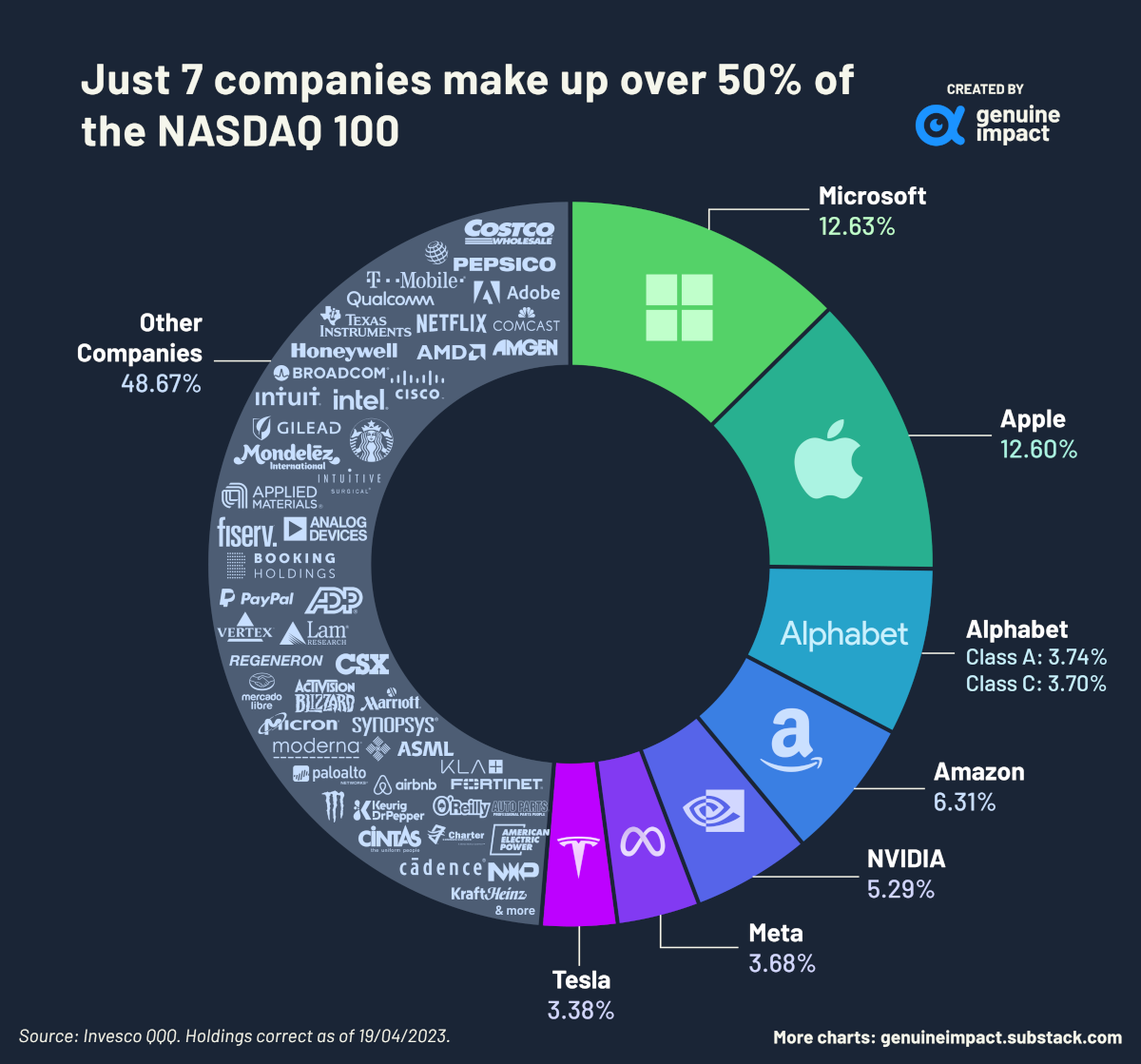
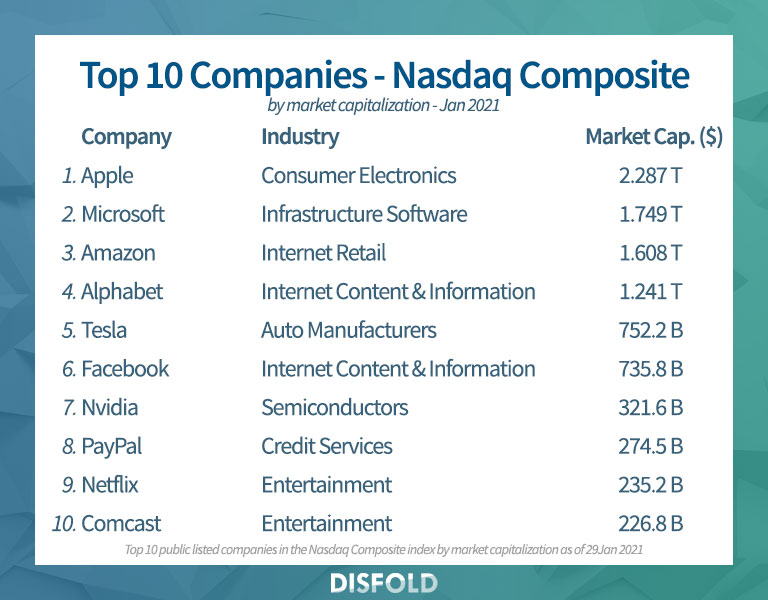
While the total number of listings typically hovers around 3,500, the Nasdaq’s reach is measured more accurately by its market capitalization, which exceeds $25 trillion. The exchange is home to some of the largest companies in the world, including Apple, Microsoft, Amazon, and Alphabet. These “mega-cap” stocks carry immense weight in the indices, but they represent only a fraction of the total listing count.
The Dynamics of Listing Totals
The total number of stocks listed on the Nasdaq is subject to the “churn” of the equity markets. In periods of economic expansion and low interest rates, the number of listings tends to grow as private companies seek to go public via IPOs or Special Purpose Acquisition Companies (SPACs). Conversely, during market contractions or periods of high interest rates, the number may shrink as companies are acquired by larger rivals or fail to meet the exchange’s stringent listing requirements, leading to delisting.
Nasdaq Composite vs. Nasdaq-100
It is a common misconception among novice investors that the Nasdaq-100 represents the entirety of the exchange. In reality, the Nasdaq-100 consists of the 100 largest non-financial companies listed on the exchange. If you are looking at the total number of stocks listed on the Nasdaq, you are referring to the Nasdaq Composite Index, which includes nearly every common stock listed on the exchange. The disparity between these two numbers—100 versus over 3,000—highlights the “long tail” of small and mid-cap companies that provide the exchange with its diversity.
The Three Tiers of the Nasdaq Market
Not all stocks on the Nasdaq are created equal. The exchange is divided into three distinct tiers, each with its own set of financial, liquidity, and corporate governance requirements. This tiered structure helps investors understand the size and stability of the companies they are trading.
1. The Nasdaq Global Select Market
This is the most prestigious tier and has the highest listing standards in the world. It is reserved for large-cap companies that meet rigorous requirements regarding financial strength, liquidity, and market value. Approximately 1,200 to 1,500 companies reside in this tier. These are the household names that dominate the headlines and represent the pinnacle of corporate success.
2. The Nasdaq Global Market
The Global Market tier is designed for mid-cap companies that have a significant international reach. While the requirements are slightly less stringent than the Global Select tier, they still demand a high level of transparency and financial stability. This tier typically includes around 1,400 companies and serves as a middle ground for businesses that have moved beyond the “startup” phase but have not yet reached mega-cap status.
3. The Nasdaq Capital Market
Formerly known as the “SmallCap Market,” this tier is focused on smaller, emerging companies that are in the process of raising capital to fuel growth. It currently lists around 800 to 900 companies. While these stocks often carry higher risk and volatility, they also offer the potential for significant returns. The Nasdaq Capital Market is a vital incubator for the next generation of industry leaders.
Why the Number of Stocks Fluctuates Regularly
The ebb and flow of the total stock count on the Nasdaq is a health indicator for the broader economy. To understand why the number changes, we must look at the entry and exit points for these corporations.
The Role of IPOs and Direct Listings
The primary driver of an increasing stock count is the Initial Public Offering (IPO). When a private company decides to go public, it chooses an exchange to list its shares. Nasdaq has historically won the majority of technology and biotech IPOs due to its lower listing fees and its reputation as a forward-thinking, tech-centric platform. In record-breaking years like 2021, the Nasdaq saw hundreds of new listings, significantly boosting the total count.
Mergers and Acquisitions (M&A)
Corporate consolidation is the primary reason for a decrease in the number of listings. When one Nasdaq-listed company acquires another, the acquired company’s stock ticker is retired, and its shares are delisted. This is particularly common in the tech and pharmaceutical sectors, where larger firms frequently “buy” innovation by acquiring smaller, specialized companies.
The Delisting Process
The Nasdaq maintains high standards to protect investors. If a company’s stock price falls below $1.00 for an extended period, or if it fails to file its financial reports on time, the Nasdaq may issue a delisting notice. Companies that are delisted often move to the “Over-the-Counter” (OTC) markets. This regulatory pruning ensures that the companies remaining on the exchange maintain a baseline level of legitimacy and financial health.
Strategic Diversification: Understanding the Sectors on the Nasdaq
Many people assume the Nasdaq is 100% technology. While technology is indeed the dominant sector, accounting for roughly 50% of the market value, the exchange is surprisingly diverse. Understanding the sectoral breakdown is key for investors looking to balance their portfolios.
The Dominance of Technology
The Nasdaq is the global headquarters for software, hardware, semiconductors, and internet companies. From the silicon chips in our phones to the cloud servers that power the internet, the Nasdaq’s tech listings represent the backbone of the 21st-century economy. This concentration makes the exchange a primary vehicle for those looking to capitalize on trends like Artificial Intelligence (AI) and cybersecurity.
Healthcare and Biotechnology
Perhaps the most overlooked aspect of the Nasdaq is its role as the premier exchange for healthcare and biotech. Hundreds of small-cap biotech firms are listed on the Nasdaq Capital Market. These companies are often in the pre-revenue stage, working on breakthrough drugs or medical devices. For the speculative investor, this sector offers high-stakes opportunities that are unique to the Nasdaq ecosystem.
Consumer Services and Financials
Beyond tech and health, the Nasdaq hosts significant listings in consumer services (think Amazon and Starbucks) and the financial sector. While the NYSE is often associated with the “Big Banks,” the Nasdaq lists many regional banks, fintech innovators, and insurance companies. This diversity ensures that while the exchange is tech-heavy, it is not entirely dependent on a single industry.
How to Invest in the Nasdaq Universe
Given the vast number of stocks—exceeding 3,400—it is impossible for the average investor to track every listing. Therefore, most individuals approach the Nasdaq through strategic investment vehicles.
Index Funds and ETFs
The most popular way to gain exposure to the Nasdaq is through Exchange-Traded Funds (ETFs) that track its indices. The Invesco QQQ Trust (QQQ) is one of the most traded ETFs in the world, tracking the Nasdaq-100. For those who want exposure to the entire breadth of the exchange, funds that track the Nasdaq Composite provide a more diversified approach, including the smaller-cap stocks that the QQQ excludes.
Individual Stock Picking
For investors with a higher risk tolerance, the sheer volume of stocks on the Nasdaq provides a fertile hunting ground for “the next big thing.” By filtering through the Nasdaq Capital Market listings, savvy investors can identify undervalued growth companies before they graduate to the Global Select tier. However, this requires intensive fundamental analysis and a deep understanding of market cycles.
Managing Volatility
Because of its high concentration of growth and tech stocks, the Nasdaq tends to be more volatile than the S&P 500 or the Dow Jones Industrial Average. When interest rates rise, growth stocks often see their valuations compressed. Investors must be prepared for larger price swings and should use the total number of listings as a guide for diversification, ensuring they aren’t overly concentrated in a single sub-sector like semiconductors or SaaS.

The Future of Nasdaq Listings
As we look toward the future, the number of stocks listed on the Nasdaq will continue to be a barometer for global innovation. We are seeing a shift in how companies go public, with direct listings and “Dutch auctions” becoming more common. Furthermore, as international companies seek more liquid markets, the Nasdaq continues to attract listings from Europe, Asia, and Latin America.
The exchange is also evolving its listing requirements to include ESG (Environmental, Social, and Governance) disclosures, which may influence which companies choose to list there in the coming decade. Whether the number is 3,400 or 4,000, the Nasdaq remains the primary destination for companies that aim to disrupt the status quo. For the investor, the total count is less important than the quality of the businesses within that count. By understanding the tiers, sectors, and mechanics of the Nasdaq, you can better position your capital to benefit from the growth engine of the global economy.
aViewFromTheCave is a participant in the Amazon Services LLC Associates Program, an affiliate advertising program designed to provide a means for sites to earn advertising fees by advertising and linking to Amazon.com. Amazon, the Amazon logo, AmazonSupply, and the AmazonSupply logo are trademarks of Amazon.com, Inc. or its affiliates. As an Amazon Associate we earn affiliate commissions from qualifying purchases.