
The quest for affordable airfare is a universal pursuit for travelers worldwide. In an age where flight prices can fluctuate dramatically within hours, understanding the intricate dynamics that govern airline pricing is not just a hobby; it’s a crucial financial skill. Saving money on plane tickets directly translates to more funds available for experiences at your destination, or simply more money in your pocket. This article delves into the strategies, tools, and insights required to navigate the complex world of airline pricing, empowering you to identify the sweet spots and make financially savvy booking decisions. There’s no single magic bullet, but a combination of informed choices and strategic thinking can significantly reduce your travel expenses.

Understanding the Dynamics of Flight Pricing
Airline pricing is a sophisticated algorithm-driven system influenced by a myriad of factors. It’s a real-time reflection of supply, demand, competitor actions, and even individual browsing behavior. To secure the cheapest tickets, one must first grasp the core principles that dictate these ever-changing fares.
The Supply and Demand Equation
At its heart, flight pricing is a classic example of supply and demand economics. When demand is high and supply (available seats) is low, prices surge. Conversely, when demand is low and seats are plentiful, prices drop. This fundamental principle manifests in several predictable patterns:
-
Seasonality: Travel seasons significantly impact demand. Peak seasons include major holidays (Christmas, New Year’s, Easter), summer months (June-August), and school breaks (Spring Break, Thanksgiving). During these periods, demand is at its peak, and prices reflect this. Off-peak or “shoulder” seasons (e.g., late January to March, September to early December, excluding holidays) typically see lower demand, leading to more competitive pricing.
-
Day of the Week for Travel: Flying on weekdays, particularly Tuesday, Wednesday, and sometimes Saturday (for domestic travel), is generally cheaper than flying on high-demand days like Friday and Sunday. Early morning or late-night flights are also often less expensive due to less desirable departure times.
-
Route Popularity: Highly popular routes connecting major hubs or tourist hotspots will naturally command higher prices, especially during peak times. Less direct routes or flights to smaller, secondary airports can sometimes offer savings.
The “Golden Booking Window”: Optimal Lead Times
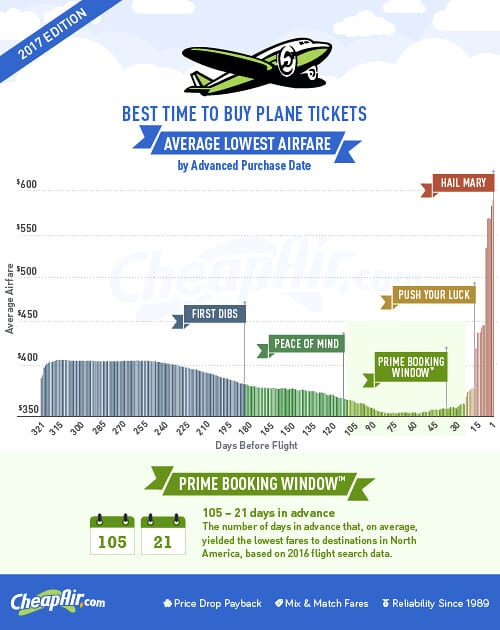
While dynamic pricing means there’s no absolute rule, historical data and industry analysis reveal general “golden booking windows” where prices tend to be most favorable. Booking too early means you might miss out on sales or price drops, while booking too late leaves you at the mercy of last-minute price hikes as airlines capitalize on urgent demand.
-
Domestic Flights: For travel within your own country, the sweet spot is often 1 to 3 months before your departure date. Prices tend to climb steadily after the one-month mark, becoming significantly more expensive in the last two weeks.
-
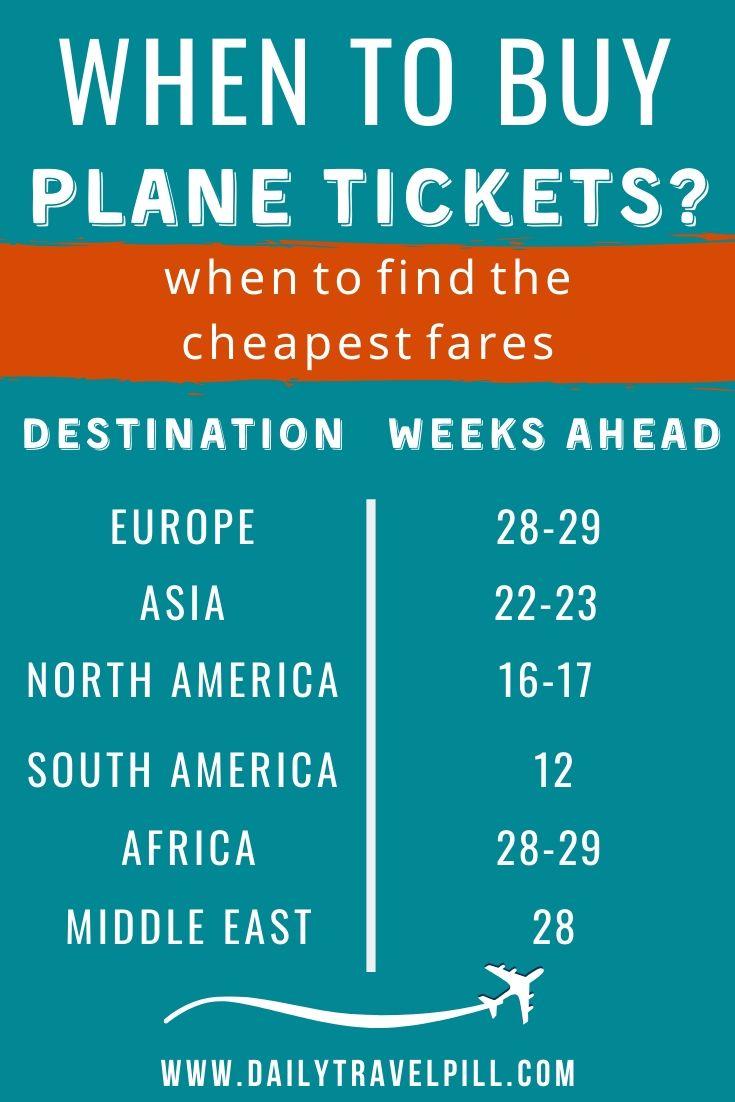
International Flights: Planning further ahead is crucial for international travel. The optimal window can range from 2 to 8 months out. For very popular international destinations or during peak seasons, even booking up to a year in advance can sometimes yield the best prices. Waiting until the last few weeks for international flights is almost always a costly mistake.
It’s important to note that these are general guidelines. Flexibility with your travel dates, even by a day or two, within or outside these windows, can often unlock substantial savings.
The Myth of the “Best Day to Book”
For years, travelers were advised that Tuesday afternoons were the cheapest time to book flights. This theory stemmed from airlines releasing sales early in the week and competitors matching them by Tuesday. While there might have been some truth to this in the past, modern airline pricing algorithms are far more sophisticated. Prices now fluctuate constantly, often several times a day, based on demand, remaining inventory, and competitor pricing changes.
Instead of focusing on a specific day to book, the emphasis has shifted to the “golden booking window” and being strategic about when you travel. The idea that airlines deliberately raise prices if you revisit a search without clearing cookies or using incognito mode is also largely a myth for most major booking sites, though using incognito can sometimes prevent personalized (and potentially higher) pricing based on your browsing history. Ultimately, sustained vigilance and using price tracking tools are more effective than waiting for a specific booking day.
Strategic Approaches to Finding Lower Fares
Beyond understanding market dynamics, proactive strategies and leveraging available financial tools are key to consistently finding cheaper plane tickets.
Embrace Flexibility: Dates, Times, and Airports
Flexibility is arguably the most powerful tool in your money-saving arsenal.
-
Flexible Dates: If your schedule allows, playing with your departure and return dates, even by a single day, can yield significant savings. Many flight search engines (like Google Flights or Skyscanner) have “flexible date” options or calendar views that highlight the cheapest days to fly within a given month. Avoiding weekend travel and opting for mid-week flights often leads to lower fares.
-
Flexible Times: Red-eye flights (late-night departures) or very early morning flights are generally less convenient and thus less in demand, making them cheaper. If you can handle the unconventional hours, your wallet will thank you.
-
Flexible Airports: Consider flying into or out of alternative airports in the same region. Major cities often have several airports, and flying into a smaller, secondary airport can sometimes be considerably cheaper, even after factoring in ground transportation costs. Similarly, connecting flights through less popular hubs can reduce costs compared to direct flights.
Leverage Price Comparison Tools and Alerts
The digital age has blessed us with powerful tools designed to scour the internet for the best flight deals.
-
Metasearch Engines: Websites like Google Flights, Skyscanner, Kayak, and Momondo compare prices across hundreds of airlines and online travel agencies (OTAs). They are essential starting points for your search. Google Flights, in particular, is known for its intuitive calendar view and ability to show prices for an entire month, helping you pinpoint the cheapest travel days.
-
Price Alerts and Tracking: Most major search engines and apps (e.g., Hopper, Kayak, Google Flights) offer price alert features. You can set up alerts for specific routes and dates, and you’ll receive notifications when prices drop or are predicted to rise. This eliminates the need for constant manual checking and ensures you don’t miss a good deal.
-
“Anywhere” Search: If you’re flexible about your destination, tools like Skyscanner’s “Everywhere” search or Google Flights’ “Explore” map allow you to input your departure airport and see the cheapest places you can fly to, offering inspiration for budget-friendly trips.
Consider Alternative Routes and Airlines
Sometimes, the cheapest path isn’t the most direct or with the most familiar carrier.
-
Connecting Flights vs. Direct: While direct flights are convenient, connecting flights almost always offer savings. Be mindful of layover times to avoid unnecessary stress or missed connections.
-
Budget Airlines: Airlines like Ryanair, EasyJet, Southwest, Spirit, and Frontier are renowned for their low base fares. However, be vigilant about their fee structures. Baggage fees, seat selection fees, and even printing your boarding pass can add up, potentially negating initial savings. Always calculate the “all-in” cost before booking.
-
Mixing Airlines: Don’t be afraid to book separate one-way tickets on different airlines if it results in a lower overall fare than a round-trip on a single carrier. This is especially useful for international travel where different airlines might have competitive one-way legs.
Ensuring Unbiased Price Checks: The Incognito Strategy
While the idea that airlines manipulate prices based on your browsing history is often exaggerated, using an incognito or private browsing window (or clearing your browser’s cookies and cache) for flight searches can still be a good practice. It ensures that any personalized data from previous searches, which could theoretically influence displayed prices on some sites, is not a factor. It resets the digital slate, presenting you with the most generalized and potentially lowest available fares at that moment. This is a simple, free step that ensures you’re seeing prices uninfluenced by your past interactions, providing a more financially transparent view.
Advanced Tactics and Financial Tools for Savvy Savers
For those truly committed to stretching their travel budget, a few advanced strategies and smart use of financial tools can unlock even deeper discounts.
Tapping into Loyalty Programs and Credit Card Perks
Leveraging points and miles is one of the most effective ways to significantly reduce or even eliminate the cash cost of flights.
-
Airline Loyalty Programs: Enroll in the frequent flyer programs of airlines you fly most often, or those within the same alliance (e.g., Star Alliance, SkyTeam, Oneworld). Accumulating miles can lead to free flights, upgrades, or discounts.
-
Travel Credit Cards: Many credit cards offer substantial sign-up bonuses in points or miles, generous earning rates on everyday spending, and travel-specific perks like free checked bags, lounge access, or travel insurance. Carefully research cards that align with your spending habits and travel goals, ensuring the annual fee (if any) is offset by the value you receive. Using points to cover flights can represent an immense financial saving.
-
Transferable Points: Some credit card rewards programs (like Chase Ultimate Rewards, American Express Membership Rewards, or Citi ThankYou Points) allow you to transfer points to various airline partners. This flexibility can be incredibly valuable, allowing you to find the best redemption rates across different carriers.
Spotting Error Fares and Flash Sales
Occasionally, airlines or OTAs make mistakes, leading to incredibly low “error fares.” These are rare but can offer massive savings.
-
Error Fares: These occur due to technical glitches, human error, or miscalculations. They are typically short-lived and require quick action. Websites like Scott’s Cheap Flights, The Flight Deal, and Secret Flying specialize in identifying and alerting subscribers to such deals.
-
Flash Sales: Airlines frequently run promotional sales for specific routes or periods. Signing up for airline newsletters and following deal aggregator websites is crucial for catching these limited-time offers. Acting fast is essential as these deals often sell out quickly.
Exploring Open-Jaw and Multi-City Tickets
Traditional round-trip tickets aren’t always the cheapest or most logical option, especially for complex itineraries.
-
Open-Jaw Tickets: This is where you fly into one city and depart from another. For example, flying from London to Rome, then taking a train to Florence, and flying home from Florence. This can often be cheaper than two separate one-way tickets and saves backtracking.
-
Multi-City Tickets: Booking multiple segments within a single itinerary can sometimes be more cost-effective than booking several one-way trips, particularly for longer trips with multiple stops. Many flight search engines offer a “multi-city” search option.
Package Deals vs. Independent Booking
While independent booking often allows for greater flexibility and the ability to combine various money-saving tactics, there are instances where package deals (flight + hotel, or flight + hotel + car) can offer significant savings. This is especially true for popular vacation destinations where tour operators have negotiated bulk discounts. It’s always wise to compare the total cost of a package deal against booking each component separately to ensure you’re getting the best financial value.
Avoiding Common Pitfalls and Maximizing Value
Even with the best intentions, travelers can fall prey to common mistakes that inflate the final cost of their flight. Being aware of these pitfalls can save you money and headaches.
Beware of Hidden Fees
The headline price of a plane ticket can be deceptive. Budget airlines, in particular, are notorious for unbundling services and charging for everything from checked luggage to seat selection, priority boarding, and even carry-on bags.
-
Baggage Fees: Always check the airline’s baggage policy and associated costs before booking, especially if traveling with more than a personal item. These fees can sometimes exceed the initial flight cost.
-
Seat Selection Fees: Many airlines now charge for advanced seat selection. If you’re comfortable with a random assignment, you can skip this fee, but be prepared that you might not sit with your travel companions.
-
Credit Card Surcharges: Some OTAs or foreign airlines might add a small fee for credit card payments.
-
Travel Insurance: While not always a hidden fee, assess whether you need travel insurance and if it’s more cost-effective to buy it separately or through the airline/OTA.
Always calculate the “all-in” cost of your ticket, including any mandatory or desired extras, to truly compare prices.
The Risk of Procrastination and Over-Eagerness
There’s a delicate balance between booking too early and waiting too long.
-
Waiting Too Long: As discussed, last-minute bookings (especially within two weeks of departure) are almost always more expensive as airlines charge a premium for urgent travel.
-
Booking Too Early: While less risky than booking too late, booking too far in advance (e.g., 10-12 months out for domestic flights) means you might miss out on sales, promotional fares, or new routes that emerge closer to the travel date. Airline pricing algorithms are always in flux, and the absolute lowest price might not appear until the golden booking window.
Patience, combined with price tracking and an understanding of the booking windows, is key.
Reviewing Refund and Change Policies
Plans can change unexpectedly, and a seemingly cheap ticket can become a financial burden if it comes with restrictive change or cancellation policies.
-
Non-Refundable Fares: The cheapest fares are almost always non-refundable. If you cancel, you typically lose the entire ticket cost.
-
Change Fees: Most airlines charge significant fees to change flight dates or times, often in addition to any fare difference. Be aware of these costs before booking, especially if your travel plans are uncertain.
-
Basic Economy Fares: These ultra-low fares come with the most restrictions, often prohibiting seat selection, carry-on bags (beyond a personal item), or any changes whatsoever. Understand these limitations fully to avoid surprises.
Investing a little more for a flexible fare, or ensuring you have comprehensive travel insurance, can be a financially prudent decision if your plans are not set in stone.
Conclusion
The quest for the cheapest plane tickets is an ongoing dance between traveler and airline algorithms. There’s no single magic formula, but rather a robust toolkit of strategies, timely actions, and smart financial decisions. By understanding the dynamics of supply and demand, leveraging optimal booking windows, embracing flexibility in your travel plans, and utilizing powerful price comparison and alert tools, you can significantly reduce your airfare expenses. Furthermore, employing advanced tactics like maximizing loyalty points and recognizing the true “all-in” cost of a ticket will make you a truly savvy traveler. It’s a blend of proactive searching, strategic thinking, and making financially astute choices that ultimately leads to more affordable and enjoyable journeys. Happy travels, and may your wallet remain pleasantly plump!
aViewFromTheCave is a participant in the Amazon Services LLC Associates Program, an affiliate advertising program designed to provide a means for sites to earn advertising fees by advertising and linking to Amazon.com. Amazon, the Amazon logo, AmazonSupply, and the AmazonSupply logo are trademarks of Amazon.com, Inc. or its affiliates. As an Amazon Associate we earn affiliate commissions from qualifying purchases.