
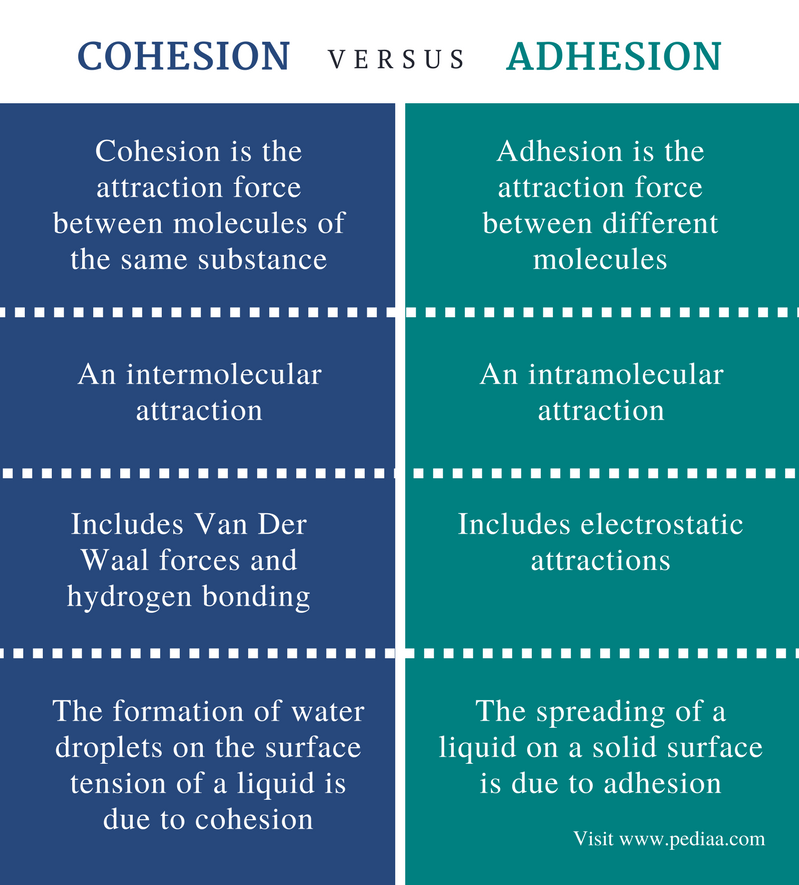
In the world of physical science, cohesion and adhesion describe the forces that hold matter together. Cohesion is the attraction between similar molecules, while adhesion is the attraction between different types of molecules. In the competitive landscape of modern marketing, these concepts serve as a powerful metaphor for brand strategy.
A brand that is “cohesive” is one that is internally consistent, unified in its message, and harmonized across all platforms. A brand that is “adhesive” is one that successfully attaches itself to its target audience, creating a “sticky” relationship that ensures long-term loyalty and retention. To build a market-leading identity, business leaders must master both: the internal strength of cohesion and the external bond of adhesion.
Mastering Brand Cohesion: The Architecture of Internal Consistency
Brand cohesion is the foundation upon which all successful marketing is built. It refers to the internal alignment of a company’s visual identity, messaging, and core values. When a brand is cohesive, every touchpoint—from a social media post to a customer service interaction—feels like it belongs to the same entity. Without cohesion, a brand appears fragmented, leading to consumer confusion and a lack of trust.
Visual Cohesion: The Power of a Unified Design System
The most immediate way a brand demonstrates cohesion is through its visual language. This involves more than just a logo; it encompasses color palettes, typography, imagery styles, and layout structures. A cohesive brand utilizes a rigorous design system that ensures a customer can recognize the brand even if the logo is hidden.
For instance, consider a brand like Apple. Whether you are looking at their website, unboxing a new device, or walking into a physical retail store, the minimalist aesthetic, specific white spaces, and sleek San Francisco typeface are constant. This visual cohesion creates a sense of reliability. It tells the consumer that the brand is organized, professional, and intentional. When design elements are disjointed—using different fonts on LinkedIn than on the company website—the brand loses its “gravity,” and the consumer’s perception of quality begins to erode.
Narrative Cohesion: Aligning Tone and Values
Beyond visuals, cohesion must exist in what the brand says and how it says it. This is known as narrative cohesion. It involves the brand’s tone of voice, its mission statement, and its underlying philosophy. If a brand claims to be “disruptive and edgy” in its marketing but uses “corporate and bureaucratic” language in its terms of service or customer support emails, the cohesion is broken.
Narrative cohesion requires a deep understanding of the brand’s “Why.” When every department—from HR to R&D—understands the core mission, the brand’s output becomes naturally aligned. This alignment ensures that the story being told to the public is the same story being lived within the company culture.
Operational Cohesion: Delivering a Seamless Experience
The final pillar of cohesion is operational. This is where the brand promise meets reality. Operational cohesion ensures that the customer experience is seamless across different channels. If a customer is promised “premium, white-glove service” in an advertisement but experiences a difficult and frustrating return process, the brand’s cohesion fails at the most critical moment. A cohesive brand ensures that the internal operations are optimized to deliver exactly what the marketing team has promised, closing the gap between expectation and reality.
Engineering Brand Adhesion: Creating “Sticky” Relationships
While cohesion is about the brand’s internal unity, adhesion is about the brand’s ability to “stick” to the consumer. In a marketplace saturated with options, having a great product is often not enough. Brands must find ways to attach themselves to the lifestyles, emotions, and identities of their customers. Adhesion is what transforms a one-time purchaser into a brand advocate.
Emotional Adhesion: Moving Beyond the Transaction
Humans are not purely rational actors; we make the majority of our purchasing decisions based on emotion. Emotional adhesion occurs when a brand manages to tap into the consumer’s feelings—whether that is a sense of belonging, a desire for status, or the comfort of nostalgia.
Brands that excel at adhesion don’t just sell features; they sell feelings. Nike does not simply sell sneakers; it sells the spirit of perseverance and the “Just Do It” attitude. By aligning the brand with a universal human emotion, Nike creates an adhesive bond that transcends the physical product. When a consumer feels that a brand “understands” them, they are much less likely to switch to a competitor, even if that competitor offers a lower price.
Community Adhesion: The “In-Group” Experience
One of the strongest forms of brand adhesion is the creation of a community. When a brand becomes the focal point for a group of like-minded individuals, the “stickiness” of the brand increases exponentially. This is common in the tech and automotive industries, where “fanbases” often defend and promote their chosen brand with religious fervor.
Building community adhesion requires the brand to act as a facilitator. This can be done through exclusive forums, user groups, or events. When a customer feels they are part of a tribe, leaving the brand means leaving the community. This social cost creates a powerful adhesive force that ensures long-term retention. The brand is no longer just a provider of goods; it is a component of the customer’s social identity.

Value-Driven Adhesion: Ethics and Purpose as the Glue
In the modern era, consumers—particularly Gen Z and Millennials—are increasingly looking to buy from brands that reflect their personal values. Value-driven adhesion occurs when a brand’s stance on social, environmental, or ethical issues aligns with those of its target audience.
Patagonia is a quintessential example of value-driven adhesion. By prioritizing environmental activism over short-term profit, they have created a bond with their customers that is incredibly difficult to break. Customers aren’t just buying jackets; they are voting for the planet. This type of adhesion is particularly resilient because it is based on shared morals rather than temporary trends or pricing.
The Synergy: How Cohesion Drives Adhesion
Cohesion and adhesion are not independent of one another; they exist in a symbiotic relationship. You cannot have effective adhesion without a foundation of cohesion.
Trust as the Result of Predictability
Adhesion (the bond with the customer) is built on trust. Trust, in turn, is built on predictability and consistency—the hallmarks of cohesion. If a brand’s identity is constantly shifting, the consumer cannot find a “surface” to latch onto. Imagine trying to glue two objects together when one object is constantly changing shape. The bond will never set.
A cohesive brand provides a stable, recognizable identity that allows the customer to build an emotional attachment over time. Every consistent interaction reinforces the bond, making the brand more adhesive. When a customer knows exactly what to expect from a brand, the cognitive load of the decision-making process is reduced, leading to “habitual adhesion.”
Scalability Through Unified Frameworks
As a brand grows, maintaining adhesion becomes more difficult. Expanding into new markets or launching new product lines can dilute the brand’s essence. This is where cohesion acts as a safeguard. By having a cohesive framework in place, a brand can scale while keeping its “stickiness” intact.
A unified brand strategy allows a company to enter a new vertical without losing its core identity. Because the internal cohesion is strong, the “adhesive” elements—the tone, the values, and the emotional resonance—can be successfully translated to new audiences.
Measuring Success in the Cohesion-Adhesion Model
To maintain a healthy brand, organizations must regularly audit both their cohesion and their adhesion. This requires a mix of qualitative and quantitative analysis.
Internal Audits and Brand Equity
To measure cohesion, brands should conduct internal audits. This involves reviewing all marketing collateral, internal communications, and product interfaces to ensure they align with the brand guidelines. Gap analysis can help identify areas where the brand narrative is fraying.
Quantitative metrics for cohesion often relate to “Brand Equity.” High brand equity suggests that the brand’s identity is strong and unified enough to command a premium in the market. If consumers can identify your brand’s advertisements even without the logo, your visual cohesion is at a world-class level.
Customer Lifetime Value and Sentiment Analysis
Adhesion is measured through metrics related to loyalty and retention. Customer Lifetime Value (CLV) is perhaps the most important metric here; it measures the total revenue a business can expect from a single customer account throughout the business relationship. High CLV is a direct indicator of strong brand adhesion.
Additionally, Net Promoter Scores (NPS) and sentiment analysis on social media provide insights into the emotional strength of the brand-customer bond. Are people talking about the product’s price, or are they talking about how the brand makes them feel? The latter indicates a successful adhesive strategy.

Conclusion: The Enduring Bond
In the architecture of a great brand, cohesion is the internal integrity that prevents the structure from collapsing under its own weight, while adhesion is the force that connects that structure to the world outside. A brand that is only cohesive but not adhesive is a beautiful statue that no one visits; a brand that is adhesive but not cohesive is a chaotic flash-in-the-pan that cannot sustain its success.
By prioritizing both, brand strategists can create identities that are not only internally harmonious but also externally irresistible. In an era of infinite choice, the brands that win are those that understand the physics of the marketplace: stay unified, stay consistent, and above all, stay stuck to your customer.
aViewFromTheCave is a participant in the Amazon Services LLC Associates Program, an affiliate advertising program designed to provide a means for sites to earn advertising fees by advertising and linking to Amazon.com. Amazon, the Amazon logo, AmazonSupply, and the AmazonSupply logo are trademarks of Amazon.com, Inc. or its affiliates. As an Amazon Associate we earn affiliate commissions from qualifying purchases.