
For decades, the concept of teenage leisure was synonymous with physical “third places”—malls, movie theaters, and local parks. However, as we navigate the mid-2020s, the geography of fun has undergone a radical transformation. For today’s digital natives, “fun” is no longer restricted by physical proximity or daylight hours. Instead, technology has become the primary infrastructure for entertainment, social validation, and self-expression.
To understand what teenagers do for fun today is to understand the intersection of high-speed connectivity, sophisticated hardware, and the democratization of creative tools. This evolution has moved beyond passive consumption toward a model of active participation and digital craftsmanship.

The Evolution of the Virtual Playground: Gaming as the New Social Hub
In the contemporary teenage landscape, gaming is rarely about the solitary pursuit of a high score. Instead, it has morphed into the primary venue for social interaction. For Gen Z and the emerging Gen Alpha, video games function as digital town squares where the gameplay is often secondary to the conversation.
From Competition to Connection: The Rise of Sandbox Worlds
Platforms like Roblox, Minecraft, and Fortnite have redefined the “sandbox” genre, providing spaces where teenagers can build, explore, and simply “hang out.” These platforms are not just games; they are ecosystems. A teenager might log into Roblox not to complete a specific objective, but to meet friends in a user-generated virtual café or to collaborate on a complex architectural project. This shift toward “emergent gameplay”—where fun is derived from the social dynamics within the world rather than the game’s internal rules—represents a fundamental change in how leisure time is spent.
The Spectator Experience: Streaming and eSports Culture
For many teenagers, watching someone else play a game is as entertaining as playing it themselves. Platforms like Twitch and YouTube Gaming have turned gaming into a premier spectator sport. This form of “fun” is deeply rooted in community; viewers participate in live chats, use platform-specific emojis to react to high-stakes moments, and support their favorite creators through digital micro-transactions. It is a shared cultural experience that mirrors the traditional sports fandom of previous generations but with a much higher degree of interactivity.
Content Creation and the Algorithm: Fun in the Creator Economy
The line between consuming entertainment and creating it has blurred to the point of disappearing. For many teenagers, “fun” involves the meticulous process of digital curation and content production. The smartphone is no longer just a communication device; it is a portable film studio, editing suite, and distribution hub.
Short-Form Video Mastery and the Viral Pursuit
TikTok, Instagram Reels, and YouTube Shorts have gamified social interaction. Teenagers spend hours not just scrolling, but learning the technical nuances of video transitions, color grading, and trend participation. The “fun” lies in the challenge of the algorithm—understanding how to hook an audience within the first three seconds and utilizing trending audio to gain visibility. This is a sophisticated form of digital literacy that combines performance art with data-driven strategy.
Generative AI: The New Creative Tool for Digital Natives
The recent explosion of Generative AI has provided teenagers with a new frontier for exploration. AI tools like Midjourney, DALL-E, and various Large Language Models (LLMs) are being used for everything from creating “deep fried” memes to generating personalized avatars and fan fiction. Teenagers are using AI to lower the barrier to entry for creative hobbies, allowing those without formal training in graphic design or coding to produce complex digital artifacts. This “technological play” fosters a sense of agency and experimentation that defines the modern creative spirit.
Redefining Social Interaction: Communication Platforms and Digital “Third Places”
As physical spaces for teenagers become increasingly regulated or inaccessible, digital platforms have filled the void. These “third places” allow for a level of constant, low-pressure socialization that was previously impossible.

Discord and the Return of Private Communities
While public social media platforms like X (formerly Twitter) or Facebook are often viewed as “performative,” Discord has emerged as the preferred “private” space for teenage fun. Organized into servers based on specific interests—ranging from anime and coding to obscure music genres—Discord allows teenagers to inhabit semi-private digital basements. Here, the fun is found in the “always-on” nature of the community, featuring voice channels where friends can study together, stream movies, or play games in a secure, curated environment.
Augmented Reality (AR) and Interactive Social Layers
Technology is also beginning to bleed back into the physical world through Augmented Reality. Apps like Snapchat lead the way with AR lenses that transform the user’s environment, but the “fun” goes deeper than simple filters. Teenagers use AR for interactive scavenger hunts, geolocation-based gaming (like the enduring popularity of Pokémon GO), and “mapped” social experiences. This layer of digital information on top of the physical world adds a sense of novelty and gamification to mundane outdoor activities.
The Hardware Revolution: Gadgets Driving Teen Entertainment
The nature of teenage fun is intrinsically linked to the hardware they possess. We are seeing a shift from stationary tech (the desktop PC) to highly integrated, wearable, and immersive devices that facilitate entertainment on the go.
Wearables and Health-Tech Integration
Interestingly, “fun” for some teenagers has taken a turn toward self-optimization. The use of smartwatches and fitness trackers has turned physical activity into a data-driven game. Competing with friends for “steps,” monitoring sleep patterns, or sharing workout metrics on apps like Strava has integrated technology into the realm of physical health. This “gamified wellness” is a growing trend among tech-savvy youth who view their biometric data as another digital asset to be managed and improved.
The Future of VR and Extended Reality (XR)
While still in its relative infancy compared to the smartphone, Virtual Reality (VR) is becoming a staple of teenage leisure. Devices like the Meta Quest series have made high-quality VR accessible. For a teenager, the appeal lies in total immersion—the ability to physically move within a digital space, engage in haptic combat, or attend a virtual concert. As XR (Extended Reality) continues to bridge the gap between the virtual and the physical, the potential for immersive “fun” is expanding into educational and collaborative realms.
Digital Security and the Ethical Landscape of Tech-Based Fun
As technology becomes the primary theater for teenage life, the concept of “fun” is increasingly entangled with concerns over privacy, digital footprints, and mental well-being. Modern teenagers are more aware of these nuances than any generation before them.
Navigating the Privacy Paradox
For many teens, part of the “fun” of technology is mastering the art of digital anonymity and privacy. This includes the use of “finstas” (fake Instagram accounts for close friends only), encrypted messaging apps, and sophisticated privacy settings. There is a sense of accomplishment in navigating the digital world while maintaining a “curated” public persona versus a “real” private one. Understanding the boundaries of the digital world is a critical skill that teenagers develop through their leisure activities.
Promoting Digital Wellness in a Hyper-Connected Age
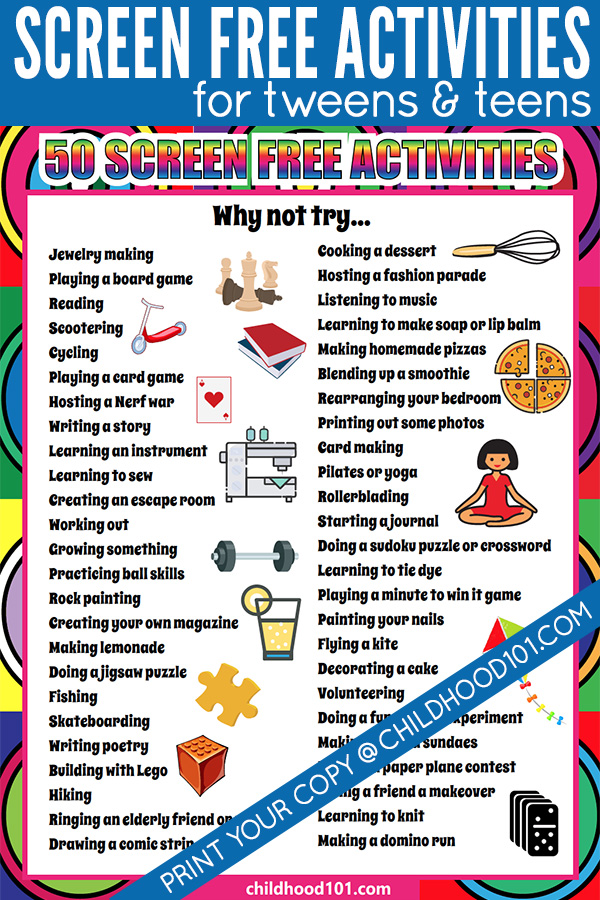
Finally, the most sophisticated teenagers are beginning to find “fun” in intentional disconnection—or at least, more mindful connection. The rise of “digital detox” apps, focus modes, and the “minimalist phone” aesthetic suggests that part of the modern tech experience is learning how to control the technology rather than being controlled by it. Leisure now includes the conscious choice of which platforms deserve their attention, leading to a more intentional and high-quality engagement with digital tools.
Conclusion: The Professionalization of Play
What teenagers do for fun in the digital age is far from mindless distraction. It is an active, creative, and highly social endeavor that requires a high level of technical proficiency. Whether they are navigating the complexities of a 50-person Discord server, editing a viral video, or exploring the frontiers of Generative AI, today’s youth are using technology to build worlds, communities, and identities.
As we look toward the future, the distinction between “online” and “offline” fun will likely continue to fade. Technology has provided teenagers with the tools to turn every hobby into a community and every interest into a creative output. For the modern teenager, fun is not just something you have—it is something you build, share, and optimize through the power of the digital world.
aViewFromTheCave is a participant in the Amazon Services LLC Associates Program, an affiliate advertising program designed to provide a means for sites to earn advertising fees by advertising and linking to Amazon.com. Amazon, the Amazon logo, AmazonSupply, and the AmazonSupply logo are trademarks of Amazon.com, Inc. or its affiliates. As an Amazon Associate we earn affiliate commissions from qualifying purchases.