
The phrase “arrears of pay” might sound like complex financial jargon, but at its core, it describes a straightforward situation: money owed for work that has already been performed. In the realm of personal finance and business operations, understanding what constitutes arrears of pay is crucial for both employers and employees, as it impacts cash flow, financial planning, and legal obligations. This article delves into the intricacies of arrears of pay, exploring its definition, common scenarios, implications, and how to effectively manage and resolve such situations.
Understanding the Fundamentals of Arrears of Pay
Arrears of pay refers to any salary, wages, or other compensation that is due to an employee but has not yet been paid by the employer. This means the employee has completed the work, fulfilled their contractual obligations, and earned the compensation, but the employer has failed to disburse it within the agreed-upon timeframe. It’s essentially a debt owed by the employer to the employee.
Defining Arrears of Pay
The key differentiator for arrears of pay is that the work has been completed. This is distinct from a future salary payment or a bonus that has not yet been earned. Arrears imply a past-due obligation. For instance, if an employee works the entire month of March and is due to be paid on April 1st, but the payment is not received by that date, the unpaid amount becomes arrears of pay.
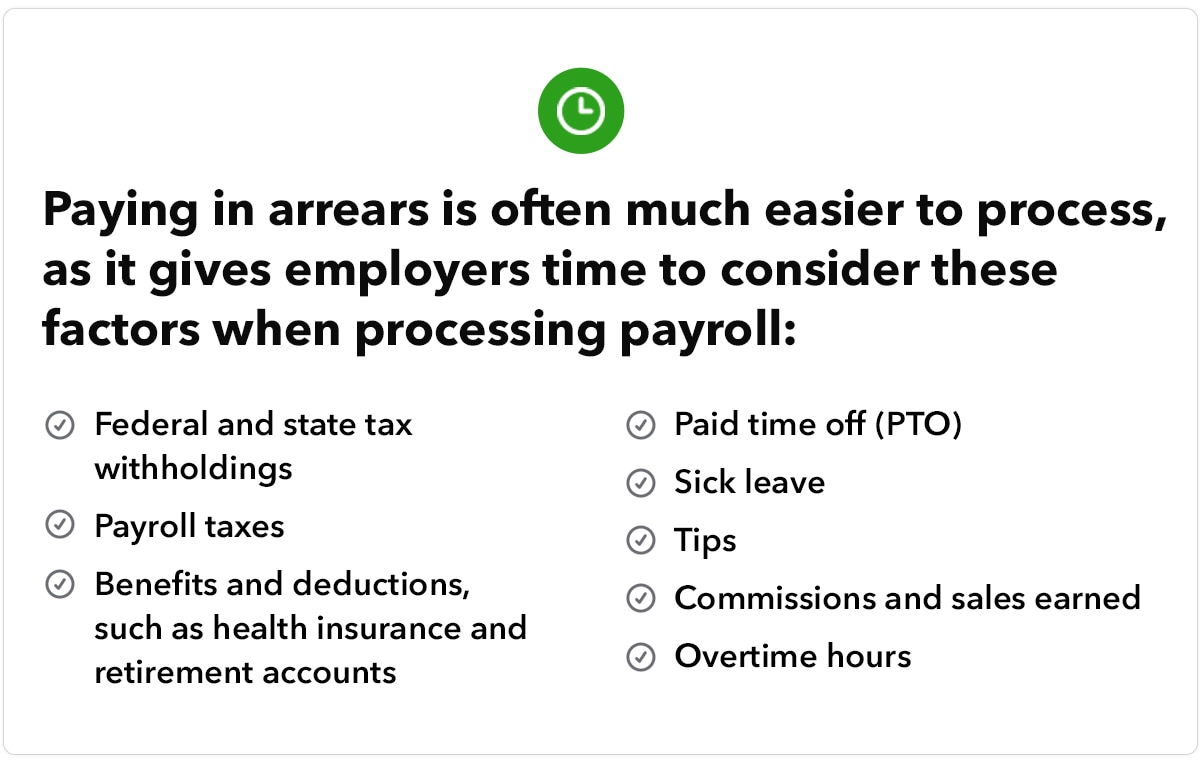
The concept extends beyond regular wages. It can encompass:
- Base Salary/Wages: The fundamental compensation agreed upon for a job role.
- Overtime Pay: Compensation for hours worked beyond standard working hours, often at a higher rate.
- Commissions and Bonuses: Performance-based incentives that have been earned but not paid.
- Holiday Pay: Compensation for working on designated holidays or for the holiday itself if an employee is entitled to it.
- Severance Pay: Compensation provided to an employee upon termination of employment.
- Unpaid Leave Entitlements: In some jurisdictions, accrued but unused paid leave may be payable upon termination, and if not paid, it can fall into arrears.
Common Scenarios Leading to Arrears of Pay
Several situations can precipitate arrears of pay. These often stem from administrative oversights, financial difficulties within the company, or disputes over the amount owed.
Administrative and Payroll Errors
The most common cause of arrears is simple administrative error. This can include:
- Data Entry Mistakes: Incorrect employee details, pay rates, or hours worked entered into the payroll system.
- System Malfunctions: Glitches in payroll software or the accounting system that prevent timely processing of payments.
- Human Error: A payroll administrator overlooking a payment run, or a bank transfer failing to process correctly.
- Delayed Approvals: If timesheets or expense claims require multiple levels of approval, delays can lead to the payment falling past its due date.
- Changes in Employment Status: New hires, terminations, promotions, or changes in contract terms can sometimes lead to payroll processing errors if not handled meticulously.
Financial Difficulties of the Employer
In unfortunate circumstances, a company facing financial distress might struggle to meet its payroll obligations. This can lead to intentional or unintentional delays in payments.
- Cash Flow Problems: A temporary shortfall in cash can prevent an employer from disbursing salaries on time.
- Bankruptcy or Insolvency: If a company is heading towards or has entered bankruptcy proceedings, the distribution of funds, including employee wages, becomes a complex legal process. In such cases, employees may become unsecured creditors, and recovery of arrears can be uncertain.
Disputes Over Compensation
Disagreements between an employer and employee regarding the amount of compensation due can also result in arrears.
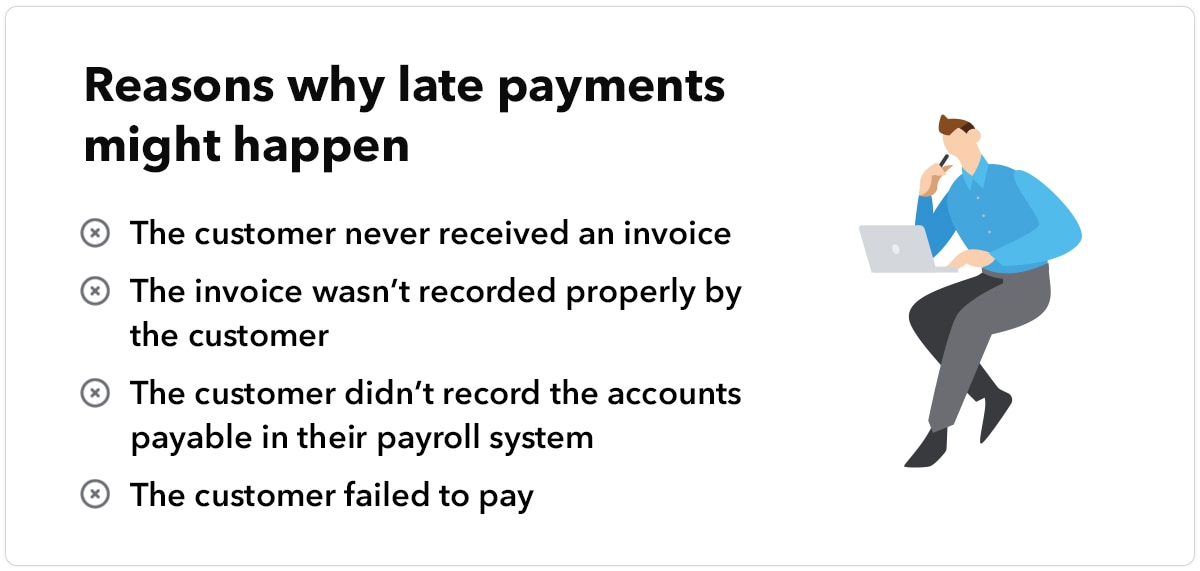
- Disputed Commission or Bonus Payouts: If an employee believes they have met the criteria for a commission or bonus and the employer disagrees, the unpaid amount can be considered arrears.
- Disagreements Over Overtime Calculation: Discrepancies in how overtime hours are recorded or calculated can lead to disputes and unpaid wages.
- Contractual Ambiguities: Vague or poorly defined terms in an employment contract regarding compensation can lead to misunderstandings and subsequent arrears.
Implications of Arrears of Pay
The existence of arrears of pay carries significant implications for both employees and employers, affecting financial well-being, legal standing, and operational efficiency.
For Employees: Financial Strain and Legal Rights
For employees, unpaid wages represent a direct and immediate financial hardship.
- Loss of Income and Financial Instability: Employees rely on their regular paychecks to cover essential living expenses such as rent or mortgage payments, utilities, groceries, and loan repayments. Arrears can lead to a cascade of financial problems, including late fees, damage to credit scores, and even eviction or repossession.
- Stress and Anxiety: The uncertainty and stress associated with not receiving earned income can have a profound impact on an employee’s mental and emotional well-being, affecting their productivity and overall quality of life.
- Legal Recourse: Employees have legal rights to claim unpaid wages. Depending on the jurisdiction, there are government bodies (like Departments of Labor or wage and hour divisions) and legal avenues available to recover arrears. This might involve filing a complaint, mediation, or pursuing legal action. In many places, there are specific statutes of limitations for claiming unpaid wages.
For Employers: Legal Penalties and Reputational Damage
Employers who fail to pay wages on time face a range of negative consequences.
- Legal Penalties and Fines: Labor laws in most countries mandate timely payment of wages. Employers who violate these laws can face substantial fines, penalties, and back payments, often with interest. In some cases, employers may also be liable for the employee’s legal fees.
- Lawsuits and Litigation Costs: Employees can sue their employers for unpaid wages. Defending against such lawsuits can be costly and time-consuming, diverting resources and management attention.
- Damage to Reputation and Employee Morale: A company known for not paying its employees on time will struggle to attract and retain talent. It can also severely damage its reputation with customers and partners, impacting business relationships and brand image. Low employee morale can lead to decreased productivity, increased absenteeism, and higher turnover rates.
- Operational Disruption: Dealing with wage disputes and legal challenges can disrupt normal business operations, diverting focus from core activities and strategic goals.
Managing and Resolving Arrears of Pay
Addressing arrears of pay requires a proactive and structured approach from both parties involved.
Steps for Employees to Address Arrears
When an employee finds themselves in a situation of arrears, taking swift and appropriate action is important.
- Document Everything: Keep meticulous records of all work performed, including timesheets, project completion dates, and any communication with the employer regarding pay. This documentation will be crucial evidence.
- Communicate with the Employer: The first step should always be to formally communicate the issue with the employer. Send a written request (email is often best for documentation) detailing the amount owed, the period it covers, and when it was due.
- Consult Employment Contracts and Company Policies: Review your employment contract and any relevant company policies regarding pay cycles, payment methods, and procedures for handling wage disputes.
- Seek External Advice: If direct communication fails, consider seeking advice from relevant government labor agencies or an employment lawyer. They can explain your rights and the steps you can take.
- File a Formal Complaint: If necessary, file a formal complaint with the appropriate labor authority in your jurisdiction.
Strategies for Employers to Prevent and Resolve Arrears
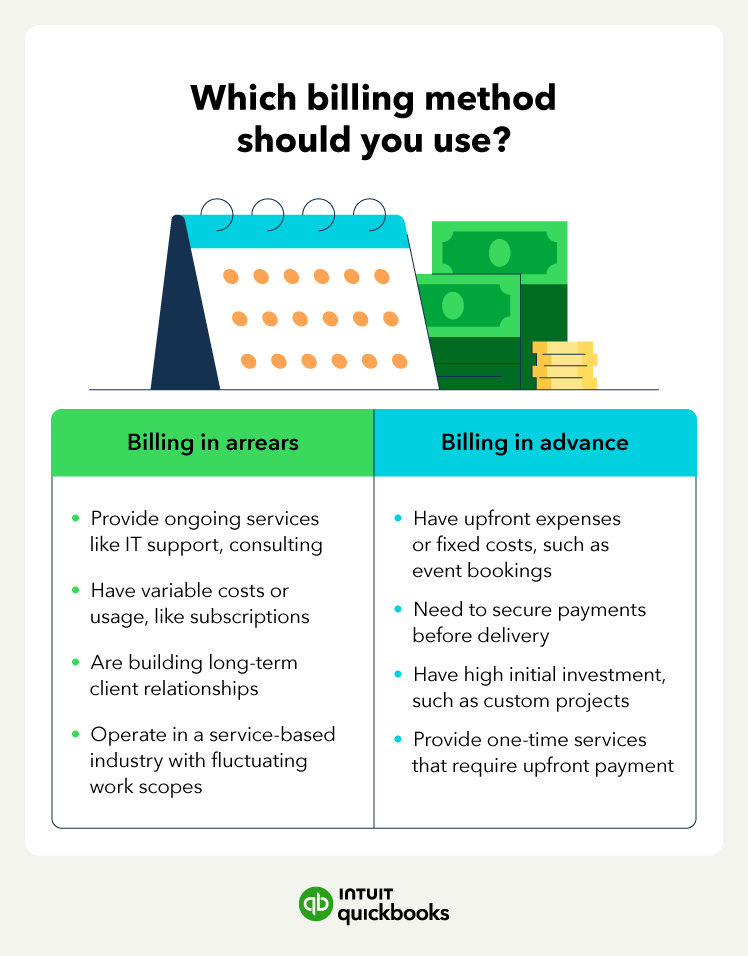
Employers have a responsibility to ensure their payroll systems are robust and their financial management practices are sound to prevent arrears from occurring and to resolve them efficiently when they do.
- Implement Robust Payroll Systems: Invest in reliable payroll software and ensure it is regularly updated. Establish clear processes for data entry, verification, and payment processing.
- Regular Audits and Reconciliation: Conduct regular internal audits of payroll records to identify and correct any discrepancies before they become arrears. Reconcile payroll expenses with the general ledger.
- Maintain Adequate Cash Flow: Implement sound financial planning and cash flow management strategies to ensure sufficient funds are available to meet payroll obligations.
- Establish Clear Dispute Resolution Mechanisms: Have a transparent and accessible process for employees to raise concerns about their pay. Address disputes promptly and fairly.
- Prioritize Payroll Obligations: In times of financial difficulty, it is crucial to prioritize payroll. Late payment of wages can have severe legal and reputational consequences that far outweigh the immediate financial savings.
- Seek Professional Advice: If facing significant financial challenges, consult with financial advisors and legal counsel to understand the implications and to manage obligations in a legally compliant manner.
In conclusion, arrears of pay represent a breach of the employer-employee agreement, where earned compensation remains unpaid. While often stemming from administrative errors, they can also arise from financial distress or contractual disputes. The implications for employees are immediate financial hardship and stress, while employers face legal penalties, reputational damage, and a decline in morale. Proactive management, clear communication, and adherence to legal obligations are paramount for both parties to prevent and effectively resolve situations involving arrears of pay, ensuring a fair and financially stable working environment.
aViewFromTheCave is a participant in the Amazon Services LLC Associates Program, an affiliate advertising program designed to provide a means for sites to earn advertising fees by advertising and linking to Amazon.com. Amazon, the Amazon logo, AmazonSupply, and the AmazonSupply logo are trademarks of Amazon.com, Inc. or its affiliates. As an Amazon Associate we earn affiliate commissions from qualifying purchases.