
In the landscape of American finance, few names carry as much weight or historical significance as Charles Schwab. For many, the name evokes the image of a traditional brokerage firm, but in the modern era, Charles Schwab has evolved into a multifaceted financial services behemoth. As of the early 2020s, it stands as one of the largest publicly traded financial services companies in the United States, managing trillions of dollars in client assets.
Whether you are a novice investor looking to open your first Roth IRA or a seasoned trader seeking sophisticated market analysis tools, understanding the scope of Charles Schwab is essential. This article explores the company’s role in the personal finance ecosystem, its diverse range of investment products, and how it continues to shape the way individuals interact with their wealth.

The Evolution of Charles Schwab: From Discount Broker to Financial Giant
The story of Charles Schwab is inextricably linked to the democratization of investing. Before the firm’s rise in the 1970s, the world of stocks and bonds was largely a gated community, reserved for the wealthy and institutional players who could afford the high commissions charged by full-service brokers.
Democratizing Wall Street
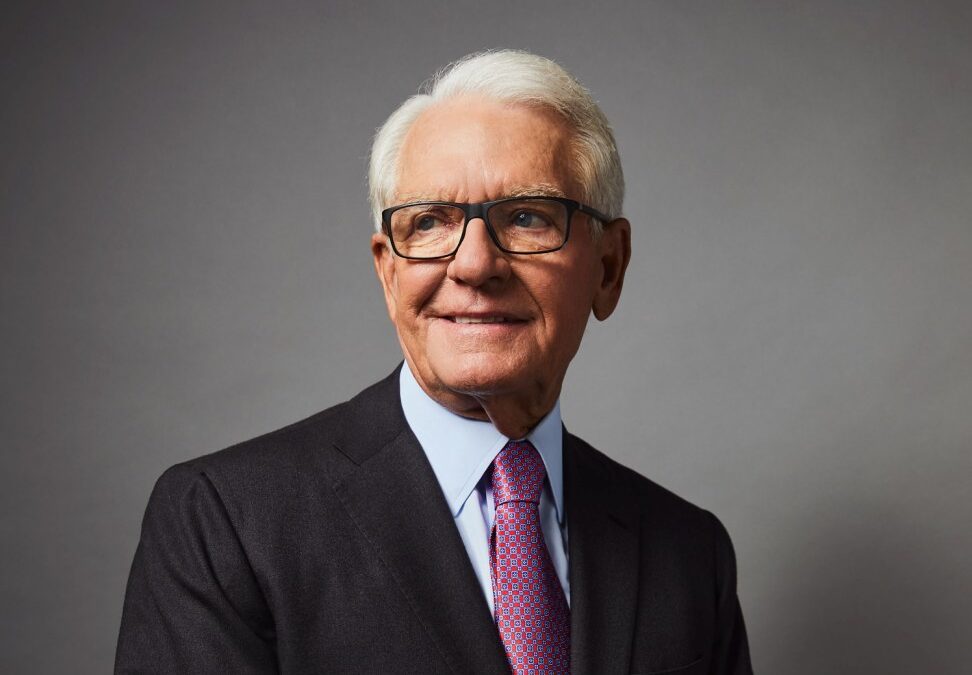
Founded by Charles “Chuck” Schwab in 1971, the company initially gained traction as a “discount” broker. Following the 1975 deregulation of brokerage commission rates, Schwab took a radical path: he cut fees significantly, making it affordable for the average American to participate in the stock market. This move was revolutionary, shifting the power dynamic from the broker to the individual investor. By focusing on volume and efficiency rather than high per-trade markups, Schwab laid the groundwork for the retail investing boom that characterizes today’s financial markets.
The Shift to a Full-Service Experience
While the company began as a discount brokerage, it has spent the last two decades transforming into a “full-service” firm that offers the low costs of a discounter with the high-end support of a traditional private bank. This transformation culminated in the massive acquisition of TD Ameritrade, which was completed in 2020. This merger not only solidified Schwab’s dominance in the retail trading space but also brought in millions of new accounts and the highly regarded “thinkorswim” trading platform. Today, Schwab is no longer just a place to buy stocks; it is a holistic ecosystem for banking, wealth management, and retirement planning.
Comprehensive Investment Services for Every Level
At its core, Charles Schwab is a provider of investment vehicles. The company’s value proposition is built on the “Schwab Way,” which emphasizes low costs, transparency, and a client-first approach. Because the firm earns revenue through interest on cash balances and management fees rather than just trade commissions, it has been able to eliminate many of the traditional barriers to entry for new investors.
Individual Brokerage and Retirement Accounts
For most individuals, the entry point into the Schwab ecosystem is through a standard brokerage account or a tax-advantaged retirement account. Schwab offers a wide array of options, including Traditional IRAs, Roth IRAs, and SEP IRAs for the self-employed. One of the standout features of these accounts is the lack of a minimum deposit requirement to open an account and the absence of monthly maintenance fees. This accessibility makes it an ideal choice for those practicing “micro-investing” or starting their financial journey from scratch.
Mutual Funds and Schwab ETFs
Charles Schwab is a major player in the world of exchange-traded funds (ETFs) and mutual funds. The firm’s proprietary ETFs are known for having some of the lowest expense ratios in the industry. By offering a “Schwab Mutual Fund OneSource” service, the company provides investors access to thousands of funds from various providers without paying a transaction fee. This allows investors to build highly diversified portfolios across different asset classes—such as large-cap stocks, international equities, and fixed income—without eroding their returns through excessive administrative costs.
Schwab Bank and Integrated Checking
Unique among many of its competitors, Schwab operates a highly successful banking arm. The Schwab Bank High Yield Investor Checking account is frequently cited by personal finance experts as one of the best checking accounts in the world. Its primary draw is the unlimited ATM fee rebates globally, making it a favorite for international travelers. By integrating banking with brokerage services, Schwab allows users to move money instantly between their spending accounts and their investment portfolios, providing a seamless view of their total net worth.
Leveraging Financial Tools: Robo-Advisors and Active Trading

In the modern financial landscape, the tools used to manage money are just as important as the investments themselves. Charles Schwab has invested heavily in digital solutions that cater to both passive investors who want a “set it and forget it” approach and active traders who require real-time data and high-speed execution.
Schwab Intelligent Portfolios
As the “Robo-advisor” trend took hold, Schwab launched “Schwab Intelligent Portfolios.” This is an automated investment advisory service that builds, monitors, and rebalances a diversified portfolio of ETFs based on an individual’s risk tolerance and financial goals. A significant differentiator for Schwab’s robo-advisor is that it charges no management fee. Instead, the service utilizes a small cash allocation within the portfolio to generate revenue for the firm. For many investors, this provides a low-cost entry into professional-grade portfolio management that was once only available to those with millions of dollars in assets.
thinkorswim: Power for the Active Trader
Following the acquisition of TD Ameritrade, Schwab integrated the “thinkorswim” suite of platforms. This move was a game-changer for the firm’s standing among active traders. thinkorswim is widely considered the gold standard for retail trading software, offering advanced charting, technical analysis tools, and options strategy simulations. By maintaining this high-powered tool alongside their more user-friendly web interface, Schwab caters to a spectrum of users ranging from the long-term “buy and hold” investor to the high-frequency day trader.
Wealth Management and Professional Advisory
While technology plays a massive role in Charles Schwab’s business model, the human element remains a cornerstone of their “Money” niche services. Recognizing that high-net-worth individuals often have complex financial needs—such as estate planning, tax optimization, and charitable giving—Schwab offers various tiers of professional advice.
Managed Portfolios and Financial Planning
For clients who prefer a human touch but aren’t quite ready for a dedicated private wealth manager, Schwab provides “Schwab Personalized Indexing” and other managed account services. Additionally, they offer access to Certified Financial Planners (CFPs) who can provide one-on-one guidance on comprehensive financial plans. This service helps clients navigate major life transitions, such as saving for a child’s education, purchasing a home, or transitioning into retirement.
Specialized Support for High-Net-Worth Individuals
At the higher end of the wealth spectrum, Schwab provides specialized services through its “Schwab Wealth Advisory” and “Schwab Private Wealth” programs. These services offer dedicated consultants who act as a single point of contact for the client’s entire financial life. They help coordinate with tax professionals and attorneys to ensure that an investor’s portfolio is working in harmony with their broader legal and fiscal obligations. This level of service positions Schwab as a direct competitor to traditional “Bulge Bracket” banks like Morgan Stanley or Goldman Sachs.
Is Charles Schwab the Right Choice for Your Financial Future?
Choosing a financial partner is one of the most consequential decisions an individual can make. Charles Schwab’s massive scale allows it to offer products and prices that smaller firms simply cannot match. However, the right choice depends on your specific financial goals and preferred style of management.
The Cost Advantage: Low Fees and No Commissions
The most compelling argument for choosing Charles Schwab is the cost. With $0 commissions on online U.S. stock and ETF trades, and the removal of many “nuisance” fees, Schwab ensures that more of an investor’s money stays invested. Over a 30-year horizon, even a 0.5% difference in annual fees can result in hundreds of thousands of dollars in lost wealth due to the mechanics of compounding. Schwab’s low-cost structure is designed to mitigate this drag on performance.
Weighing the Pros and Cons
While the benefits are numerous, investors should be aware of how the firm operates. Because Schwab does not charge for many services, they often require a certain percentage of a “Robo-advisor” portfolio to be held in cash. While this cash earns interest, it may lead to “cash drag” during strong bull markets compared to a portfolio that is 100% invested in equities.
Furthermore, the sheer size of the company can occasionally make the customer service experience feel more “corporate” than a boutique firm. However, for the vast majority of investors, the combination of a world-class banking experience, cutting-edge trading tools, and a massive selection of low-cost funds makes Charles Schwab a premier destination for building and maintaining long-term wealth.
In conclusion, Charles Schwab is more than just a brokerage; it is a comprehensive financial engine. By consistently lowering the barriers to market participation and integrating banking, investing, and advisory services into a single platform, it has defined the modern standard for what a personal finance institution should be. Whether you are managing a few hundred dollars or several million, the tools provided by Schwab are designed to facilitate the primary goal of any investor: the steady and secure growth of capital over time.
aViewFromTheCave is a participant in the Amazon Services LLC Associates Program, an affiliate advertising program designed to provide a means for sites to earn advertising fees by advertising and linking to Amazon.com. Amazon, the Amazon logo, AmazonSupply, and the AmazonSupply logo are trademarks of Amazon.com, Inc. or its affiliates. As an Amazon Associate we earn affiliate commissions from qualifying purchases.