
In the landscape of American retail, few success stories are as transformative as that of CarMax. To the casual observer, CarMax is simply a massive used car dealership. However, from a brand strategy perspective, CarMax represents one of the most successful disruptions of a legacy industry in the 21st century. By identifying the deep-seated consumer anxieties associated with the “used car salesman” archetype and systematically dismantling them, CarMax transitioned from a niche experiment to a Fortune 500 leader.
To understand what CarMax is today, one must look beyond the inventory on the lots. It is a masterclass in brand positioning, consumer-centric design, and corporate identity.
The Core Identity: Redefining the Used Car Experience
At its inception in 1993, CarMax was an experiment by Circuit City to see if the “big-box” retail model could be applied to the fragmented and often mistrusted automotive market. The brand was built on the premise that buying a used car shouldn’t feel like a battle of wits. This core identity was a radical departure from the status quo, and it remains the bedrock of their brand equity.
Transparency as a Brand Pillar
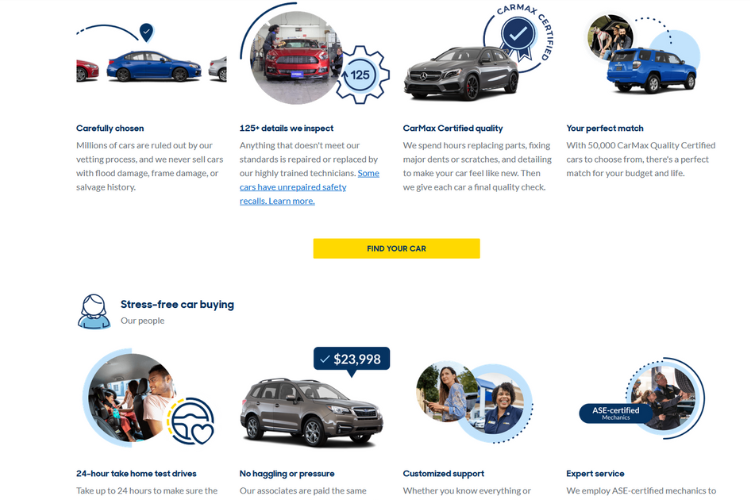
Transparency is not just a marketing buzzword for CarMax; it is the fundamental product they sell. For decades, the automotive industry thrived on “information asymmetry”—the dealer knew everything about the car’s history and value, and the buyer knew very little. CarMax inverted this. By offering standardized vehicle history reports and clear, upfront details on every car, they transformed the brand into a “trusted advisor” rather than a traditional adversary. This transparency creates a psychological safety net for the consumer, allowing the brand to command a premium price in exchange for peace of mind.
Eliminating the “Haggle” Friction Point
The most significant brand differentiator for CarMax was the introduction of the “No-Haggle” pricing model. In traditional branding, price is often a variable. In CarMax’s brand strategy, price is a constant. This move was designed to eliminate “buyer’s remorse” and the stress of negotiation. By removing the need to bargain, CarMax effectively rebranded the car-buying process as a service-oriented retail experience, similar to buying a laptop or a piece of furniture. This strategic choice shifted the focus from the transaction to the relationship, fostering long-term brand loyalty.
Building Trust in a High-Skepticism Industry
In branding, the “Brand Promise” is only as good as the “Brand Delivery.” For a company dealing in pre-owned goods, the barrier to trust is exceptionally high. CarMax’s brand strategy involves a multi-layered approach to quality assurance that reinforces its corporate identity as a reliable, high-standard institution.
The No-Haggle Pricing Model and Valuation
Beyond the sticker price on the windshield, CarMax applied the no-haggle philosophy to the appraisal process. When a consumer brings a car to CarMax, they receive a written offer that is valid for seven days, regardless of whether they buy a car from the lot. This “decoupled” service—offering appraisals as a standalone product—positioned CarMax as an authority on vehicle valuation. It reinforced the brand’s image as fair and objective, moving them away from the “lowballing” reputation of independent dealers.
Certifications and the CarMax Quality Standard
A brand is a set of expectations. CarMax manages these expectations through their rigorous reconditioning process. Every vehicle undergoes a 125+ point inspection, which is central to their marketing narrative. By branding their inventory as “CarMax Certified,” they create a distinct category of used cars that sits between a private sale and a new vehicle purchase. This sub-branding allows them to justify their pricing and builds a “moat” around their inventory, making it difficult for smaller competitors to match their perceived level of quality control.

The Omnichannel Brand Strategy: Adapting to the Digital Consumer
As consumer behavior shifted toward digital-first interactions, CarMax faced a significant challenge: how to maintain a consistent brand experience when the physical lot is no longer the primary touchpoint. Their response was the development of a sophisticated omnichannel strategy that integrates their physical infrastructure with a seamless digital interface.
Bridging the Digital and Physical Gap
CarMax’s brand evolution into the digital space was not about replacing the physical experience, but augmenting it. Their “Instant Offer” tool and online financing applications are designed to save time, which is a major brand value for modern consumers. The ability to start a purchase online and finish it in-store (or vice versa) is the hallmark of their “Love Your Car” guarantee. This flexibility ensures that the brand remains relevant to Gen Z and Millennials, who value autonomy and efficiency over traditional sales rituals.
Consumer-Centric Service Design
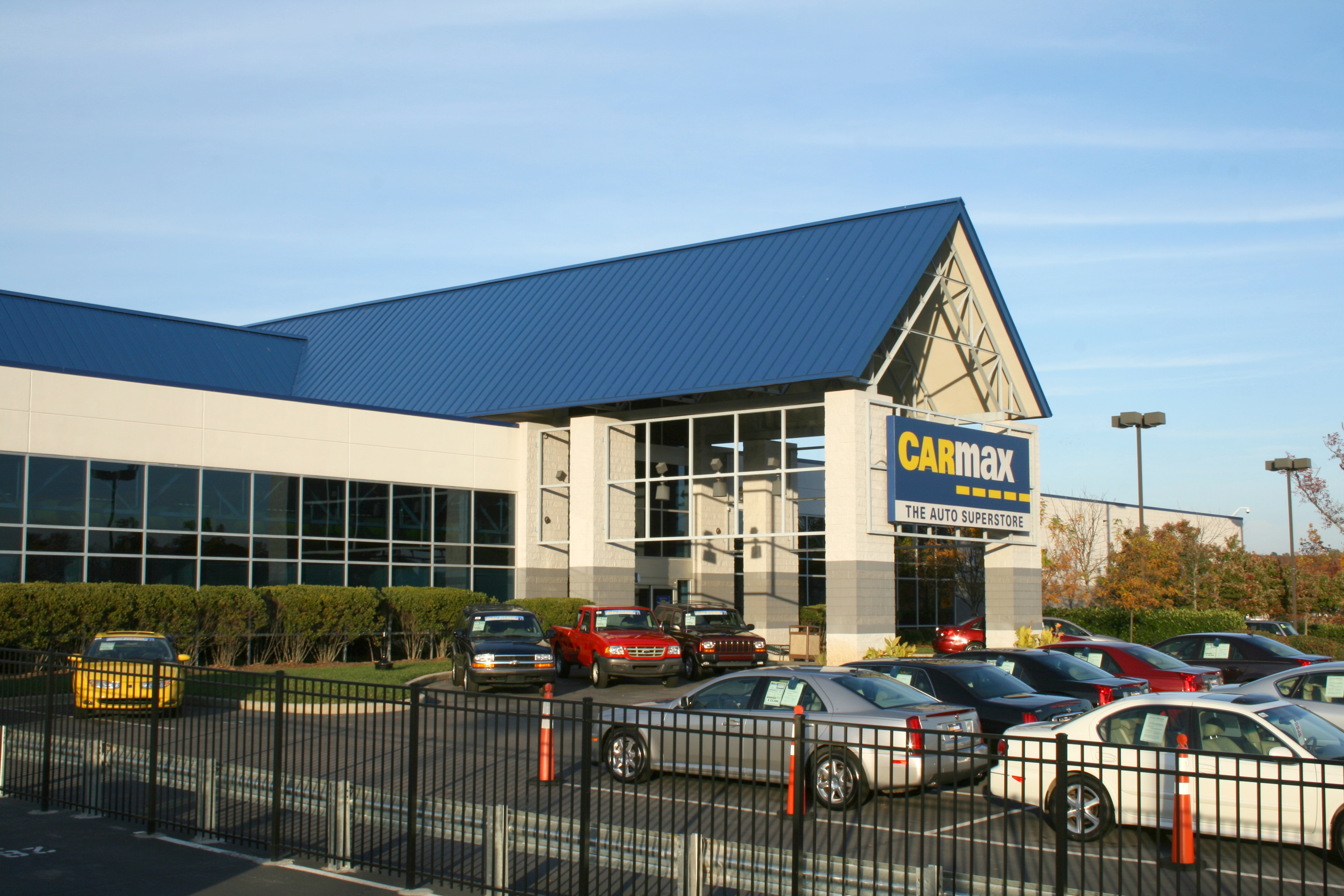
The design of a CarMax location is a physical manifestation of the brand. Unlike traditional dealerships with maze-like cubicles and high-pressure closing rooms, CarMax stores are designed to be open, bright, and welcoming. This physical environment is a critical component of their service design. The salespeople—who are paid on flat-rate commissions rather than a percentage of the car’s price—are incentivized to be consultants rather than closers. This alignment of employee incentives with brand values is a rare and effective strategy that ensures the brand promise is delivered at every level of the organization.
Market Positioning and Competitive Advantage
CarMax occupies a unique space in the automotive market. It is too large to be considered a local dealer and too physically integrated to be considered a pure-play e-commerce site like Carvana. This “hybrid” positioning is their greatest competitive advantage.
Dominating the “Big Box” Automotive Niche
CarMax has effectively become the “Amazon of Used Cars” while maintaining a physical footprint that provides tangible reassurance. Their brand strategy leverages their massive scale to offer a selection that no local competitor can match. This “Category Killer” status allows them to dominate the used car market by providing a one-stop-shop experience. Whether a consumer needs to sell, buy, or finance, the CarMax brand is positioned as the most convenient and comprehensive solution.
Brand Resilience in an Evolving Market
The automotive industry is currently facing massive shifts, including the rise of electric vehicles (EVs) and changing ownership models. CarMax’s brand strategy has proven resilient because it is built on how people buy, rather than just what they buy. By focusing on the customer experience and trust, the brand is well-equipped to handle the transition to EVs. Their ability to provide data-driven valuations and standardized quality checks applies just as effectively to a Tesla as it does to a Ford. This adaptability is the mark of a mature, well-strategized brand.
Conclusion: The Legacy of the CarMax Brand
What is CarMax? Ultimately, it is a brand that succeeded by solving a cultural problem. It identified that the traditional car-buying process was broken and built a multi-billion dollar enterprise by offering the opposite of that experience.
Through its commitment to transparency, its innovative no-haggle pricing model, and its seamless integration of digital and physical retail, CarMax has redefined what it means to be a modern retailer. It is a brand that understands that in a high-stakes purchase like a vehicle, the most valuable commodity isn’t the car itself—it’s the trust of the person behind the wheel. As they continue to innovate and expand their omnichannel presence, the CarMax brand stands as a testament to the power of putting the consumer’s peace of mind at the center of the business model.
aViewFromTheCave is a participant in the Amazon Services LLC Associates Program, an affiliate advertising program designed to provide a means for sites to earn advertising fees by advertising and linking to Amazon.com. Amazon, the Amazon logo, AmazonSupply, and the AmazonSupply logo are trademarks of Amazon.com, Inc. or its affiliates. As an Amazon Associate we earn affiliate commissions from qualifying purchases.