
Bulk fermentation, often referred to as the first rise or primary fermentation, is a crucial stage in the sourdough bread-making process. It’s the period after the dough has been mixed and kneaded, and before it’s shaped into loaves. During this time, the wild yeast and bacteria present in the sourdough starter work their magic, transforming a simple mixture of flour, water, and salt into a complex, flavorful, and airy dough ready for baking. Understanding the nuances of bulk fermentation is key to achieving the characteristic tang, open crumb, and satisfying chew of a well-made sourdough loaf.
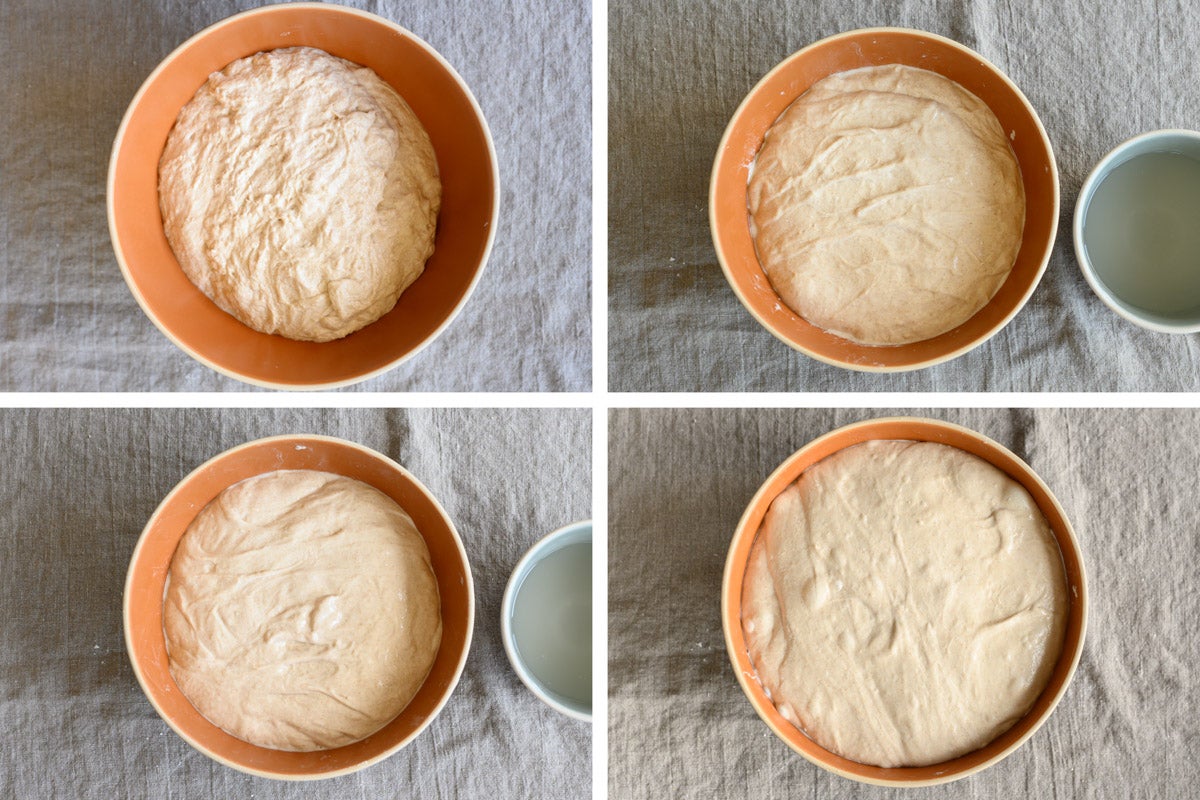
While the core concept is straightforward, optimizing bulk fermentation involves a delicate balance of time, temperature, and dough development. It’s where the dough gains strength, flavor, and the necessary structure to hold its shape and rise beautifully in the oven. For many sourdough bakers, mastering this stage is a significant milestone in their bread-making journey, moving them from basic loaves to truly exceptional creations.
The Science Behind Bulk Fermentation: A Microbial Symphony
The heart of sourdough bread lies in its starter, a living culture of wild yeast and lactic acid bacteria (LAB). During bulk fermentation, these microorganisms become highly active, orchestrating a complex biological and chemical transformation within the dough. This activity is the engine that drives leavening, flavor development, and changes in dough structure.
Yeast Activity: The Leavening Powerhouse
The wild yeasts present in the sourdough starter, predominantly species like Saccharomyces cerevisiae and Candida milleri, consume the sugars present in the flour. Through a process called anaerobic respiration, they convert these sugars into carbon dioxide gas and ethanol. The carbon dioxide is trapped within the gluten network of the dough, causing it to expand and rise. The rate of yeast activity is heavily influenced by temperature. Warmer temperatures accelerate yeast metabolism, leading to a faster rise. Conversely, cooler temperatures slow down yeast activity, extending the fermentation time.
Bacterial Action: Flavor and Acidity Development
The lactic acid bacteria (LAB) in the starter are equally vital. These bacteria ferment sugars to produce lactic acid and acetic acid. Lactic acid contributes a milder, yogurt-like tang, while acetic acid provides a sharper, more vinegary flavor. The balance of these acids is what gives sourdough its distinctive, complex flavor profile. The ratio of lactic acid to acetic acid is influenced by factors such as hydration, temperature, and the specific strains of bacteria present in the starter. For instance, cooler fermentation temperatures tend to favor the production of acetic acid, leading to a more pronounced tang.
Gluten Development and Dough Structure
Beyond microbial activity, bulk fermentation is also a period of significant gluten development. As the dough rests, the gluten strands, formed when flour proteins (glutenin and gliadin) hydrate and are agitated, continue to align and strengthen. This network is essential for trapping the carbon dioxide produced by the yeast. Without a well-developed gluten structure, the dough would be too weak to hold the gas, resulting in a flat, dense loaf. Techniques like stretch-and-folds or coil folds, often performed during bulk fermentation, actively strengthen the gluten network, making it more elastic and capable of expanding. The breakdown of complex carbohydrates into simpler sugars by enzymes also occurs during this stage, providing more food for the yeast and bacteria, further contributing to dough extensibility and flavor.
Optimizing Bulk Fermentation: The Art and Science of Timing and Temperature
Achieving the perfect bulk fermentation isn’t a matter of following a rigid recipe; it’s about understanding how to read the dough and adjust variables to suit your environment. The goal is to allow the yeast and bacteria sufficient time to ferment the dough adequately, developing flavor and leavening power, without over-fermenting, which can lead to a loss of dough strength and an undesirable sour taste.
Temperature: The Master Regulator of Fermentation Speed
Temperature is arguably the most influential factor in controlling the pace of bulk fermentation. A general rule of thumb is that for every 5°C (9°F) increase in temperature, the rate of fermentation roughly doubles.
- Warm Environments (24°C – 27°C / 75°F – 80°F): In warmer kitchens, bulk fermentation can be quite rapid, often completing in 3-6 hours. This is ideal for bakers who need to fit bread-making into a busy schedule. However, vigilance is key, as the dough can quickly move from perfectly fermented to over-fermented. Using slightly cooler water in the initial mix or incorporating a slightly shorter autolyse can help manage this speed.
- Room Temperature (20°C – 23°C / 68°F – 73°F): This is a common and manageable temperature range for many home bakers. Bulk fermentation typically takes 6-10 hours. This allows for a more relaxed pace and provides ample opportunity to observe the dough’s development.
- Cool Environments (18°C – 20°C / 64°F – 68°F): Cooler temperatures significantly slow down fermentation, requiring longer periods, often 10-16 hours or more. This can be beneficial for developing deeper flavors and for bakers who prefer to initiate fermentation overnight and finish the process the next day. It also provides a wider window of opportunity for shaping.
The actual temperature of the dough itself, rather than just the ambient room temperature, is the most accurate indicator. Using a thermometer to check the dough’s internal temperature after mixing and at intervals can provide valuable insights.
Indicators of Proper Bulk Fermentation: Reading Your Dough
Guessing when bulk fermentation is complete is a recipe for inconsistency. Instead, experienced bakers rely on observable signs in the dough. These indicators, when used in conjunction, provide a reliable roadmap to dough readiness.
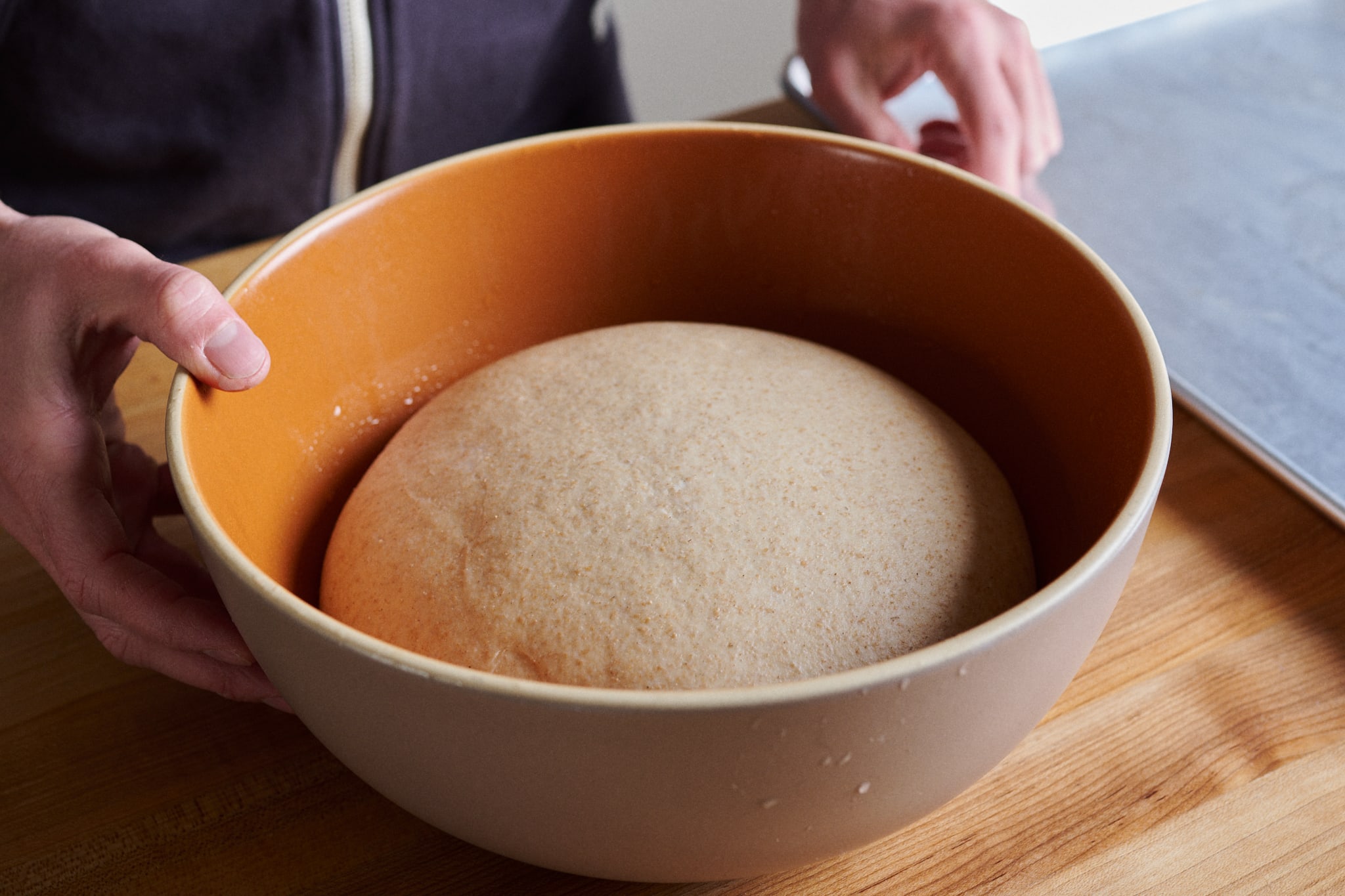
- Volume Increase: A well-fermented dough will typically increase in volume by 30-70%. It’s not about doubling, but a noticeable puffiness. Look for the dough to become lighter and airier, not just larger. It’s important to note the initial volume of the dough after mixing as a baseline for comparison.
- Texture and Feel: The dough should feel less dense and more elastic. When you gently poke it, the indentation should spring back slowly, leaving a slight imprint. If it springs back immediately, it needs more time. If it collapses, it may be over-fermented. The surface should appear smooth and slightly domed, with a few small bubbles visible.
- Bubbles: The presence of small to medium-sized bubbles on the surface and throughout the dough is a strong indicator of active fermentation. These bubbles signify that the yeast is producing carbon dioxide effectively. A lack of bubbles suggests sluggish yeast activity, while very large, irregular bubbles might indicate that the gluten structure is weakening due to over-fermentation.
- Jiggle Test: Gently jiggle the container holding the dough. A properly fermented dough will have a slightly jiggly, gelatinous quality, indicating that the gluten network is well-developed and holding the gas.
The Role of Stretch-and-Folds and Coil Folds
While the dough is fermenting, it’s not just sitting idly. Performing periodic “stretch-and-folds” or “coil folds” during the first few hours of bulk fermentation is a critical technique for building dough strength. These manipulations gently stretch the gluten network, aligning the strands and incorporating more air.
- Stretch-and-Folds: Typically performed every 30-60 minutes for the first 2-3 hours. You wet your hands, grab one side of the dough, stretch it upwards, and fold it over the center. You rotate the bowl and repeat this 3-4 times. This process strengthens the dough without degassing it excessively.
- Coil Folds: Similar to stretch-and-folds but often gentler, particularly useful for higher hydration doughs. You wet your hands and slide them under the dough, lifting it and allowing it to fold over itself in a coil. This action is repeated on all sides.
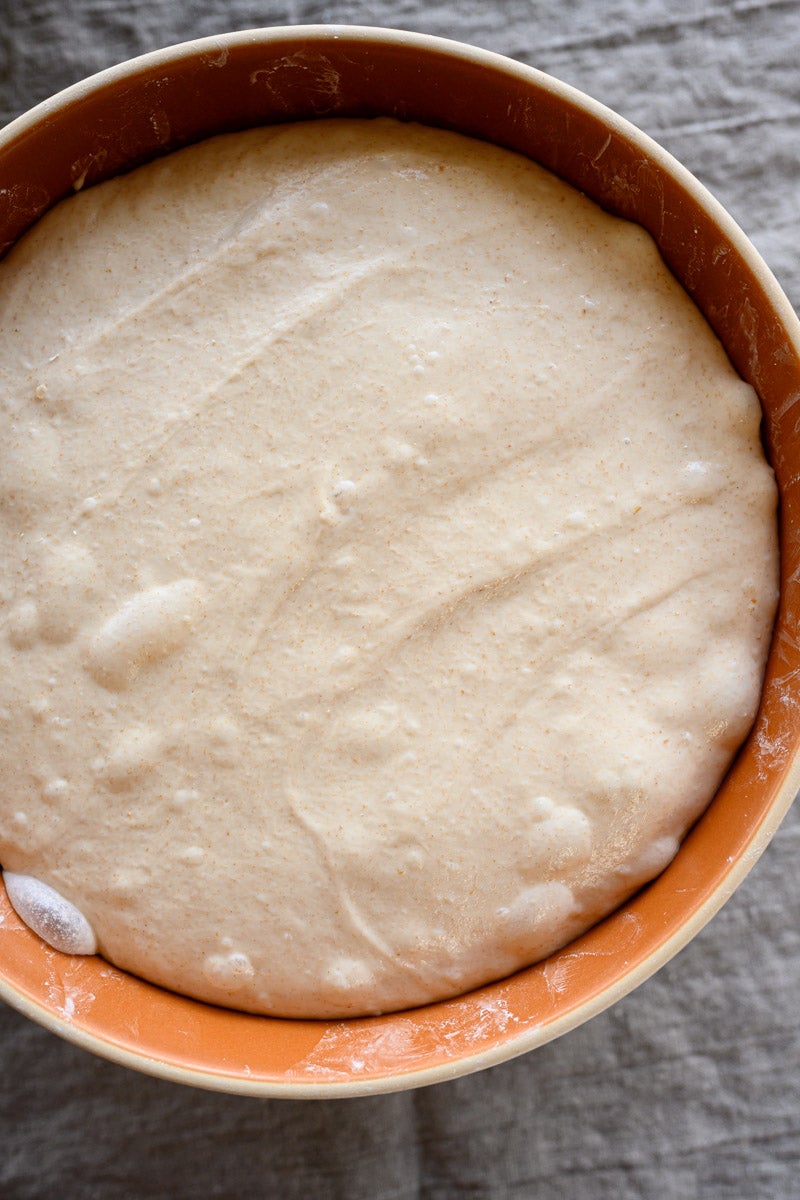
These folds distribute yeast and bacteria evenly, strengthen the gluten, and help the dough retain its shape as it ferments. The number of sets and the frequency will depend on the dough’s hydration, flour type, and ambient temperature.
Recognizing the Signs of Over and Under-Fermentation
The sweet spot for bulk fermentation is a delicate balance. Deviating too far in either direction will significantly impact the final loaf’s texture, flavor, and appearance. Understanding how to identify these common pitfalls is crucial for consistent results.
Under-Fermentation: The Dense and Pale Loaf
When bulk fermentation is cut short, the dough hasn’t had enough time to develop adequate strength, flavor, or leavening power.
- Symptoms: The resulting bread will be dense, with a tight crumb and a pale crust. It will likely have a weak, gummy texture and may be difficult to slice. The tang will be less pronounced, and the overall flavor will be flatter and less complex.
- Causes: Insufficient time, temperatures too low, a weak starter, or not enough folds to build structure.
- Remedy: For future bakes, extend the bulk fermentation time. Ensure your starter is active and robust. Consider increasing the dough temperature slightly or incorporating more stretch-and-folds.
Over-Fermentation: The Flat and Gassy Dough
Conversely, over-fermenting allows the yeast and bacteria to exhaust their food sources and weaken the gluten structure.
- Symptoms: The dough will become very bubbly, potentially with large, irregular holes. It will feel slack and sticky, and when poked, the indentation will collapse rather than spring back. The loaf will likely spread excessively during baking, resulting in a flat, often irregularly shaped loaf. The crust may be thin and prone to burning, and the flavor can become overly sour and vinegary, with a slightly acrid aftertaste.
- Causes: Excessive time, temperatures too high, a starter that is too active for the duration, or too many folds leading to over-development.
- Remedy: For future bakes, reduce the bulk fermentation time or lower the dough temperature. Ensure your starter is fed and ready but not overly bubbly when mixed. Be mindful of the number of stretch-and-folds, as overworking can exacerbate the issue. Often, an over-fermented dough can still be baked, but the results will be suboptimal.
The Importance of Observation Over Strict Timers
It cannot be stressed enough: rely on your senses and the dough’s behavior rather than a stopwatch. While recipes often provide time estimates, these are merely guides. Your kitchen’s unique environment, the flour you use, and the activity of your starter will all influence fermentation speed. Learning to “read” the dough—its volume, texture, jiggle, and bubble activity—is the most reliable path to consistent and excellent sourdough bread.
The Transition to Shaping: Preparing the Dough for its Final Form
Once bulk fermentation has reached its peak, the dough is transformed from a loose, developing mass into a cohesive, airy structure ready to be shaped into its final form. This transition is critical for setting the stage for the oven spring and the ultimate crumb structure of the loaf.
Pre-Shaping: Building Surface Tension
Before the final shaping, a pre-shape is often performed. This involves gently gathering the dough into a rough round or log shape and allowing it to rest for 15-30 minutes.
- Purpose: Pre-shaping helps to redistribute the gases, strengthen the gluten network further, and build surface tension. This tension is crucial for the dough to hold its shape during the final shaping and during the proofing stage. It also allows the gluten to relax slightly, making the final shaping easier and preventing tearing.
- Technique: Lightly flour your work surface. Gently coax the dough out of its fermentation container. Using a bench scraper or your hands, gently pull the edges of the dough towards the center, creating a taut ball or log. Avoid degassing the dough excessively.
Final Shaping: Creating the Loaf’s Identity
After the rest period, the dough is ready for its final shape—whether it’s a boule (round), batard (oval), or a more complex form. This stage requires a gentle but firm hand to create a well-formed loaf that will rise beautifully.
- Purpose: The final shape is not just aesthetic; it dictates how the dough will expand in the oven. A taut surface is paramount for a good oven spring.
- Technique: This involves more deliberate folding and tucking of the dough to create a smooth, tight surface tension across the entire loaf. The aim is to seal any seams effectively while avoiding tearing the delicate gluten structure. The amount of tension applied will vary depending on the dough’s hydration and your preferred shaping style.
Proofing: The Final Rise Before Baking
Following the final shaping, the dough enters the proofing stage, also known as the second rise. This is a shorter, final fermentation period where the dough rests and develops its final structure and flavor before being baked.
- Cold Proofing (Retarding): Many sourdough bakers opt for a cold proof, placing the shaped loaves in the refrigerator for 12-48 hours. This significantly slows down yeast activity, allowing the LAB to continue developing complex flavors. The cold temperature also makes the dough firmer and easier to score.
- Room Temperature Proofing: Alternatively, the dough can be proofed at room temperature for a shorter period. This results in a faster turnaround but may produce a slightly less complex flavor profile compared to a cold proof.
The duration and temperature of proofing will depend on the desired flavor development, the activity of the starter, and the baker’s schedule. The goal is to achieve a dough that is puffed and airy but still has enough structure to hold its shape and rise in the oven. By this point, the bulk fermentation has done its primary work, and proofing is about fine-tuning the dough’s readiness for its fiery transformation.
aViewFromTheCave is a participant in the Amazon Services LLC Associates Program, an affiliate advertising program designed to provide a means for sites to earn advertising fees by advertising and linking to Amazon.com. Amazon, the Amazon logo, AmazonSupply, and the AmazonSupply logo are trademarks of Amazon.com, Inc. or its affiliates. As an Amazon Associate we earn affiliate commissions from qualifying purchases.